
Planning a getaway to Las Vegas is an exercise in balancing indulgence with fiscal responsibility. Often described as the “Entertainment Capital of the World,” the city offers experiences that range from complimentary sidewalk spectacles to ultra-exclusive VIP suites that can cost more than a mortgage payment. To accurately determine the price of a trip, travelers must first define their travel style: are you a budget-conscious explorer, a mid-range vacationer, or an unapologetic luxury seeker?
The Foundation: Understanding Daily Budget Tiers
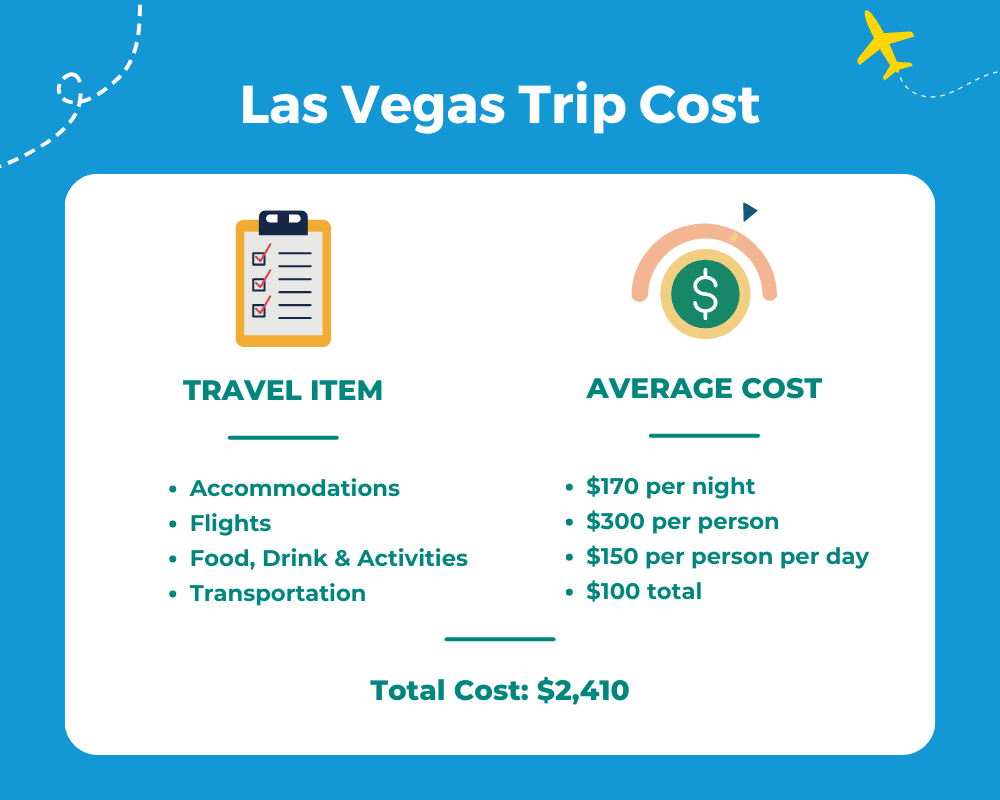
When calculating the cost of a trip, it is most effective to look at daily spend rates. These figures encompass the “big three” of travel costs: accommodation, dining, and entertainment, excluding airfare which fluctuates wildly based on your point of origin.
The Budget-Conscious Traveler
For those looking to stretch their dollar, a trip to Nevada can be surprisingly affordable if one avoids the peak of the weekend. A budget traveler can expect to spend between $150 and $200 per day. This involves staying at off-Strip properties or older, classic hotels, utilizing free public transport or ride-shares, and opting for quick-service eateries or food courts. The beauty of this tier is that the city’s most famous sights—the Fountains of Bellagio or the Welcome to Fabulous Las Vegas Sign—cost absolutely nothing to enjoy.
The Mid-Range Vacationer
If you desire a bit more comfort—perhaps a room with a view at a mid-tier resort and a mix of casual and sit-down dining—your daily budget will likely sit between $350 and $500. This bracket allows for a Cirque du Soleil show, a moderate dinner budget, and occasional cocktails at a lounge. You aren’t cutting corners, but you are mindful of resort fees and the high cost of drinks on the casino floor.
The Luxury Seeker
For those chasing the high life, the sky is the limit. Luxury travelers should budget $1,200 to $3,000+ per day. This investment secures a suite at the Wynn Las Vegas or The Venetian Resort, reservations at celebrity-chef restaurants like those found at Caesars Palace, and high-end nightlife experiences. In this category, the price includes premium cabanas, spa treatments, and perhaps a helicopter tour over the Grand Canyon.
Navigating Essential Travel Costs
Beyond daily spending, specific line items can make or break your travel budget. Understanding how to manage these will prevent “sticker shock” once you arrive in the United States.
The “Resort Fee” Factor
One of the most common pitfalls for first-time visitors is the mandatory resort fee. Nearly every hotel on the Las Vegas Strip charges this daily fee, which can range from $30 to $60 per night. It covers amenities like Wi-Fi, fitness center access, and local calls, but it is rarely included in the initial quoted room rate. Always check your total at checkout to ensure you have accounted for these fees, as they can add several hundred dollars to a week-long stay.
Dining and Nightlife Economics
Food costs in this city are binary: they are either incredibly cheap or astronomically expensive. For a balanced trip, alternate between “buffet-style” or quick bites and fine dining. If you plan to visit a nightclub at MGM Grand, budget significantly for cover charges and premium bottle service, which are standard components of the high-end nightlife scene. Conversely, grocery delivery services or stopping at a pharmacy for snacks and beverages can save you enough money to pay for an entire extra night of accommodation.

Timing Your Visit to Maximize Value
The time of year you choose to visit significantly dictates the cost of your trip. There is no such thing as a “flat rate” in a city that operates on dynamic pricing models.
Off-Peak Savings
If you can stand the desert heat of July and August, hotel rates often drop significantly. Similarly, the weeks immediately following New Year’s Eve and the weeks preceding major holidays are historically the cheapest times to visit. During these periods, high-end rooms that might cost $800 on a Saturday night can sometimes be found for less than $200.
The “Convention Effect”
The single greatest influencer of price in the city is the convention schedule. When major events like the Consumer Electronics Show roll into the Las Vegas Convention Center, hotel prices skyrocket across the entire city, often tripling or quadrupling. Before finalizing your dates, perform a quick search for major conferences in the area. Avoiding these dates is the most effective way to save a massive portion of your budget.
Maximizing the Experience Without Overspending
You don’t need a high roller’s bankroll to have a memorable vacation. Many of the most iconic experiences in the region are either free or require only a modest investment.
Free and Low-Cost Attractions
The Fremont Street Experience in Downtown Las Vegas offers free light shows and live music, providing a high-energy atmosphere without the cost of a nightclub cover. For nature lovers, a short drive takes you to Red Rock Canyon National Conservation Area, where a small entry fee grants access to breathtaking hiking trails that offer a serene contrast to the city’s neon pulse.
Strategic Transportation
While the temptation to use ride-shares for every trip is high, costs add up quickly given the city’s traffic. Utilizing the Deuce bus system or simply walking the Las Vegas Boulevard allows you to see the sights at your own pace. Many of the major properties are connected by pedestrian bridges or tram systems, allowing you to traverse large distances without paying for private car services.

Summary Checklist for Budgeting
To summarize, your total trip cost will be a function of three variables: when you visit, where you stay, and how much you indulge in luxury services.
- Airfare: Book at least 6–8 weeks in advance to secure the best rates.
- Lodging: Factor in the mandatory daily resort fee. Check if your hotel is on the Strip or slightly removed.
- Food/Drink: Decide how many “splurge” meals you want to enjoy versus casual options.
- Entertainment: Book your shows online in advance to avoid last-minute price hikes or sell-outs.
- Transportation: Consider the cost of parking if you plan on renting a vehicle, as many hotels have shifted to paid parking models.
By breaking down these components, you move from a place of uncertainty to a position of control. Whether you are aiming for a tight budget or an extravagant holiday, Las Vegas remains one of the few places on earth that truly caters to every financial demographic. With a bit of foresight and strategic planning, you can curate a trip that is just as kind to your bank account as it is thrilling for your sense of adventure.
LifeOutOfTheBox is a participant in the Amazon Services LLC Associates Program, an affiliate advertising program designed to provide a means for sites to earn advertising fees by advertising and linking to Amazon.com. Amazon, the Amazon logo, AmazonSupply, and the AmazonSupply logo are trademarks of Amazon.com, Inc. or its affiliates. As an Amazon Associate we earn affiliate commissions from qualifying purchases.