
A vacation to Hawaii represents the quintessential dream for countless travelers – a paradise of lush volcanic landscapes, pristine beaches, vibrant culture, and unparalleled natural beauty. From the moment you imagine yourself on the shores of Waikiki or hiking through the verdant valleys of Kauai, the allure is undeniable. However, the common perception often includes a hefty price tag. Understanding the true cost of a Hawaiian getaway requires a detailed look into the myriad factors that influence the overall expense, from airfare and accommodation to dining, activities, and local transportation.
Unlike a domestic trip or a short weekend escape, a Hawaii vacation involves longer travel distances, island-specific logistics, and a premium on many goods and services due to its remote location. The answer to “How much is a vacation to Hawaii?” isn’t a simple figure; rather, it’s a spectrum that caters to diverse budgets and preferences, ranging from a thrifty adventure to an opulent escape. This comprehensive guide will break down the essential cost categories, explore different travel styles, and offer practical tips to help you budget for your dream trip to the Hawaiian Islands.
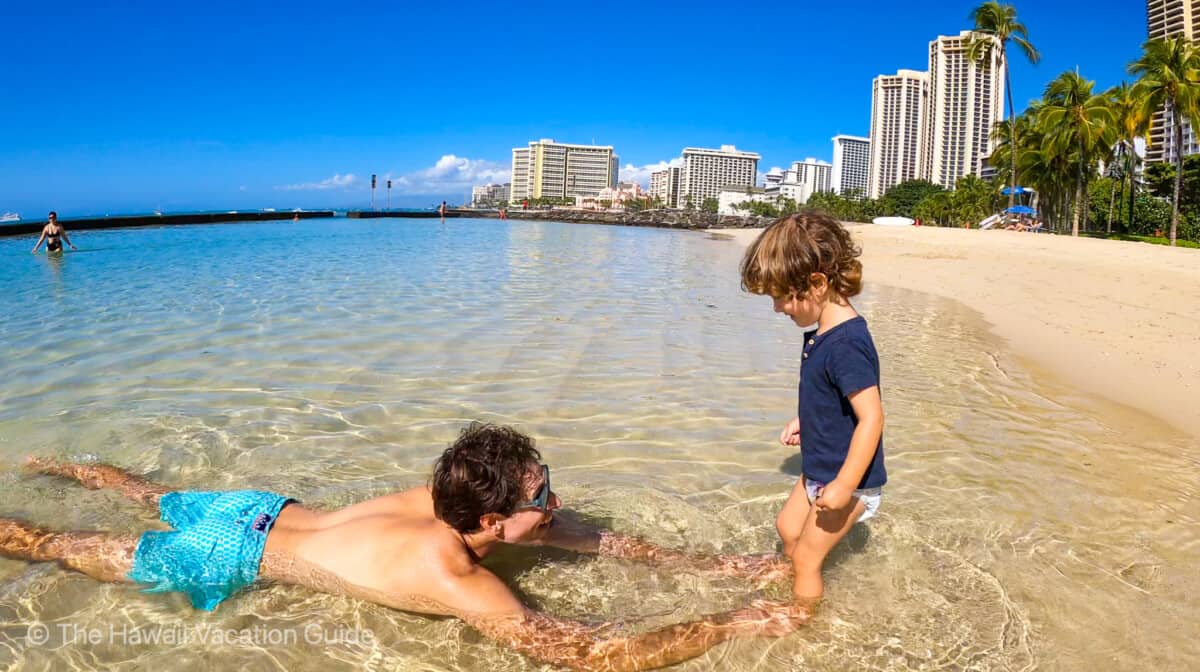
Deconstructing the Core Costs of Your Hawaiian Adventure
To effectively budget for your Hawaii trip, it’s crucial to analyze the primary expenditure categories. Each element contributes significantly to the total cost and can vary wildly depending on your choices.
Flights: Your Gateway to Paradise
Airfare is often the first and most substantial expense for travelers heading to Hawaii. Given the considerable distance from the mainland United States or international origins, flights can easily consume a large portion of your budget.
- Factors Affecting Price:
- Departure City: Major hubs like Los Angeles, San Francisco, Seattle, or Phoenix often offer more direct flights and competitive pricing compared to smaller airports.
- Time of Year: Peak seasons, such as summer (June-August), winter holidays (December-January), and spring break (March-April), see significantly higher prices. Traveling during the shoulder seasons (April-May, September-November) can yield better deals.
- Booking Window: Generally, booking 3-6 months in advance for international travelers and 1-3 months for domestic travelers can secure better rates. Last-minute bookings are rarely cost-effective.
- Airline Choice: Budget carriers like Southwest Airlines sometimes offer competitive fares, while full-service airlines like Hawaiian Airlines, United Airlines, Delta Air Lines, and Alaska Airlines might include checked bags or in-flight entertainment, which can add value.
- Flexibility: Being flexible with your travel dates, even by a day or two, can sometimes save hundreds of dollars.
- Estimated Costs: For a round-trip economy flight from the West Coast to Honolulu (Oahu) or Kahului (Maui), expect to pay anywhere from $400 – $800 per person during off-peak times, potentially rising to $800 – $1,500+ during peak season. Flights from the East Coast will typically be more, ranging from $700 – $1,200 off-peak and $1,200 – $2,000+ peak. These estimates do not include inter-island flights, which usually add another $50 – $150 per leg.
Accommodation: Your Home Away From Home
Where you choose to lay your head significantly impacts your budget. Hawaii accommodation options range from sprawling luxury resorts to cozy vacation rentals and budget-friendly hotels.
- Types of Accommodation:
- Luxury Resorts: Brands like Four Seasons, Ritz-Carlton, or Grand Hyatt offer unparalleled amenities, concierge services, and prime beachfront locations. Expect to pay $500 – $1,500+ per night, plus resort fees and taxes.
- Mid-Range Hotels: Popular chains such as Marriott, Hilton, or local boutique hotels provide comfortable stays with good amenities. Prices typically range from $250 – $500 per night.
- Budget Hotels/Hostels: Options are limited, especially outside of Honolulu. Hostels can be found for $50 – $100 per night for a bunk bed, while basic hotel rooms might start around $150 – $250 per night.
- Vacation Rentals (Airbnb, Vrbo): Airbnb and Vrbo offer apartments, condos, and houses, which can be a cost-effective choice for families or longer stays, especially if you plan to cook. Prices vary widely from $150 – $800+ per night, depending on size, location, and amenities. Be mindful of cleaning fees and local taxes.
- Island Variations: Oahu (especially Waikiki) and Maui tend to have the highest accommodation costs, while the Big Island and Kauai might offer slightly more moderate options, though still pricey.
- Estimated Costs: For a week-long stay, a budget traveler might spend $1,050 – $1,750, a mid-range traveler $1,750 – $3,500, and a luxury traveler $3,500 – $10,500+. Remember to factor in resort fees, which can add $30-$50 per night.
Transportation: Navigating the Islands
While some islands are more walkable or have decent public transit, renting a car is almost essential for exploring most of Hawaii’s natural wonders, especially outside of Waikiki.
- Rental Cars: Car rental prices have fluctuated significantly in recent years. Expect to pay $50 – $150 per day, depending on the vehicle type, season, and how far in advance you book. Don’t forget insurance, parking fees (often $25-$50 per night at hotels), and gas, which is more expensive in Hawaii than on the mainland.
- Public Transportation: Oahu has “TheBus,” a comprehensive system, but it’s slow and doesn’t reach all tourist spots efficiently. Other islands have limited or no public transit options for visitors.
- Ride-Sharing/Taxis: Uber and Lyft are available in major areas but can quickly add up, especially for longer distances or airport transfers. Taxis are generally more expensive.
- Inter-Island Flights: If you plan to visit multiple islands, factor in additional flights. These typically cost $50 – $150 per leg with carriers like Hawaiian Airlines or Mokulele Airlines.
- Estimated Costs: For a week-long trip, budgeting $350 – $1,050 for a rental car (excluding gas and parking) is reasonable. If relying solely on public transit and occasional ride-shares in a concentrated area like Waikiki, you might spend $100 – $300.
Food & Dining: A Taste of Aloha
Dining in Hawaii can be a delightful experience, but it also comes at a premium due to shipping costs.
- Eating Out:
- Fine Dining: High-end restaurants can easily cost $80 – $200+ per person for dinner, excluding drinks and tip.
- Mid-Range Restaurants: A meal at a casual sit-down restaurant might be $25 – $50 per person.
- Casual Eateries/Food Trucks: Local plate lunches, poke bowls, and food truck meals are more affordable, typically $10 – $20 per person.
- Groceries: If you have access to a kitchen (e.g., in a vacation rental), buying groceries can significantly reduce food costs. Costco and local supermarkets offer options, but prices are still higher than on the mainland.
- Alcohol: Be prepared for higher prices for alcoholic beverages, especially in restaurants and bars.
- Estimated Costs (per person, per day):
- Budget Traveler: Cooking most meals, occasional food trucks: $40 – $60
- Mid-Range Traveler: Mix of cooking, casual eateries, a few mid-range restaurants: $70 – $100
- Luxury Traveler: Dining out for most meals, including fine dining: $120 – $200+
Activities & Entertainment: Experiencing Island Life
From surfing lessons to historical tours, Hawaii offers a wealth of activities. These can quickly add up, but many natural attractions are free.
- Free Activities: Hiking (e.g., Diamond Head trail, Manoa Falls), swimming at public beaches, snorkeling from shore, watching sunsets.
- Paid Activities:
- Snorkeling/Diving Tours: $70 – $150+
- Surfing Lessons: $70 – $120+
- Luau (traditional Hawaiian feast): $100 – $200+ per person
- Helicopter Tours: $200 – $600+ (depending on duration and island)
- Boat Cruises/Catamaran Sails: $70 – $150+
- Entrance Fees: Attractions like Pearl Harbor (free entry to memorial, paid for museums/submarines), Haleakala National Park (entry fee), Volcanoes National Park (entry fee).
- Estimated Costs (per person, per day): This is highly variable, but a good general estimate for a mix of free and paid activities is $50 – $150 per day.
Budgeting for Different Travel Styles
The total cost of your Hawaii vacation will ultimately depend on your preferred level of comfort and how you choose to spend your money. Here’s a breakdown for different travel styles for a typical 7-day trip for two people.
The Budget-Conscious Traveler
For those looking to experience Hawaii without breaking the bank, strategic planning is key.
- Flights: Look for deals during shoulder seasons, fly into less popular airports if feasible, and be flexible with dates.
- Accommodation: Opt for hostels, budget hotels, or shared Airbnb rooms. Consider staying slightly inland from prime beach areas.
- Transportation: Rely on public transport where available (mainly Oahu), walk, or rent a car for just a few days instead of the whole trip. Carpool with other travelers if possible.
- Food: Cook most meals in a rental kitchen, enjoy local plate lunches, food trucks, and grocery store picnics.
- Activities: Focus on free natural attractions like beaches, hikes, and scenic drives.
- Estimated Total (7 days, 2 people): $3,000 – $5,000 ($1,500 – $2,500 per person)
The Mid-Range Explorer
This traveler seeks a comfortable yet sensible experience, balancing amenities with cost-effectiveness.
- Flights: Book 2-4 months in advance, fly mid-week, and consider package deals that include airfare and hotel.
- Accommodation: Stay in 3-star hotels or well-rated vacation rentals with good amenities.
- Transportation: Rent a car for the duration of the trip to explore freely.
- Food: Enjoy a mix of cooking, casual restaurants, and a few nicer dining experiences.
- Activities: Include a few paid excursions like a snorkeling tour, a luau, or a guided hike, alongside free activities.
- Estimated Total (7 days, 2 people): $5,500 – $9,000 ($2,750 – $4,500 per person)
The Luxury Indulger
For those who want to experience the best Hawaii has to offer without compromise.
- Flights: First-class or business-class airfare. Direct flights preferred.
- Accommodation: Stay at 4-5 star resorts with ocean views, spa services, and fine dining options. Consider properties like Aulani, a Disney Resort & Spa on Oahu or the Grand Hyatt Kauai Resort & Spa.
- Transportation: Premium rental cars, private transfers, or even chauffeur services. Helicopter tours for scenic views.
- Food: Exclusively dine at high-end restaurants, indulge in gourmet experiences, and enjoy resort dining.
- Activities: Private tours, sunset cruises, helicopter tours, exclusive spa treatments, and premium golf experiences.
- Estimated Total (7 days, 2 people): $10,000 – $25,000+ ($5,000 – $12,500+ per person)
Smart Strategies for Saving Money on Your Hawaii Trip
While Hawaii can be expensive, there are many ways to make your dream vacation more affordable without sacrificing the experience.
When to Visit: Timing Your Trip for Savings
- Shoulder Seasons: As mentioned, late spring (April-May) and early fall (September-November) offer a sweet spot. The weather is fantastic, crowds are thinner, and prices for flights and accommodation are generally lower than peak periods.
- Avoid Holidays: Major holidays like Christmas, New Year’s, Thanksgiving, Easter, and Spring Break drive up demand and prices significantly.
- Mid-Week Travel: Flying on Tuesdays, Wednesdays, or Saturdays can often be cheaper than on other days.
Choosing the Right Island: Each Has a Different Price Tag
Each of the main Hawaiian Islands offers a unique experience and comes with a slightly different cost profile.
- Oahu: Often the cheapest to fly into, offering the most budget accommodation and food options, especially around Honolulu and Waikiki. Public transportation is also best here.
- Maui: Generally considered more upscale and expensive, with a focus on luxury resorts and high-end dining.
- Kauai: Can be pricey for accommodation but offers many free natural attractions and a more laid-back vibe.
- Big Island (Hawaii Island): Offers a mix, with some very affordable options in Kailua-Kona and Hilo, and a wide range of activities like Volcanoes National Park.
- Consider Multi-Island Hopping Carefully: While tempting, inter-island flights, and the need for new rental cars and accommodations on each island, can quickly inflate your budget. Focus on one or two islands for a shorter trip.

Smart Booking Strategies: Plan Ahead and Hunt for Deals
- Book Flights and Accommodation in Advance: Especially for peak season, locking in prices early can save you a lot.
- Bundle Deals: Check for package deals that combine flights and hotels. Travel agencies and websites often offer competitive rates when booked together.
- Use Credit Card Rewards/Airline Miles: If you have accumulated points or miles, Hawaii is an excellent destination to redeem them for flights or hotel stays.
- Consider Vacation Rentals: Airbnb or Vrbo can be more economical than hotels, especially for groups or families, and often come with kitchens, allowing for self-catering.
- Look for Deals and Discounts: Sign up for newsletters from airlines, hotels, and travel sites that often announce flash sales or special promotions.
Self-Catering and Local Eats: Savvy Dining Choices
- Utilize Kitchens: If your accommodation has a kitchen or kitchenette, make use of it. Purchase groceries from local supermarkets or Costco for breakfast, snacks, and some dinners.
- Embrace Food Trucks and Plate Lunches: Hawaii is famous for its diverse food trucks and local plate lunch spots, offering delicious and affordable meals. This is also a great way to experience authentic Hawaiian cuisine like lau lau or kalua pork.
- Happy Hour Deals: Many restaurants offer discounted drinks and appetizers during happy hour, a great way to enjoy nicer establishments at a lower cost.
- Pack Snacks and Drinks: Bring reusable water bottles and pack some non-perishable snacks from home to avoid overpaying at convenience stores or tourist traps.
Embrace Free Activities: Nature’s Playground
Hawaii’s greatest treasures are often free.
- Beach Hopping: Spend your days relaxing on iconic beaches like Lanikai Beach on Oahu or Ka’anapali Beach on Maui.
- Hiking: Explore a vast network of trails, from easy coastal walks to challenging volcanic ascents. Some popular options include the Diamond Head Summit Trail or the Pipiwai Trail along the Road to Hana.
- Snorkeling from Shore: Many beaches offer excellent snorkeling right from the sand; just bring your own gear.
- Sunrise/Sunset Views: Catch breathtaking sunrises from places like Haleakala and stunning sunsets from nearly any western-facing beach.
- Window Shopping and Strolling: Enjoy the ambiance of local towns and markets without necessarily spending.
Ultimately, the cost of a vacation to Hawaii is what you make of it. With careful planning, strategic choices, and a willingness to explore beyond the most obvious tourist traps, you can tailor an unforgettable Hawaiian experience that fits your budget. While it may require a higher investment than many other destinations, the unparalleled beauty, vibrant culture, and unique experiences of the Aloha State make it a truly worthwhile dream destination for any traveler.
LifeOutOfTheBox is a participant in the Amazon Services LLC Associates Program, an affiliate advertising program designed to provide a means for sites to earn advertising fees by advertising and linking to Amazon.com. Amazon, the Amazon logo, AmazonSupply, and the AmazonSupply logo are trademarks of Amazon.com, Inc. or its affiliates. As an Amazon Associate we earn affiliate commissions from qualifying purchases.