
Venturing through the scenic landscapes, vibrant cities, and historical sites of Alabama offers an enriching travel experience. From the bustling streets of Birmingham to the serene beaches of Gulf Shores and Orange Beach, the Heart of Dixie beckons with diverse attractions. However, a crucial aspect often overlooked in travel planning is the impact of local sales tax on your overall budget. Understanding Alabama’s sales tax structure is vital for any traveler looking to manage expenses effectively and avoid unexpected costs. Unlike some states with a flat sales tax rate, Alabama operates a layered system that combines state, county, and city taxes, leading to significant variations depending on your exact location. This guide will help you navigate the intricacies of Alabama sales tax, ensuring a smoother and more predictable financial journey through the state.
Decoding Alabama’s Sales Tax System for Travelers
Alabama’s sales tax system is unique in its structure, presenting a patchwork of rates that can fluctuate dramatically from one jurisdiction to another. For travelers, this means the cost of a souvenir, a meal, or even a basic necessity can vary based on whether you’re shopping in a major metropolitan area or a quaint rural town. A comprehensive understanding of these layers is the first step towards accurate budgeting for your Alabama adventure.
The Statewide Rate: A Baseline for Your Budget
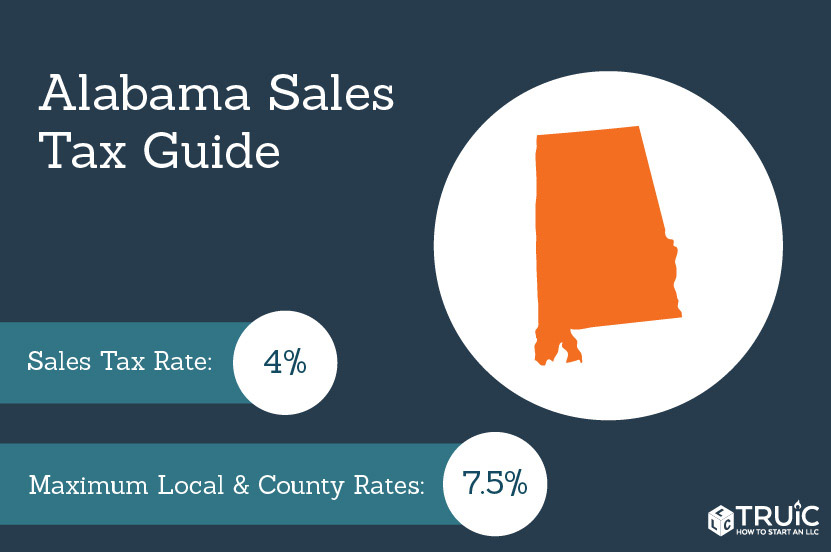
At the foundation of Alabama’s sales tax is the state rate, which currently stands at 4%. This rate applies uniformly across all purchases subject to sales tax throughout the state, serving as the constant in an otherwise variable system. While 4% might seem modest on its own, it’s crucial to remember that this is merely the starting point. All local taxes are added on top of this state rate, making the cumulative percentage considerably higher in most areas. For travelers planning their budgets, mentally allocating an additional 4% for most taxable purchases is a good initial baseline, but always prepare for higher final figures due to local additions.
The Local Variable: How County and City Taxes Affect Your Wallet
The real complexity and variability in Alabama’s sales tax environment come from county and city levies. Each county in Alabama is authorized to impose its own sales tax, which typically ranges from 0.5% to 5%. Furthermore, nearly every incorporated city or town within those counties also has the authority to assess an additional sales tax, frequently ranging from 1% to 6%. This means that when you purchase an item, you are paying the state tax, plus the county tax, plus the city tax (if applicable). This triple-tiered system creates a wide spectrum of effective sales tax rates across the state. For instance, a purchase made just outside city limits in an unincorporated county area will likely incur a lower total sales tax than the exact same purchase made within the bustling downtown of a major city in the same county. This local variability underscores the importance of being aware of your specific location when making purchases, especially significant ones.
Understanding Combined Rates: What You Really Pay
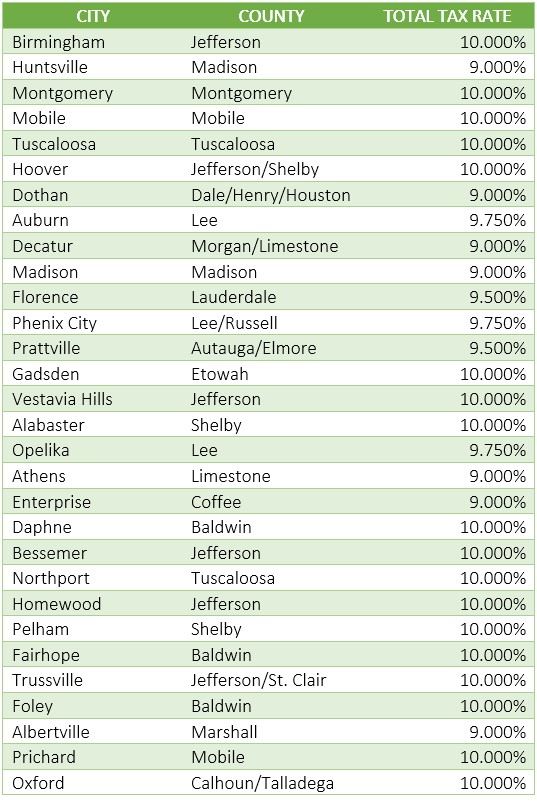
To illustrate the practical impact on a traveler’s budget, let’s consider a few examples of combined sales tax rates in popular Alabama destinations. While the state rate remains constant at 4%, the local rates dramatically alter the final price.
For example:
- In Birmingham, the city sales tax is 6% and the Jefferson County sales tax is 4%, leading to a combined rate of 14% (4% state + 4% county + 6% city).
- In Mobile, the city sales tax is 5% and the Mobile County sales tax is 2.5%, resulting in a combined rate of 11.5% (4% state + 2.5% county + 5% city).
- In Huntsville, the city sales tax is 5% and the Madison County sales tax is 2%, totaling a combined rate of 11% (4% state + 2% county + 5% city).
- Even in popular coastal areas like Gulf Shores, the city sales tax is 5% and the Baldwin County sales tax is 2%, resulting in an 11% combined rate.
These examples clearly demonstrate that the final sales tax rate can range from approximately 8% in some less populous areas to as high as 14% in major urban centers. Such significant variations necessitate proactive research for travelers, particularly those planning to make substantial purchases or with a tight budget. Always check the specific combined rate for the city and county you plan to visit to accurately estimate your total costs.
Sales Tax on Common Travel Expenses in the Heart of Dixie
Understanding the combined sales tax rate is one thing, but knowing what those taxes apply to is equally important for travelers navigating their expenses in Alabama. From dining experiences to retail therapy and cultural excursions, various aspects of your trip will be subject to these levies.
Dining Out and Groceries: Fueling Your Alabama Adventures
Food is a significant part of any travel experience, and Alabama’s culinary scene, from barbecue joints to fresh seafood, is a major draw. When dining out at restaurants, the full combined sales tax rate of the location you are in will apply to your entire bill. This includes not only the cost of the food and beverages but also any service charges. This can add a substantial percentage to your dining expenses, especially in high-tax areas like Birmingham.
For travelers opting to prepare some of their own meals, especially those staying in accommodations with kitchens, understanding grocery tax is also important. In Alabama, groceries are subject to sales tax, though the state portion of the tax on food items has historically been lower than the general sales tax, and efforts have been made to reduce or eliminate it further. While the state rate on most groceries is 4%, local taxes (county and city) are typically applied at their full general sales tax rate to groceries. This means that while the state component might be lower, your total tax on grocery purchases will still include significant local taxes, making even a trip to the supermarket more expensive than in states with no sales tax on food.
Souvenirs and Retail Therapy: Bringing Home a Piece of Alabama
Whether you’re picking up a t-shirt from the University of Alabama bookstore, a handcrafted item from a local artisan market, or a piece of locally made pottery, retail purchases are fully subject to the combined state and local sales tax rates. This is where the higher combined rates in metropolitan areas like Birmingham or Mobile can add a notable amount to your total spending. If you’re planning on doing extensive shopping or purchasing high-value items, factor in the specific sales tax rate of your shopping destination. For example, a $100 souvenir could cost you an additional $14 in a 14% tax zone.
Admissions and Activities: Experiencing Alabama’s Attractions
Entry fees for museums, historical sites, amusement parks, concerts, and other entertainment venues are generally subject to sales tax in Alabama. This means that the advertised price for a ticket to the U.S. Space & Rocket Center in Huntsville or a historical tour in Montgomery will have the local combined sales tax added at the point of purchase. For families or groups visiting multiple attractions, these accumulated taxes can quickly add up, so it’s wise to consider this when budgeting for your itinerary. Always check if the listed price for an attraction includes or excludes sales tax when planning.
Lodging and Rental Cars: Beyond Standard Sales Tax
While often confused with general sales tax, lodging (hotel/motel) taxes and rental car taxes are typically separate levies in Alabama.
- Lodging Tax: Hotels, motels, short-term rentals, and other accommodations are subject to a state lodging tax, currently 5%. However, similar to sales tax, counties and cities also impose their own additional lodging taxes. These local lodging taxes can be quite high, sometimes reaching an additional 10% to 15% or more, resulting in total accommodation taxes that can be 15-20% or even higher in popular tourist areas. These are separate from general sales tax and apply specifically to your room rate.
- Rental Cars: Car rentals are also subject to specific rental taxes in addition to the standard sales tax on the rental transaction itself. Alabama levies a 1.5% tax on automobile rentals, plus local city and county taxes can also apply. This means the base rental fee, plus any additional services (like GPS or insurance), will have both general sales tax and specific rental taxes applied.
It’s crucial for travelers to understand that while sales tax applies to many aspects of their trip, lodging and rental cars have their own distinct tax structures that need to be accounted for in budget planning. Always scrutinize your booking confirmations and rental agreements for a full breakdown of all applicable taxes and fees.
Strategic Budgeting: Minimizing Your Sales Tax Impact on an Alabama Vacation
Savvy travelers know that a well-planned budget is key to an enjoyable trip. In Alabama, where sales tax rates vary widely, strategic budgeting can help you mitigate the impact of these levies on your overall vacation expenses.
Researching Local Rates Before You Go
The most effective strategy is proactive research. Before you embark on your Alabama journey, take a few moments to look up the combined sales tax rates for the specific cities and counties you plan to visit. Many municipal and county government websites publish their tax rates, and several online resources also compile this information. Knowing that Birmingham has a 14% combined rate while a neighboring town might have 10% could influence where you decide to make significant purchases or even dine out. This foresight allows you to allocate funds more accurately and avoid sticker shock at the register.
Exploring Tax-Exempt Purchases or Services
While general sales tax applies broadly to tangible goods, some specific services or goods may be exempt. For example, professional services (like medical services, legal advice, or certain repairs) are typically not subject to sales tax. While less common for the average tourist, understanding potential exemptions can sometimes be beneficial, especially for business travelers. It’s also worth noting that non-profit organizations or government entities may have specific tax exemptions, though this is usually not relevant for individual travelers making retail purchases. For the most part, assume retail goods, prepared food, and admissions will be taxed.
Planning Around Potential Sales Tax Holidays
Occasionally, Alabama offers sales tax holidays, primarily for back-to-school items or severe weather preparedness items. During these specific, limited periods, certain categories of goods are exempt from state and sometimes local sales taxes. While these holidays are usually brief and tied to very specific item lists (e.g., clothing, school supplies under a certain price point), if your travel dates happen to coincide with one, and you were planning to purchase qualifying items, you could realize significant savings. Keep an eye on the Alabama Department of Revenue website for announcements regarding any upcoming sales tax holidays. For most general travel purchases, however, these holidays are usually not applicable.
The Importance of Itemized Receipts for Budget Tracking
Always request and keep itemized receipts for your purchases. This is not only good practice for general budget tracking but also allows you to see the exact amount of sales tax you paid on each transaction. By reviewing your receipts, you can identify where you are spending the most on taxes and adjust your spending habits if necessary. It provides clarity and helps you maintain control over your vacation finances, allowing you to focus more on enjoying the vibrant culture and attractions that Alabama has to offer.
Key Alabama Destinations and Their Sales Tax Impact
As highlighted, the sales tax rate in Alabama is not uniform, making it essential for travelers to be aware of the specific rates in the popular destinations they plan to visit. This awareness directly impacts the cost of everything from dining to souvenir shopping.
Birmingham: Urban Exploration and Retail
As Alabama’s largest city, Birmingham is a hub for culture, cuisine, and retail. However, it also boasts one of the highest combined sales tax rates in the state, often reaching 14%. This rate applies to nearly all purchases made within the city, including meals at its acclaimed restaurants, admission to attractions like the Birmingham Civil Rights Institute, and any shopping sprees. Travelers exploring Birmingham should factor this higher tax rate into their daily spending to avoid overshooting their budget, especially if planning on significant retail purchases or frequent dining out.
Mobile: Coastal Charm and Mardi Gras
Mobile, with its rich history, vibrant Mardi Gras traditions, and proximity to the Gulf Coast, is another popular destination. The combined sales tax rate in Mobile typically stands at 11.5%. While slightly lower than Birmingham, it’s still a considerable percentage that will be added to your purchases of fresh seafood, historical tours, or unique local crafts. When enjoying the waterfront or exploring the city’s charming downtown, remember that your purchases will reflect this local tax structure.
Huntsville: Space and Innovation
Known as “Rocket City,” Huntsville is a draw for science enthusiasts and families, primarily due to the U.S. Space & Rocket Center. The combined sales tax rate in Huntsville is generally 11%. This rate will apply to your admission tickets to the space center, any souvenirs from the gift shop, and meals enjoyed throughout the city. While exploring Huntsville’s innovative attractions, keeping the 11% tax in mind will ensure your budget aligns with your spending, especially for family trips where multiple tickets and meals can quickly add up.
Gulf Shores & Orange Beach: Beach Getaways
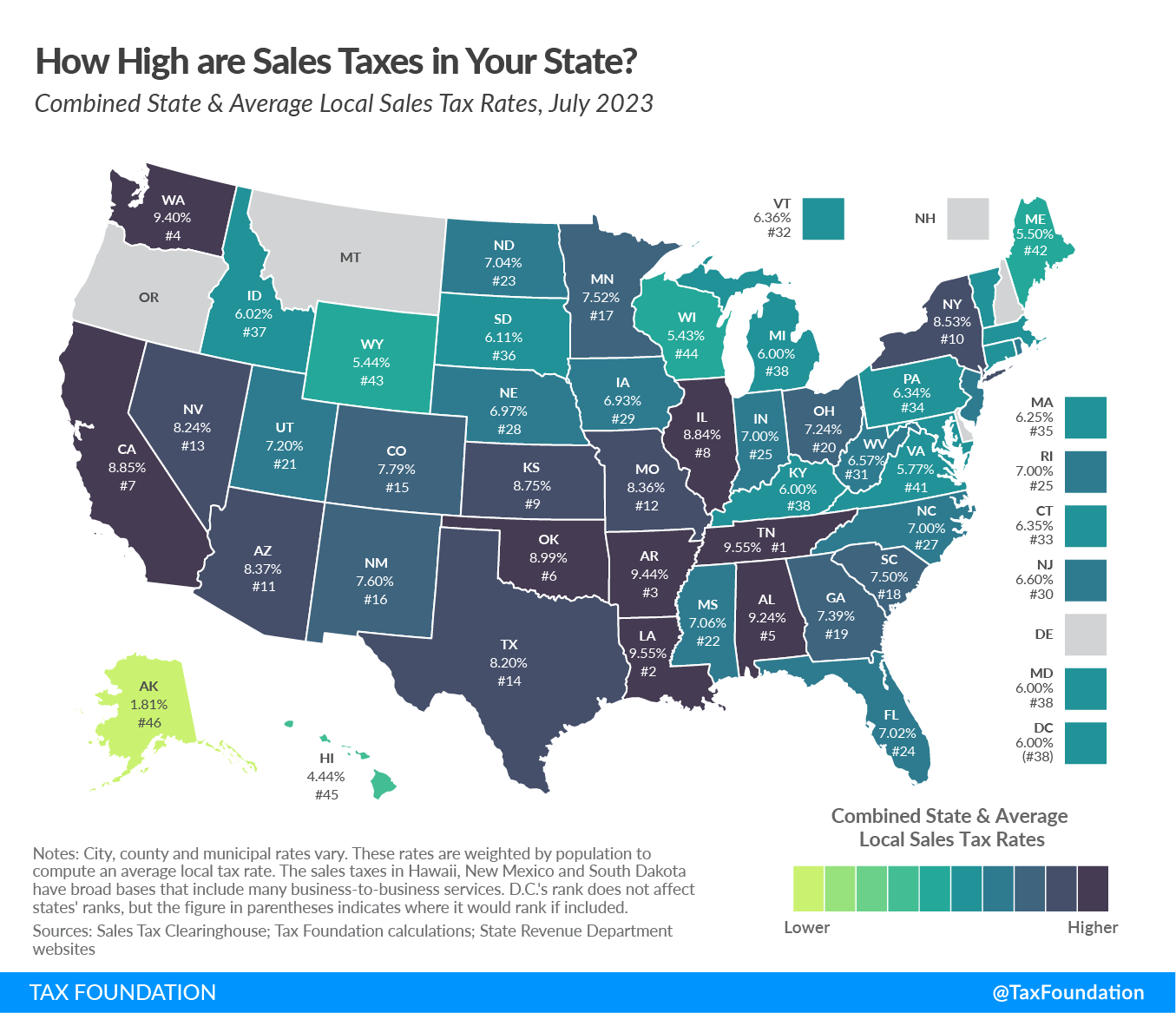
For those seeking sun and sand, the sister cities of Gulf Shores and Orange Beach on the Alabama Gulf Coast are premier destinations. Both cities typically have a combined sales tax rate of 11%. This rate will apply to purchases made at beachside shops, fresh seafood markets, and local restaurants. While lodging taxes are a separate and often higher consideration in these tourist-heavy areas, the general sales tax still impacts your daily expenses for food, beach gear, and entertainment. Being aware of the 11% general sales tax, in addition to specific lodging and resort fees, is key to a financially stress-free beach vacation.
By understanding these regional differences, travelers can more effectively plan their Alabama itinerary and budget, allowing them to fully immerse themselves in the state’s unique charm without financial surprises.
LifeOutOfTheBox is a participant in the Amazon Services LLC Associates Program, an affiliate advertising program designed to provide a means for sites to earn advertising fees by advertising and linking to Amazon.com. Amazon, the Amazon logo, AmazonSupply, and the AmazonSupply logo are trademarks of Amazon.com, Inc. or its affiliates. As an Amazon Associate we earn affiliate commissions from qualifying purchases.