
Navigating the labyrinthine costs of renting an apartment in New York City is a rite of passage for many, a true test of financial fortitude and strategic searching. The iconic skyline, the unparalleled cultural tapestry, and the sheer energy of the city draw millions, but this magnetic pull comes with a price tag that is consistently among the highest in the nation, and indeed, the world. Understanding these costs requires a nuanced approach, delving into the myriad factors that influence rental prices, from neighborhood desirability and apartment size to amenities and the ever-fluctuating market dynamics.
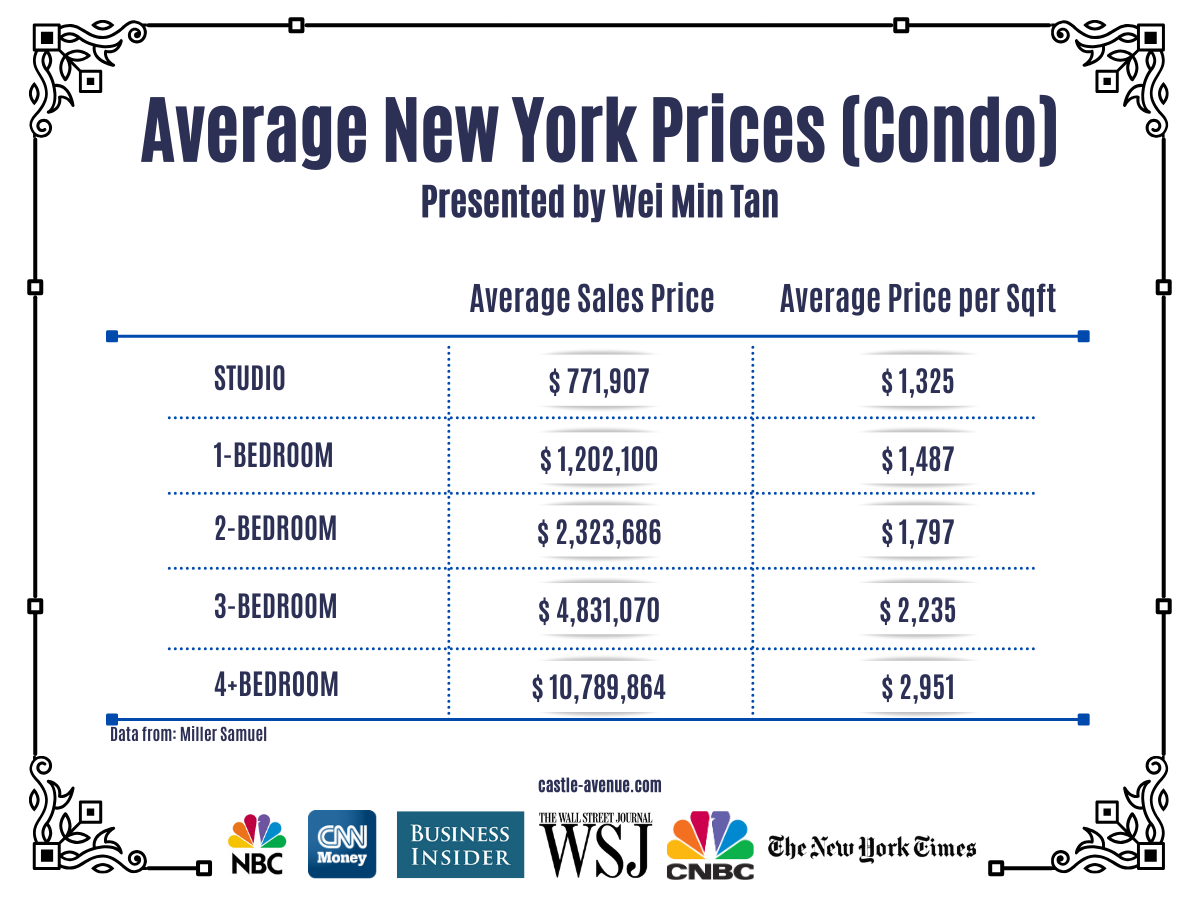
The Median Rent: A Starting Point for Understanding
The most frequently cited metric for understanding apartment costs in New York City is the median rent. This figure represents the midpoint of all rental prices, meaning half of apartments rent for more, and half rent for less. While a useful benchmark, it’s crucial to remember that the median can mask significant disparities across boroughs and even within neighborhoods.
Borough-Specific Averages
The sheer scale of New York City means that rental prices can vary dramatically from one borough to another.
- Manhattan: Unsurprisingly, Manhattan consistently commands the highest rents. Its status as the global financial center, a hub for arts and culture, and its dense population drive demand to astronomical levels. A studio apartment in a desirable Manhattan neighborhood can easily exceed $3,000 per month, while a two-bedroom can soar past $6,000, and luxury penthouses can reach tens of thousands. Neighborhoods like the Upper East Side, Greenwich Village, and parts of Downtown like the Financial District are at the apex of this cost spectrum.
- Brooklyn: Once considered the more affordable alternative to Manhattan, Brooklyn has seen its rents skyrocket in recent years, particularly in trendy neighborhoods like Williamsburg, DUMBO, and parts of Park Slope. While still generally less expensive than Manhattan, a one-bedroom in a desirable Brooklyn area can easily be $3,000 to $4,000 or more. However, further east and south in Brooklyn, more affordable options can be found.
- Queens: This sprawling borough offers a wider range of price points. Neighborhoods like Long Island City have experienced significant development and rising rents, often rivaling some Brooklyn prices. However, areas like Jackson Heights, Astoria, and further reaches of Queens can offer more budget-friendly options, with studios and one-bedrooms sometimes dipping below $2,000.
- The Bronx: Historically the most affordable of the five boroughs, The Bronx is seeing an increase in rental demand, but it still offers some of the most accessible price points in New York City. Areas like Riverdale and parts of the South Bronx can provide a more attainable entry point for renters.
- Staten Island: The least densely populated borough, Staten Island generally offers the lowest rental costs. Commuting to Manhattan can be a significant factor for renters here, but for those seeking more space and lower prices, it remains a viable option.
Apartment Size and Type
The size of an apartment is a primary determinant of its cost.
- Studios: These are typically the most affordable option, offering a single living space that combines the bedroom, living room, and sometimes even the kitchen.
- One-Bedroom Apartments: These offer a separate bedroom and living area, a popular choice for individuals and couples.
- Two-Bedroom and Larger Apartments: As the number of bedrooms increases, so does the price, reflecting the additional space and suitability for families or roommates.
- Multi-Bedroom Units: For larger groups, apartments with three or more bedrooms exist, though they become increasingly rare and expensive.
The definition of “bedroom” in New York City can also be a point of contention, with some listings employing creative interpretations of the term.
Beyond the Base Rent: Additional Costs to Consider
The advertised monthly rent is just the tip of the iceberg. Several other significant expenses must be factored into the total cost of renting an apartment in New York City.
Broker Fees
In a highly competitive market, many apartments are accessed through real estate brokers. It is common for renters to pay a broker fee, which can range from one month’s rent to a staggering 15% of the annual rent. This fee is typically paid by the renter, even if the landlord initially listed the apartment. Understanding who is paying the fee (landlord or tenant) is crucial during the negotiation process.
Security Deposit and First Month’s Rent
Landlords typically require a security deposit, usually equivalent to one month’s rent, to cover potential damages. Additionally, you’ll almost always need to pay the first month’s rent upfront. This means having funds ready for at least two months’ rent before even moving in, and potentially more if a broker fee is involved.
Utilities
The cost of utilities can vary significantly depending on the apartment, building, and usage habits.
- Electricity and Gas: These are typically the renter’s responsibility and can fluctuate based on season (higher heating costs in winter, higher cooling costs in summer) and appliance efficiency.
- Heat and Hot Water: In many older buildings, heat and hot water are included in the rent. However, in newer constructions or apartments with individual heating systems, these may be separate costs.
- Internet and Cable: These are almost always the renter’s responsibility and vary based on service provider and package chosen.
Amenities and Building Services
The presence of desirable amenities can significantly inflate rental prices.
- Doorman/Concierge: A full-time doorman or concierge service offers security and convenience but comes with a premium.
- Gym and Pool: Access to on-site fitness centers and swimming pools is a highly sought-after amenity that adds to the monthly cost.
- Laundry Facilities: While some apartments have in-unit laundry, many rely on communal laundry rooms, which may have associated fees per use.
- Outdoor Space: A balcony, patio, or access to a shared rooftop or garden is a significant draw and often commands higher rents.
- Pet Fees: Many buildings have specific fees or monthly charges for pets.
Transportation Costs
While not directly part of the rent, the cost of commuting to work or other destinations is a crucial consideration. Proximity to MTA subway lines, bus routes, and commuter rail stations can impact both rental prices and daily expenses. Living further from major transit hubs might offer lower rent but higher transportation costs and longer commute times.

Factors Influencing Rental Prices
Beyond the basic square footage and number of bedrooms, several other factors contribute to the cost of an apartment.
Neighborhood Desirability
This is arguably the most significant driver of rent prices. Neighborhoods with low crime rates, excellent schools, vibrant dining and nightlife scenes, proximity to parks, and easy access to public transportation are in high demand, thus commanding premium prices. Areas undergoing gentrification often see rapid rent increases as new developments and businesses arrive.
Building Age and Condition
Brand new buildings with modern finishes and state-of-the-art amenities often charge more than older buildings. However, well-maintained pre-war buildings in prime locations can also be very expensive, offering unique architectural charm and spacious layouts. The overall condition of the building, including maintenance and management responsiveness, plays a role.
Proximity to Transportation
Apartments located near major subway lines or commuter train stations are generally more desirable and therefore more expensive. The convenience of a short commute is a significant selling point in a city where time is often a precious commodity.
Market Trends and Seasonality
The rental market in New York City is subject to fluctuations. Rents tend to be higher during the summer months (May through August) when demand is strongest, as families move before the school year begins and many young professionals relocate for jobs. The winter months can sometimes see a slight dip in prices, offering a potential window for negotiation.
Lease Terms and Negotiation
The length of the lease can sometimes impact the price. Landlords may offer slightly lower rents for longer lease terms (e.g., 18 or 24 months) as it provides them with greater stability. Negotiation is always a possibility, especially in a softer market or if an apartment has been vacant for some time. Understanding market comparables and being prepared to articulate your value as a tenant can be beneficial.
Tips for Finding an Affordable Apartment
While New York City is undeniably expensive, there are strategies renters can employ to find more affordable options.
Explore Outer Boroughs and Less Trendy Neighborhoods
Consider areas in Queens, The Bronx, or eastern Brooklyn that may not be in the immediate spotlight but offer good value and access to MTA transit. Research up-and-coming neighborhoods that are still relatively affordable but show promise for future development.
Be Flexible with Amenities
If a doorman, gym, or in-unit laundry isn’t a necessity, you can significantly reduce your costs by opting for buildings that don’t offer these features. Consider apartments that are a short walk from public transportation rather than directly on top of a major hub.
Consider Roommates
Sharing an apartment with roommates is a common and highly effective way to split the costs of rent and utilities. This allows individuals to live in more desirable neighborhoods or larger apartments than they could afford alone.
Look for “No-Fee” Apartments
While they can be harder to find, “no-fee” apartments mean you won’t have to pay a broker fee, saving you a substantial upfront cost. These are often listed directly by landlords or by building management companies.

Act Quickly and Be Prepared
In a competitive market, having your documentation (proof of income, credit score, references) in order and being ready to put down a deposit immediately can give you an edge when you find the right place.
In conclusion, the cost of an apartment in New York City is a complex equation with numerous variables. While the city’s allure remains undeniable, a thorough understanding of the market, a realistic assessment of personal finances, and a strategic approach to searching are essential for finding a place to call home.
LifeOutOfTheBox is a participant in the Amazon Services LLC Associates Program, an affiliate advertising program designed to provide a means for sites to earn advertising fees by advertising and linking to Amazon.com. Amazon, the Amazon logo, AmazonSupply, and the AmazonSupply logo are trademarks of Amazon.com, Inc. or its affiliates. As an Amazon Associate we earn affiliate commissions from qualifying purchases.