
Assisted living in Florida offers a compelling blend of independence and support for seniors who may need a little extra help with daily activities while still desiring a vibrant and engaging lifestyle. Understanding the financial landscape of assisted living is crucial for making informed decisions about long-term care. The Sunshine State presents a diverse range of options, each with its own cost structure, influenced by location, amenities, and the level of care provided. This guide delves into the average costs, the factors that drive them, and what you can expect from assisted living communities across Florida.

Understanding the Costs of Assisted Living in Florida
The cost of assisted living in Florida is a multifaceted consideration, not a single, fixed price. On average, seniors can expect to pay anywhere from $2,500 to $5,500 per month for assisted living services. However, this range is broad, and many communities may fall outside these parameters depending on the specific services and location. It’s important to remember that this figure typically covers a private studio or one-bedroom apartment, along with a comprehensive suite of services designed to enhance quality of life and ensure safety.
Average Monthly Expenses
Breaking down the average monthly expenses provides a clearer picture:
- Base Rent/Accommodation: This is the core cost, covering the living space itself. This could be a private room, a shared apartment, or a more spacious suite, with prices varying accordingly.
- Personal Care Services: This is where a significant portion of the cost resides. It includes assistance with activities of daily living (ADLs) such as bathing, dressing, grooming, toileting, and medication management. The more assistance an individual requires, the higher this component will be.
- Dining Services: Most assisted living facilities offer three meals a day, often with snacks and beverages available. The quality and variety of dining options can influence the cost.
- Housekeeping and Laundry: Regular cleaning services and laundry assistance are usually included, contributing to the overall monthly fee.
- Activities and Social Programs: A robust calendar of social events, recreational activities, and wellness programs is a hallmark of quality assisted living. The cost of these programs is typically factored into the monthly rate.
- Transportation: Many communities offer transportation services for appointments, shopping, and outings, which is often included in the base price or available for an additional fee.
Factors Influencing the Price
Several key factors directly impact the monthly cost of assisted living in Florida:
Location, Location, Location
Geographic location plays a pivotal role. Major metropolitan areas and highly desirable coastal regions often command higher prices due to increased demand and higher operating costs. For instance, assisted living in areas like Miami-Dade County or along the Gulf Coast might be more expensive than in more rural or inland areas.
- Urban vs. Rural: Cities generally have higher costs of living, which translates to higher assisted living fees.
- Proximity to Attractions/Amenities: Communities located near popular attractions or amenities may also see slightly higher pricing.
Level of Care Required
The degree of assistance a resident needs is the most significant driver of cost. Assisted living communities typically categorize care needs into levels:
- Independent Living Plus/Basic Assistance: For individuals who primarily need help with a few ADLs or medication reminders.
- Moderate Assistance: For those who require more frequent support with several ADLs.
- Extensive Assistance: For residents needing significant help with most ADLs, often nearing the level of care found in skilled nursing facilities.
The more hands-on care required, the higher the monthly expense will be. This is often calculated on a tiered system or through a personal care plan assessment.
Type of Accommodation
The living space itself also influences the price:
- Private Room vs. Shared Room: A private room will naturally be more expensive than sharing a room with another resident.
- Studio vs. One-Bedroom/Two-Bedroom Apartment: Larger units with more living space and separate living/sleeping areas will cost more.
- Amenities within the Unit: Features like a private bathroom, a kitchenette, or a balcony can also affect pricing.
Included Services and Amenities
The breadth and quality of services and amenities offered by a community significantly impact its cost.
- Dining Options: Gourmet dining, special dietary accommodations, and flexible meal times can increase costs.
- On-Site Services: The presence of on-site medical professionals, therapy services, beauty salons, or convenience stores can contribute to higher fees.
- Activity Programs: Extensive and varied activity calendars, including specialized programs for memory care or therapeutic recreation, often come with a higher price tag.
- Technology and Safety Features: Advanced emergency response systems, smart home technology, or enhanced security measures can also influence pricing.
Facility Reputation and Age
Established communities with a strong reputation for quality care, excellent staff-to-resident ratios, and modern facilities may charge a premium. Newer facilities with state-of-the-art design and amenities can also be at the higher end of the price spectrum.
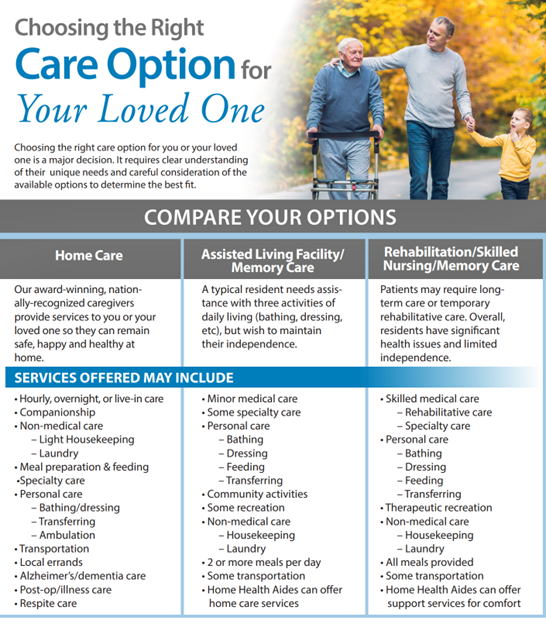
Financial Considerations and Payment Options
Navigating the financial aspects of assisted living requires a comprehensive understanding of available payment methods and potential cost-saving strategies. While private pay is the most common method, other avenues can help alleviate the financial burden for some individuals.
Private Pay
The majority of assisted living residents finance their care through private funds. This includes:
- Savings and Investments: Accumulated savings, stocks, bonds, and other investment vehicles are often used.
- Retirement Income: Pensions, Social Security benefits, and income from retirement accounts are common sources.
- Home Equity: Selling a home or utilizing a reverse mortgage can provide substantial funds for long-term care.
Long-Term Care Insurance
For those who planned ahead, long-term care insurance policies can be a valuable resource. These policies are designed to cover the costs of assisted living, nursing homes, and in-home care. It’s essential to review the policy details carefully to understand coverage limits, waiting periods, and specific services covered.
Medicare and Medicaid
- Medicare: Generally does not cover the costs of assisted living or custodial care, which are the primary services provided. It may cover short-term skilled nursing care or rehabilitation services if they are deemed medically necessary and received in a skilled nursing facility, not typically in an assisted living setting.
- Medicaid: In Florida, Medicaid does not directly pay for assisted living room and board. However, it may offer assistance through programs like the Home and Community-Based Services (HCBS) waiver, which can help cover the costs of personal care services received in an assisted living facility for eligible individuals. Eligibility for Medicaid is based on income and asset limits, and specific program rules apply.
Veterans Benefits
Eligible veterans and their surviving spouses may qualify for benefits like the Aid and Attendance (A&A) pension. This is a needs-based benefit that can help pay for assisted living care, home care, or other healthcare costs that are not covered by other benefits.
Other Potential Resources
- Life Insurance Policies: Some life insurance policies can be converted into a viatical settlement or used for a policy loan to cover long-term care expenses.
- Annuities: Certain types of annuities can be structured to provide a stream of income that can be used for assisted living costs.
Choosing the Right Assisted Living Community in Florida
Selecting an assisted living community is a significant decision that requires careful consideration of various factors beyond just cost. A community that aligns with a senior’s needs, preferences, and financial capabilities will foster a more positive and fulfilling experience.
Assessing Your Needs
Before embarking on your search, it’s vital to assess the specific care requirements of the individual:
- Level of Independence: How much assistance is needed with daily tasks?
- Medical Conditions: Are there any chronic health conditions that require specialized care or monitoring?
- Social and Emotional Needs: What kind of social engagement and emotional support is desired?
- Dietary Preferences and Restrictions: Are there specific food requirements?
- Mobility and Accessibility: Are there any physical limitations that require special accommodations?
What to Look For in a Community
When visiting potential assisted living facilities, pay close attention to the following:
- Staff-to-Resident Ratio: A lower ratio generally indicates more personalized attention.
- Staff Training and Qualifications: Ensure staff members are well-trained in geriatrics, medication management, and emergency procedures.
- Cleanliness and Maintenance: The facility should be clean, well-maintained, and free of odors.
- Safety Features: Look for handrails, emergency call systems, non-slip flooring, and well-lit common areas.
- Dining Experience: Sample a meal and observe the dining room atmosphere. Is the food appealing and nutritious?
- Activity Calendar: Review the schedule of activities. Are there options that align with the individual’s interests?
- Resident Engagement: Observe how residents interact with staff and each other. Do they appear happy and engaged?
- Atmosphere and Culture: Does the community feel welcoming and home-like?
- Contract and Fee Structure: Thoroughly review the residency agreement, understanding all fees, services included, and any potential increases.

Questions to Ask
During your visits, don’t hesitate to ask detailed questions:
- What is the process for assessing a resident’s care needs, and how often is it reviewed?
- How are medications managed and administered?
- What is the protocol for handling medical emergencies?
- What are the visiting hours and policies for family members?
- Are there opportunities for residents to provide feedback on services?
- What are the options for residents who require a higher level of care in the future?
By thoroughly researching and visiting multiple communities, seniors and their families can find an assisted living option in Florida that provides comfort, security, and a fulfilling lifestyle.
LifeOutOfTheBox is a participant in the Amazon Services LLC Associates Program, an affiliate advertising program designed to provide a means for sites to earn advertising fees by advertising and linking to Amazon.com. Amazon, the Amazon logo, AmazonSupply, and the AmazonSupply logo are trademarks of Amazon.com, Inc. or its affiliates. As an Amazon Associate we earn affiliate commissions from qualifying purchases.