
Embarking on a fishing adventure in the Golden State is a quintessential California experience, drawing anglers from across the globe to its diverse aquatic landscapes. From the vast Pacific Ocean to the serene Sierra Nevada lakes and winding rivers, California offers an unparalleled bounty of fishing opportunities. However, before you cast your line, understanding the intricacies of obtaining a California fishing license is paramount. This guide delves into the various license types, associated costs, and essential information for both residents and non-residents, ensuring your trip is both legal and enjoyable.
Understanding California Fishing License Types and Fees
The California Department of Fish and Wildlife (CDFW) offers a comprehensive range of fishing licenses tailored to different needs, durations, and residency statuses. Navigating these options can seem complex, but a clear understanding of each will help you select the most suitable and cost-effective license for your fishing excursions.
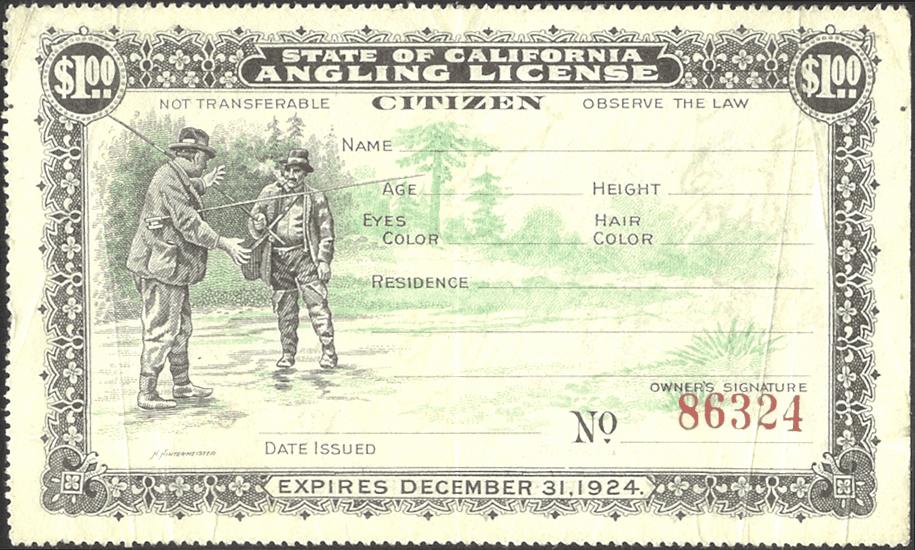
Annual Licenses: The Angler’s Long-Term Investment
For those planning multiple fishing trips throughout the year, an annual license represents the most economical choice. These licenses are valid for one full year from the date of purchase, offering flexibility and uninterrupted access to California’s fishing grounds.
Resident Annual Licenses
California residents, defined as individuals who have resided in the state for at least six consecutive months prior to the application date, benefit from preferential pricing on annual licenses.
- Standard Resident Annual Fishing License: This is the most common license and covers all recreational fishing in inland and ocean waters. The current fee for a standard resident annual license is approximately $55.58. This license allows for the take of most fish species, provided all applicable regulations are followed.
- Second Rod Stamp: For anglers who wish to use more than one fishing rod in inland waters, a Second Rod Stamp is required. This is an additional fee, typically around $17.37, and can be purchased in conjunction with any fishing license. It’s important to note that this stamp is not valid for ocean waters.
- Ocean Enhancement Stamp: If your fishing pursuits are primarily in the ocean and you intend to take specific types of rockfish, lingcod, or salmon, an Ocean Enhancement Stamp is necessary. This stamp adds approximately $10.06 to the cost of your fishing license.
Non-Resident Annual Licenses
Non-residents, individuals who do not meet the residency requirements for California, will find the annual license fees are significantly higher, reflecting the state’s efforts to manage its resources and revenue generation.
- Standard Non-Resident Annual Fishing License: The cost for a non-resident annual license is approximately $148.52. This provides the same fishing privileges as the resident license but at a higher price point.
- Second Rod Stamp (Non-Resident): The fee for the Second Rod Stamp remains the same for non-residents, approximately $17.37.
- Ocean Enhancement Stamp (Non-Resident): Similarly, the Ocean Enhancement Stamp fee for non-residents is consistent with resident pricing, around $10.06.
Short-Term Licenses: For the Occasional Angler
If your visit to California is brief or you’re an infrequent angler, short-term licenses offer a more practical and budget-friendly solution. These licenses are ideal for vacations or weekend fishing trips.
Resident Short-Term Licenses
- 1-Day Fishing License (Resident): For a single day of fishing, residents can purchase a 1-day license for approximately $17.37. This is a cost-effective option for a day trip to a local lake or river.
- 2-Day Fishing License (Resident): If you plan to fish for two consecutive days, the 2-day license is available for approximately $31.68.
- 10-Day Fishing License (Resident): For a more extended stay, a 10-day resident license costs around $46.15. This is an excellent value for those spending a week or more exploring California’s fishing spots.
Non-Resident Short-Term Licenses
- 1-Day Fishing License (Non-Resident): Non-residents can purchase a 1-day license for approximately $30.54.
- 2-Day Fishing License (Non-Resident): A 2-day license for non-residents is priced at approximately $56.74.
- 10-Day Fishing License (Non-Resident): For non-resident anglers planning a longer fishing expedition, the 10-day license costs around $92.14.
Special Licenses and Permits
Beyond the standard annual and short-term licenses, California offers specific permits for certain fishing activities and age groups, as well as for those engaging in more specialized pursuits.
Youth Licenses
- Junior Fishing License: Anglers between the ages of 16 and 17 can purchase a Junior Fishing License at a reduced rate. The fee for a resident junior annual license is approximately $11.09, and for non-residents, it’s about $30.54. Those under 16 years of age do not require a fishing license.
Other Permits
- Inland Sport Fishing Annual Permit: This permit is required in addition to a valid fishing license for fishing in specific inland waters that are managed under a special trout management program. The cost is approximately $36.10.
- Steelhead Report Card: If you intend to fish for steelhead trout in anadromous waters, a Steelhead Report Card is mandatory. This permit helps the CDFW track steelhead populations and is priced at approximately $10.06.
- Salmon Report Card: Similarly, for salmon fishing, a Salmon Report Card is required and costs around $10.06.
- Spiny Lobster Report Card: Those looking to catch spiny lobster will need to acquire a Spiny Lobster Report Card for approximately $10.06.
It is crucial to check the CDFW website for the most up-to-date fee information, as these prices can be subject to change.
Where to Purchase Your California Fishing License
Acquiring a California fishing license is a straightforward process, with several convenient options available to anglers. Whether you prefer the convenience of online purchasing or the personal touch of an in-person transaction, the CDFW has you covered.

Online Purchasing
The most efficient method for many is to purchase a license online through the official CDFW website. This platform allows you to browse all available license types, select the appropriate one, and complete the transaction securely. Once purchased, you can print your license immediately or save it to your mobile device for easy access. This method is ideal for those who want to secure their license before their trip or avoid waiting in line.
In-Person Purchases
For those who prefer or require in-person assistance, fishing licenses can be purchased at a variety of authorized license dealers throughout California. These dealers include:
- Sporting Goods Stores: Many well-known retailers like Big 5 Sporting Goods and local bait and tackle shops are authorized to sell fishing licenses.
- Sporting License Agents: Independent businesses that specialize in selling hunting and fishing licenses can be found in many communities.
- Some Department Offices: While not all CDFW offices sell licenses, some regional offices may offer this service. It’s advisable to call ahead to confirm.
When purchasing in person, be prepared to provide identification to verify your residency status. The staff at these locations can also assist you in choosing the correct license if you have any questions.
Essential Regulations and Considerations for Anglers
Beyond the cost of a license, a thorough understanding of California’s fishing regulations is vital for a responsible and enjoyable angling experience. These regulations are designed to conserve fish populations, protect aquatic ecosystems, and ensure fairness for all anglers.
Fishing Seasons and Bag Limits
California’s diverse fishing opportunities mean that different species and bodies of water have specific fishing seasons and daily bag and possession limits. It is imperative to consult the CDFW’s “Sport Fishing Regulations” booklet, which is updated annually, for the most accurate information. These regulations cover:
- Open and Closed Seasons: Certain species, like salmon and trout in particular areas, may only be legally fished for during specific times of the year.
- Bag and Possession Limits: This dictates the maximum number of fish of a particular species you can keep per day (bag limit) and the total number you can possess at any given time, including those in your cooler or at your residence (possession limit).
- Size Limits: For some species, there are minimum or maximum size requirements for fish you can legally keep. This helps protect juvenile fish and ensure the health of breeding populations.
Gear Restrictions and Methods of Take
The CDFW also regulates the types of fishing gear and methods that can be used. These restrictions aim to minimize harm to fish and the environment. Common regulations include:
- Artificial Lures Only: In some sensitive trout waters, only artificial lures with single, barbless hooks may be used.
- Bait Restrictions: The use of live or dead finfish as bait may be prohibited in certain waters to prevent the introduction of invasive species or diseases.
- Netting and Trapping: Specific rules govern the use of nets and traps for certain species, often requiring permits or prohibiting their use altogether.
Special Water Regulations
Many bodies of water in California, from popular reservoirs like Lake Oroville to remote alpine lakes, have unique regulations that supersede general fishing rules. These can include:
- Catch and Release Only: Some waters are designated for catch and release, meaning all fish must be returned to the water immediately.
- Specific Species Restrictions: Certain lakes or rivers might have special regulations for particular fish species, such as restrictions on catching brown trout or specific requirements for salmon fishing.
- Gear Restrictions: As mentioned, some waters have very specific gear requirements, like artificial lures and barbless hooks only.
Identifying Your Catch
Familiarizing yourself with the different fish species found in California is beneficial, not only for identifying what you’ve caught but also for understanding the regulations specific to each. Common species include various trout (rainbow, brown, brook), bass (largemouth, smallmouth, striped), salmon, steelhead, catfish, and various ocean species like rockfish and halibut. The CDFW often provides identification guides on its website.
Licenses for Youth and Seniors: Encouraging the Next Generation of Anglers
California’s commitment to fostering a love for the outdoors extends to its younger and older residents. Special provisions and pricing for youth and seniors make fishing more accessible to a broader demographic.
Fishing for the Youngest Anglers
One of the most significant benefits for families is that anglers under the age of 16 do not require a fishing license. This policy encourages parents, grandparents, and guardians to introduce children to the joys of fishing without the added expense of a license for the child. This makes a day out at a local pond or a family vacation fishing trip more affordable and accessible.
Senior Angler Benefits
While California does not offer a specific discounted annual fishing license solely for seniors as some other states do, resident seniors (65 and older) can purchase a reduced-price annual fishing license. The current fee for a resident senior annual fishing license is approximately $32.17. This offers a significant saving compared to the standard resident annual license, acknowledging the contributions of senior citizens and encouraging them to continue enjoying outdoor recreation.
It’s important to verify current pricing and eligibility requirements for senior licenses directly with the CDFW, as these can be subject to updates. The intention is to make recreational fishing an enduring and accessible pastime for all age groups in the Golden State.
Conclusion: Your Gateway to California’s Fishing Paradise
Understanding the cost and types of California fishing licenses is the first step towards an unforgettable angling experience. Whether you’re a resident planning a year of exploration or a visitor seeking a few days of aquatic adventure, there’s a license option to suit your needs. Always remember to consult the official California Department of Fish and Wildlife regulations for the most current information on fees, seasons, and restrictions. With the right license in hand and a commitment to responsible angling, you’ll be well-equipped to discover the rich fishing tapestry that California has to offer, from the sun-drenched coastlines to the pristine mountain streams.
LifeOutOfTheBox is a participant in the Amazon Services LLC Associates Program, an affiliate advertising program designed to provide a means for sites to earn advertising fees by advertising and linking to Amazon.com. Amazon, the Amazon logo, AmazonSupply, and the AmazonSupply logo are trademarks of Amazon.com, Inc. or its affiliates. As an Amazon Associate we earn affiliate commissions from qualifying purchases.