
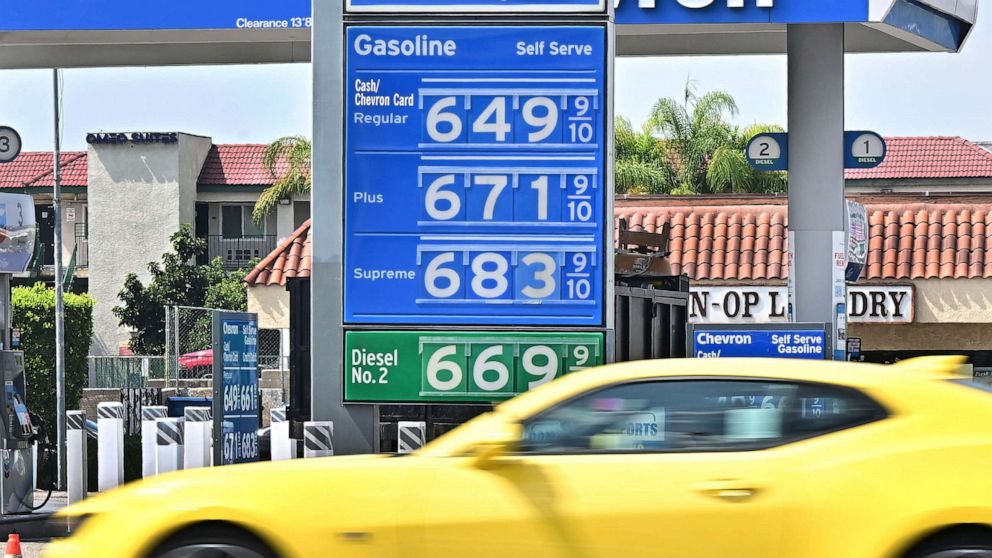
Embarking on a journey through the Golden State often conjures images of sun-drenched beaches, majestic mountains, and iconic cities. From the vibrant streets of Los Angeles to the scenic vistas of Big Sur and the bustling metropolis of San Francisco, California offers an unparalleled travel experience. However, for many visitors and residents alike, a key consideration for any California adventure is the cost of fuel. Understanding how much California gas is and what influences its price is crucial for effective trip planning and budget management. Unlike many other states, California consistently sees some of the highest fuel prices in the nation, a factor that significantly impacts the overall cost of a road trip or even daily commuting within this vast and diverse state. Planning for these expenses allows travelers to fully immerse themselves in the unique experiences California has to offer without unexpected financial surprises.

Understanding the Golden State’s Fuel Economy for Travelers
California’s gas prices are a dynamic and often perplexing aspect of travel within the state. They are influenced by a complex interplay of environmental regulations, taxes, and market dynamics that set it apart from other U.S. states. For travelers planning an extensive itinerary, recognizing these underlying factors is the first step toward smart budgeting.
Factors Driving California’s High Prices
Several key elements contribute to why gas in California is typically more expensive. Primarily, the state imposes some of the highest gas taxes in the country, including excise taxes, sales taxes, and special fees for environmental programs. These funds are vital for maintaining California’s extensive road infrastructure and supporting initiatives aimed at reducing carbon emissions. Beyond taxes, California mandates a unique blend of gasoline, often referred to as “reformulated gasoline,” designed to meet stringent air quality standards. This specialized fuel is produced by a limited number of refineries, predominantly within the state, which can lead to supply constraints and higher production costs. Any disruptions to these refineries, whether due to maintenance or unforeseen events, can quickly escalate prices due to the localized nature of the supply chain. Furthermore, California’s robust economy and high demand for fuel, especially in densely populated areas, contribute to upward price pressure. Global crude oil prices also play a role, as fluctuations in the international market are passed down to consumers at the pump.
Regional Price Variations Across California
While California overall experiences elevated gas prices, there are noticeable variations depending on the region you are traveling through. Major metropolitan areas like Los Angeles, San Francisco, and San Diego typically see the highest prices due to higher population density, increased demand, and often, more limited competition among gas stations. Coastal regions, especially tourist hotspots such as those along the Pacific Coast Highway near Big Sur, can also command premium prices, given their appeal to travelers and limited fuel infrastructure. Conversely, prices tend to be slightly lower in the Central Valley and other inland areas, where competition might be stronger, and operating costs for stations might be marginally less. Rural areas, particularly those leading to remote attractions like Yosemite National Park or around Lake Tahoe, can also experience price spikes due to limited supply and high demand from travelers. It’s not uncommon to see a difference of 50 cents or even a dollar per gallon between neighboring counties or even different neighborhoods within the same city. For a traveler covering significant distances, these regional differences can add up, making strategic refueling a valuable skill.
Budgeting for Your California Road Trip
A quintessential California experience often involves a road trip, whether it’s exploring the vineyards of Napa Valley, cruising down the Pacific Coast Highway, or visiting theme parks like Disneyland and Universal Studios Hollywood. Accurate budgeting for fuel is paramount to ensure your journey remains enjoyable and within financial reach.
Estimating Fuel Costs for Diverse Itineraries
To estimate your fuel expenditure, begin by mapping out your itinerary, noting the total distance you plan to cover. Websites and apps can help calculate approximate mileage between key destinations such as Los Angeles to San Francisco or San Diego to Lake Tahoe. Next, consider your vehicle’s fuel efficiency, typically measured in miles per gallon (MPG). Divide your total mileage by your MPG to get the estimated number of gallons needed. Multiply this by an average gas price for California. It’s prudent to factor in a buffer, perhaps an additional 10-15%, to account for unexpected detours, idling in traffic, or higher prices in certain areas. For example, if you plan a 1,000-mile trip in a car averaging 25 MPG, you’ll need approximately 40 gallons. At an average California price of $5.50 per gallon, your fuel cost would be around $220. Remember that these are estimates, and real-time prices can fluctuate significantly.
Leveraging Technology to Save on Gas
In the digital age, numerous tools can assist travelers in finding the best gas prices. Applications like GasBuddy and Waze are invaluable resources. GasBuddy allows users to search for gas stations by price, fuel type, and brand along their route or within a specific area. It leverages crowd-sourced data, providing real-time pricing information that can often lead you to the cheapest option nearby. Waze, while primarily a navigation app, also displays gas prices reported by its users, integrating this information seamlessly into your driving directions. Utilizing these apps can help you save a substantial amount over a long trip, especially when traversing different regions of California where prices can vary widely. Planning your refueling stops around areas known for lower prices, rather than waiting until your tank is nearly empty, is a smart strategy that these apps facilitate.
Smart Strategies for Fuel-Efficient Travel
Minimizing fuel costs in California isn’t just about finding the cheapest gas; it also involves adopting smart driving practices and considering alternative transportation options. These strategies can significantly reduce your overall travel expenses and enhance your enjoyment of the journey.
Optimizing Driving Habits and Vehicle Maintenance
The way you drive can have a profound impact on your vehicle’s fuel consumption. Smooth acceleration and deceleration are far more fuel-efficient than aggressive driving. Maintaining a steady speed, especially on highways, is key. Using cruise control where appropriate helps to prevent unnecessary fluctuations in speed. Avoid excessive idling, as a parked car with its engine running still consumes fuel. Planning routes to avoid heavy traffic, if possible, also saves gas and time. Before embarking on your trip, ensure your vehicle is well-maintained. Properly inflated tires can improve fuel efficiency by up to 3%. Regular oil changes and air filter replacements also contribute to better performance and lower fuel consumption. Lightening your load by removing unnecessary items from your trunk or roof rack can also make a marginal but noticeable difference, as a heavier vehicle requires more energy to move.
Fuel Programs and Alternative Transportation Options
Many gas stations and retail chains offer loyalty programs that can provide discounts on fuel. For instance, membership-based stores like Costco often have gas stations with prices significantly lower than the market average, especially helpful if you’re traveling frequently or filling up a large tank. Supermarket chains like Safeway also have reward programs that offer cents off per gallon based on grocery purchases. It’s worth investigating these options if you plan an extended stay or numerous road trips within California.
In urban areas like San Francisco or Los Angeles, consider utilizing public transportation or ride-sharing services for local sightseeing. San Francisco’s iconic cable cars, extensive bus system, and BART (Bay Area Rapid Transit) can get you to most major attractions without needing your car. Los Angeles also has an expanding Metro system, though it requires more planning. For shorter distances, walking or cycling can be a pleasant and cost-effective way to explore neighborhoods. This not only saves on gas but also eliminates parking hassles and fees, which can be considerable in California’s major cities.
Experiencing California Beyond the Tank
While gas prices are an undeniable part of the California travel equation, they don’t have to define your entire experience. With mindful planning and an open mind to diverse travel methods, you can fully enjoy the state’s offerings.
Exploring Urban Centers with Public Transit
California’s major cities are increasingly designed for exploration beyond personal vehicles. In San Francisco, a visit to the Golden Gate Bridge, a stroll through Golden Gate Park, or an excursion to Alcatraz Island can be easily accomplished using the city’s robust public transport network. Similarly, Los Angeles offers the Metro Rail and Metro Bus lines to connect you to hotspots like Hollywood, Downtown LA, and even some beach communities. San Diego boasts a trolley system that’s perfect for exploring the Gaslamp Quarter and Old Town. By parking your car at your accommodation and utilizing public transit, you not only save on fuel but also on expensive urban parking fees, allowing you to allocate more of your budget to experiences like local cuisine or attractions. Many of California’s charming smaller towns, such as those in Napa Valley or around Lake Tahoe, are also very walkable once you arrive, minimizing the need for constant driving.

The Rise of Electric Vehicles for California Adventures
For environmentally conscious travelers or those open to a different kind of road trip, California is at the forefront of electric vehicle (EV) adoption and infrastructure. The state has an extensive network of EV charging stations, making it an ideal destination for an electric road trip. Companies like Tesla have established supercharger networks, and public charging networks such as ChargePoint, EVgo, and Electrify America are widely available. Renting an EV can sometimes be more cost-effective than a gasoline car, especially considering the higher cost of gas in California. While the upfront rental cost might be similar, the “fuel” savings can be substantial, and the driving experience is often smoother and quieter. Planning your route with charging stops in mind is key, but with apps and in-car navigation systems, finding a charger is easier than ever. This approach not only provides a unique travel experience but also aligns with California’s commitment to sustainability, offering a glimpse into the future of travel. Whether you’re driving an EV or a traditional gasoline-powered vehicle, understanding and proactively managing your fuel budget will ensure your California adventure is as smooth and stress-free as the open road itself.
LifeOutOfTheBox is a participant in the Amazon Services LLC Associates Program, an affiliate advertising program designed to provide a means for sites to earn advertising fees by advertising and linking to Amazon.com. Amazon, the Amazon logo, AmazonSupply, and the AmazonSupply logo are trademarks of Amazon.com, Inc. or its affiliates. As an Amazon Associate we earn affiliate commissions from qualifying purchases.