
Planning a trip to the Golden State of California means anticipating an array of incredible experiences, from exploring vibrant cities to relaxing on sun-drenched beaches and discovering breathtaking natural wonders. Whether you’re dreaming of the bustling boulevards of Los Angeles, the iconic landmarks of San Francisco, or the serene vineyards of Napa Valley, a significant part of preparing for your adventure involves budgeting. One often-overlooked aspect that can impact your travel expenses and daily lifestyle costs is sales tax.
While not as universally known as its hotel occupancy tax (TOT), California’s sales tax is a fundamental component of the state’s economic structure, affecting nearly every tangible good you purchase. For travelers, understanding how much California sales tax is, what it applies to, and how it varies across different regions is crucial for accurate financial planning. This comprehensive guide will demystify the intricacies of California sales tax, offering insights that will help you manage your budget, whether you’re embarking on a luxurious getaway, a family vacation to Disneyland Resort, or considering a longer stay to immerse yourself in the local culture. By the end, you’ll have a clear picture of how this tax impacts everything from your morning coffee to your souvenir shopping, ensuring a smoother and more enjoyable California experience.
Understanding California’s Sales Tax Landscape
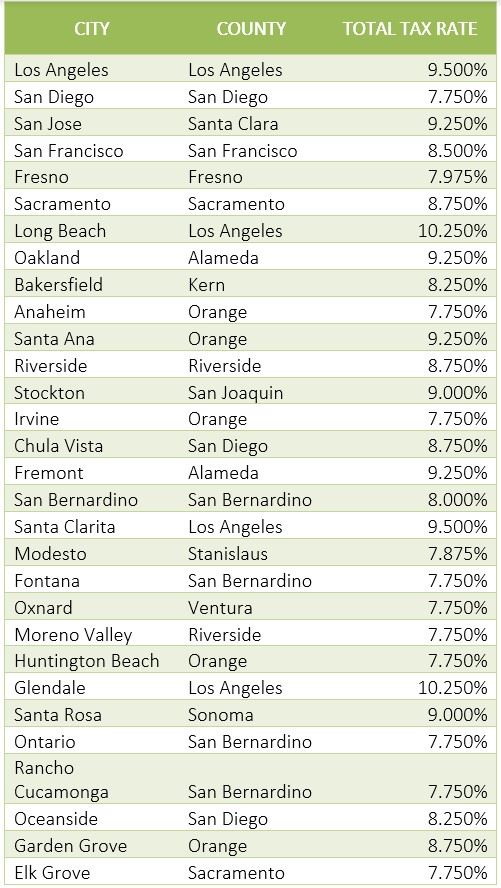
California’s sales tax system is multi-layered, consisting of a statewide base rate combined with various local district taxes. This structure means that the exact percentage you pay can differ significantly depending on where you are in the state, making it essential for both residents and visitors to be informed about the specific rates in their chosen destination. This variability is a key factor in budgeting for everything from dining out in San Diego to purchasing designer goods on Rodeo Drive.
The Statewide Base Rate
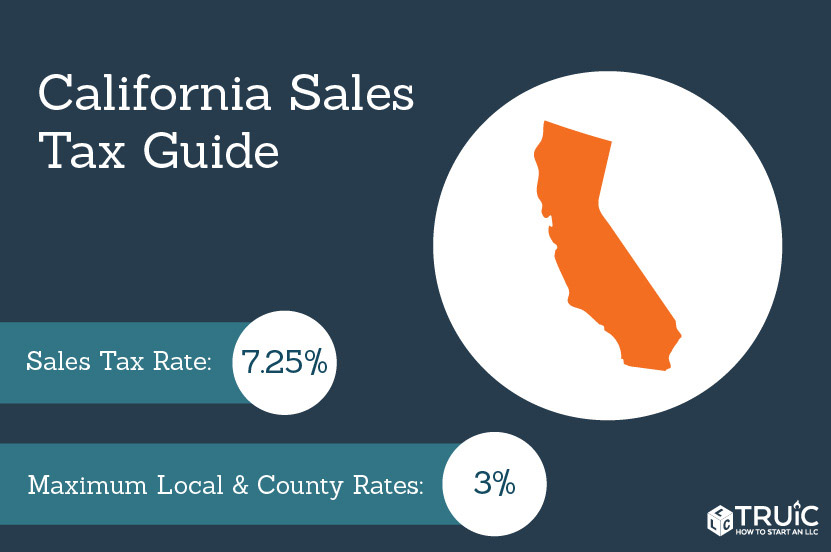
At the core of California’s sales tax system is a statewide base rate. This is the minimum sales tax applied to the sale of tangible personal property across all counties and cities within the state. As of the time of writing, this base rate typically stands at 7.25%. This percentage is a foundational figure that consumers can expect to see applied to most taxable purchases, regardless of their specific location. It helps fund state-level services and initiatives, playing a vital role in California’s broader economy. For travelers, this means that any retail purchase, from a new pair of sunglasses in Santa Monica to an electronics gadget in a downtown Los Angeles mall, will have at least this 7.25% added to its price. Understanding this base rate is the first step in deciphering the total sales tax you’ll encounter throughout your California adventures, providing a baseline for your financial planning.
Local and District Taxes: A Patchwork of Rates
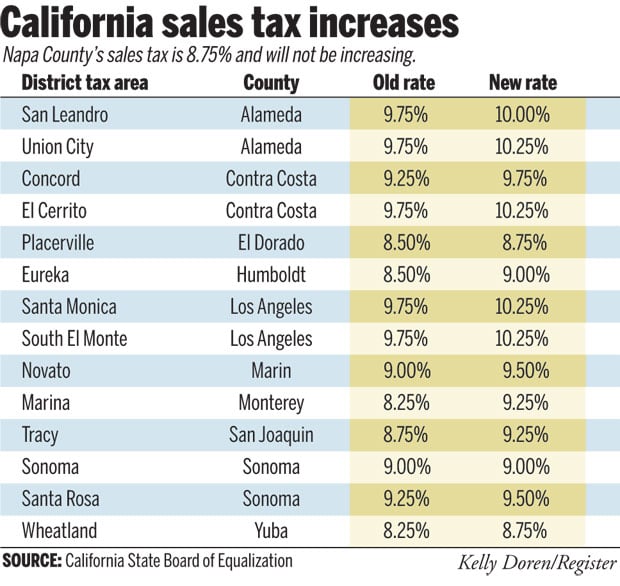
Beyond the statewide base rate, California’s sales tax system becomes more intricate due to the addition of local and district taxes. Many counties and cities have the authority to impose their own additional sales tax rates to fund specific local services such as public transportation, infrastructure projects, schools, and essential community programs. These district taxes can vary widely, creating a diverse “patchwork” of rates across the Golden State. For instance, a purchase made in Los Angeles County might be subject to a combined rate that includes various local transportation or public safety measures, often pushing the total sales tax significantly higher than the base rate. Similarly, a shopping spree in San Francisco will reflect its own unique combination of district taxes, which can result in rates well over 8% or even 9%.
This localized approach means that two identical items purchased in different cities, even those relatively close to each other, could have different final prices due to varying sales tax. Tourists exploring multiple destinations, from the coastal charm of Carmel-by-the-Sea to the desert resorts of Palm Springs, should be mindful of these regional differences. While the statewide rate provides a floor, the combined rate—which can reach over 10% in some areas—is what truly impacts your shopping and dining budget. Always check the specific combined sales tax rate for the city or county you are visiting, especially for larger purchases, to avoid any surprises and ensure accurate budgeting for your California experience.
What You’ll Pay Sales Tax On (and What You Won’t)
Understanding the scope of California sales tax—what items and services are subject to it and which are exempt—is just as important as knowing the rates. This knowledge is particularly valuable for travelers looking to optimize their spending, whether they’re buying souvenirs, dining out, or budgeting for their daily needs. The distinction between taxable goods and non-taxable services, as well as specific exemptions, can significantly influence your overall travel expenses and lifestyle costs within the state.
Goods and Tangible Personal Property
In California, sales tax is primarily levied on the sale of tangible personal property. This category encompasses a vast array of items that you can see, touch, or hold. For the average traveler, this means virtually all retail purchases will be subject to sales tax. This includes common items like clothing, electronics, books, toys, and souvenirs bought at tourist shops near attractions like Yosemite National Park or Universal Studios Hollywood. When you’re strolling down Rodeo Drive in Beverly Hills and purchase a luxury item, or pick up merchandise at Disneyland Resort, be prepared for sales tax to be added to the sticker price.
Perhaps one of the most common applications of sales tax for visitors is on restaurant meals and prepared foods. Whether you’re enjoying a gourmet dinner in San Francisco, grabbing a casual lunch in San Diego, or picking up a quick snack from a convenience store, if the food is prepared for immediate consumption, it will typically be taxed. This includes hot foods, deli items, and even bottled beverages when purchased as part of a meal. Understanding this is key for budgeting your daily dining expenses, especially given California’s renowned culinary scene. Always factor in the additional sales tax when looking at menu prices to get a true sense of the final cost of your meal.
Services and Exemptions: The Key Distinctions
While tangible goods are generally taxable, most services are not subject to sales tax in California. This is a crucial distinction for travelers and those planning longer stays. Services such as haircuts, spa treatments, professional consulting fees, car repairs, and admission tickets to events or attractions (unless the ticket is bundled with tangible merchandise) typically do not incur sales tax. This means that if you book a guided tour of Alcatraz Island or a surfing lesson in Malibu, you generally won’t pay sales tax on the service itself. This distinction can influence how you prioritize your spending, potentially making experience-based activities a more budget-friendly option compared to extensive retail shopping.
Furthermore, there are several significant exemptions from sales tax in California that are important for consumers to know. The most prominent exemption for everyday life and travel is most grocery food products. Items purchased for home consumption, such as fresh produce, meats, dairy products, and packaged foods from supermarkets, are generally exempt from sales tax. This is why buying groceries for a picnic at Lake Tahoe or stocking your hotel room with snacks can be more cost-effective than consistently dining out. Other notable exemptions include prescription medications and certain medical devices. Understanding these exemptions can help you make more informed purchasing decisions and manage your budget effectively during your visit or stay in California, allowing you to allocate funds to other enriching aspects of your trip.
The Impact on Your California Travel and Lifestyle Budget
For anyone visiting or living in California, sales tax isn’t just a minor line item; it’s a significant factor that can influence your overall budget, especially when considering the state’s vibrant tourism economy. From where you sleep to what you eat and the souvenirs you buy, understanding how various taxes apply is essential for a seamless and financially sound experience. California’s allure lies in its diverse offerings, but navigating the costs requires a clear grasp of both sales tax and other related levies, particularly the Transient Occupancy Tax (TOT).
Accommodation and Lodging: Beyond Sales Tax
When it comes to accommodation in California, it’s crucial to understand that sales tax does NOT apply to lodging itself. Instead, visitors will encounter the Transient Occupancy Tax (TOT), often referred to as the “hotel tax.” This tax is a separate levy imposed by cities and counties on guests staying in hotels, motels, resorts, bed and breakfasts, and often short-term vacation rentals. The TOT rate varies dramatically by location, sometimes ranging from 8% to over 15% in popular tourist destinations. For example, staying at a luxury resort in Beverly Hills or a charming boutique hotel in Napa Valley will incur a substantial TOT, which is added on top of your room rate.
This distinction is vital for budget planning. While sales tax impacts your daily purchases, TOT is a direct and often significant cost tied to your choice of accommodation. A week-long stay in a premium suite in San Francisco or a family-friendly resort near Disneyland Resort can see hundreds of dollars added to your bill solely due to TOT. Therefore, when comparing hotel prices or booking an apartment for an extended stay, always look for the total price including all taxes and fees, not just the base room rate. This proactive approach ensures there are no surprises when you check out and helps you accurately allocate funds for your California travel budget.
Dining and Entertainment: Hidden Costs
California’s culinary scene is a major draw, offering everything from casual beachfront cafes in Santa Monica to Michelin-starred restaurants in Los Angeles and San Francisco. However, the enjoyment of these gastronomic delights comes with an additional cost: sales tax. As mentioned, sales tax applies to all prepared food and restaurant meals, whether you’re dining in, getting takeout, or ordering delivery. This means the menu prices you see don’t reflect the final amount you’ll pay. A seemingly small percentage can add up quickly over the course of a trip, especially for families or groups who dine out frequently.
Beyond food, sales tax can also apply to certain aspects of entertainment. While admission tickets to most events or attractions are generally exempt, merchandise purchased at venues like Universal Studios Hollywood, concert halls, or sporting events will be subject to sales tax. This includes souvenirs, apparel, and any tangible items you buy to remember your experience. Even concessions like popcorn or soda at a movie theater are taxable. When planning your leisure activities, it’s wise to budget an extra 8-10% for these purchases, depending on the local rate, to avoid overspending and ensure you can fully enjoy California’s diverse range of entertainment options without financial stress.
Shopping and Souvenirs: Budgeting for Retail Therapy
For many travelers, shopping for unique items and souvenirs is an integral part of the travel experience. California offers an unparalleled retail landscape, from the luxury boutiques of Beverly Hills and the trendy shops of San Francisco to the sprawling outlet malls found across the state and the charming local artisan markets in places like Big Sur or Carmel-by-the-Sea. Every tangible item purchased, whether it’s a designer handbag, a piece of artwork, or a simple refrigerator magnet, will be subject to California sales tax. This means the price tag you see is not the final price you’ll pay at the register.
For those planning significant retail therapy sessions, especially on high-value items, the cumulative effect of sales tax can be substantial. For example, purchasing electronics in Los Angeles or a specialized souvenir from a gift shop near the Golden Gate Bridge will include the local combined sales tax rate. It’s important to factor this into your shopping budget from the outset. Rather than just setting aside money for the stated price of an item, add an additional 8% to 10% to account for the sales tax, depending on your specific location. This proactive budgeting approach ensures you don’t overspend and can fully indulge in California’s diverse shopping opportunities, bringing home cherished memories and tangible keepsakes without any unexpected financial strain.
Smart Strategies for Managing Sales Tax in California
Navigating the financial landscape of California doesn’t have to be complicated, even with its varying sales tax rates. By adopting a few smart strategies, you can effectively manage your budget and minimize any unexpected costs, allowing you to focus on enjoying the beauty and excitement of the Golden State. These tips are designed to empower travelers and those considering a longer stay with the knowledge to make informed financial decisions.
Researching Local Rates
One of the most effective ways to manage sales tax in California is to research the specific sales tax rate for your destination city or county in advance. As highlighted earlier, the combined sales tax rate can differ significantly from one location to another due to various district taxes. A quick online search for “sales tax rate in San Diego” or “sales tax in Palm Springs” before your trip can provide you with the exact percentage to expect. Websites from the California Department of Tax and Fee Administration (CDTFA) are reliable sources for the most current information.
Knowing the local rate allows you to accurately calculate the total cost of potential purchases, from souvenirs on the Hollywood Walk of Fame to dining experiences in San Francisco. This foresight is particularly useful for larger purchases or for extended trips where cumulative spending can add up. By being aware of these localized rates, you can make more informed decisions about where to shop or dine, potentially choosing areas with slightly lower combined rates for significant expenditures, and ultimately ensuring a more predictable and stress-free budget.
Budgeting for the Extras
Beyond just the sticker price, it’s always prudent to budget for the “extras” when planning your California adventure. For taxable goods and prepared foods, a good rule of thumb is to mentally (or physically) add an additional 8% to 10% to the listed price to account for sales tax, depending on the local rate in your specific destination. For accommodation, remember to factor in the Transient Occupancy Tax (TOT), which can be even higher. When booking hotels or short-term rentals, always confirm the total price, including all taxes and fees, before finalizing your reservation.
This proactive approach to budgeting ensures that you’re not caught off guard by higher-than-expected costs. Instead of being surprised when the bill arrives at a restaurant or when you check out of your hotel, you’ll have already allocated funds for these inevitable additions. This strategy helps maintain financial peace of mind throughout your trip, allowing you to fully immerse yourself in California’s attractions and experiences, from the natural beauty of Lake Tahoe to the vibrant city life of Los Angeles, without having to worry about unexpected expenses impacting your enjoyment.
Making Informed Purchases
Making informed purchases is key to managing sales tax and other expenses in California. Since most grocery food items are exempt from sales tax, consider buying snacks, beverages, and some meal ingredients from supermarkets to save money on prepared foods that would be taxed. This is especially useful if your accommodation includes a kitchenette or if you’re planning picnics for scenic spots like Big Sur or Yosemite National Park.
Furthermore, remember that most services are not taxed. This means that experiences like guided tours, spa treatments, or admissions to museums and theme parks (unless bundled with taxable merchandise) can sometimes offer more value in terms of direct cost compared to purchasing tangible goods of similar monetary value. When choosing between a souvenir item and an experience, consider the tax implications. By being mindful of what is taxed and what isn’t, you can strategically allocate your spending to maximize your California experience, ensuring your budget stretches further and contributes to lasting memories rather than unexpected expenses.
Understanding California’s sales tax is an essential part of planning a successful and budget-friendly trip or extended stay in the Golden State. While the statewide base rate provides a starting point, the varying local and district taxes create a diverse landscape of rates across different cities and counties. Moreover, distinguishing between what is subject to sales tax (tangible goods, prepared foods) and what isn’t (most services, grocery staples, and crucially, hotel lodging which incurs TOT instead) is key to accurate financial planning.
By researching local rates, proactively budgeting for these “extras,” and making informed purchasing decisions, you can navigate California’s tax system with confidence. These strategies will help prevent unexpected costs from diminishing your enjoyment, allowing you to fully immerse yourself in everything from the iconic sights of San Francisco and the glamour of Los Angeles to the natural beauty of its national parks and coastlines. With careful planning, your California adventure will be as smooth and rewarding as you envision.
LifeOutOfTheBox is a participant in the Amazon Services LLC Associates Program, an affiliate advertising program designed to provide a means for sites to earn advertising fees by advertising and linking to Amazon.com. Amazon, the Amazon logo, AmazonSupply, and the AmazonSupply logo are trademarks of Amazon.com, Inc. or its affiliates. As an Amazon Associate we earn affiliate commissions from qualifying purchases.