
California, often celebrated as the Golden State, beckons millions of travelers each year with its stunning diverse landscapes, iconic landmarks, vibrant cities, and unparalleled lifestyle opportunities. From the sun-drenched beaches of San Diego to the majestic peaks of the Sierra Nevada, the glamour of Hollywood to the innovative spirit of Silicon Valley, California offers an experience for every type of traveler. Whether you’re planning a luxurious escape, a budget-friendly adventure, a family trip to Disneyland, or even contemplating a longer stay or relocation, understanding the state’s tax structure is crucial.
Taxes, while often overlooked in the excitement of travel planning, play a significant role in the overall cost of a trip or the viability of a lifestyle change. They affect everything from the price of your hotel room and the souvenirs you buy to the cost of dining out and, for those considering a move, your potential take-home income. California is known for its relatively high tax rates compared to other U.S. states, a factor that contributes to its generally higher cost of living but also funds the extensive infrastructure, public services, and environmental protection that make the state so appealing.
This article delves into the various state taxes in California, explaining what they are, how they impact your travel budget and lifestyle choices, and offering insights to help you plan your visit or extended stay wisely. By understanding the tax landscape, you can better prepare for expenses, make informed decisions about your accommodation, activities, and overall spending, ensuring a more enjoyable and financially savvy experience in the Golden State.
Navigating California’s Tax Landscape for Travelers and Tourists
For anyone visiting California, the most immediate and noticeable taxes will be sales tax and transient occupancy tax (hotel tax). These directly affect your daily spending and accommodation costs, making them essential considerations for your travel budget. Understanding these taxes will help you avoid surprises and plan your expenditures more effectively, whether you’re exploring the bustling streets of Los Angeles or enjoying the serene beauty of Napa Valley.
Sales Tax: What You’ll Pay on Goods and Services
The California statewide sales tax is a baseline rate applied to most retail purchases of tangible goods. However, this base rate is often just the beginning. Local jurisdictions – cities, counties, and special districts – have the authority to add their own district taxes, which can significantly increase the total sales tax percentage. This means the sales tax rate you pay can vary quite a bit depending on where you are in the state.
Currently, the statewide sales tax rate in California is 7.25%. However, with local district taxes, the combined sales tax rate can range from approximately 7.25% to as high as 10.75% or even slightly more in certain areas. For example, a purchase made in Los Angeles County might incur a higher sales tax than one made in a more rural part of the state. These additional local taxes are often used to fund specific community projects, public transportation, or other local services, directly benefiting the areas you visit.
How Sales Tax Impacts Your Travel:
- Souvenirs and Shopping: Whether you’re buying a piece of art in Laguna Beach, a t-shirt in Santa Monica, or a bottle of wine in Sonoma, sales tax will be added to your purchase. Factor this into your souvenir budget.
- Dining Out: Restaurant meals, while sometimes seen as a service, typically include sales tax on the food and non-alcoholic beverages you purchase. This can add a noticeable amount to your dining expenses, especially if you’re enjoying California’s renowned culinary scene.
- Rental Cars and Other Services: While services generally aren’t subject to sales tax, certain transactions related to goods, like car rentals (on the vehicle itself), can have sales tax applied. Always check the fine print when booking.
- Attraction Tickets: Entrance fees to attractions like Universal Studios Hollywood or museums are generally exempt from sales tax, as they are considered services rather than tangible goods. However, any merchandise purchased inside these venues will be taxed.
Being aware of the varying sales tax rates across California can help you budget more accurately. If you’re planning a shopping spree, a quick online search for the local sales tax rate in your destination city can provide clarity.
Hotel Occupancy Taxes: Adding to Your Accommodation Costs
When booking any form of accommodation in California – be it a luxury hotel, a quaint bed and breakfast, an extended-stay apartment, or a vacation rental – you will almost certainly encounter a Transient Occupancy Tax (TOT), often referred to as a hotel tax or lodging tax. This tax is levied by cities and counties on the rent charged for hotel rooms, motel rooms, bed and breakfasts, and similar short-term lodging. The purpose of TOT is typically to generate revenue for local government services and to support local tourism promotion.
The key characteristic of the TOT is its significant variation from one city or county to another. There is no statewide standard rate for this tax. Cities with high tourism volumes, such as San Francisco, Los Angeles, San Diego, and Anaheim (home to Disneyland), tend to have higher TOT rates compared to smaller towns or less visited areas.
Examples of TOT Rates in Popular Destinations (rates are approximate and subject to change):
- San Francisco: Often among the highest, with rates around 14-16% on top of a 1.95% assessment for tourism marketing. This means a significant chunk added to your nightly room rate.
- Los Angeles: Typically around 10-12%, plus possible additional fees depending on the city within the county.
- San Diego: Generally around 10.5% plus a 2% San Diego Tourism Marketing District assessment.
- Anaheim: Around 15%, reflecting its status as a major tourist hub.
- Rural Areas/Smaller Cities: Rates can be significantly lower, sometimes in the 6-8% range.
Impact on Accommodation Booking:
- Budgeting: When searching for hotels, resorts, or apartment rentals on booking platforms, always look for the “total price” that includes all taxes and fees. A seemingly inexpensive room rate can quickly become more expensive once the TOT and any resort fees are added.
- Comparison Shopping: If you’re comparing accommodation options, ensure you’re comparing the all-inclusive price. A hotel with a slightly higher base rate but lower TOT might end up being cheaper than one with a lower base rate and a very high TOT.
- Longer Stays: For those planning an extended stay, perhaps in an apartment or villa, the cumulative effect of TOT can be substantial. Some jurisdictions may have exemptions for stays exceeding 30 days, but this varies and should be confirmed directly with the accommodation provider or local tax authority.
- Lifestyle Choices: The impact of TOT can influence your accommodation choices, pushing some budget travelers towards alternative options like hostels or camping in California’s stunning national parks like Yosemite National Park or Death Valley National Park, where lodging might be subject to different tax rules or be completely tax-free if roughing it.
Understanding and factoring in these hotel taxes is crucial for accurate budgeting and ensuring a smooth and stress-free booking experience for your California adventure.
Understanding Income Tax: For Longer Stays and Relocation
While sales tax and hotel tax are the primary concerns for short-term visitors, those contemplating a longer stay, working remotely from California, or considering full relocation must understand the state’s income tax system. California has a reputation for having one of the highest state income tax rates in the U.S., which significantly impacts the take-home pay and overall financial planning for residents.
California’s Progressive Income Tax System
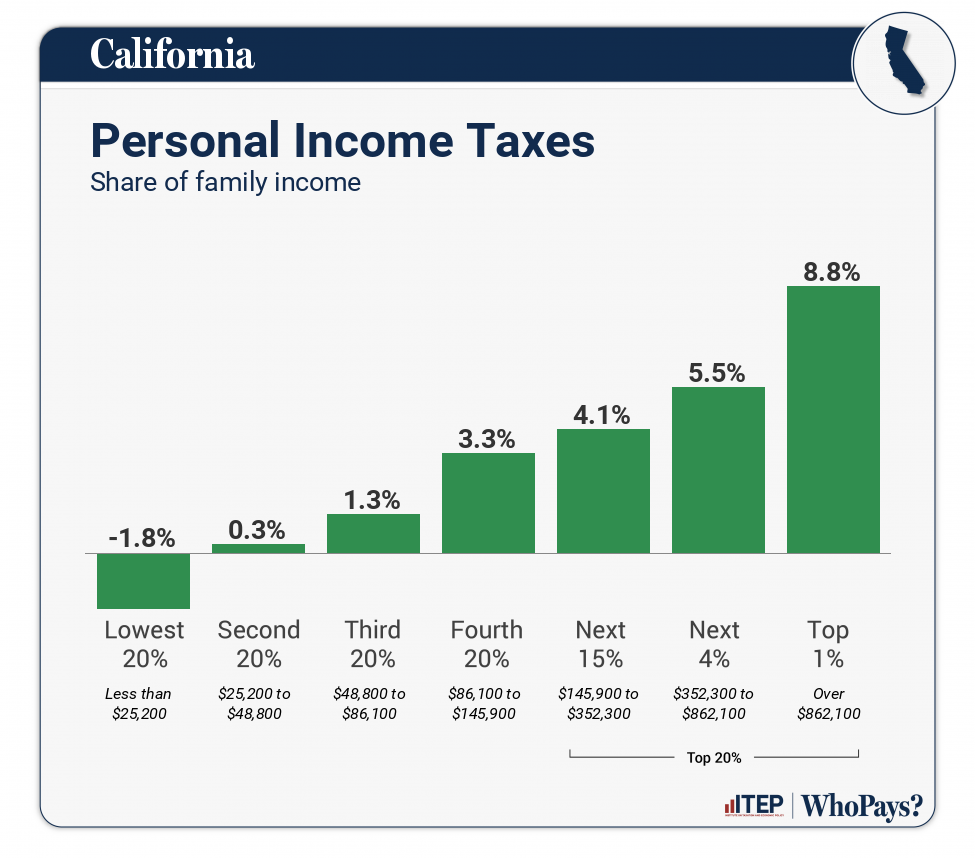
California operates under a progressive income tax system. This means that individuals with higher incomes pay a larger percentage of their income in taxes. The state utilizes multiple tax brackets, with rates increasing as taxable income rises. This system is designed to distribute the tax burden more heavily towards those with greater financial capacity.
Key Characteristics:
- Tax Brackets: California has numerous tax brackets, ranging from a low single-digit percentage for the lowest income earners to a top marginal rate that is currently among the highest in the nation, often exceeding 13% for the highest income levels. These brackets and rates are adjusted annually for inflation.
- Who Pays: If you are a California resident, you are generally taxed on all your income, regardless of where it was earned. Non-residents who earn income from California sources (e.g., working for a California company, income from California property) are also subject to California income tax on that California-source income.
- Remote Workers and Digital Nomads: This is particularly relevant for the modern traveler or digital nomad. If you establish residency in California (which can happen even without explicitly intending to, based on factors like where your permanent home is, where your family lives, or where your professional connections are), you may become subject to California income tax on all your worldwide income. Even if you’re a non-resident, working for a California company while physically present in the state will likely subject that income to California tax.
- Impact on Lifestyle: High income taxes can significantly reduce disposable income, affecting an individual’s ability to save, invest, or spend on discretionary items like luxury travel or frequent dining. This is a critical factor for those considering a lifestyle change or a move to California.
It’s advisable to consult with a tax professional if you are considering moving to California or planning an extended stay where you will be earning income, to understand your specific tax obligations and how they might impact your personal finances and lifestyle.
Special Considerations: Capital Gains and Other Taxes
Beyond personal income tax, California residents and those with California-source income also need to be aware of other potential taxes.
- Capital Gains Tax: California treats capital gains (profit from the sale of assets like stocks, bonds, or real estate) as ordinary income. This means there are no special lower tax rates for long-term capital gains at the state level, unlike federal tax law. This can have a substantial impact on investors or those selling property in California after a long stay.
- Property Tax: For those buying property in California (whether a primary residence, a vacation home, or an investment property), property taxes are a significant ongoing expense. These taxes are assessed by local counties and are based on the property’s assessed value. While Proposition 13 limits annual increases in assessed value, the initial property tax bill can still be substantial, especially in desirable areas like Malibu or Lake Tahoe. This impacts decisions for long-term accommodation and investment properties.
- Vehicle-Related Fees: If you relocate and register a vehicle in California, you’ll encounter various registration fees and taxes, which contribute to the overall cost of vehicle ownership in the state.
- Estate Tax: California does not have a state-level estate tax (also known as a “death tax” or inheritance tax), but federal estate taxes still apply.
Understanding these various tax components is essential for comprehensive financial planning, especially for those considering a more permanent connection to the Golden State.
The Broader Impact on California Lifestyle and Budgeting
The tax structure in California isn’t just a series of rates and percentages; it’s a fundamental element that shapes the overall cost of living and the accessibility of different lifestyles within the state. From planning a vacation to considering a move, understanding the broader implications of these taxes is key to smart budgeting and realistic expectations.
Cost of Living and Its Tax Component
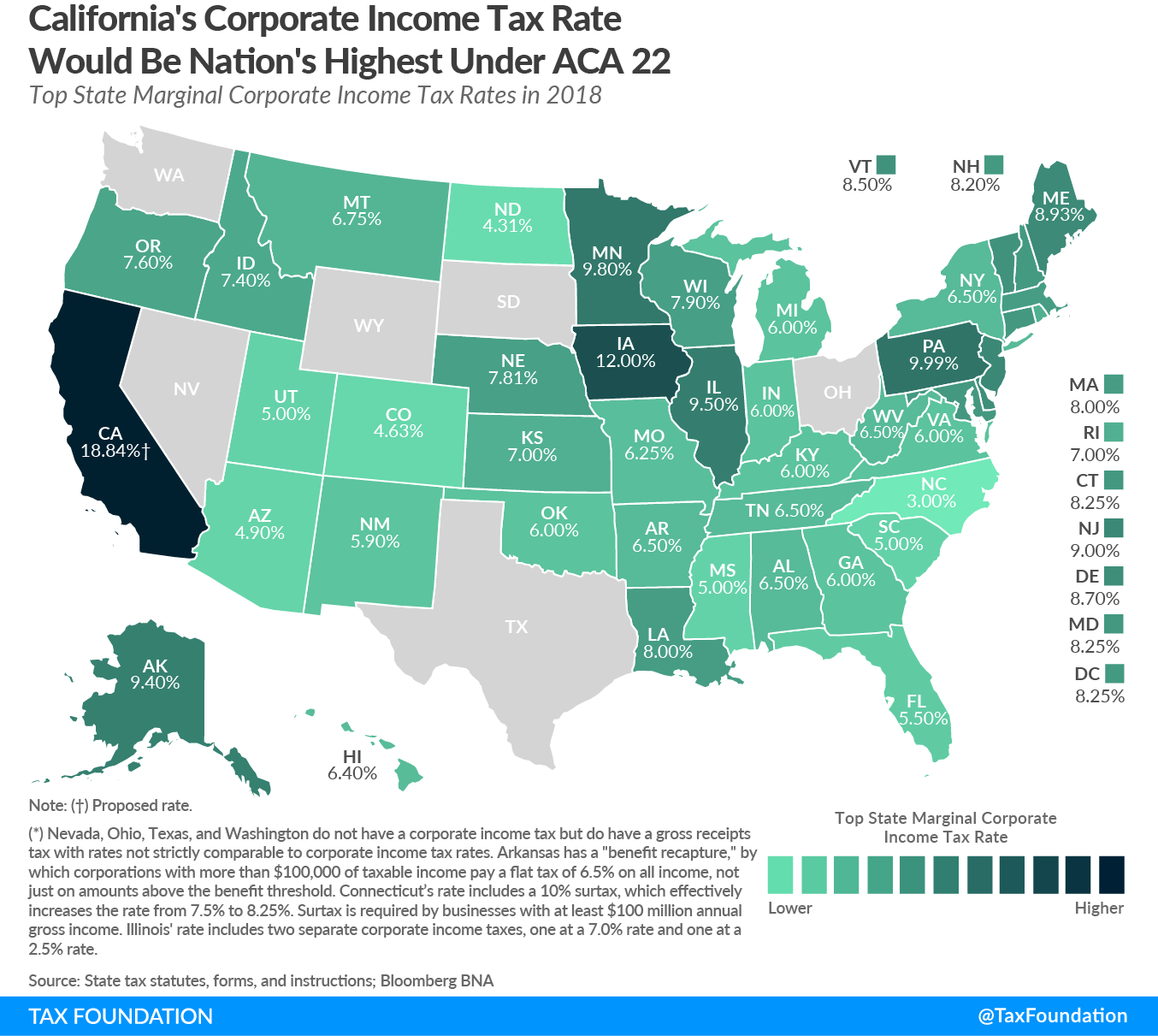
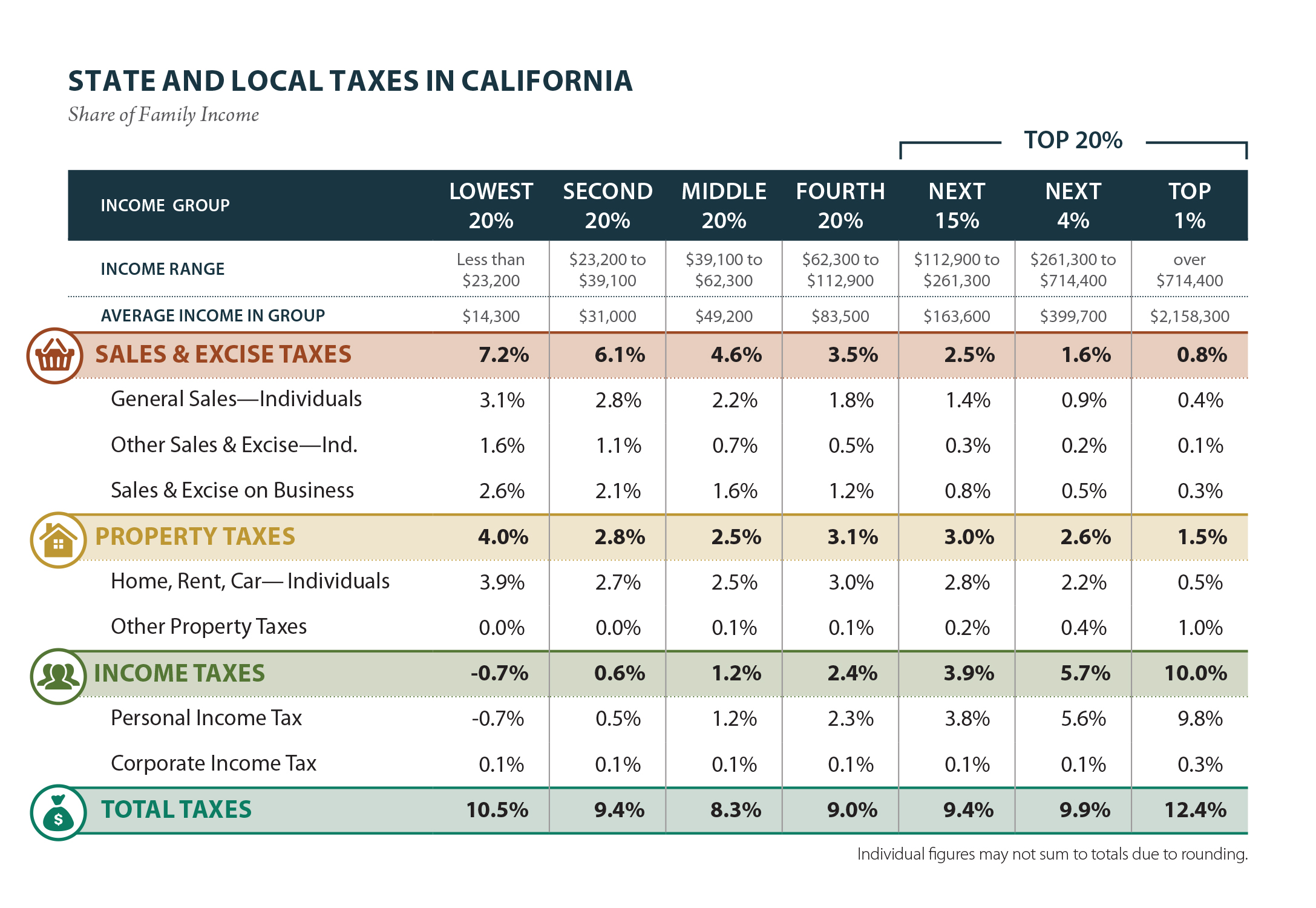
California is widely recognized for having one of the highest costs of living in the United States, and its tax rates play a significant role in this perception. High income taxes, combined with substantial property taxes (for homeowners), and a relatively high statewide sales tax, mean that a larger portion of one’s income and spending goes towards taxes compared to many other states.
Impact on Lifestyle Choices:
- Luxury vs. Budget Travel: For travelers, the higher sales tax and TOT mean that luxury travel experiences – staying in five-star resorts, dining at Michelin-starred restaurants, or indulging in high-end shopping – come with an additional premium. Budget travelers, conversely, must be even more diligent in accounting for these taxes when planning their stays in hostels, cooking their own meals, or seeking free attractions.
- Housing: The confluence of high property values and property taxes contributes significantly to housing costs, whether you’re buying a home or renting an apartment. This directly influences where people can afford to live and the quality of life they can maintain. For those seeking accommodation for an extended period, understanding how these underlying costs trickle down to rental prices is crucial.
- Everyday Expenses: Basic necessities like groceries (though many are exempt from sales tax), utilities, and transportation are often more expensive in California. The tax component, while not always overtly visible, is baked into the economic structure that drives these costs.
- Trade-offs: The higher cost of living and taxes in California are often viewed as a trade-off for the state’s unparalleled natural beauty, innovative economy, diverse cultural experiences, and robust public services. The funding from these taxes supports everything from maintaining California’s state parks and beaches to funding world-class universities and improving infrastructure. This means that while you pay more, you often receive more in terms of quality of life and access to amenities.
Tax-Smart Travel and Lifestyle Tips in the Golden State
Navigating California’s tax environment doesn’t have to be daunting. With a few strategic approaches, you can optimize your budget and enhance your experience in the Golden State.
- Detailed Budgeting: Always create a comprehensive budget that explicitly accounts for sales tax on purchases and TOT on accommodation. Don’t just look at the base price; factor in the “all-in” cost. This is especially important for popular tourist destinations like Santa Monica, Big Sur, or Lake Tahoe where prices can be elevated.
- Accommodation Choices: Explore different accommodation types. While luxury hotels offer unparalleled amenities, consider serviced apartments for longer stays (which might have different tax implications if you exceed 30 days), or boutique hotels that may offer better value. Look into areas slightly outside the prime tourist zones for potentially lower TOT rates.
- Dining Smart: Eating out frequently will incur sales tax and tips. Balance restaurant meals with cooking some of your own food if your accommodation allows (e.g., apartments, villas with kitchens). Many grocery items are exempt from sales tax.
- Public Transportation: Utilize California‘s public transport where available, especially in major cities like San Francisco and Los Angeles, to save on rental car costs and associated taxes/fees.
- Fuel Costs: California has some of the highest gas prices in the nation, partly due to state taxes and environmental regulations. Factor this into your road trip budget.
- Consult Experts for Relocation: If you’re seriously considering a move, consult with a financial advisor or tax professional who specializes in California tax law. They can provide personalized advice on income tax implications, residency rules, and overall financial planning to ensure a smooth transition.
In conclusion, understanding “How Much Is California State Tax?” is more than just knowing a number; it’s about comprehending its pervasive influence on travel costs, lifestyle choices, and financial planning within the Golden State. While California taxes may seem high, the experiences and opportunities it offers are often considered well worth the investment. By being informed and planning strategically, you can enjoy all that this magnificent state has to offer without any unwelcome financial surprises, ensuring your trip or new life in California is as enriching as possible.