
California, often referred to as the Golden State, is an unparalleled destination that beckons with its diverse landscapes, vibrant cities, and iconic landmarks. From the sun-drenched beaches of Southern California to the majestic forests of the north, and from the bustling urban centers like Los Angeles and San Francisco to the serene vineyards of Napa Valley, the state offers an incredible array of experiences for every type of traveler. Whether you’re planning a luxurious escape, a budget-friendly adventure, a family vacation, or even contemplating a long-term stay, understanding the financial intricacies, particularly “how much is California tax?”, is crucial for effective budgeting and enjoying your time without unexpected surprises.
The allure of California extends beyond its natural beauty and cultural richness; it’s a lifestyle choice, a dream for many. However, this dream comes with a particular financial framework, largely influenced by the state’s tax policies. For tourists, these taxes can impact everything from the cost of a hotel room in Beverly Hills to the price of a souvenir from Disneyland. For those considering a longer visit or a permanent move, the tax landscape becomes an even more significant factor in evaluating the overall cost of living and lifestyle. This comprehensive guide aims to shed light on California’s tax system, specifically how it impacts your travel plans, accommodation choices, and potential lifestyle adjustments, ensuring you can navigate the state’s financial waters with confidence.
Understanding California’s Tax Structure: A General Overview
Before diving into the specifics of how taxes affect your travel and living expenses, it’s essential to grasp the fundamental components of California’s tax structure. The state operates a complex system that includes income tax, sales tax, property tax, and various excise taxes, each contributing to the overall financial environment. Understanding these core elements is the first step in planning any trip or move to the Golden State.
Income Tax: What Visitors and Potential Residents Should Know
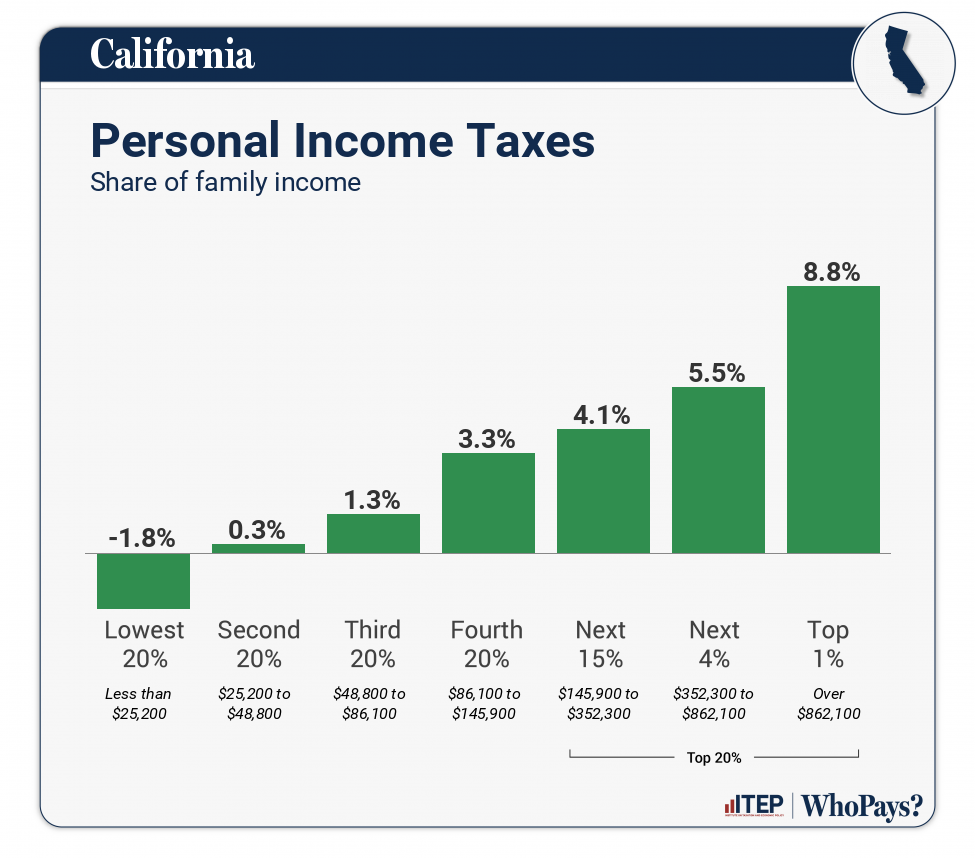
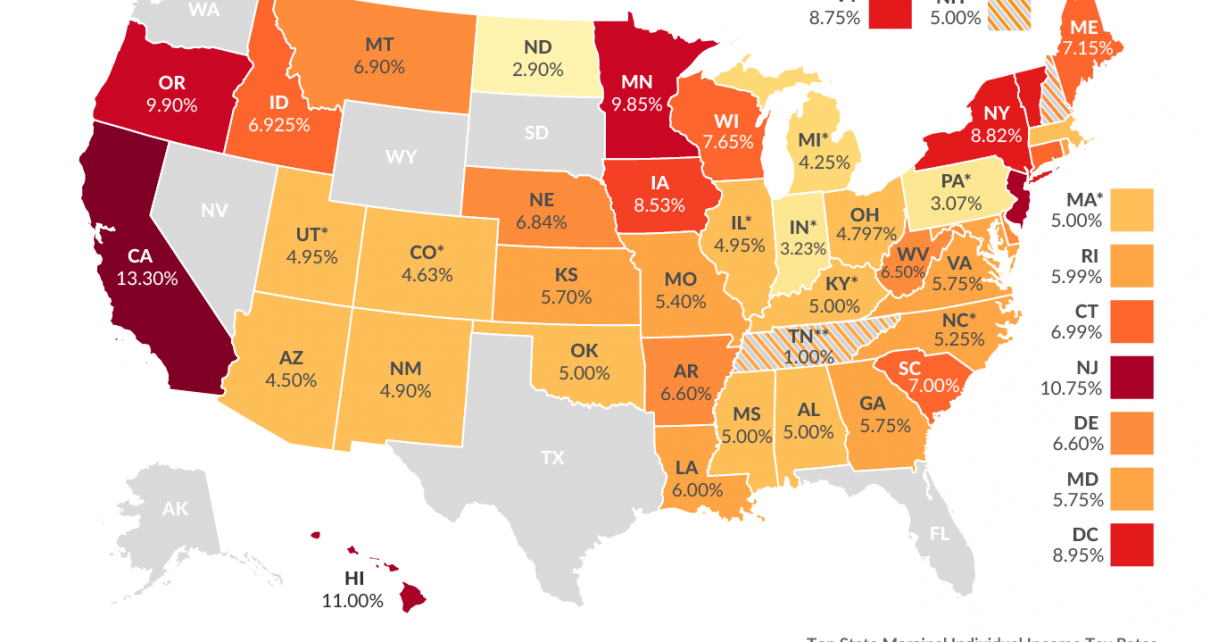
California has a progressive income tax system, meaning higher earners pay a larger percentage of their income in taxes. For residents, these rates can be among the highest in the United States, ranging from 1% to 13.3% for the highest earners. While this primarily concerns permanent residents, it can be relevant for long-term visitors, remote workers, or those considering a temporary relocation for work or extended travel.
If you maintain a presence in California for an extended period, particularly if you establish residency or earn income within the state, you could be subject to California income tax. This is a critical consideration for digital nomads, individuals exploring long-term accommodation options like apartment rentals in San Diego, or entrepreneurs setting up temporary operations in innovation hubs like Silicon Valley. The residency rules can be complex, so it’s always advisable to consult with a tax professional if you anticipate a stay that could blur the lines between visitor and resident. For the typical tourist on a short vacation, state income tax is generally not a concern, allowing you to focus on enjoying the attractions from Hollywood to Yosemite National Park without this particular financial worry.
Sales Tax: Impact on Everyday Purchases and Tourism
Sales tax is arguably the most common tax encounter for any visitor to California. The statewide sales tax rate is 7.25%, but this is just the baseline. Local jurisdictions, including cities and counties, can impose their own district sales taxes, often bringing the combined rate higher. For instance, in some areas, the sales tax can reach as high as 10.25% or even more.
This tax applies to most tangible goods purchased, from clothing and souvenirs bought on Rodeo Drive in Beverly Hills to electronics and groceries. It also applies to prepared food at restaurants, which is a significant part of the tourism experience, especially in culinary hotspots like San Francisco or Napa Valley. When budgeting for your travel experiences – be it tickets to Universal Studios Hollywood, a wine tasting tour, or just daily meals – remember to factor in this additional percentage. While 7.25% might seem manageable, higher local rates on multiple purchases throughout your trip can add up, particularly for families or those indulging in extensive shopping sprees in popular destinations like Santa Monica or Palm Springs.
Property Tax: A Consideration for Long-Term Accommodation
Property tax might seem irrelevant to the casual tourist, but it becomes a significant factor for anyone considering long-term accommodation, investing in a vacation home, or relocating to California. California’s property tax system is governed by Proposition 13, which limits the annual increase in assessed property value and sets the base tax rate at approximately 1% of the property’s purchase price, plus local assessments.
While Proposition 13 helps limit significant annual increases, the initial purchase price in California’s highly competitive real estate market means property tax payments can still be substantial. For individuals exploring the possibility of purchasing a villa in Laguna Beach, a condo in San Jose, or a lakeside retreat near Lake Tahoe, understanding this tax is crucial for long-term budgeting. It influences the overall cost of homeownership and can impact decisions regarding investment properties, short-term rental businesses, or even extended stays through platforms that might pass on owner-borne costs in subtle ways. For travel and tourism purposes, property taxes indirectly affect the cost of accommodation by influencing rental rates and the financial viability of various lodging options.
Direct Tax Impacts on Travel and Tourism in California
Beyond the general tax categories, there are specific taxes and fees that directly impact the cost of your travel within California. These are often referred to as “tourism taxes” or “lodging taxes” and are vital to factor into your vacation budget.
Hotel and Lodging Taxes: Budgeting for Your Stay
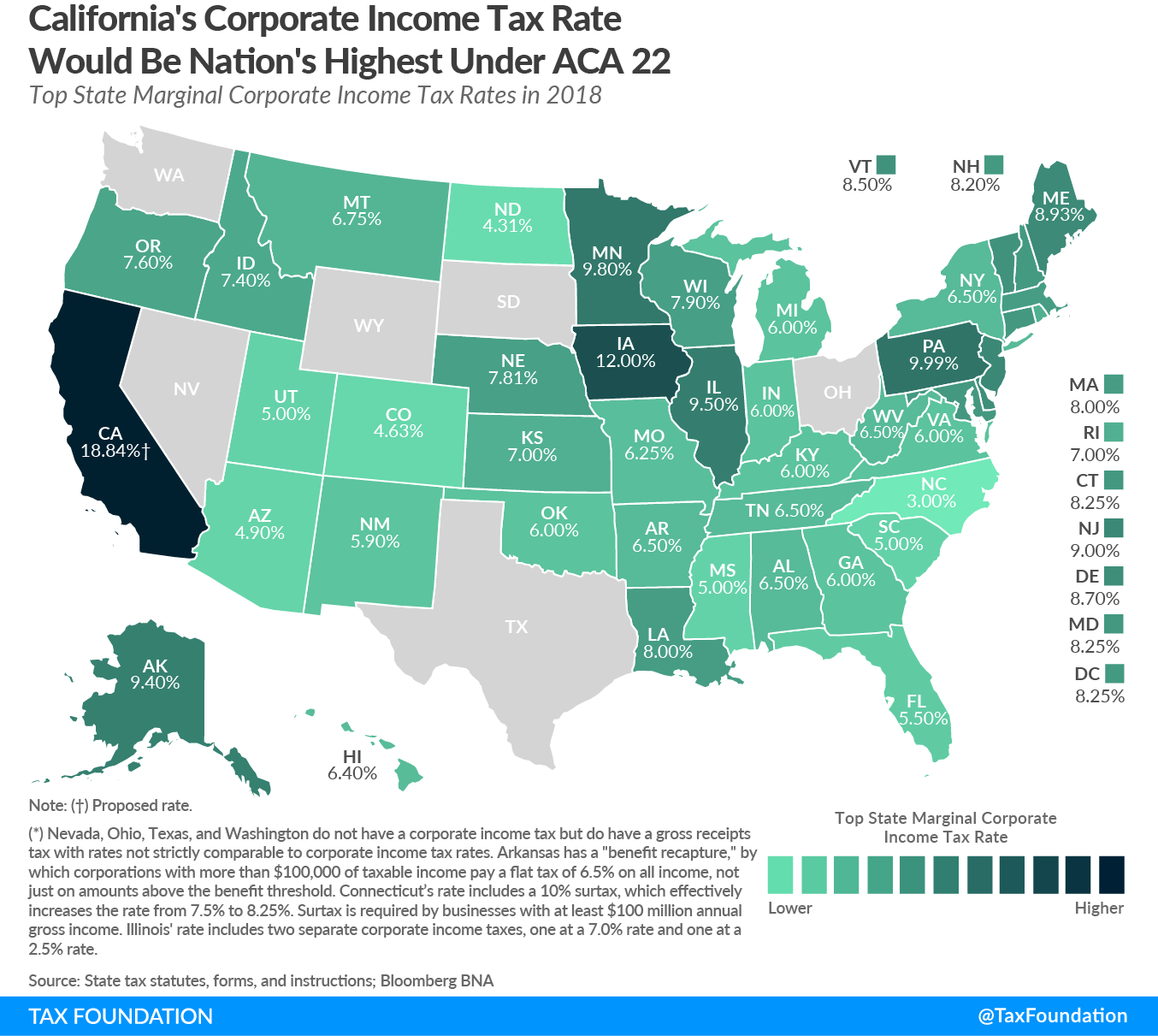
One of the most significant taxes affecting travelers is the Transient Occupancy Tax (TOT), commonly known as hotel tax or lodging tax. This tax is levied on stays at hotels, motels, resorts, suites, apartments, villas, and other forms of short-term accommodation. The rate of TOT varies widely by city and county across California, making it a crucial element in your accommodation budgeting.
For example, a city like San Francisco or Anaheim (home to Disneyland) might have a TOT rate exceeding 14-16%, sometimes even higher when combined with other local assessments. In contrast, smaller towns or less tourist-heavy regions might have lower rates. This means that a nightly rate advertised for a luxury resort in Malibu or a charming boutique hotel in Carmel-by-the-Sea will have a significant percentage added on at checkout. This can translate to hundreds of extra dollars over a multi-night stay, particularly for higher-end suites or long-term apartment rentals. Always check the specific hotel tax rate for your chosen destination when booking through platforms or directly with hotels. Understanding these variable rates will help you compare different accommodation options and ensure your budget accurately reflects the total cost of your stay, whether you’re planning a trip to the serene beaches of Santa Barbara or the lively boardwalk of Venice Beach.
Car Rental and Transportation Taxes
Exploring California’s expansive landscapes often involves renting a car, especially if you plan to drive the scenic Pacific Coast Highway or visit national parks like Death Valley or Joshua Tree National Park. Car rentals in California are subject to various taxes and fees, including sales tax on the rental itself, a mandatory tourism assessment fee, and sometimes airport concession fees if you pick up at major hubs like Los Angeles International Airport or San Francisco International Airport.
These charges can add a significant amount to the base rental price. For example, a 10% tourism assessment fee on top of sales tax and airport fees can make a seemingly affordable rental car substantially more expensive. Additionally, California has a high gas tax, which means refueling your vehicle throughout your journey will also be pricier compared to many other states. If you’re relying on ride-sharing services, sales tax and local fees are typically built into the fare. For those using public transportation in cities like Sacramento or Oakland, the costs are usually straightforward, but the overall transportation budget for a California trip needs careful planning to account for these various taxes and surcharges.
Taxes on Tourist Activities and Experiences
Most tourist activities and experiences in California are also subject to sales tax. This includes tickets to theme parks like Disneyland and Knott’s Berry Farm, admission to museums and historical sites such as Alcatraz Island or Hearst Castle, guided tours, boat excursions to Catalina Island, and even many entertainment venues. The sales tax rate applied will be the combined state and local rate for the specific location where the activity takes place.
When you purchase tickets online or at the gate, the listed price might not always include the tax, so it’s wise to assume an additional 7.25% to 10.25% will be added. This applies to everything from a celebrity home tour in Hollywood to a whale watching trip from Monterey, and even entry to natural wonders that charge fees like certain areas within Sequoia National Park or Kings Canyon National Park. Being aware of this will help you set a realistic budget for all the exciting things you plan to do, ensuring you can enjoy every attraction, from the Griffith Observatory’s stunning views to a walk along the Hollywood Walk of Fame, without budgetary strain.
Lifestyle and Long-Term Considerations: Beyond the Vacation
For those contemplating more than just a brief visit – perhaps a sabbatical, an extended remote work stint, or a full relocation – California’s tax environment takes on a more profound significance. The cumulative effect of various taxes contributes to the state’s notorious high cost of living, which is a major factor in lifestyle planning.
Cost of Living and Tax Burden: Planning a California Move
California is renowned for its high cost of living, and its tax structure plays a significant role in this. High income tax rates for residents, coupled with substantial property taxes in desirable areas like La Jolla or Palo Alto, mean that a substantial portion of income and wealth can be allocated to taxes. Even sales tax, when applied to a higher overall spending habit, becomes a larger cumulative expense.
For individuals and families considering a move, understanding the total tax burden is paramount. This impacts everything from housing choices (renting vs. buying in cities like Berkeley or Long Beach), to daily expenses, and even the feasibility of certain career paths. What might seem like an attractive salary could be significantly reduced after state and federal taxes, impacting disposable income for luxury travel, dining, or other lifestyle preferences. This is why thorough financial planning is essential for anyone dreaming of making California their home.
Special Taxes and Fees to Be Aware Of
Beyond the major tax categories, California also implements various special taxes and fees that can subtly affect both travelers and residents. These include:
- Gasoline Excise Tax: As mentioned earlier, California has one of the highest gas taxes in the United States. This directly impacts the cost of road trips, whether you’re driving across the state to explore Mendocino or navigating the freeways of Fresno.
- Toll Roads and Bridges: While not strictly taxes, tolls like those for the iconic Golden Gate Bridge or specific express lanes throughout the state add to transportation costs.
- Environmental Fees: State and national parks, such as Muir Woods National Monument or parts of the Redwood National Park system, often charge entrance fees, which sometimes include tax components or fund conservation efforts. These are crucial for maintaining the natural beauty that draws so many visitors.
- Cannabis Taxes: For those interested in California’s legal cannabis market, purchases are subject to cultivation taxes, excise taxes, and sales tax, adding a significant percentage to the retail price.
- Local Tourism Assessments: Some cities or regions might impose specific assessments on certain tourism-related businesses to fund local marketing or infrastructure projects. These are usually small but contribute to the overall cost of tourism.
Being aware of these additional costs, even if they seem minor individually, can prevent budget overruns and ensure a smoother financial experience, whether you’re enjoying the wine regions of Russian River Valley or the theme parks of Six Flags Magic Mountain and Legoland California.
In conclusion, “how much is California tax?” is a multifaceted question with implications for every aspect of travel and lifestyle in the Golden State. From the initial planning stages of your trip, encompassing choices of hotels, resorts, and travel experiences, to deeper considerations for those contemplating a longer-term stay or relocation, understanding the state’s tax system is indispensable. By factoring in sales tax on purchases, transient occupancy taxes on accommodation, transportation fees, and, for residents, income and property taxes, you can ensure a well-budgeted and financially stress-free journey through one of the United States’ most captivating states. Armed with this knowledge, you are better prepared to embrace all the wonders California has to offer, making your experience truly unforgettable.
LifeOutOfTheBox is a participant in the Amazon Services LLC Associates Program, an affiliate advertising program designed to provide a means for sites to earn advertising fees by advertising and linking to Amazon.com. Amazon, the Amazon logo, AmazonSupply, and the AmazonSupply logo are trademarks of Amazon.com, Inc. or its affiliates. As an Amazon Associate we earn affiliate commissions from qualifying purchases.