
California, often referred to as the Golden State, is an undisputed magnet for travelers, dreamers, and those seeking a vibrant lifestyle amidst unparalleled natural beauty. From the sun-drenched beaches of Los Angeles to the iconic hills of San Francisco, the majestic national parks like Yosemite and Death Valley, and the scenic drives along Highway 1, it offers an endless array of experiences. For many, the quintessential California experience involves hitting the open road, whether it’s for a spontaneous weekend getaway, a meticulously planned cross-state adventure, or simply navigating the daily commute as a new resident.
However, for anyone considering an extended stay, a relocation, or even just a long-term travel adventure exploring the vast expanse of the Golden State, understanding the practicalities of car ownership is paramount. While the allure of cruising down the Pacific Coast Highway is strong, the financial realities, particularly car registration, can often be an overlooked detail in budget planning. This guide is designed to demystify the costs and complexities of car registration in California, offering crucial insights for international travelers, domestic expats, long-term vacationers, and anyone contemplating making California their temporary or permanent home. By understanding these essential fees and requirements, you can ensure your California journey, whether it’s for travel, work, or lifestyle, remains as smooth and enjoyable as the roads you’ll traverse.
Decoding California Car Registration: Beyond the Basics for Travelers and New Residents
For those enchanted by California’s diverse offerings, having a vehicle often unlocks a greater sense of freedom and exploration. Yet, this freedom comes with responsibilities, one of the most fundamental being car registration. This isn’t just a bureaucratic hurdle; it’s a legal requirement that ensures your vehicle is properly documented and contributes to the state’s infrastructure and safety programs. For travelers envisioning a long-term stay, perhaps renting a villa for several months in Napa Valley or exploring potential relocation opportunities in San Diego County, understanding these costs upfront is vital for accurate budgeting and avoiding unexpected financial surprises.
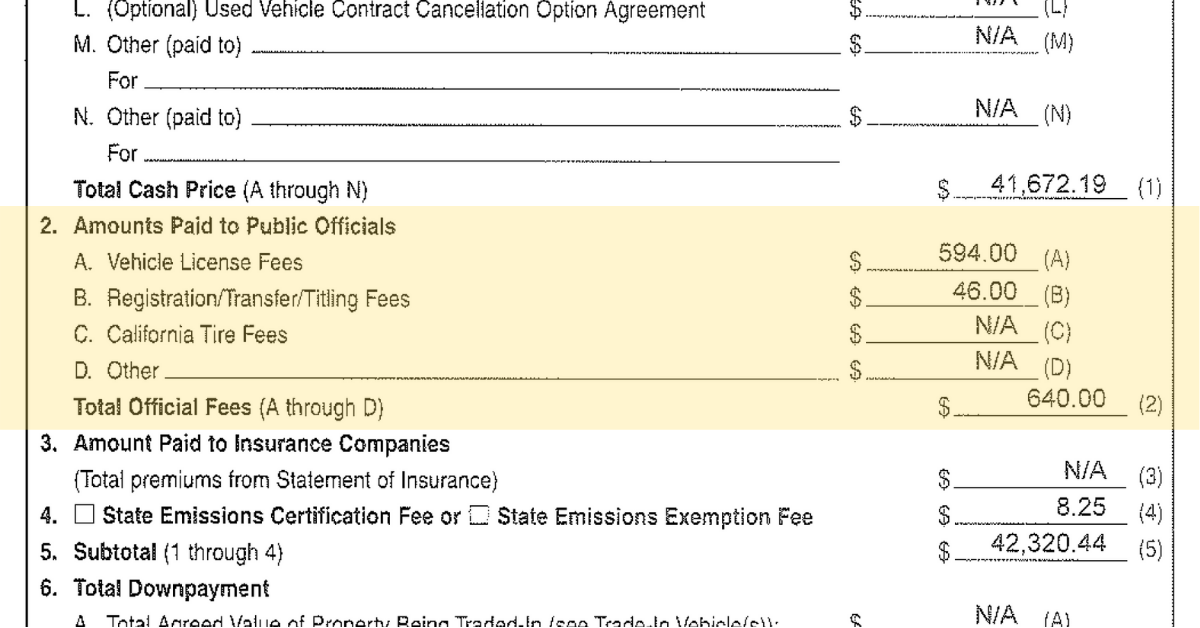
The primary authority overseeing vehicle registration in California is the Department of Motor Vehicles, widely known as the DMV. The DMV is the gatekeeper for all things related to driving and vehicle ownership, from issuing licenses to managing vehicle titles and registrations. When you register a car in California, you’re not paying a single flat fee; rather, you’re contributing to several different components, each serving a specific purpose. These components vary based on several factors, making it crucial to understand how they add up.
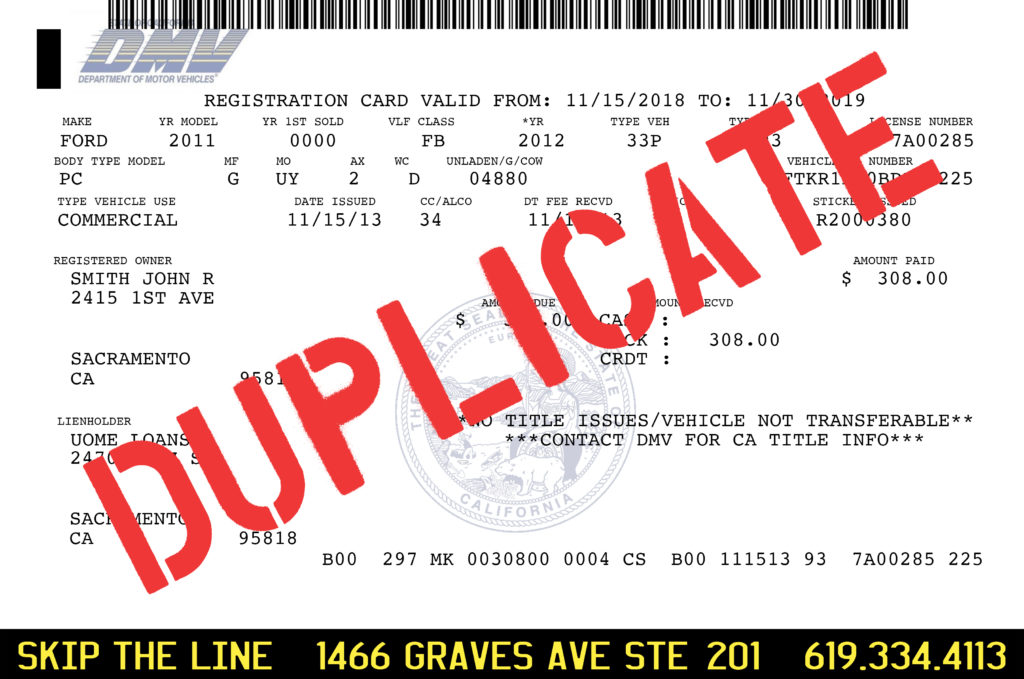
The core components of California car registration typically include:
- Registration Fee: This is the standard base fee that all registered vehicles must pay annually. It’s a foundational cost for maintaining your vehicle’s legal status in the state.
- California Highway Patrol (CHP) Fee: This fee directly supports the operations of the California Highway Patrol, which is responsible for ensuring safety on the state’s roads, enforcing traffic laws, and providing emergency services. It’s a small but significant contribution to keeping California’s expansive network of highways and roads safe for everyone, whether you’re commuting to Silicon Valley or embarking on a cross-state road trip.
- Vehicle License Fee (VLF): This is often the most substantial and variable part of your registration bill. The Vehicle License Fee is essentially a property tax on your vehicle, calculated as a percentage of its market value. As your vehicle ages and depreciates, this fee typically decreases. This means a brand-new luxury sedan will incur a much higher VLF than an older, more modest car, directly impacting the lifestyle choice of vehicle ownership in California.
- Transportation Improvement Fee (TIF): Introduced to fund crucial infrastructure projects across the state, the Transportation Improvement Fee is a tiered fee based on the value of your vehicle. It contributes to maintaining and improving California’s vast network of roads, bridges, and public transportation, ensuring a smoother journey for everyone.
- County/District Fees: Depending on where your vehicle is registered within California, you may be subject to additional local surcharges. These fees are often levied by specific counties or regional districts to fund local transportation projects, air quality initiatives, or other community-specific programs. For instance, residents of Los Angeles County or Orange County might pay different district fees than someone registering their vehicle in Sacramento or Santa Clara County.
Key Factors Influencing Your Registration Cost
The total cost of your car registration in California is far from static. It’s a dynamic figure influenced by several key variables, making it essential for anyone planning an extended stay or relocation to understand how these factors apply to their specific situation.
- Vehicle Value: As mentioned, the market value of your vehicle directly dictates the Vehicle License Fee. If you’re considering a more opulent lifestyle in California with a high-end luxury vehicle, expect a significantly higher VLF compared to an older, more budget-friendly car. This decision impacts not just your initial purchase but your ongoing annual expenses.
- Vehicle Type: The classification of your vehicle also plays a role. Passenger cars, motorcycles, recreational vehicles (RVs), and commercial vehicles each have slightly different fee structures. For long-term travelers or those embracing a nomadic lifestyle, an RV could serve as both transportation and accommodation, but it also comes with its own set of registration costs.
- Vehicle Age: Depreciation is a friend when it comes to the VLF. As your vehicle ages and its market value naturally decreases, so too will the annual Vehicle License Fee. This can make older, well-maintained vehicles a more attractive option for those on a tighter budget for their California adventures.
- Vehicle Weight: For some vehicle types, particularly commercial vehicles or larger trucks, certain fees might be calculated based on the vehicle’s unladen weight. While less common for standard passenger cars, it’s another factor that can influence the final tally.
- County of Residence: The specific county or district where you register your vehicle can add to your registration cost due to local surcharges. These district-specific fees contribute to local initiatives such as air quality management, public transportation enhancements, or specific regional projects. For example, the Southern California region, including Los Angeles County and Orange County, often has specific air quality management fees, while other regions might prioritize different local needs. It’s always wise to use the DMV’s online calculator with your specific address for the most accurate estimate.
Budgeting for Your California Automotive Adventure: Hidden Costs and Considerations
Beyond the immediate costs of car registration, truly embracing the California lifestyle with a vehicle requires a holistic budgeting approach. For those embarking on an extended trip, planning a relocation, or simply managing a new way of life in the Golden State, anticipating these additional expenses is as crucial as choosing the right accommodation or travel itinerary. Overlooking these “hidden” costs can quickly inflate your overall expenditure, turning a dream adventure into a financial strain.
Beyond Annual Fees: Other Essential Costs
While annual registration fees are significant, they are just one piece of the automotive puzzle in California. Prudent budgeting means considering a broader spectrum of expenses:
- Smog Check: Most vehicles registered in California are required to pass a smog check every two years as part of their registration renewal. This inspection ensures your vehicle meets state emissions standards, a critical component of California’s commitment to environmental quality. If you’re driving an older car, ensuring it passes the smog check might require prior maintenance, adding to the expense. For those exploring California’s stunning natural landmarks, contributing to cleaner air is a shared responsibility.
- Sales Tax: If you purchase a vehicle in California, you will be subject to state sales tax, which applies to the purchase price of the car. This can be a substantial upfront cost, often overlooked by new residents or those buying a car for their extended stay.
- Insurance: Car insurance in California is mandatory and can be notoriously expensive, especially in urban areas like Los Angeles or San Francisco. Premiums are influenced by numerous factors, including your driving record, the type and value of your vehicle, where you live, and even where you park. Obtaining several quotes is highly recommended. Adequate insurance is not just a legal requirement but also offers crucial peace of mind when navigating the state’s busy roads, allowing you to focus on enjoying your travel experiences.
- Permit Fees: In many of California’s bustling cities and residential neighborhoods, particularly in dense areas like West Hollywood or parts of San Francisco, parking can be a significant challenge. If you’re settling into long-term accommodation, you might need to purchase residential parking permits, which are annual or semi-annual fees for the privilege of parking on the street near your residence. These fees can range from minimal to substantial depending on the location.
- Maintenance: Regular vehicle maintenance is crucial for safety, reliability, and preventing more costly repairs down the line. This is especially true if you plan on embarking on extensive road trips to places like Yosemite or along Highway 1. Factor in routine oil changes, tire rotations, and other preventative care to ensure your California journey remains uninterrupted.
- Fuel Costs: California is known for having some of the highest gasoline prices in the United States, often significantly above the national average. This is a critical ongoing expense to factor into your travel or living budget, particularly if your plans involve a lot of driving.
Special Scenarios for Extended Stays and Relocations
Moving to California or planning an extended stay with your vehicle from another state or country introduces specific rules and timelines that you must adhere to.
- Out-of-State Vehicles: If you’re moving to California from another state, you are generally considered a “new resident” once you accept employment, place your children in school, or establish residency (e.g., signing a lease). The DMV typically requires you to register your out-of-state vehicle within 20 days of establishing residency. This process often involves a VIN verification, an odometer reading, and potentially a smog check, even if your vehicle recently passed one in your previous state. Failing to register within the timeframe can result in penalties.
- New Residents: Beyond the 20-day rule for vehicles, new residents also need to transfer their driver’s license within a reasonable period. The integration of these two processes – license and vehicle registration – is key to becoming a legally compliant California resident.
- Vehicle Transfer: If you purchase a used car from a private party in California, you are responsible for transferring the ownership and registering the vehicle in your name. This typically needs to be done within 10 days of the sale and involves submitting the title, a bill of sale, and paying applicable fees and sales tax.
- Renewals: Car registration in California is an annual process. The DMV will mail you a renewal notice several weeks before your registration expires. You can often renew online, by mail, or in person, provided you’ve passed any required smog checks and your insurance is current. Keep an eye on your renewal date to avoid late fees.
Navigating California’s Roads: Practical Tips for a Seamless Experience
Successfully managing your car registration in California is more than just paying fees; it’s about setting yourself up for a stress-free experience, whether you’re here for a short-term adventure or a long-term lifestyle change. The freedom of the open road is a huge part of the California dream, offering unparalleled access to everything from the entertainment capital of Hollywood to the natural wonders of the Sierra Nevada. Understanding and planning for the practicalities ensures that administrative hurdles don’t overshadow your journey.
Maximizing Your California Journey: Tips for Car Owners and Travelers
Arming yourself with the right information and planning ahead can significantly simplify the process of vehicle ownership in the Golden State.
- Utilize Online Tools: The DMV website is an invaluable resource. It offers online calculators to estimate registration fees, allows for convenient online renewals, and provides detailed guides for various scenarios, including new registrations and out-of-state transfers. Leveraging these digital tools can save you considerable time and effort, preventing potentially long waits at physical DMV offices.
- Plan Ahead: Whether you’re moving to California or just planning an extended stay, do not procrastinate on car registration. New registrations, especially for out-of-state vehicles, can sometimes involve multiple steps and appointments. Starting the process early ensures you comply with deadlines and avoid accumulating late fees or other penalties that could detract from your experience.
- Budget Accordingly: Incorporate all vehicle-related costs—registration, insurance, smog checks, maintenance, fuel, and potential parking permits—into your overall California travel or relocation budget. A clear financial picture will help you make informed decisions about your vehicle choice and lifestyle, ensuring your adventure remains enjoyable without unexpected monetary stress.
- Consider Alternatives for Specific Trips: While a personal vehicle offers unmatched flexibility for exploring vast regions like Death Valley or a road trip down Route 66, it might not always be the most practical or economical choice for every situation. For shorter stays, intense urban explorations in cities like [San Francisco](https://lifeoutofthebox.com/san-francisco] (where public transport is excellent and parking is scarce), or if you anticipate minimal driving, consider public transportation, ride-sharing services, or short-term car rentals. These alternatives can sometimes circumvent the complexities and costs of full vehicle ownership, especially if you’re only visiting for a few weeks or months.
- Embrace California by Car: Despite the associated costs and administrative tasks, owning a car in California ultimately provides unparalleled freedom to explore its incredible diversity. From a spontaneous drive to Disneyland to a scenic tour of Napa Valley wineries, or an epic journey through Big Sur along Highway 1, a vehicle transforms the entire state into your playground. Understanding and preparing for car registration is a small investment for the immense travel experiences and lifestyle opportunities that await.
In conclusion, while the question “How much is car registration in California?” appears straightforward, the answer involves a multifaceted calculation influenced by your vehicle, location, and specific circumstances. It’s a crucial aspect of responsible vehicle ownership in the Golden State, particularly for those planning extended stays, embracing a new lifestyle, or embarking on an extensive travel itinerary. By taking the time to understand these fees and the broader associated costs, you empower yourself to navigate California’s roads with confidence and peace of mind. This meticulous planning ensures that the practicalities of car ownership enhance, rather than hinder, your ability to fully immerse yourself in the vibrant culture, stunning landscapes, and unforgettable adventures that define the California experience.
LifeOutOfTheBox is a participant in the Amazon Services LLC Associates Program, an affiliate advertising program designed to provide a means for sites to earn advertising fees by advertising and linking to Amazon.com. Amazon, the Amazon logo, AmazonSupply, and the AmazonSupply logo are trademarks of Amazon.com, Inc. or its affiliates. As an Amazon Associate we earn affiliate commissions from qualifying purchases.