
Navigating the complexities of child support can be one of the most challenging aspects for parents in Alabama. Beyond the emotional toll of separation or divorce, ensuring a child’s financial well-being is paramount, impacting everything from daily necessities to future opportunities and even the ability to enjoy family lifestyle experiences like travel and leisure. For parents of one child, understanding the specific guidelines and calculations in Alabama is crucial for financial stability, enabling thoughtful planning for accommodation, education, and the enriching travel experiences that contribute to a child’s holistic development. This comprehensive guide delves into the specifics of child support for one child in Alabama, offering clarity on the process, factors influencing amounts, and how these financial considerations tie into a broader family lifestyle.
Understanding Alabama’s Child Support Guidelines
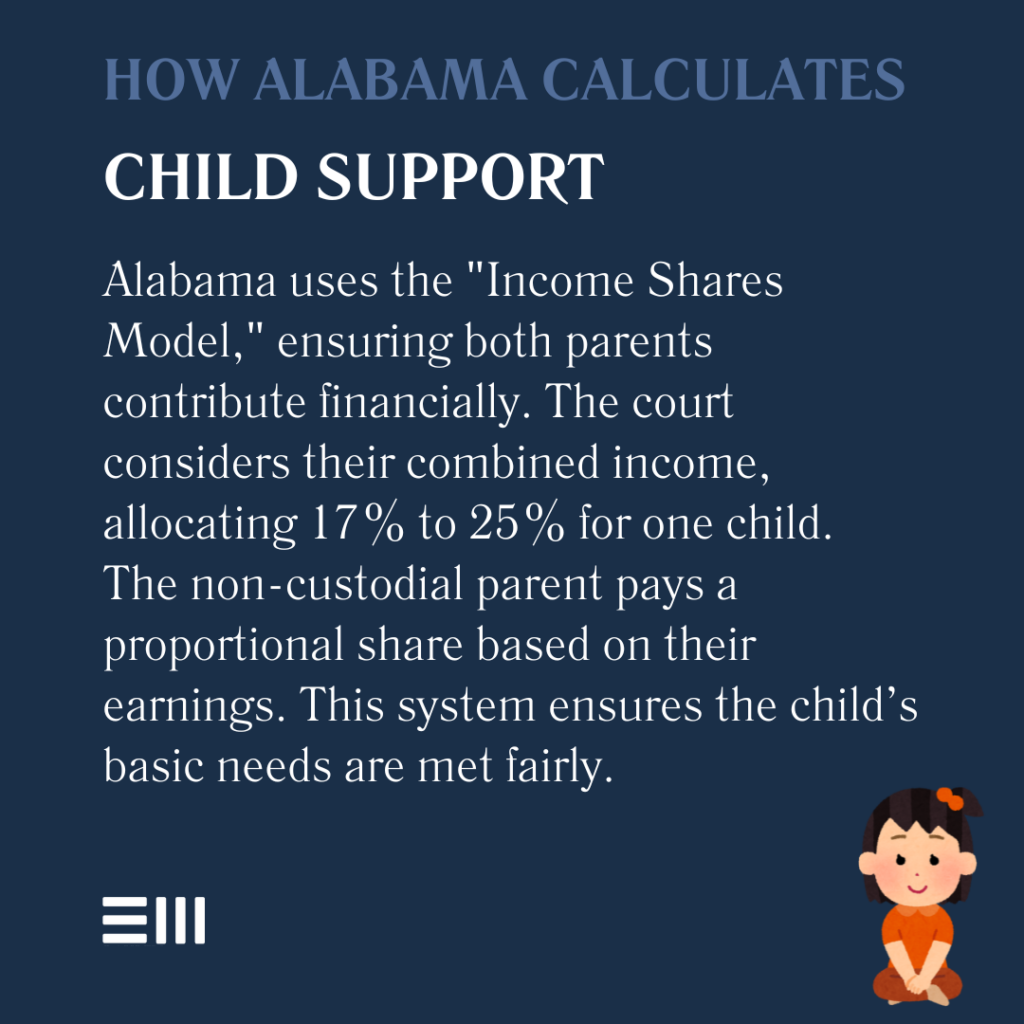
Child support in Alabama is primarily governed by Rule 32 of the Alabama Rules of Judicial Administration. This rule establishes a detailed framework designed to ensure that children receive consistent financial support from both parents, reflecting what they would have received had the parents remained together. The state utilizes the “Income Shares Model,” which is based on the premise that a child should receive the same proportion of parental income that they would have received if the parents lived in an intact household. This model calculates a theoretical combined parental income and then determines each parent’s share of that income, ultimately dictating their child support obligation.
The application of Rule 32 is fairly consistent across different jurisdictions within the state, whether you’re dealing with family courts in Birmingham, Alabama, Montgomery, Alabama, or Huntsville, Alabama. It considers various components, starting with each parent’s gross income. Gross income includes not just wages and salaries, but also commissions, bonuses, self-employment income, rental income, retirement benefits, and even unemployment compensation. From this gross income, certain deductions are made to arrive at an adjusted gross income. These deductions typically include pre-existing child support payments for other children, court-ordered alimony, and sometimes certain health insurance premiums. The resulting adjusted gross income for both parents is then combined to form the basis of the child support calculation.
Understanding these foundational principles is the first step toward accurately estimating child support. It’s not simply about one parent paying the other; it’s about both parents contributing equitably to the financial needs of their child, allowing for stability that can lead to a richer family life, including the ability to pursue travel and leisure activities that create lasting memories.
Calculating Basic Child Support Obligation
The core of Alabama’s child support calculation lies in determining the combined adjusted gross income of both parents. Once this figure is established, the courts refer to the Schedule of Basic Child Support Obligations. This schedule is a table provided by the state that outlines the basic support amount for a given combined income level and number of children. For one child, this schedule provides a specific amount deemed necessary to cover basic needs.
Let’s illustrate with a hypothetical example. Suppose Parent A (the non-custodial parent) has an adjusted gross monthly income of $4,000, and Parent B (the custodial parent) has an adjusted gross monthly income of $2,500. Their combined adjusted gross monthly income would be $6,500. Consulting the Alabama Schedule of Basic Child Support Obligations for one child at a combined income of $6,500 might indicate a basic support obligation of, for instance, $950 per month (this is a hypothetical figure for illustration and does not reflect current official numbers, which can vary).
From this total basic obligation, each parent’s pro-rata share is determined. In our example, Parent A’s share of the combined income is approximately 61.5% ($4,000 / $6,500), and Parent B’s share is approximately 38.5% ($2,500 / $6,500). Therefore, Parent A’s basic child support obligation would be 61.5% of $950, which is approximately $584.25. This amount is generally paid by the non-custodial parent to the custodial parent.
This calculation is the bedrock, but it’s important to remember that it’s just the basic obligation. Real-world scenarios often involve additional expenses that modify this figure. The more accurately parents can determine their adjusted gross incomes, the more precise the initial calculation will be. This financial clarity is not only vital for legal compliance but also for personal budgeting, which then impacts the feasibility of family trips, whether they involve a stay at a resort in Gulf Shores, Alabama, or a broader family adventure.
Adjustments and Additions to the Basic Obligation
While the basic child support obligation forms the foundation, Alabama courts also factor in several crucial adjustments and additions to ensure that all necessary expenses for the child are covered. These additions often significantly impact the final child support amount for one kid and are critical for comprehensive financial planning.
-
Healthcare Costs: The cost of health insurance for the child is a significant factor. The parent who carries the health insurance for the child typically receives a credit for the premium amount, which is then added to the basic support obligation and prorated between the parents based on their income shares. Uninsured medical expenses, such as co-pays or deductibles, are usually split between the parents in proportion to their income shares.
-
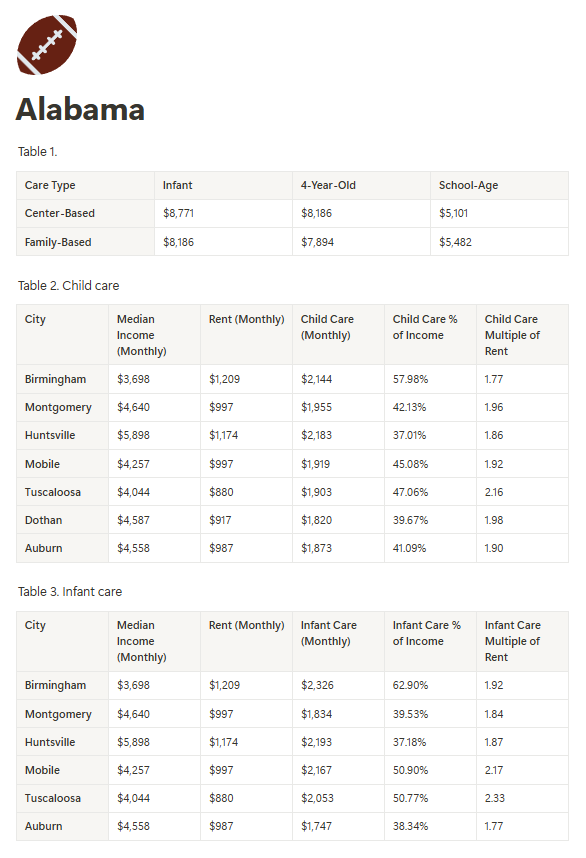
Childcare Expenses: Work-related childcare costs are another common adjustment. If a parent incurs expenses for childcare to allow them to work or seek employment, these costs are typically added to the basic child support obligation and then prorated between the parents. This ensures that both parents contribute to the necessary expenses that enable their individual financial contributions.
-
Extraordinary Expenses: Rule 32 also allows for deviations for extraordinary expenses. These can include:
- Extraordinary Medical Expenses: Costs exceeding a certain threshold (e.g., specific percentage of the basic obligation or a fixed amount) that are not covered by insurance.
- Extraordinary Educational Expenses: Such as private school tuition for a child with special needs, or specific tutoring not covered by the public school system, if agreed upon or deemed necessary by the court.
- Special Needs: Costs associated with a child’s specific physical, mental, or developmental needs that require specialized care or equipment.
- Travel Expenses for Custody Exchange: While not always a direct addition to the monetary support, significant travel costs incurred by one parent for the sole purpose of exchanging custody can sometimes be considered by the court as a factor influencing the overall financial arrangement or even a deviation from guidelines, indirectly affecting the net financial burden on each parent. This consideration highlights how logistical aspects of co-parenting, even related to travel, have financial implications.
These adjustments are vital for reflecting the true cost of raising a child and ensuring that parents in Alabama are adequately contributing to all facets of their child’s life. Accurately accounting for these additions is not just a legal requirement but a practical necessity for budgeting for a child’s future, whether it involves planning for advanced education, specific healthcare needs, or even dream family vacations.
Factors Influencing Child Support Amounts
While the guidelines provide a structured approach, several factors can influence the final child support amount for one kid in Alabama. These considerations allow for the customization of orders to fit the unique circumstances of each family, emphasizing the court’s commitment to the child’s best interests.
Custody Arrangements
The type of custody arrangement significantly impacts child support calculations.
- Sole Physical Custody: In traditional sole physical custody, one parent (the custodial parent) has the child for the majority of the time, and the other parent (the non-custodial parent) pays child support based on the standard Rule 32 calculation.
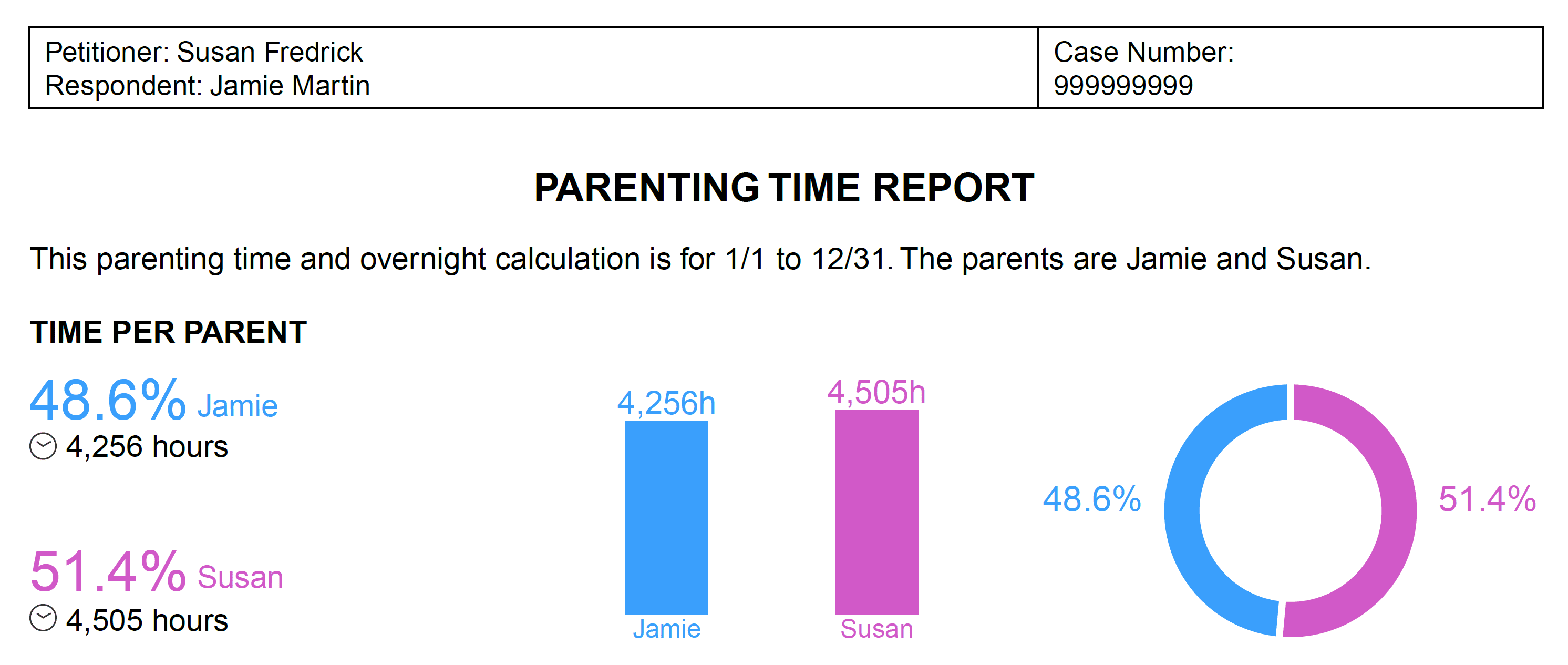
- Joint Physical Custody (Shared Parenting): If parents share physical custody, meaning each parent has the child for a significant number of overnights (typically 120 or more nights per year), the child support calculation becomes more complex. Alabama uses a specific formula for shared physical custody that considers the number of overnights each parent has. Generally, a higher number of overnights with the non-custodial parent can lead to a reduction in the child support obligation, as that parent is directly incurring more daily expenses for the child. This arrangement often requires more meticulous co-parenting and planning, including potential needs for shared accommodation during travel or vacation times.
Deviation from Guidelines
While Alabama’s child support guidelines are presumed to be correct, judges have the discretion to “deviate” from them under certain circumstances. A deviation means the court orders a child support amount that is higher or lower than what the guidelines would normally dictate. Reasons for deviation must be documented in the court order and must be in the “best interest of the child.” Common reasons for deviation include:
- Written Agreement Between Parents: If both parents agree to a different amount, and the court finds it to be in the child’s best interest, it may approve the deviation.
- Extraordinary Assets or Debts: One parent having unusually high assets (e.g., extensive real estate holdings, significant investments beyond standard income) or extraordinary debts (e.g., medical debt, pre-marital debt) could be a basis for deviation.
- Special Needs of the Child: As mentioned earlier, significant special medical, educational, or other needs that the standard guidelines don’t adequately cover can warrant a deviation.
- Costs of Transportation for Visitation: If one parent incurs substantially high costs for transporting the child for visitation, especially across state lines (e.g., from Mobile, Alabama to Florida), the court might consider this. This specific point ties directly into the ‘Travel’ aspect of the website, as these costs can significantly impact a parent’s overall budget for family trips and experiences.
- Best Interest of the Child: This is a broad category, allowing the court flexibility to address unique situations where strict application of the guidelines would be inequitable or detrimental to the child.
Self-Employment and Imputed Income
Calculating income for self-employed parents can be more intricate. The court will look at gross receipts minus ordinary and necessary business expenses. However, personal expenses that are improperly deducted as business expenses might be added back to determine true income for child support purposes.
Imputed Income comes into play when a parent is voluntarily unemployed or underemployed. If a parent is capable of working but chooses not to, or chooses to work at a job that pays significantly less than their earning potential, the court may “impute” income to them. This means the court will assign an income based on their past earnings, education, skills, and the local job market (e.g., in areas like Auburn, Alabama or Tuscaloosa, Alabama). The purpose is to prevent a parent from intentionally lowering their income to avoid child support obligations. This ensures fairness and consistent support for the child, providing a predictable financial base from which families can plan their lifestyle, including trips and leisure activities.
Modifying Existing Child Support Orders
Life circumstances are rarely static, and what was an appropriate child support order initially might not be suitable years down the line. Alabama law allows for modification of existing child support orders, but it requires specific criteria to be met.
The primary requirement for modifying child support is demonstrating a “material and substantial change in circumstances.” This change must be significant and affect either the financial needs of the child or the financial ability of one or both parents to pay or receive support. Examples of such changes include:
- Significant Change in Income: A substantial increase or decrease in either parent’s income, such as a job loss, promotion, or a new higher-paying position. This change must typically be long-term and not just a temporary fluctuation.
- Change in Child’s Needs: An increase in the child’s expenses due to new medical conditions, educational needs, or participation in expensive extracurricular activities.
- Change in Custody Arrangement: A formal change in the primary physical custody arrangement or the number of overnights, particularly in shared parenting situations.
- Incarceration: If a parent is incarcerated, their income-earning ability can be severely impacted, potentially warranting a modification.
The process for modification typically involves filing a petition with the court that issued the original order. Both parents will usually need to provide updated financial information, including income, expenses, and health insurance costs. The court will then recalculate child support based on the current Alabama guidelines and the new circumstances. It’s crucial to understand that child support orders are not automatically adjusted; parents must proactively seek a modification through the legal system. This flexibility ensures that child support remains fair and relevant, contributing to the financial stability that underpins a family’s ability to plan for significant life events, including memorable travel experiences and comfortable accommodation.
Enforcement of Child Support Orders and Financial Stability
Once a child support order is established by an Alabama court, it is a legally binding obligation. Ensuring compliance is vital for the child’s well-being and the financial stability of the custodial parent. The Alabama Department of Human Resources plays a critical role in assisting parents with the establishment and enforcement of child support orders, offering services such as locating non-custodial parents, establishing paternity, and collecting payments.
Consequences of non-payment can be severe and include:
- Wage Garnishment: A court order can direct an employer to withhold child support payments directly from a parent’s paycheck.
- Income Tax Refund Intercept: Federal and state income tax refunds can be intercepted to pay overdue child support.
- License Suspension: Driver’s licenses, professional licenses, and even hunting/fishing licenses can be suspended.
- Contempt of Court: Parents who willfully fail to pay child support can be held in contempt of court, which may result in fines, probation, or even jail time.
- Lien on Property: A lien can be placed on real or personal property, preventing its sale or transfer until child support arrears are paid.
Consistent child support payments are more than just a legal obligation; they are a fundamental pillar of financial stability for the child and the custodial household. This stability directly impacts a family’s lifestyle, including their ability to plan for the future. When child support is reliable, parents can budget effectively, not just for immediate needs like food and clothing, but also for long-term goals such as education funds, extracurricular activities, and enriching family experiences.
Consider the impact on family travel. With predictable child support, parents can confidently set aside funds for vacations, whether it’s a visit to the historic sites in Selma, Alabama, a relaxing beach trip to Orange Beach, Alabama, or even an adventure to another state like Georgia or Mississippi. This financial predictability allows for booking comfortable accommodation, planning engaging activities, and exploring new destinations without undue stress. Without it, such lifestyle enhancements often remain out of reach, impacting the quality of life and opportunities available to the child. Therefore, effective child support enforcement is intrinsically linked to fostering a stable and fulfilling lifestyle, creating opportunities for travel, tourism, and memorable experiences that enrich a child’s development.
Beyond the Numbers: Support for a Child’s Well-being and Future
While the financial aspect of child support for one kid in Alabama is clearly defined by legal guidelines, its true impact extends far beyond mere monetary figures. Child support is a critical component of a child’s overall well-being and future prospects, intertwining with various aspects of their lifestyle, including their access to enriching experiences and educational opportunities.
Effective child support ensures a level of financial stability that directly contributes to a child’s sense of security. Knowing that their basic needs are consistently met allows a child to thrive, focusing on their studies, social interactions, and personal growth rather than being burdened by financial anxieties. This stability is the bedrock upon which parents can build a rich and varied lifestyle for their child.
This includes the ability to participate in various activities, whether it’s joining a sports team in Dothan, Alabama, taking music lessons, or going on educational trips. For many families, child support forms part of the budget that makes such experiences possible. Moreover, it allows for family trips that create lasting memories and broaden a child’s horizons. Imagine a family being able to visit Birmingham’s Civil Rights Institute to learn about history, or exploring the natural beauty of Cheaha State Park. These are not just leisure activities; they are invaluable educational experiences that foster curiosity, cultural understanding, and a connection to the world around them.
The “Lifestyle” aspect of our website, encompassing family trips, luxury travel, and budget-conscious adventures, is deeply connected to a family’s financial planning. A well-structured child support agreement facilitates the pursuit of these lifestyle choices. It enables parents to budget for stays in family-friendly hotels, explore diverse destinations, and ensure their child gains a wide array of experiences, from local tourism in Florence, Alabama to potentially wider journeys across the country or even internationally, provided the financial stability allows for it.
Ultimately, child support is an investment in a child’s future. It helps provide access to quality education, healthcare, and opportunities for personal development. From saving for college tuition to planning an unforgettable graduation trip, the financial framework provided by child support allows parents to look ahead and secure their child’s future, ensuring they have every chance to succeed and experience all that life has to offer. This holistic approach to child support underscores its role not just as a legal obligation, but as a commitment to fostering a vibrant, stable, and enriching lifestyle for one’s child in Alabama.
Understanding how much child support is for one kid in Alabama involves navigating state guidelines, income calculations, potential adjustments, and the various factors that can influence the final order. While complex, a clear understanding empowers parents to ensure their child’s financial well-being, paving the way for a stable home environment and the ability to enjoy a fulfilling lifestyle that includes enriching travel and diverse experiences. For personalized advice and accurate calculations, consulting with a qualified family law attorney in Alabama is always recommended.
LifeOutOfTheBox is a participant in the Amazon Services LLC Associates Program, an affiliate advertising program designed to provide a means for sites to earn advertising fees by advertising and linking to Amazon.com. Amazon, the Amazon logo, AmazonSupply, and the AmazonSupply logo are trademarks of Amazon.com, Inc. or its affiliates. As an Amazon Associate we earn affiliate commissions from qualifying purchases.