
Navigating the financial landscape of co-parenting can be complex, and understanding child support is a cornerstone of family financial planning in Colorado. For parents of one child, the calculations and implications of child support directly influence household budgets, lifestyle choices, and the ability to maintain a desired standard of living for both the child and each parent. This isn’t just a legal obligation; it’s a fundamental aspect of lifestyle management, impacting everything from daily expenses to the feasibility of family trips and long-term financial stability.
Understanding Colorado’s Child Support Guidelines: A Foundation for Lifestyle Planning
In Colorado, child support is determined by specific guidelines outlined in the Colorado Revised Statutes. These guidelines are designed to ensure that children receive financial support from both parents, reflecting the income each parent would have contributed had the family remained intact. For families managing separate households, this foundational understanding is critical for budgeting and lifestyle planning.
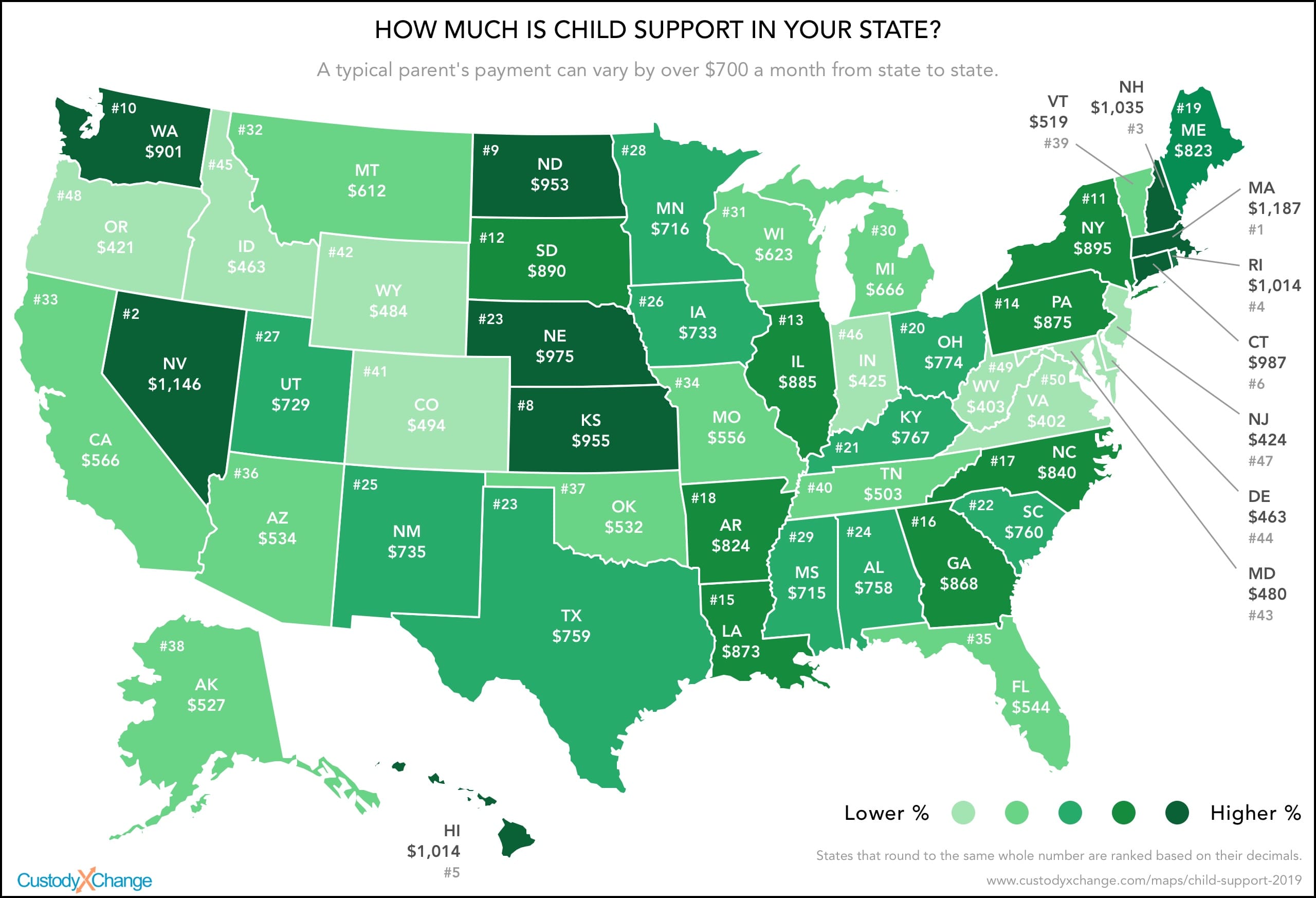
Key Factors in Calculation
Several critical factors influence the calculation of child support for one child in Colorado. These aren’t just numbers on a form; they represent real-world financial commitments that shape a family’s lifestyle.
- Gross Monthly Income of Both Parents: This is perhaps the most significant factor. The court considers all income sources, including salaries, wages, bonuses, commissions, and even certain benefits. The higher the combined income, generally the higher the support obligation, reflecting a higher standard of living that the child is accustomed to or would have enjoyed.
- Number of Overnights with Each Parent: Colorado’s guidelines account for the amount of time each parent spends with the child. If parents share substantially equal parenting time (typically defined as more than 92 overnights per year for each parent), the support calculation formula adjusts, often resulting in a lower net payment between parents, as both are directly contributing to the child’s daily expenses during their time. This directly impacts the daily lifestyle and expenditure patterns in each household.
- Child Care Costs: Reasonable and necessary child care expenses incurred due to a parent’s employment or job search are factored in. These costs are often substantial and directly impact a parent’s disposable income, influencing their overall lifestyle budget.
- Health Insurance Premiums: The cost of health insurance for the child is included in the calculation. This is a non-negotiable expense that contributes to the child’s well-being and is a fixed component of the financial support.
- Other Extraordinary Expenses: This can include expenses like private school tuition, specific medical treatments not covered by insurance, or specialized extracurricular activities. While not always present, these can significantly alter the child support amount and, consequently, the lifestyle budget for both parents.
The Income Shares Model
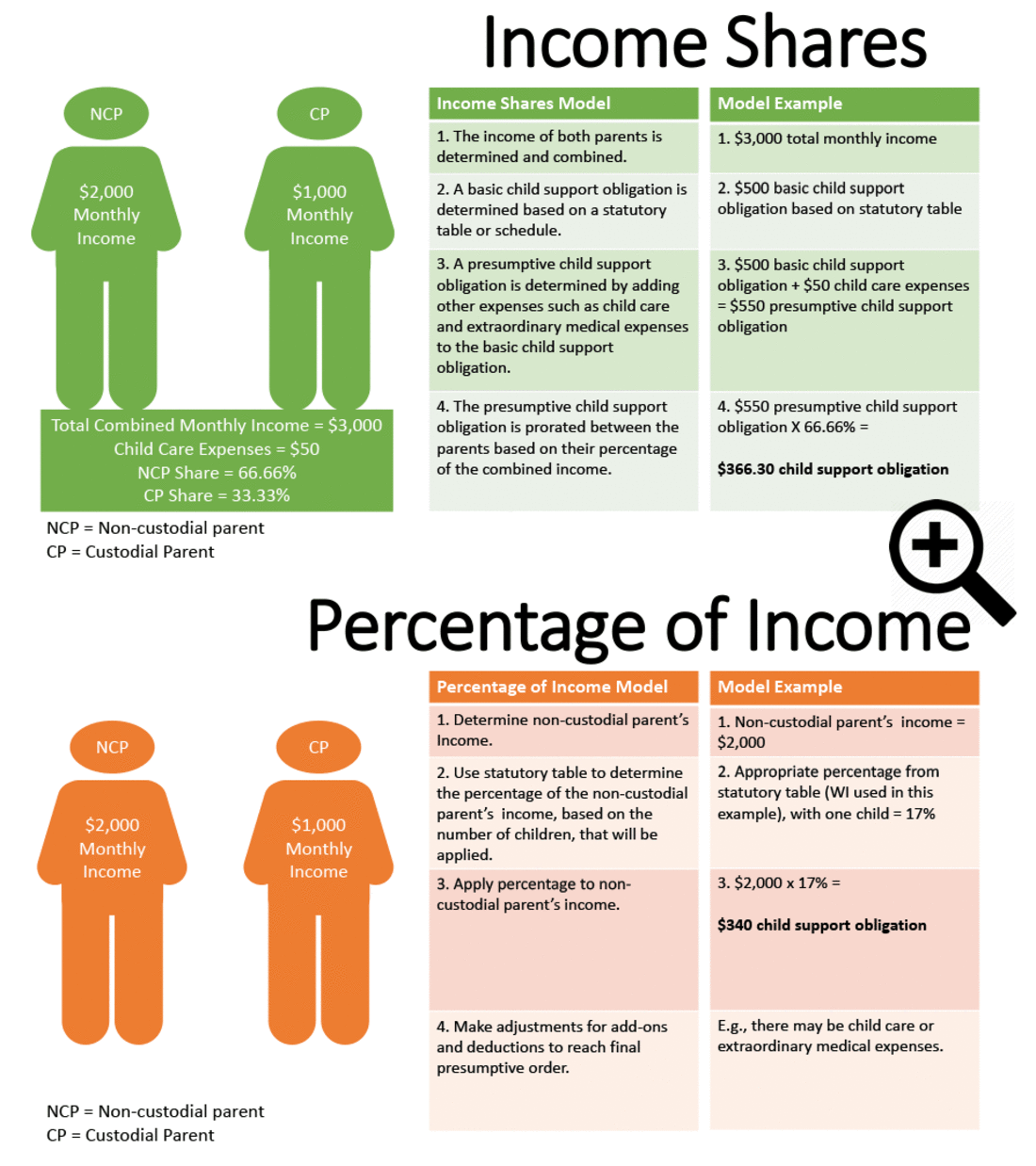
Colorado utilizes the “Income Shares Model,” which is based on the premise that a child should receive the same proportion of parental income as if the parents were still living together. The courts calculate a basic support amount based on the combined adjusted gross income of both parents, and then allocate that amount proportionally between them based on their individual incomes. This model aims for fairness and continuity in the child’s financial support, directly underpinning the lifestyle they can maintain across two homes. Understanding this model is crucial for parents planning their finances, as it provides a framework for how their income will be allocated to support their child’s needs and lifestyle.
Financial Implications: Budgeting for a Balanced Lifestyle
Child support, whether paid or received, fundamentally alters a parent’s financial landscape. For a parent of one child in Colorado, integrating child support into a personal budget is not merely an accounting task; it’s an exercise in lifestyle management.
Impact on Household Income
For the custodial parent receiving support, it supplements their income, contributing to the daily expenses of raising a child. This can mean the difference between budget travel and more comfortable family trips, or between essential needs and opportunities for enrichment. For the non-custodial parent paying support, it represents a fixed outgoing expense that reduces their disposable income. This necessitates careful budgeting, potentially influencing choices regarding housing, personal leisure, and even future travel plans. The goal, from a lifestyle perspective, is to strike a balance where both parents can maintain a reasonable standard of living while adequately providing for their child.
Beyond Basic Needs: Lifestyle Adjustments
While child support primarily covers a child’s basic needs—food, shelter, clothing—its impact extends to the child’s overall lifestyle. For one child, this might mean access to extracurricular activities like sports or music lessons, which are often significant expenses. It can influence choices for family vacations, contributing to the budget for airfare, accommodation, or destination activities. Parents often make lifestyle adjustments, sometimes sacrificing personal luxuries, to ensure their child continues to have enriching experiences and opportunities, aligning with the “Lifestyle” category by directly affecting how parents live and spend their discretionary income for the benefit of their child.
Co-Parenting and Lifestyle Choices: Navigating Support and Shared Experiences
The implementation of child support is inextricably linked with co-parenting dynamics and the lifestyle choices made for the child. How parents manage shared responsibilities financially often dictates the quality and consistency of the child’s experiences in both households.

Shared Parenting Time and its Financial Weight
Colorado law significantly adjusts child support calculations based on the number of overnights each parent has. When parents share parenting time more equally, the rationale is that both parents are directly contributing to the child’s daily expenses (food, utilities, basic entertainment) during their respective times. This can lead to a lower direct cash payment between parents, as financial contributions are made more “in-kind.” From a lifestyle perspective, this means both households are directly funding the child’s day-to-day life. This model encourages parents to ensure their individual homes are equipped to provide a consistent and stable lifestyle for the child, impacting household setup, grocery budgets, and local recreational activities. For instance, a parent planning a weekend trip to Denver with their child might find their budget more balanced if shared parenting time is factored into the support calculation, as more of the child’s direct expenses are covered during their time.
Extraordinary Expenses and Lifestyle Enrichment
Beyond the basic support amount, parents often consider “extraordinary expenses” for their child. These are expenses that go beyond routine care and can significantly enhance a child’s lifestyle. Examples include:
- Specialized Education: Tuition for private schools, tutoring, or special needs programs.
- High-Cost Extracurricular Activities: Competitive sports, specialized arts programs, or academic clubs that involve significant fees, equipment, or travel.
- Uninsured Medical Expenses: Costs for therapy, orthodontics, or other medical needs not fully covered by insurance.
Agreement on how to fund these expenses is a crucial aspect of co-parenting and directly impacts the child’s lifestyle opportunities. For a parent who values giving their child a particular educational or recreational advantage, allocating funds for these “lifestyle enrichment” expenses becomes a deliberate financial decision, often shared proportionally based on income.
Modifying Child Support: Adapting to Evolving Lifestyles
Life circumstances are rarely static, and what was a fair child support arrangement at one point may no longer reflect the reality of evolving lifestyles and financial situations. Colorado law provides mechanisms for modifying child support orders to adapt to significant changes.
When Life Changes, So Can Support
A modification of child support typically requires a showing of a “substantial and continuing change in circumstances” that would result in at least a 10% change in the support amount. Common examples of such changes that impact a family’s lifestyle and financial capacity include:
- Significant Change in Income: A job loss, promotion, career change, or even a substantial bonus for either parent can affect the calculation. This directly alters a parent’s ability to maintain their own lifestyle and contribute to their child’s.
- Change in Parenting Time: If the number of overnights with one parent significantly changes, the original calculation may no longer be accurate. This could be due to a parent relocating, a change in work schedule, or the child’s preference as they get older, all of which affect the day-to-day lifestyle in each home.
- Changes in Child Care or Health Insurance Costs: A child entering school, thus reducing daycare needs, or a change in health insurance plans can trigger a modification. These are practical, everyday expenses that directly impact a household’s financial well-being.
- Child’s Emancipation: When a child reaches 19 years old (or graduates high school, whichever is later, typically not beyond 21), child support generally terminates. This is a significant lifestyle shift for both parents, freeing up funds or requiring adjustments in their personal budgets.
Understanding the modification process is crucial for parents to ensure the child support order continues to align with their current financial realities and lifestyle needs. It allows for flexibility, ensuring that the child’s support continues to be equitable as circumstances evolve.
The Broader Lifestyle Picture: Travel, Recreation, and Future Planning
Ultimately, child support for one child in Colorado is not just about meeting basic needs; it’s about enabling a specific quality of life and opportunities for the child. This ties directly into the broader “Lifestyle” aspects of parenting, including leisure, experiences, and long-term financial security.
Funding Family Experiences
For many parents, travel and recreational activities are integral to a rich family lifestyle. Child support, as part of the overall financial plan, often indirectly contributes to these experiences. Whether it’s a weekend getaway to the Rocky Mountains, a summer vacation, or simply regular visits to local attractions, the financial stability provided by a clear child support arrangement allows parents to budget for and create memorable moments. It ensures that opportunities for growth, exposure to new environments, and shared family time are not solely dependent on one parent’s income, but are a shared responsibility.
Long-Term Financial Stability
Beyond immediate needs and short-term experiences, child support plays a role in the long-term financial stability for the child. While direct payments typically cease at emancipation, the financial resources freed up or provided through support allow parents to save for college, establish trust funds, or invest in opportunities that secure the child’s future. For the parents themselves, a predictable child support arrangement allows for better personal financial planning, including retirement savings, investment strategies, and the ability to maintain their own desired lifestyle in the years to come. In essence, child support is a fundamental building block in the financial foundation that underpins a stable and enriching lifestyle for both the child and their parents in Colorado.
LifeOutOfTheBox is a participant in the Amazon Services LLC Associates Program, an affiliate advertising program designed to provide a means for sites to earn advertising fees by advertising and linking to Amazon.com. Amazon, the Amazon logo, AmazonSupply, and the AmazonSupply logo are trademarks of Amazon.com, Inc. or its affiliates. As an Amazon Associate we earn affiliate commissions from qualifying purchases.