
Navigating the financial landscape of any major city can be a complex undertaking, and New York is no exception. For travelers and residents alike, understanding the various taxes levied can significantly impact budgets, especially when planning extended stays or enjoying the city’s myriad attractions. Among these, city tax, often intertwined with sales tax and occupancy tax, plays a crucial role in the overall cost of goods, services, and accommodations in the Big Apple. This guide aims to demystify the intricacies of city tax in New York, providing a clear picture of what to expect and how it affects your expenditures.
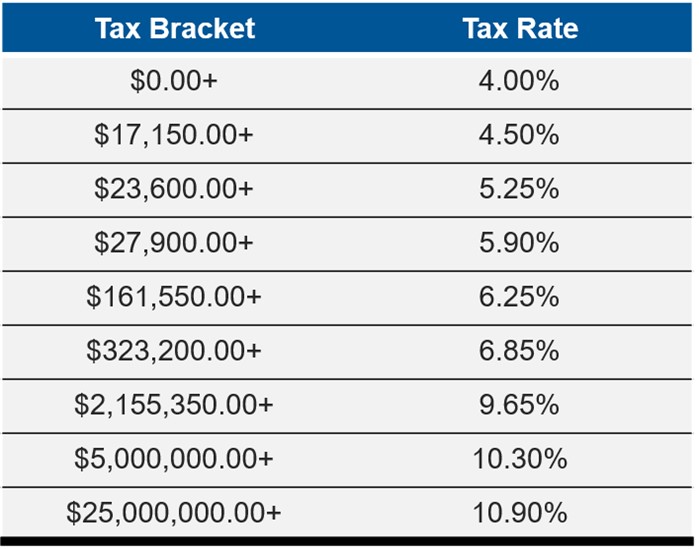
The term “city tax” in New York is not a monolithic entity but rather a composite of several different levies that apply at the municipal level. Primarily, when discussing city tax in the context of travel and accommodation, the most pertinent forms are the New York City (NYC) Sales and Use Tax and the New York City Hotel Room Occupancy Tax. Understanding the rates and application of these taxes is essential for accurate budgeting, whether you’re dining at a Michelin-starred restaurant, shopping on Fifth Avenue, or booking a room at the Plaza Hotel.
Understanding the NYC Sales and Use Tax
The New York City Sales and Use Tax is a broad-based tax applied to the sale or rental of tangible personal property and certain services within the city. For visitors, this tax is a significant component of the cost of everyday purchases, from souvenirs to meals. The standard rate is subject to change, but for many years, it has been a combination of state, metropolitan commuter, and city taxes.
Current Rates and Applicability
As of recent understanding, the combined New York City Sales and Use Tax rate generally stands at 8.875%. This rate is composed of:
- 4.5% New York State sales tax
- 0.375% Metropolitan Commuter Transportation District surcharge
- 4.0% New York City sales tax
This 8.875% rate applies to a vast array of goods and services, including clothing and footwear (up to a certain price threshold), most food and beverages sold in restaurants, and personal services. However, there are numerous exemptions and specific rules that govern its application. For instance, groceries intended for home consumption are typically exempt from sales tax. Similarly, certain essential services may have different tax treatments.
How It Affects Travelers
For tourists, the 8.875% sales tax is an unavoidable addition to most of their spending. When dining out, the tax is calculated on the total bill, including gratuity if it’s a mandatory service charge. Shopping for clothes, electronics, or gifts will also incur this tax. It’s crucial for travelers to factor this percentage into their budget for any purchases made within New York City. For example, a $100 purchase will effectively cost $108.88 after tax.
The “Use Tax” aspect of the New York City Sales and Use Tax is designed to capture transactions where sales tax was not collected. This primarily applies to items purchased outside the city but brought into New York for use, storage, or consumption. While less common for short-term tourists, it’s a component of the tax structure that ensures a level playing field for local businesses.
Special Considerations for Specific Items
Certain goods and services within New York City have additional or different tax rates. For example:
- Prepared Foods and Beverages: While basic groceries are exempt, most prepared foods and beverages sold by restaurants, cafes, and delis are subject to the full 8.875% sales tax. This includes items like sandwiches, salads, coffee, and soft drinks purchased for immediate consumption.
- Clothing and Footwear: Clothing and footwear costing less than $110 per item are generally exempt from New York State and City sales tax. However, items costing $110 or more per item are subject to the full 8.875% tax.
- Services: The taxability of services can be complex. Some services, like repair of tangible personal property, are taxable. Others, like professional or personal services (e.g., legal advice, haircuts), may have specific rules or exemptions.
Keeping abreast of these nuances is beneficial for making informed spending decisions while in New York.
The New York City Hotel Room Occupancy Tax
Beyond the general sales tax, a specific levy applies to short-term stays in hotels, motels, and other lodging establishments within New York City. This is the Hotel Room Occupancy Tax, often referred to colloquially as “hotel tax.” This tax is designed to help fund city services and infrastructure, particularly those that benefit from tourism.
Components of the Hotel Tax
The total hotel tax is not a single rate but a combination of several taxes levied by different governmental bodies:
- New York State Tax: A portion of the tax is a state-level levy.
- New York City Tax: A separate city-level tax is applied.
- Metropolitan Transportation Authority (MTA) Surcharge: An additional surcharge benefits the regional transportation network.
- New York City Convention and Visitors Bureau (CVB) Tax: A smaller portion often goes towards promoting tourism within the city.
The sum of these components results in a significant add-on to the base room rate.
Current Hotel Tax Rates
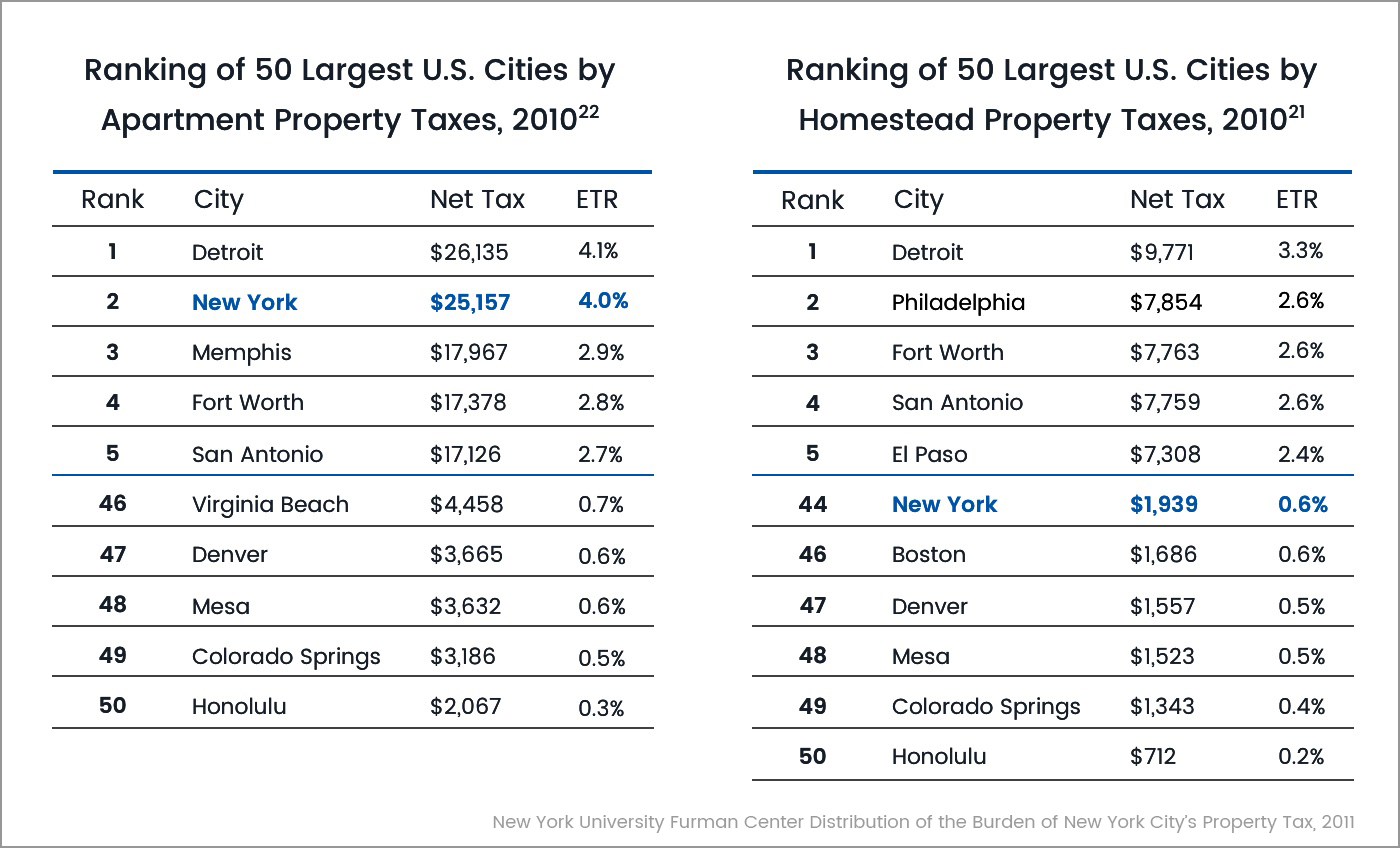
The total occupancy tax rate in New York City has historically been one of the highest in the nation. While subject to legislative adjustments, the combined rate typically hovers around 14.75%. This is broken down as follows:
- 5.875% New York State Tax
- 5.75% New York City Tax
- 0.375% Metropolitan Transportation District Surcharge
- 2.75% New York City Convention and Visitors Bureau Tax
Important Note: These rates are subject to change. It is always advisable to check the most current rates with your chosen hotel or the New York State Department of Taxation and Finance for the most up-to-date information.
Impact on Accommodation Costs
The hotel occupancy tax can substantially increase the final price of a hotel room. For a room that costs $300 per night, the occupancy tax alone would add approximately $44.25, bringing the total to $344.25 before any additional resort fees or other charges. This is a critical factor for travelers to consider when booking accommodations, especially during peak seasons or for stays at luxury hotels like the St. Regis New York or the Waldorf Astoria New York.
Exemptions and Special Cases
Certain individuals or organizations may be exempt from paying hotel occupancy taxes. These typically include:
- Diplomats: Individuals with diplomatic status.
- New York State Employees: Traveling on official state business and presenting appropriate exemption certificates.
- New York City Employees: Similar to state employees, when on official duty.
- Non-profit Organizations: In some cases, registered non-profit organizations may be eligible for exemptions when lodging for their official purposes.
To claim an exemption, proper documentation and certification are usually required at the time of check-in.
Other Potential City-Related Taxes and Fees
While the sales tax and hotel occupancy tax are the most prominent forms of “city tax” impacting visitors, it’s worth noting that New York City has a complex tax structure that can include other levies indirectly affecting the cost of travel and experiences.
Tourism-Related Fees
Some attractions or services might incorporate special fees that, while not directly labeled “city tax,” contribute to the overall cost and often fund city-managed projects or tourism initiatives. For example, admission fees to certain city-run parks or museums might include a small portion designated for maintenance or operations.
Business Taxes and Their Indirect Impact
Businesses operating within New York City are subject to various business taxes, including corporate income taxes and business taxes. While these are not directly paid by consumers, businesses often pass these costs on to their customers through pricing. Therefore, the general cost of doing business in New York can indirectly inflate prices for goods, services, and even accommodation.
Transportation Taxes
While not always classified strictly as “city tax,” taxes related to transportation within New York are also relevant for travelers. For instance, the Metropolitan Commuter Transportation District surcharge, which is part of the sales tax and hotel tax, directly supports public transportation.
Maximizing Your Budget While Visiting New York
Understanding these taxes empowers visitors to make more informed decisions and potentially save money.
Budgeting Strategies
- Factor in Sales Tax: Always add approximately 8.875% to the advertised price of goods and services when budgeting.
- Estimate Hotel Tax: Add around 14.75% to the base hotel room rate to get a realistic estimate of your accommodation costs. Remember to account for potential resort fees or other charges not covered by occupancy tax.
- Look for Tax-Free Items: Utilize exemptions for items like groceries or clothing under $110 per item where applicable.
- Consider Off-Peak Travel: Accommodation prices can fluctuate significantly. Traveling during off-peak seasons might reduce overall costs, even with taxes.
- Utilize CityPASS or Similar Programs: While these programs don’t eliminate taxes, they can offer bundled savings on attractions, reducing the total expenditure on entertainment.
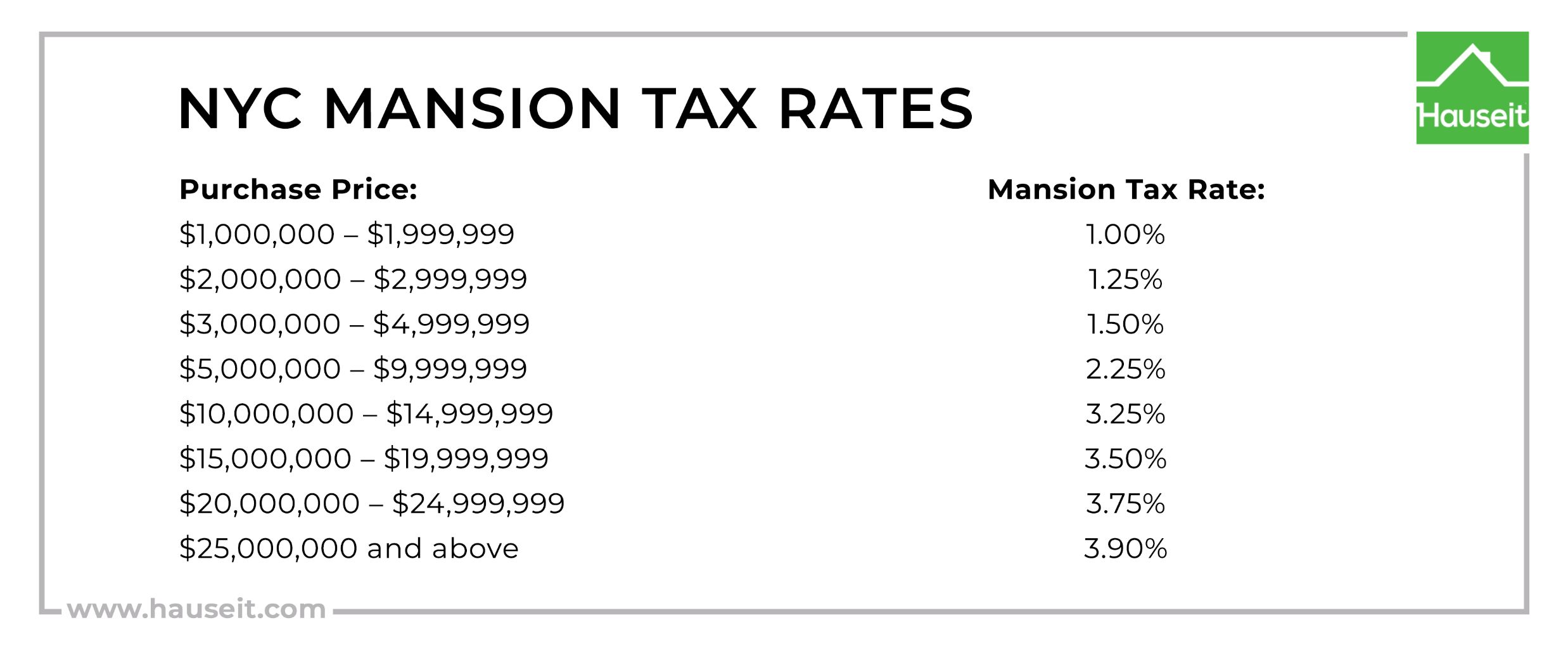
Staying Informed
Tax laws and rates can change. It is always a good practice to refer to official sources for the most current information:
- New York State Department of Taxation and Finance: For up-to-date sales and use tax rates.
- New York City Department of Finance: For local tax regulations.
- Your Hotel’s Official Website: For the most accurate hotel occupancy tax rates applicable to your stay.
By arming yourself with knowledge about New York’s tax structure, you can navigate your visit with greater financial confidence, ensuring you can fully enjoy all that this vibrant metropolis has to offer without unexpected budgetary surprises. From the bustling streets of Times Square to the serene paths of Central Park, a well-planned budget, mindful of taxes, unlocks a more enjoyable and stress-free New York experience.
LifeOutOfTheBox is a participant in the Amazon Services LLC Associates Program, an affiliate advertising program designed to provide a means for sites to earn advertising fees by advertising and linking to Amazon.com. Amazon, the Amazon logo, AmazonSupply, and the AmazonSupply logo are trademarks of Amazon.com, Inc. or its affiliates. As an Amazon Associate we earn affiliate commissions from qualifying purchases.