
Navigating the cost of childcare is a pivotal consideration for families, whether they are long-term residents, planning a relocation, or simply managing household budgets. In a state as diverse and dynamic as Florida, the question “How much is daycare in Florida?” is more complex than a single figure. It delves into the nuances of location, age of the child, type of facility, and available programs, all of which significantly impact a family’s lifestyle and financial planning. Understanding these variables is crucial for making informed decisions that balance quality childcare with economic realities.
Understanding the Landscape of Childcare Costs in Florida
Childcare expenses in Florida represent a significant portion of a household’s budget, often rivaling or even exceeding housing costs for many families. The Sunshine State, known for its vibrant tourism, growing population, and diverse economy, presents a varied picture when it comes to early childhood education and care. From bustling metropolitan areas to tranquil suburban communities, the price tag for reliable daycare can fluctuate dramatically, reflecting local economies, demand, and the cost of living.

The Statewide Average vs. Local Realities
While a statewide average provides a useful benchmark, it often masks the considerable disparities that exist across Florida’s 67 counties. On average, families in Florida can expect to pay anywhere from $7,000 to over $12,000 per year for full-time center-based daycare for a single child. However, these figures are just starting points. In densely populated areas and affluent communities, these costs can surge well past the state average, demanding a more substantial financial commitment from parents. Conversely, some smaller towns or rural areas might offer more budget-friendly options, though these often come with fewer choices or potentially longer waitlists.
The cost of childcare is not merely a number; it’s an economic indicator of a region. High costs can strain family budgets, influence employment decisions, and even impact decisions about family size or when to have children. For families considering a move to Florida, understanding these local realities rather than relying solely on statewide averages is paramount for accurate financial planning and assessing the overall cost of living.
Factors Influencing Daycare Expenses
Several key factors converge to determine the ultimate price of daycare services in Florida:
- Age of the Child: This is arguably the most significant determinant. Infant care is almost universally the most expensive, primarily due to the lower staff-to-child ratios required for adequate supervision and specialized care. As children grow into toddlerhood and preschool age, these ratios can increase, leading to slightly lower per-child costs.
- Type of Facility: Licensed daycare centers typically offer structured curricula, multiple caregivers, and often a broader range of activities. Their costs reflect these amenities, licensing requirements, and overhead. In-home daycare providers, while still regulated, might offer a more intimate setting and often come with a slightly lower price point. Nannies or au pairs, offering individualized care, represent the highest end of the spectrum, providing personalized attention within the child’s home.
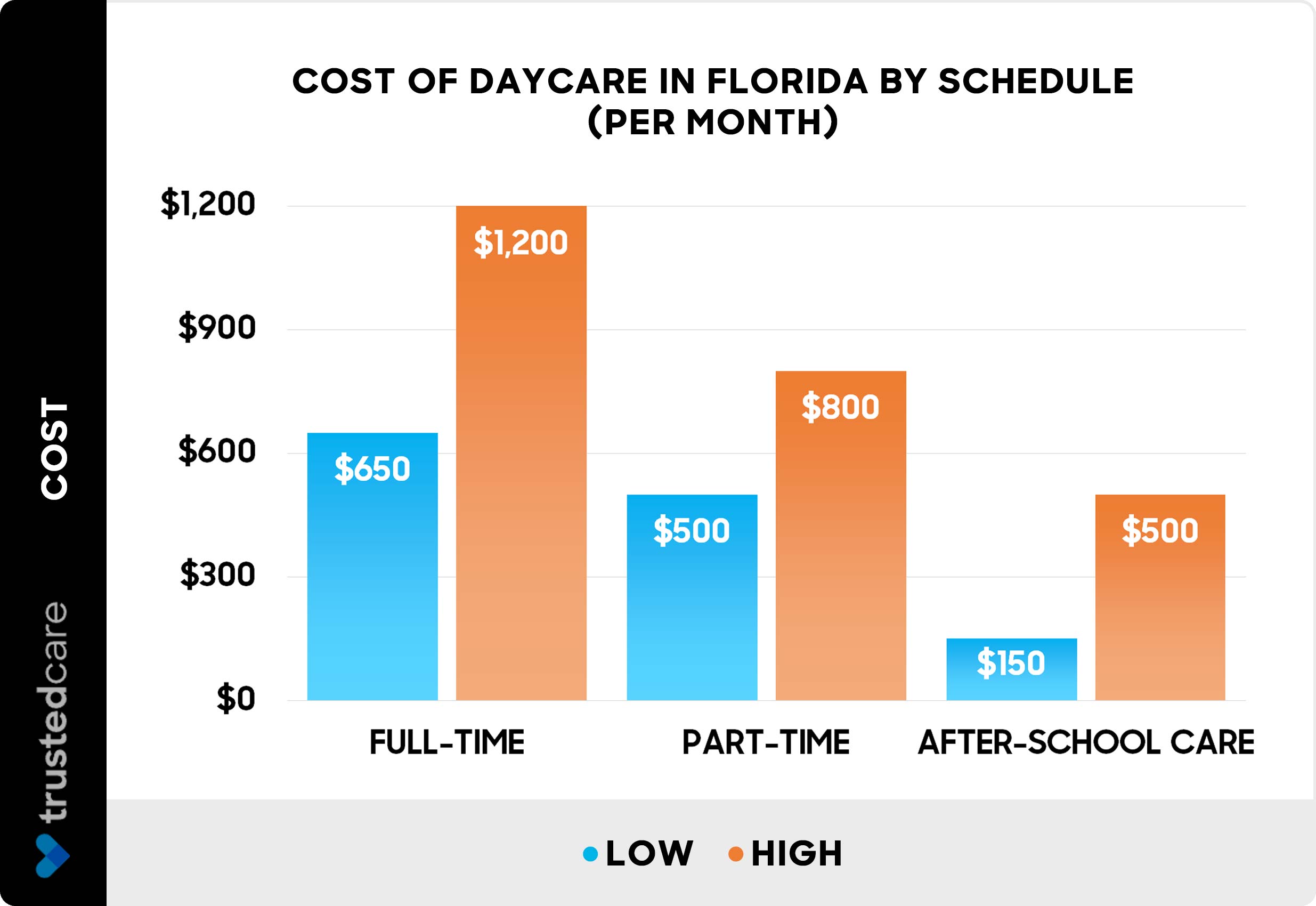
- Program Structure: Full-time (5 days a week, full workday hours) is the standard and most expensive option. Part-time programs (e.g., 2-3 days a week, half-days) offer flexibility and reduced costs. Drop-in or hourly care, while available, is usually the most expensive on a per-hour basis.
- Location: As previously mentioned, urban centers and areas with a higher cost of living naturally command higher daycare prices. Proximity to major employment hubs, desirable school districts, and affluent neighborhoods also plays a role.
- Quality and Reputation: Highly-rated centers with accreditations (e.g., from the National Association for the Education of Young Children – NAEYC), specialized programs (e.g., Montessori, Reggio Emilia), experienced staff, and lower turnover rates often come with a premium price tag. Parents often weigh these quality indicators against cost, recognizing the long-term benefits of early childhood development.
- Included Services: Some daycare centers include meals, snacks, extracurricular activities (like music or foreign language classes), or even transportation in their tuition, while others charge extra for these amenities.
Breaking Down Daycare Costs by Age Group and Program Type
Understanding how costs vary based on a child’s age and the specific program chosen is fundamental for budgeting. The developmental needs of children at different stages directly influence the resources and staffing required, which in turn affects pricing.
Infant Care: The Most Expensive Tier
Caring for infants (typically 0-12 or 0-18 months) requires intensive, individualized attention. Strict state regulations in Florida mandate lower staff-to-child ratios for infants than for any other age group (e.g., one caregiver for every four infants). This necessity for more staff per child, coupled with specialized equipment and safety protocols, makes infant care the most expensive childcare option.
In major Florida cities like Miami, Orlando, and Tampa, full-time infant care can easily range from $10,000 to over $15,000 per year, and sometimes even higher in premium facilities or specific neighborhoods. In less urbanized areas, this might drop to $8,000 – $10,000, but it consistently remains the highest cost category.
Toddler and Preschool Programs
As children transition into toddlerhood (typically 1-3 years old), their needs shift from constant direct supervision to more structured engagement and peer interaction. Florida allows for slightly higher staff-to-child ratios for toddlers (e.g., one caregiver for every six or seven toddlers), which can result in a modest reduction in cost compared to infant care.
Preschool programs (ages 3-5) see further increases in staff-to-child ratios, alongside a greater emphasis on educational curriculum and school readiness. For full-time toddler or preschool care, families can expect annual costs to be in the range of $8,000 to $12,000, again with significant variations based on location and facility quality. It’s worth noting that Florida offers the Voluntary Prekindergarten (VPK) program, which provides free pre-kindergarten for all 4-year-olds regardless of family income, offering a significant financial reprieve for many parents.
School-Aged Childcare and After-School Programs
For school-aged children, childcare needs typically shift to before- and after-school programs, as well as full-day care during school holidays and summer breaks. These programs are generally less expensive than full-time daycare for younger children because they cover fewer hours and often have even higher staff-to-child ratios.
Costs for after-school programs in Florida can range from $200 to $600 per month, depending on the program’s offerings (e.g., homework help, enrichment activities, transportation) and location. Summer camps or full-day care during breaks can range from $150 to $400 per week. These costs, while lower individually, can add up significantly over the course of a year, particularly for families needing care for multiple school breaks.
Full-Time vs. Part-Time vs. Drop-in Options
The commitment level also directly impacts pricing.
- Full-time care (typically 40+ hours per week) is the most common and, while the most expensive overall, often offers the best value per hour.
- Part-time care (e.g., two or three full days a week, or daily half-days) provides flexibility for parents who work fewer hours or have other care arrangements. These rates are proportionally lower than full-time, though the per-hour cost might sometimes be slightly higher.
- Drop-in care or hourly rates are available at some centers but are generally reserved for emergencies or occasional needs. This is typically the most expensive option on an hourly basis, often costing $10-$20+ per hour.
Geographic Variations: Where Daycare is Most (and Least) Expensive
The map of Florida is dotted with diverse communities, each with its unique economic landscape, which profoundly affects childcare costs. Understanding these regional differences is essential for anyone budgeting for family life in the state.
Major Metropolitan Areas: Miami, Orlando, Tampa
Unsurprisingly, Florida’s largest metropolitan areas consistently feature the highest daycare costs.
- Miami and South Florida: As a global hub and a region with a high cost of living, childcare in Miami, Fort Lauderdale, and West Palm Beach can be among the most expensive in the state, with full-time infant care often exceeding $1,200-$1,500 per month. The demand is high, and the availability of premium, multilingual, or specialized programs further drives up prices.
- Orlando and Central Florida: The theme park capital, while slightly less expensive than Miami, still commands significant childcare costs. Families in Orlando, Kissimmee, and surrounding areas can expect to pay $900-$1,300 per month for infant care, with toddler and preschool rates slightly lower. The transient nature of the tourism industry also means a steady demand for childcare services.
- Tampa Bay Area: Encompassing Tampa, St. Petersburg, and Clearwater, this region is another economic powerhouse. Daycare costs here are comparable to Orlando, with infant care often in the $900-$1,400 per month range. The ongoing growth in the tech and medical sectors contributes to the demand for quality childcare.

Other notable cities like Jacksonville (North Florida’s largest city) and Sarasota on the Gulf Coast also show costs above the statewide average, reflecting their economic vitality and desirable living conditions.
Coastal vs. Inland Regions
Generally, coastal areas, particularly those popular with retirees or second-home owners, tend to have higher living costs across the board, including childcare. Cities like Naples, Boca Raton, and upscale communities along both coasts often feature more expensive daycare due to higher property values, higher wages for staff, and often a smaller supply relative to demand for premium services.
Inland regions and smaller cities or rural counties, such as those in the Panhandle (excluding Tallahassee) or Central Florida’s agricultural heartland, typically offer lower childcare costs. Here, the average monthly rates for full-time care might drop to $600-$900, reflecting a lower cost of living and potentially fewer amenities or specialized programs. However, options might be more limited, and waitlists could be longer due to fewer providers.
Impact of Local Economies
The local economy plays a critical role. Areas with thriving job markets and an influx of young professionals tend to have higher demand and, consequently, higher prices for childcare. Conversely, regions experiencing slower economic growth or a declining younger population may have lower demand, leading to more competitive pricing or fewer available facilities. This dynamic directly impacts how families budget and prioritize their childcare needs, influencing decisions about where to live, work, and raise children within Florida.
Navigating Financial Support and Cost-Saving Strategies
The high cost of daycare can be daunting, but Florida offers various programs and strategies to help alleviate the financial burden. Understanding these options is crucial for families looking to optimize their lifestyle and budget.
Government Subsidies and Programs (e.g., VPK)
Florida is notable for its Voluntary Prekindergarten (VPK) program, which provides 540 hours of free VPK instruction to all 4-year-olds who reside in Florida, regardless of family income. This program, delivered by public and private providers, significantly offsets the cost of care for the year leading up to kindergarten, offering a substantial saving for eligible families.
Beyond VPK, the state also offers childcare assistance programs for low-income families through the Florida Department of Children and Families (DCF) and its local Early Learning Coalitions. These programs provide financial assistance to help eligible families afford quality childcare so parents can work or attend school. Eligibility often depends on income, family size, and the need for care. Families interested in these subsidies should contact their local Early Learning Coalition for specific criteria and application procedures.
Employer-Sponsored Benefits
A growing number of employers in Florida are recognizing the challenges of childcare costs and offering benefits to support their employees. These can include:
- Dependent Care Flexible Spending Accounts (FSAs): These allow employees to set aside pre-tax money for childcare expenses, reducing their taxable income.
- On-site childcare: A rarer but highly valuable benefit, often found in larger corporations or institutions.
- Childcare stipends or subsidies: Direct financial assistance or discounts with partner daycare centers.
- Referral services: Helping employees find vetted childcare options.
Families should inquire about such benefits with their employers, as they can significantly reduce out-of-pocket expenses.
Alternative Childcare Solutions
Exploring alternatives beyond traditional daycare centers can also offer cost savings:
- In-home daycare: Often more affordable than large centers, these providers operate out of their homes and typically care for a smaller group of children, offering a more personalized environment.
- Nannies or au pairs: While typically more expensive than center-based care for one child, a nanny becomes more cost-effective for families with multiple children, as the cost is per family, not per child. Au pairs, who come from other countries for a cultural exchange and provide childcare, can also be a more budget-friendly alternative to traditional nannies.
- Family and friend care: Relying on grandparents, other relatives, or trusted friends is often the most cost-effective solution, though it requires careful consideration of reliability and consistency.
- Childcare cooperatives: Parents pool resources and take turns caring for each other’s children, drastically reducing costs while fostering a strong community network.
Tax Credits and Deductions
The federal government offers tax credits that can help offset childcare expenses. The Child and Dependent Care Tax Credit allows families to claim a percentage of their childcare costs, up to a certain limit, when filing their federal income tax returns. Florida does not have a state income tax, so there are no state-specific childcare tax credits, but the federal credit remains a valuable resource. Keeping meticulous records of all childcare payments is essential to leverage these benefits effectively.
The Long-Term Lifestyle Impact of Childcare Costs in Florida
The cost of daycare in Florida is not just a monthly bill; it’s a significant factor shaping family finances, career decisions, and overall lifestyle choices. For many, it represents one of the largest expenditures after housing and transportation.
Budgeting for Families Moving to Florida
For families considering a move to Florida, particularly those with young children, factoring in childcare costs is as critical as assessing housing prices or job markets. A comprehensive budget must account for the specific regional variations in daycare expenses, as a seemingly affordable housing market might be offset by high childcare costs, or vice versa. Researching local Early Learning Coalitions, visiting potential daycare centers, and talking to local parents before a move can provide invaluable insights into the true cost of raising a family in a particular Florida community. The decision of where to settle in Florida often comes down to a delicate balance between job opportunities, school quality, community amenities, and the crucial financial implications of childcare.
Quality vs. Cost: Making Informed Decisions
A common dilemma for parents is balancing the desire for high-quality childcare with budget constraints. While it’s tempting to opt for the least expensive option, investing in a reputable, enriching environment for early childhood development often yields significant long-term benefits for a child’s social, emotional, and cognitive growth. High-quality centers typically boast lower staff turnover, more experienced educators, better facilities, and a more robust curriculum.
Parents in Florida are encouraged to visit multiple facilities, inquire about accreditations, read reviews, and observe the interactions between staff and children. It’s about finding the best possible fit that aligns with both a family’s values and their financial capabilities. Sometimes, a slightly higher monthly fee for a superior program can be a worthwhile investment in a child’s future.
The Economic Ripple Effect on Florida Families
The collective burden of childcare costs has broader economic implications for Florida families. High expenses can force one parent out of the workforce, particularly if their entire salary (or a significant portion) would be consumed by daycare. This not only impacts a family’s immediate income but can also affect long-term career progression and retirement savings. It can also delay or prevent families from achieving other financial goals, such as saving for a home, higher education, or simply building a stable emergency fund.
Conversely, accessible and affordable childcare is a critical component of a healthy economy, enabling parents to participate in the workforce and contribute to the state’s productivity. Florida’s initiatives, such as VPK and various subsidy programs, are steps toward addressing these challenges, aiming to support families and ensure that economic growth is inclusive. Ultimately, understanding and strategically navigating the cost of daycare is an indispensable aspect of lifestyle planning for any family in the Sunshine State.
LifeOutOfTheBox is a participant in the Amazon Services LLC Associates Program, an affiliate advertising program designed to provide a means for sites to earn advertising fees by advertising and linking to Amazon.com. Amazon, the Amazon logo, AmazonSupply, and the AmazonSupply logo are trademarks of Amazon.com, Inc. or its affiliates. As an Amazon Associate we earn affiliate commissions from qualifying purchases.