
Life in the Golden State is often associated with sunshine, innovation, and diverse landscapes, from the bustling streets of Los Angeles to the serene beauty of Yosemite National Park. For many residents, maintaining a vibrant and fulfilling lifestyle, especially when facing health challenges, hinges on understanding the available support systems. Disability benefits in California are more than just financial aid; they are a crucial foundation that empowers individuals to embrace the state’s unique offerings, explore its many wonders, and truly live “life out of the box.” Whether you’re dreaming of an accessible coastal escape in Santa Barbara, a cultural immersion in San Francisco, or simply enjoying the local amenities in your own community, knowing how much disability support you can receive in California is the first step towards planning your adventures and securing your well-being. This guide delves into the various programs, their benefits, and how this financial stability can enable a richer, more accessible lifestyle throughout California.
Understanding California’s Disability Benefits: Your Foundation for Living and Exploring
California offers a multi-layered system of disability benefits, each designed to address different needs and circumstances. These programs – State Disability Insurance (SDI), Supplemental Security Income (SSI), and Social Security Disability Insurance (SSDI) – provide critical financial stability, which for many, serves as the springboard for planning travel, enjoying local attractions, and engaging in a fulfilling lifestyle. Understanding the nuances of each can help individuals budget effectively for daily living expenses, while also allocating funds for leisure, accommodation, and memorable experiences across the state.
State Disability Insurance (SDI): Temporary Support for California Residents
California’s State Disability Insurance, or SDI, is a vital lifeline for individuals who experience a temporary disability due to a non-work-related illness or injury, or pregnancy. Unlike some other programs, SDI is entirely funded by employee contributions through payroll deductions, making it a benefit earned by workers themselves. This program is administered by the California Employment Development Department (EDD), a key state agency that ensures timely support for eligible residents.
When it comes to how much you can expect, SDI generally provides 60% to 70% of your average weekly wages earned during a “base period,” up to a set maximum. The benefit period can last for up to 52 weeks, offering significant temporary relief. There is a mandatory 7-day waiting period before benefits begin, so planning for this initial gap is important. For the year 2023, the maximum weekly benefit an individual could receive was $1,620, providing a substantial income replacement. On the lower end, the minimum weekly benefit was $50.
Eligibility for SDI hinges on several factors: you must be unable to do your regular work due to your disability, have experienced a loss of wages, be employed or actively looking for work at the time your disability began, and have earned at least $300 in the base period. Additionally, you must be under the care of a licensed doctor or practitioner. For residents looking to maintain their lifestyle during recovery, SDI offers an opportunity to avoid severe financial strain. This temporary income can even allow for planning restorative, accessible staycations within the state, perhaps a calming retreat in San Jose or a leisurely visit to the waterfront attractions of Long Beach, once medical clearance permits. Such temporary support ensures that even during challenging times, the possibility of enjoying California’s offerings remains within reach.
Supplemental Security Income (SSI): A Federal-State Partnership for Core Needs
Supplemental Security Income, or SSI, is a federal program designed to provide a financial safety net for low-income individuals who are aged, blind, or disabled. Administered by the Social Security Administration (SSA), SSI benefits are complemented by a crucial California State Supplemental Payment (SSP), reflecting the state’s commitment to its most vulnerable residents. This combination is particularly important in a state with a higher cost of living.
For 2023, the maximum federal SSI benefit was $914 per month for an individual and $1,371 per month for an eligible couple. California’s SSP significantly boosts these amounts. For an individual, the SSP added $202.95, bringing the total monthly SSI + SSP to $1,116.95. For a couple, the SSP added $513.70, resulting in a combined total of $1,884.70 (for Type A/B recipients, which includes most eligible individuals).
Eligibility for SSI is primarily based on meeting the SSA’s strict definition of disability – being unable to engage in substantial gainful activity due to a physical or mental impairment that is expected to last for at least 12 months or result in death – coupled with low income and limited resources. While SSI is primarily intended to cover basic living expenses, the steady, predictable income it provides forms a crucial foundation for exploring community activities and local attractions. Beneficiaries might enjoy accessible day trips to regional parks, visit cultural centers in Oakland, or participate in free community events, allowing them to engage with their surroundings and enjoy the California lifestyle within a modest budget. This foundational support, while modest, empowers recipients to seek out and participate in enriching experiences, contributing to their overall well-being and connection to their communities.
Social Security Disability Insurance (SSDI): Long-Term Stability from Your Work History
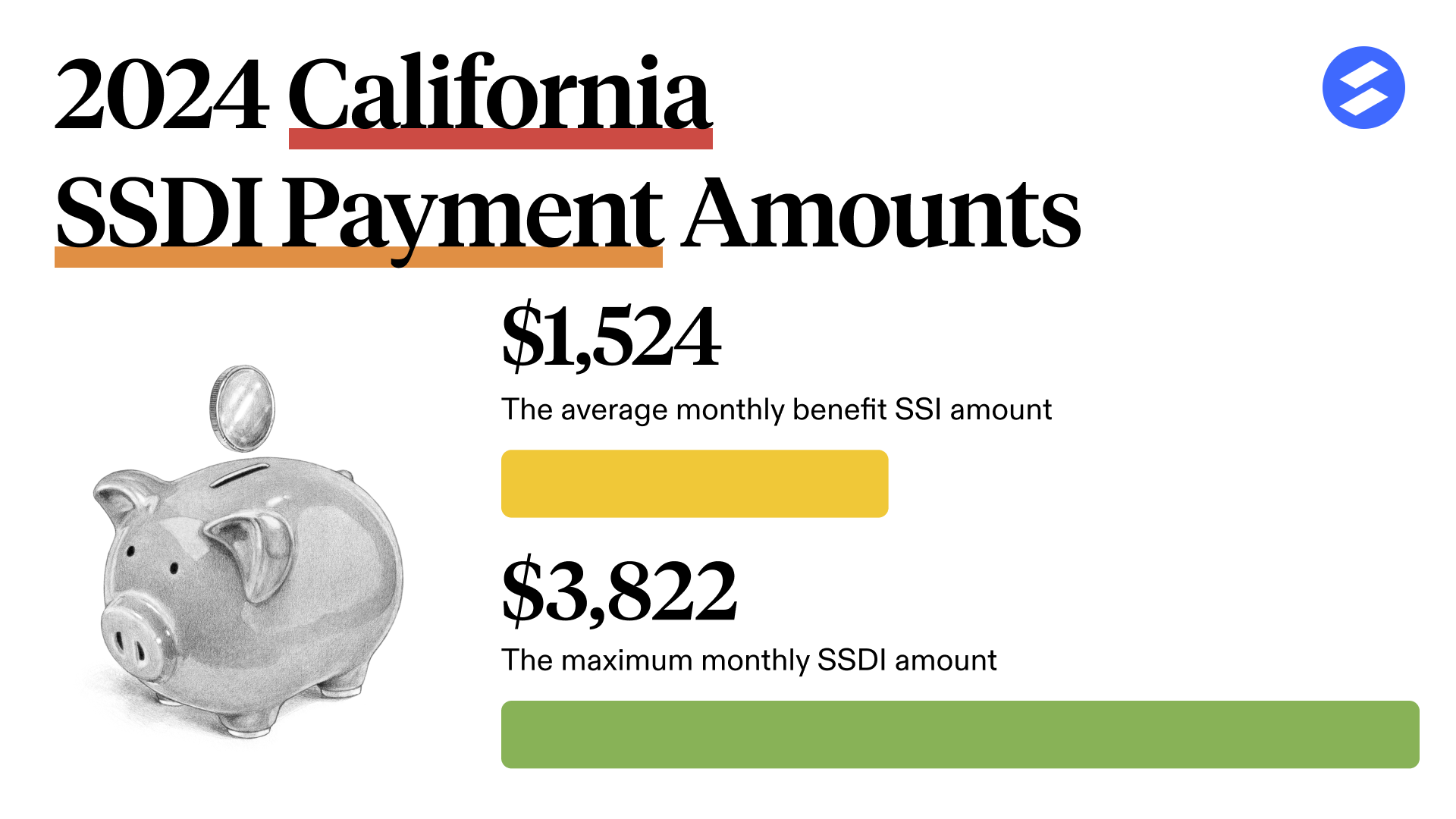
Social Security Disability Insurance, or SSDI, is another federal program administered by the Social Security Administration (SSA). Unlike SSI, SSDI is specifically for individuals with a disability who have a significant work history and have paid Social Security taxes, much like an insurance policy. The amount of your SSDI benefit is not based on financial need, but rather on your lifetime average earnings, reflecting your contributions to the Social Security system over the years.
The monthly benefit amount for SSDI can vary widely depending on an individual’s earnings record. While the maximum Social Security benefit for someone retiring at full retirement age in 2023 was $3,627 per month, the maximum for an individual receiving disability benefits is generally lower, though still significant for many. A five-month waiting period typically applies after the onset of disability before benefits can begin. To be eligible, individuals must meet the SSA’s stringent definition of disability and have accumulated a sufficient number of work credits, which vary depending on age at the time of disability onset.
For those receiving SSDI, this more substantial and long-term financial support often provides greater flexibility for lifestyle planning, including accessible travel. With a stable income based on their work contributions, individuals can budget for more ambitious experiences. This might include planning longer stays in accessible Resorts, exploring the iconic attractions of San Francisco, or enjoying the accessible beachfront of Santa Monica. SSDI can also enable individuals to invest in adaptive equipment that enhances their mobility and quality of life, further opening up opportunities for exploring the diverse landscapes and vibrant culture of California. This program truly represents the culmination of years of work, providing financial peace of mind that can be channeled into enriching life experiences.
Navigating the Application Process and Beyond: Essential Tips for California Beneficiaries
Securing disability benefits in California is a journey that extends beyond simply understanding the benefit amounts. The application process itself, along with the long-term implications for healthcare and continued eligibility, are critical factors that directly impact an individual’s financial stability and ability to maintain a desired lifestyle, including the freedom to travel and explore. Navigating these complexities effectively can ensure that beneficiaries can confidently plan for their future within the vibrant context of California.
Key Considerations for Application and Eligibility

Applying for disability benefits, whether through SDI, SSI, or SSDI, requires meticulous attention to detail and a thorough understanding of each program’s specific requirements. A fundamental aspect across all programs is the need for accurate and comprehensive medical evidence. This includes detailed medical records, doctor’s reports, test results, and any other documentation that clearly illustrates the severity and expected duration of your disability. The definition of “disability” itself can vary between the California Employment Development Department (EDD) for SDI and the Social Security Administration (SSA) for SSI and SSDI, making it crucial to tailor your application accordingly.
Understanding the waiting periods is also vital for financial planning. As mentioned, SDI has a 7-day waiting period, while SSDI typically has a five-month waiting period from the onset of your disability before benefits can commence. There is no waiting period for SSI cash benefits if you are found eligible. This means carefully budgeting for living expenses during these periods is essential. Given the complexities, many applicants find it beneficial to seek guidance from disability advocates or legal professionals specializing in these claims. Their expertise can be invaluable in compiling strong applications, navigating appeals if necessary, and ultimately securing the benefits that provide a stable financial foundation. Successfully navigating this process means minimizing delays and ensuring that financial stability is achieved sooner, freeing up mental and financial resources to enjoy the myriad experiences California has to offer, from a weekend getaway to Monterey to exploring the accessible cultural sites in Sacramento.
The Broader Impact: Healthcare and Continued Eligibility
Beyond the direct cash benefits, understanding the broader impact of disability programs, particularly concerning healthcare, is paramount for long-term well-being and lifestyle planning. For SSDI recipients, Medicare coverage typically begins 24 months after disability benefits start, providing crucial health insurance. SSI recipients, on the other hand, are generally eligible for Medi-Cal (California’s Medicaid program) immediately upon approval of their SSI benefits. This comprehensive healthcare coverage is a cornerstone of financial security, alleviating significant worries about medical costs and allowing individuals to focus on their health and quality of life. Knowing that healthcare needs are addressed provides immense peace of mind, freeing up other financial resources that might otherwise be allocated to medical emergencies or routine care, making it easier to budget for discretionary spending like travel and leisure.
However, receiving disability benefits is not a “set it and forget it” situation. Both federal and state programs conduct periodic Continuing Disability Reviews (CDRs) to ensure that recipients still meet the eligibility criteria. Maintaining accurate medical records, adhering to treatment plans, and promptly responding to requests from the SSA or EDD are essential to demonstrating continued eligibility. These reviews, while sometimes stressful, are designed to ensure the integrity of the system. For beneficiaries, successfully navigating CDRs guarantees the long-term stability needed to plan for a fulfilling lifestyle. This stability allows for the enjoyment of accessible spas in Palm Springs, tranquil wellness retreats along the dramatic coastline of Big Sur, or any of California’s countless accessible destinations, ensuring that a rich and engaged life is possible for years to come.
Crafting Your California Lifestyle: Budgeting and Accessible Travel with Disability Benefits
Living with a disability in California doesn’t mean putting your dreams on hold. In fact, with a clear understanding of your disability benefits and careful financial planning, the Golden State becomes an open invitation for exploration, relaxation, and a lifestyle rich in experiences. The diverse landscapes, vibrant cities, and commitment to accessibility make California an ideal destination for both residents and visitors seeking accessible travel and engaging activities.
Budgeting for Your California Adventures
Regardless of whether your income comes from SDI, SSI, or SSDI, strategic budgeting is the key to unlocking the travel and lifestyle opportunities California offers. While benefits primarily cover essential living expenses, disciplined financial planning can create a dedicated fund for discretionary spending, including travel, dining, and entertainment. Start by meticulously tracking your income and expenses, identifying areas where you can save a little each month. Look for opportunities to leverage discounts, especially those available for seniors, individuals with disabilities, or through various membership programs. Many California State Parks and cultural institutions offer reduced admission or accessible programs, making exploration more affordable.
Consider planning shorter, more frequent trips to nearby attractions rather than one large, expensive vacation. For example, a budget-friendly weekend trip to the charming towns of Monterey or Carmel-by-the-Sea can be just as enriching as a longer excursion. Explore accessible beaches in San Diego, known for their boardwalks and inclusive facilities, or take advantage of accessible public transportation for city excursions. The goal is to maximize your enjoyment while staying within your financial comfort zone, allowing your disability income to support not just your needs, but also your aspirations for a fulfilling life in The Golden State.
Discovering Accessible Destinations and Accommodations in the Golden State
California stands out for its strong commitment to accessibility, largely driven by federal regulations like the Americans with Disabilities Act (ADA), but also by a progressive state ethos. This makes it a fantastic destination for accessible travel and tourism. From world-renowned theme parks to breathtaking natural wonders, many of California’s iconic sites have made significant strides in providing inclusive experiences.
Theme parks like Disneyland Park in Southern California and Universal Studios Hollywood offer extensive accessibility services, including accessible restrooms, ride transfers, and support for service animals. Architectural marvels such as the Golden Gate Bridge boast accessible pathways, allowing everyone to take in the iconic views. Even natural treasures like Yosemite National Park feature accessible trails, campgrounds, and facilities, ensuring that the majesty of California’s wilderness can be experienced by all.
When it comes to accommodation, the choices are vast. Many Hotels across California, from luxurious Resorts to charming Boutique Hotels, offer accessible rooms equipped with features like roll-in showers, grab bars, visual and auditory alarms, and wider doorways. Websites like Life Out Of The Box are dedicated to helping travelers find and book accommodations that meet specific accessibility needs, ensuring a comfortable and worry-free stay. Whether you’re seeking a quiet apartment in wine country in Napa Valley or a beachfront villa, research and early booking are essential to secure the best accessible options.
Beyond the major attractions, explore accessible museums, art galleries, and cultural events in cities like Sacramento or Oakland. California’s culinary scene also embraces accessibility, with many restaurants offering accessible entrances and seating. The goal is to actively seek out and participate in activities that align with your interests, knowing that California is designed to welcome everyone.
Embracing the “Life Out Of The Box” Philosophy
Ultimately, disability benefits in California provide more than just financial relief; they offer the stability necessary to lead a life rich in experiences, exploration, and personal growth. The “Life Out Of The Box” philosophy encourages individuals to not merely exist, but to thrive, to discover new places, engage with diverse cultures, and create lasting memories. Your benefits are a tool to empower this journey.
Think beyond traditional travel. Explore adaptive sports opportunities in Northern California’s Lake Tahoe region, where specialized programs offer everything from adaptive skiing to kayaking. Discover accessible nature trails that bring you closer to California’s incredible biodiversity. Participate in inclusive workshops or arts programs that foster creativity and community connection. The diverse offerings of California are there for everyone to enjoy, and with the financial foundation provided by disability benefits, these experiences become tangible possibilities rather than distant dreams. Embrace the opportunity to explore, connect, and enjoy the remarkable lifestyle that California so generously offers.
Empowering Your California Journey
Understanding “how much is disability in California?” is far more than a simple query about financial figures. It’s about recognizing the crucial role these benefits play in providing stability, security, and the freedom to pursue a rich and engaging lifestyle. From the temporary relief of SDI to the long-term support of SSI and SSDI, these programs are designed to empower individuals with disabilities to not just navigate daily life, but to actively participate in the vibrant culture and diverse attractions of the Golden State. By mastering the application process, budgeting wisely, and seeking out accessible travel and accommodation options, beneficiaries can confidently embark on their own California journeys, living life fully and exploring every corner of this remarkable state.
LifeOutOfTheBox is a participant in the Amazon Services LLC Associates Program, an affiliate advertising program designed to provide a means for sites to earn advertising fees by advertising and linking to Amazon.com. Amazon, the Amazon logo, AmazonSupply, and the AmazonSupply logo are trademarks of Amazon.com, Inc. or its affiliates. As an Amazon Associate we earn affiliate commissions from qualifying purchases.