
Understanding the cost of living, particularly utility expenses, is a critical component of lifestyle planning, whether you’re considering a move, an extended stay, or simply managing the budget for a vacation rental in Florida. The Sunshine State, renowned for its warm climate and vibrant attractions, also comes with its unique energy consumption patterns, largely driven by the omnipresent need for air conditioning. For anyone budgeting for a long-term stay, a remote work setup, or even a luxurious but energy-conscious retirement, knowing the intricacies of energy rates is paramount. This insight offers a deeper dive into what you can expect regarding energy costs across Florida, empowering you to make informed decisions for your lifestyle.
Understanding Florida’s Energy Landscape
Florida’s energy sector is dominated by a few major utility providers, alongside numerous smaller municipal utilities and electric cooperatives. The state’s energy mix primarily relies on natural gas, with a significant contribution from nuclear and a growing presence of solar power. Understanding which provider serves a particular area and their general rate structures is the first step in estimating your potential energy costs.
Key Utility Providers and Service Areas
The vast majority of Florida residents and businesses receive their electricity from one of the investor-owned utilities or large municipal providers.
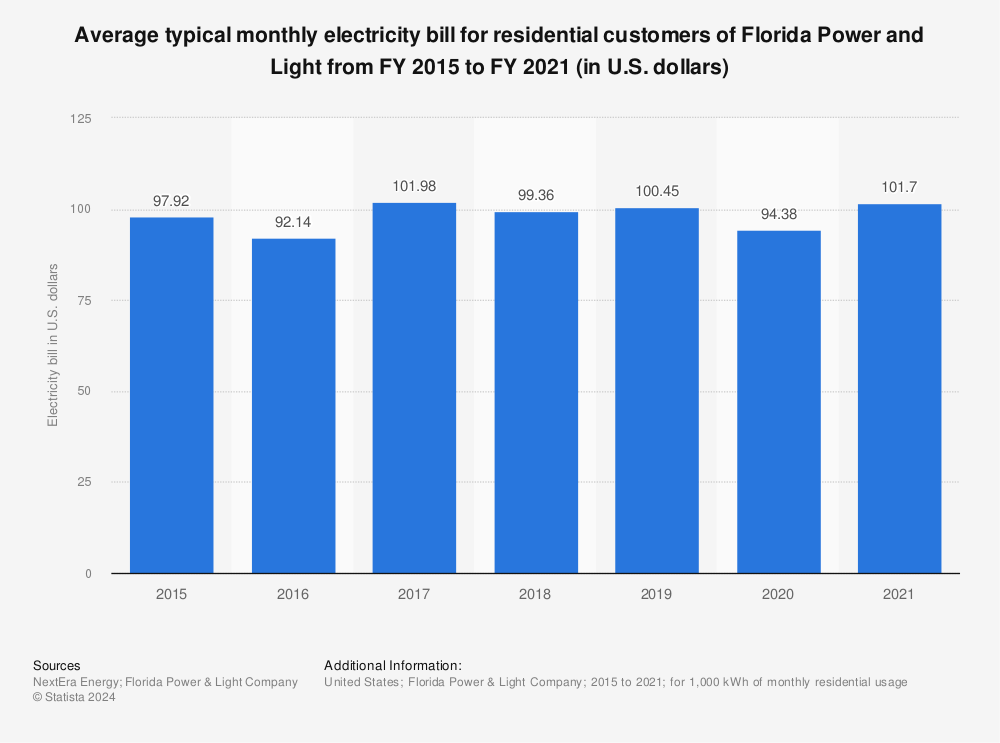
- Florida Power & Light (FPL): As the largest utility in Florida, FPL serves over 5.8 million customer accounts across the eastern and lower western coasts of Florida. This includes major metropolitan areas like Miami, Fort Lauderdale, and much of Southwest Florida. FPL generally maintains competitive rates due to its scale and efficient operations.
- Duke Energy Florida: Serving over 1.9 million customers, Duke Energy Florida covers central Florida and the Panhandle. Key service areas include St. Petersburg, Orlando suburbs, and parts of the Gulf Coast.
- Tampa Electric (TECO): TECO provides electricity to approximately 800,000 customers in Tampa and parts of surrounding Hillsborough County.
- Orlando Utilities Commission (OUC): A municipal utility, OUC serves Orlando and parts of surrounding Orange County.
- Jacksonville Electric Authority (JEA): JEA is a municipal utility serving Jacksonville and parts of neighboring counties.
Rates vary significantly between these providers and are subject to regulatory approval by the Florida Public Service Commission (for investor-owned utilities) or local governing bodies (for municipal utilities).
Factors Influencing Electricity Costs
Several variables contribute to your monthly electricity bill in Florida:
- Base Rate (per kilowatt-hour – kWh): This is the fundamental charge for the electricity consumed. It can vary based on the utility provider and sometimes by consumption tiers (though less common for residential customers in Florida).
- Fuel Charge: This is a separate component that reflects the cost of fuel (primarily natural gas) used to generate electricity. This charge fluctuates regularly, typically adjusted quarterly, and can significantly impact the overall bill. When natural gas prices rise, so do fuel charges.
- Environmental and Conservation Charges: These cover costs associated with environmental mandates, energy efficiency programs, and renewable energy initiatives.
- Storm Recovery and Infrastructure Investment Charges: Florida is prone to hurricanes, and utilities often have surcharges to recover costs for storm hardening, repairs, and infrastructure improvements.
- Taxes and Fees: State and local taxes, as well as franchise fees paid to municipalities, are also added to the bill.
- Usage: Ultimately, how much electricity you consume directly dictates your bill. Air conditioning is by far the biggest driver of usage in Florida’s warm climate, especially during the long summer months.
Average Residential Energy Rates for Lifestyle Planning
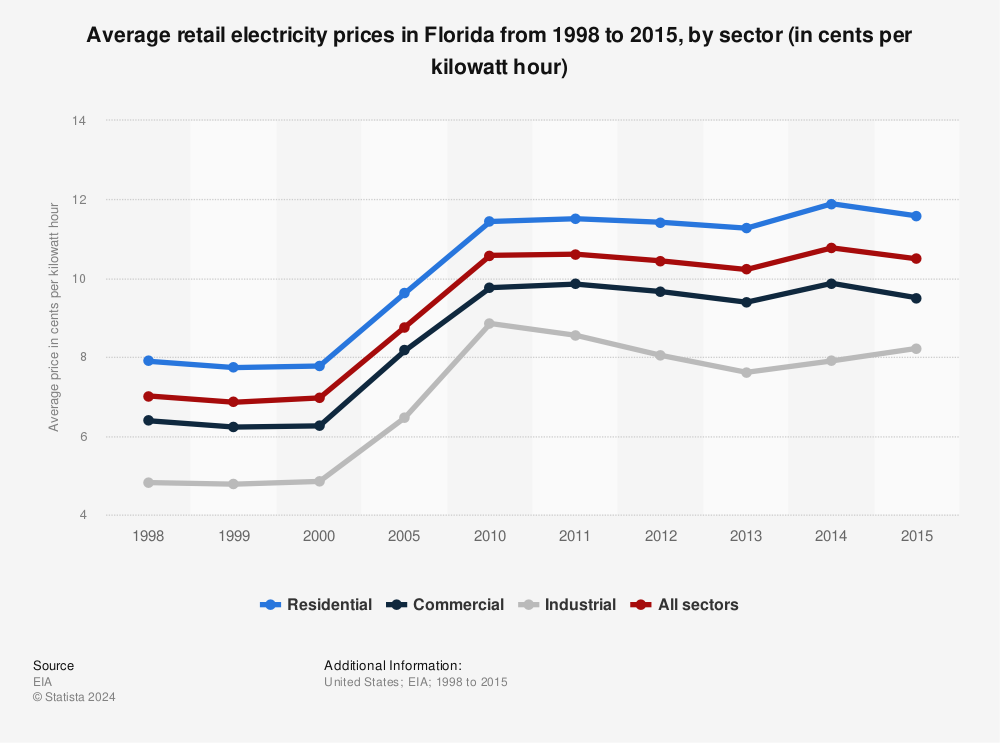
While specific rates are dynamic, it’s possible to provide a general range for budgeting purposes. Residential electricity rates in Florida typically fall between 12 to 16 cents per kWh on average, including all surcharges and fees. This places Florida roughly in the middle compared to national averages, but it’s crucial to consider the higher baseline consumption due to climate.
For an average Florida household, monthly electricity bills can range from $150 to $300 or more, particularly for larger homes or those with older, less efficient HVAC systems. Smaller apartments or highly efficient homes might see bills closer to the lower end of this spectrum.
Comparing Rates Across Major Cities
While the statewide average provides a benchmark, rates can differ by municipality.
- Miami / Fort Lauderdale (FPL Service): Generally sees competitive rates from FPL. A typical 1,000 kWh monthly bill might be around $130-$160, depending on current fuel charges.
- Orlando (OUC and Duke Energy Service): OUC and Duke Energy Florida rates are often comparable. Expect similar ranges to FPL, perhaps slightly higher or lower based on the specific utility and billing period.
- Tampa (TECO Service): TECO rates have historically been somewhat higher than FPL’s, though competitive. A 1,000 kWh bill could range from $140-$170.
- Jacksonville (JEA Service): As a municipal utility, JEA rates are set by the city. They often strive for affordability but can also see fluctuations.
- Tallahassee: Served by the City of Tallahassee Utilities, rates here also reflect local governance and energy mix.
It’s crucial for long-term residents or those considering investment properties to check the specific utility provider and their current rate tariffs for the exact address.
Seasonal Variations and Their Impact on Budget
The most significant impact on your energy bill will be seasonal. Florida’s climate dictates this:
- Summer (May – October): This is peak season for electricity consumption. With daily highs often in the 90s°F and high humidity, air conditioning runs almost constantly. Bills can easily double or even triple during these months compared to cooler periods.
- Winter (November – April): While parts of northern Florida can experience cold snaps, most of the state enjoys mild winters. Heating needs are minimal, often just for a few weeks or days. This is when energy bills are typically at their lowest.
Lifestyle choices, such as setting your thermostat higher in summer (e.g., 78°F instead of 72°F) or using ceiling fans, can make a substantial difference in managing these seasonal peaks.
Strategies for Managing Energy Costs During Your Stay
For residents, long-term visitors, or those exploring remote work options, proactive energy management is key to maintaining a desirable lifestyle without breaking the bank.
Accommodation Choices and Utility Inclusion
When selecting accommodation, especially for extended stays or vacation rentals, pay close attention to how utilities are handled:
- All-Inclusive Rentals: Many short-term and some long-term rentals will include utilities in the monthly rent. This provides predictable budgeting but might mean a slightly higher base rent to cover potential high usage by tenants.
- Utilities Separate: For most long-term leases, tenants are responsible for setting up and paying for utilities directly. This offers more control over consumption but introduces variability into your monthly expenses. For vacation rentals with separate utility billing, there might be a “cap” on usage included, with overages charged separately – always clarify this.
- Energy Efficiency of the Property: Inquire about the age of the HVAC system, window insulation, and the presence of energy-efficient appliances. A well-insulated, modern property will undoubtedly lead to lower bills.
Energy-Efficient Practices for Travelers and Residents
Adopting simple energy-saving habits can significantly reduce your bill:
- Thermostat Management: Set your AC to 78°F when home and higher (e.g., 82°F or off if away for extended periods). Use programmable or smart thermostats to automate temperature adjustments.
- Ceiling Fans: Use ceiling fans to create a wind-chill effect, allowing you to feel comfortable at a slightly higher thermostat setting. Remember to turn them off when leaving the room, as they cool people, not spaces.
- Window Treatments: Close blinds, curtains, or shades during the hottest part of the day, especially on south and west-facing windows, to block solar heat gain.
- Appliance Use: Run dishwashers and washing machines during off-peak hours (if your utility has time-of-use rates, though less common for residential in Florida) or in the evening when outdoor temperatures are cooler. Air-dry clothes when possible.
- Maintenance: Regularly change HVAC filters (monthly during peak season) and ensure your AC unit is serviced annually. Dirty filters reduce efficiency and increase energy consumption.
Solar Power and Sustainable Living Options
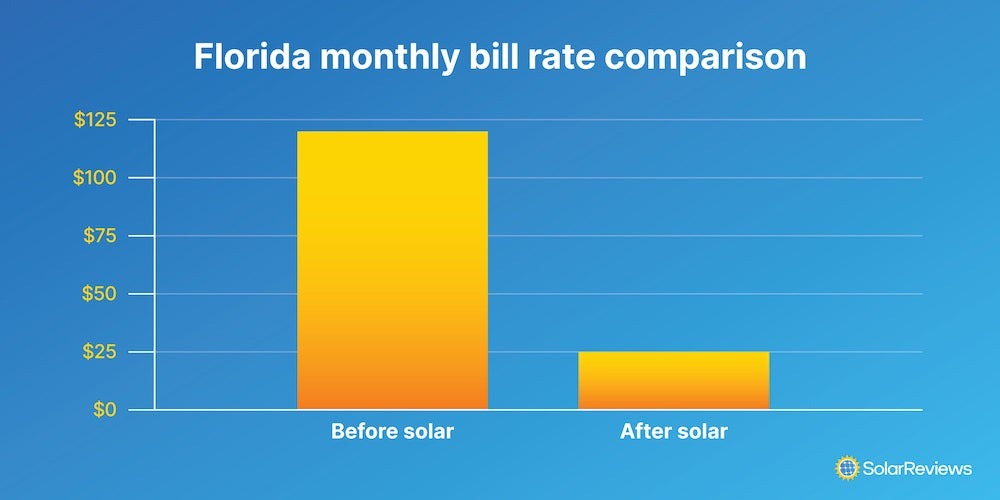
Florida’s abundant sunshine makes it an ideal location for solar energy. For homeowners or those planning long-term residency, investing in solar panels can offer significant long-term savings and energy independence. Many utilities offer net metering programs, allowing solar customers to send excess electricity back to the grid for credits, further reducing or even eliminating their monthly electric bill. Several incentives, both federal and state-level, can make solar installations more affordable. This sustainable choice not only benefits the environment but can significantly enhance a budget-conscious lifestyle in Florida.
Beyond Electricity: Other Utility Considerations
While electricity is often the largest utility expense in Florida, other utilities also contribute to the overall cost of living and should be factored into your lifestyle budget.
Water and Sewer Costs
Water and sewer services are typically provided by municipal utility departments. Costs vary widely based on location and consumption. In areas with high demand or water scarcity, rates can be higher. Drought conditions or specific local ordinances can also affect these rates. Average monthly water and sewer bills for a single-family home in Florida can range from $50 to $100, with higher consumption pushing bills upwards. Landscaping irrigation, especially common in Florida, can significantly increase water usage.
Internet and Communication Services
High-speed internet is an essential utility for modern living, especially for remote workers or those seeking extended stays. Florida offers a competitive market with providers like Spectrum, AT&T, Frontier Communications, and various local fiber optic providers. Monthly costs for internet service typically range from $50 to $100, depending on speed and bundled services. Adding cable TV or landline phone services will increase this expense.
Impact on Lifestyle and Budgeting in the Sunshine State
The cost of energy, along with other utilities, plays a pivotal role in shaping the overall lifestyle and budgeting for anyone living or planning an extended stay in Florida.
Planning for Long-Term Stays or Remote Work
For digital nomads, retirees, or families relocating, a comprehensive understanding of utility costs is non-negotiable. Factoring in the high summer electricity bills, along with water, sewer, and internet, allows for realistic budgeting. Choosing an energy-efficient home, adopting smart consumption habits, and researching local utility rates before committing to a location can lead to significant savings over time, enhancing the financial viability of a Florida lifestyle. Consider areas served by municipal utilities like OUC or JEA, as their rates can sometimes differ from the larger investor-owned companies.
Vacation Rentals and Hidden Utility Fees
Travelers opting for vacation rentals through platforms like Airbnb or VRBO must be particularly vigilant about utility clauses. While many hosts include utilities in the nightly or weekly rate, some may have a “utility allowance” or cap, especially for longer stays. Exceeding this cap can result in unexpected charges, turning an otherwise budget-friendly trip into a costly surprise. Always read the fine print regarding electricity, water, and internet usage to avoid these hidden fees, ensuring your Florida experience remains enjoyable and within budget.
In conclusion, while Florida offers an alluring lifestyle, understanding and actively managing energy and other utility costs is crucial. By being aware of your chosen location’s providers, seasonal consumption patterns, and implementing energy-saving practices, you can ensure your Florida experience remains as sunny and stress-free as the climate itself.
LifeOutOfTheBox is a participant in the Amazon Services LLC Associates Program, an affiliate advertising program designed to provide a means for sites to earn advertising fees by advertising and linking to Amazon.com. Amazon, the Amazon logo, AmazonSupply, and the AmazonSupply logo are trademarks of Amazon.com, Inc. or its affiliates. As an Amazon Associate we earn affiliate commissions from qualifying purchases.