
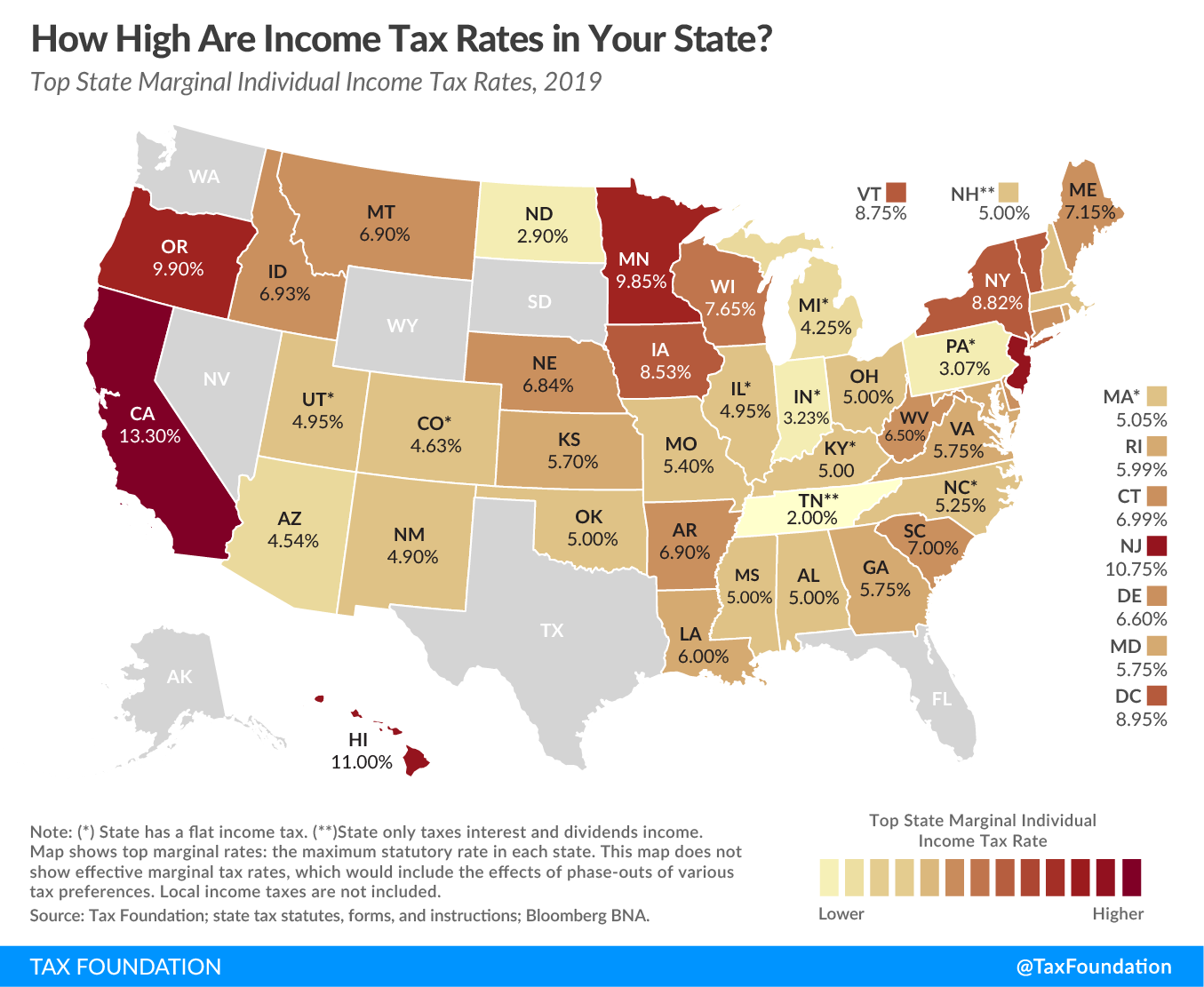
The question of federal income tax in Texas often sparks interest, particularly given the state’s reputation for having no state income tax. While residents do not contribute to state coffers through income tax, federal income tax remains a significant financial consideration for individuals and businesses alike. Understanding the nuances of federal tax obligations is crucial for financial planning, investment strategies, and overall economic well-being for anyone residing in or earning income within the Lone Star State. This article delves into the federal income tax landscape as it applies to Texas, exploring its structure, implications for various income levels, and how it interacts with the state’s unique tax environment.
The Federal Income Tax Framework in Texas
Federal income tax is levied by the U.S. federal government and applies uniformly across all states, including Texas. The Internal Revenue Service (IRS) is the agency responsible for administering and enforcing federal tax laws. The tax system in the United States is progressive, meaning that higher earners pay a larger percentage of their income in taxes. This progressive structure is determined by tax brackets, which are income ranges with corresponding tax rates.
Tax Brackets and Rates
Federal income tax rates are set annually by Congress and can be subject to change. For the tax year 2023, the federal income tax brackets for single filers and married couples filing jointly are as follows:
Single Filers:
- 10% on income up to $11,000
- 12% on income between $11,001 and $44,725
- 22% on income between $44,726 and $95,375
- 24% on income between $95,376 and $182,100
- 32% on income between $182,101 and $231,250
- 35% on income between $231,251 and $578,125
- 37% on income over $578,125
Married Couples Filing Jointly:
- 10% on income up to $22,000
- 12% on income between $22,001 and $89,450
- 22% on income between $89,451 and $190,750
- 24% on income between $190,751 and $364,200
- 32% on income between $364,201 and $462,500
- 35% on income between $462,501 and $693,750
- 37% on income over $693,750
These brackets are adjusted annually for inflation. It is important to note that these rates apply to taxable income, which is calculated after deductions and credits.
Taxable Income vs. Gross Income
A critical distinction in federal income tax is between gross income and taxable income. Gross income encompasses all sources of income, including wages, salaries, tips, interest, dividends, capital gains, and business profits. Taxable income, on the other hand, is the portion of your gross income that is actually subject to tax. This is determined by subtracting various deductions and credits from your gross income.
Deductions and Credits
Deductions reduce your taxable income, while credits directly reduce your tax liability. Common deductions include those for mortgage interest, state and local taxes (SALT), medical expenses (above a certain threshold), and charitable contributions. The standard deduction, which is a fixed amount that most taxpayers can claim instead of itemizing individual deductions, is also a significant factor. For 2023, the standard deduction for single filers is $13,850, and for married couples filing jointly, it is $27,700.
Tax credits offer a dollar-for-dollar reduction in tax owed. Examples include the Child Tax Credit, the Earned Income Tax Credit, and credits for education expenses or retirement savings. The availability and amount of these deductions and credits can significantly impact the final federal income tax bill for Texas residents.
Federal Income Tax Implications for Texas Residents
The absence of state income tax in Texas means that residents have more disposable income compared to those in states with high income tax rates, assuming all other factors are equal. However, this state-level exemption does not absolve individuals or businesses from their federal tax obligations.
Individuals and Families
For individuals and families in Texas, federal income tax is a primary component of their tax burden. A single individual earning $60,000 annually, for instance, would have a portion of that income taxed according to the brackets outlined above. If they claim the standard deduction, their taxable income would be lower, resulting in a reduced tax bill. The specific amount of federal income tax paid will depend on their filing status, the amount of their gross income, and the deductions and credits they are eligible for.
Consider a family in Houston with a combined gross income of $120,000. If they are married filing jointly and opt for the standard deduction, their taxable income would be $120,000 – $27,700 = $92,300. This taxable income would then be subject to the progressive federal tax rates.
Businesses and Corporations

Businesses operating in Texas are also subject to federal income tax on their corporate profits. The current federal corporate tax rate is a flat 21%. This rate applies to the net earnings of corporations. Small businesses structured as pass-through entities, such as partnerships, S-corporations, and sole proprietorships, do not pay corporate income tax themselves. Instead, their profits are passed through to the owners and reported on their individual income tax returns, taxed at the individual income tax rates.
The absence of state corporate income tax in Texas makes it an attractive location for businesses. However, federal taxes remain a significant expense that businesses must factor into their financial planning. For example, a corporation headquartered in Dallas with $1 million in net profits would owe $210,000 in federal corporate income tax.
Impact on Investment and Retirement Planning
The federal income tax structure influences investment and retirement planning strategies for Texas residents. For example, capital gains from the sale of investments are subject to federal tax. The rates for long-term capital gains are generally lower than ordinary income tax rates, often ranging from 0% to 20%, depending on income level. This can encourage long-term investment strategies.
Retirement accounts like 401(k)s and IRAs offer tax advantages that can help mitigate federal income tax liabilities. Contributions to traditional 401(k)s and IRAs are often tax-deductible, reducing current taxable income. Earnings in these accounts grow tax-deferred, and withdrawals in retirement are typically taxed as ordinary income. Roth IRAs and Roth 401(k)s, conversely, are funded with after-tax dollars, but qualified withdrawals in retirement are tax-free. Understanding these options is vital for effective financial planning in Texas.
Navigating Federal Tax Obligations in Texas
Effectively managing federal income tax obligations in Texas involves understanding available deductions, credits, and strategic planning. Given the complexity of tax laws, many residents and businesses seek professional advice.
Importance of Tax Professionals
Certified Public Accountants (CPAs) and other qualified tax professionals can provide invaluable assistance. They can help identify all eligible deductions and credits, ensure compliance with IRS regulations, and offer guidance on tax-efficient investment and business strategies. For individuals, a CPA can help optimize their tax returns. For businesses, a CPA can assist with corporate tax filings, payroll taxes, and sales tax compliance, ensuring that all federal obligations are met accurately and efficiently.
Tax Planning Strategies
Proactive tax planning is essential for minimizing tax liabilities legally. This might involve:
- Maximizing Retirement Contributions: Utilizing tax-advantaged retirement accounts to reduce current taxable income.
- Strategic Investment: Holding investments for the long term to benefit from lower capital gains tax rates.
- Charitable Giving: Planning charitable contributions to maximize their tax benefits, whether through direct donations or donor-advised funds.
- Business Structure Optimization: For business owners, choosing the most tax-efficient business structure.
- Tax Loss Harvesting: In taxable investment accounts, selling investments at a loss to offset capital gains and potentially a limited amount of ordinary income.
For those who may be considering relocating to Texas to take advantage of its no state income tax policy, it is crucial to remember that federal income tax will still apply. While the state-level savings can be substantial, federal tax obligations remain a significant financial consideration that must be fully understood. The absence of state income tax can, however, amplify the impact of federal deductions and credits. For instance, if an individual’s state tax liability is zero, they may not be able to benefit from the SALT deduction if they choose to itemize, as the deduction for state and local taxes is capped at $10,000 per household.
Federal Tax Filing and Compliance in Texas
The process of filing federal income taxes in Texas is the same as in any other state. Taxpayers can file electronically through tax software or by working with a tax preparer. The deadline for filing individual federal income tax returns is typically April 15th each year, with extensions available.
Deadlines and Extensions
For most Texas residents, the federal income tax filing deadline is April 15th. If this date falls on a weekend or a holiday, the deadline is moved to the next business day. An automatic six-month extension to file can be obtained by submitting Form 4868, Application for Automatic Extension of Time To File U.S. Individual Income Tax Return. However, it is important to note that an extension to file is not an extension to pay. Any tax owed must still be paid by the original deadline to avoid penalties and interest.
Record Keeping
Maintaining accurate and organized financial records is paramount for both individuals and businesses in Texas. This includes keeping receipts for all deductible expenses, records of income from all sources, and documentation for any tax credits claimed. Proper record-keeping not only simplifies the tax filing process but also provides essential documentation in the event of an IRS audit. Recommended record retention periods vary depending on the nature of the document, but generally, it is advisable to keep tax-related records for at least three to seven years.
Audits and IRS Procedures
While the likelihood of an IRS audit may be low for many taxpayers, understanding the process is important. An audit is an examination of your tax return by the IRS to verify that your income and deductions are reported accurately. If you are selected for an audit, the IRS will typically notify you by mail, outlining the reason for the examination and the specific information they require. Having thorough records and working with a tax professional can significantly ease the audit process and help ensure a favorable outcome. For residents in Texas, the IRS procedures are identical to those across the country.

Conclusion: Federal Tax as a Constant in the Texas Landscape
While Texas is renowned for its absence of state income tax, federal income tax remains a fundamental financial obligation for all its residents and businesses. This federal tax is progressive, applying a tiered system of rates based on income levels and filing status. Understanding the differences between gross and taxable income, and leveraging available deductions and credits, are key strategies for managing this tax burden effectively. Businesses, whether large corporations or small pass-through entities, also face federal income tax implications, with corporations currently taxed at a flat 21%. For individuals and businesses alike, professional guidance from tax experts and proactive tax planning are invaluable for ensuring compliance and optimizing financial outcomes in the Lone Star State. The federal income tax, though uniform across the nation, plays a significant and distinct role in the financial lives of those living and working in Texas, shaping everything from personal budgets to corporate investment decisions.
LifeOutOfTheBox is a participant in the Amazon Services LLC Associates Program, an affiliate advertising program designed to provide a means for sites to earn advertising fees by advertising and linking to Amazon.com. Amazon, the Amazon logo, AmazonSupply, and the AmazonSupply logo are trademarks of Amazon.com, Inc. or its affiliates. As an Amazon Associate we earn affiliate commissions from qualifying purchases.