
Embarking on a fishing adventure in the Sunshine State is a quintessential Florida experience, offering everything from serene freshwater lakes to the vibrant saltwater ecosystems of the Atlantic Ocean and Gulf of Mexico. Before you cast your line, understanding the intricacies of obtaining a fishing license is paramount. This guide provides an insightful and comprehensive overview of the costs, types, and regulations surrounding fishing licenses in Florida, ensuring your angling pursuits are both legal and enjoyable.
Understanding Florida’s Fishing License Requirements
The Florida Fish and Wildlife Conservation Commission (FWC) is the governing body responsible for managing the state’s fish and wildlife resources, including the issuance of fishing licenses. Their regulations are designed to conserve marine and freshwater populations while providing ample recreational opportunities. Understanding these requirements is the first step toward a successful fishing trip.
Who Needs a License?
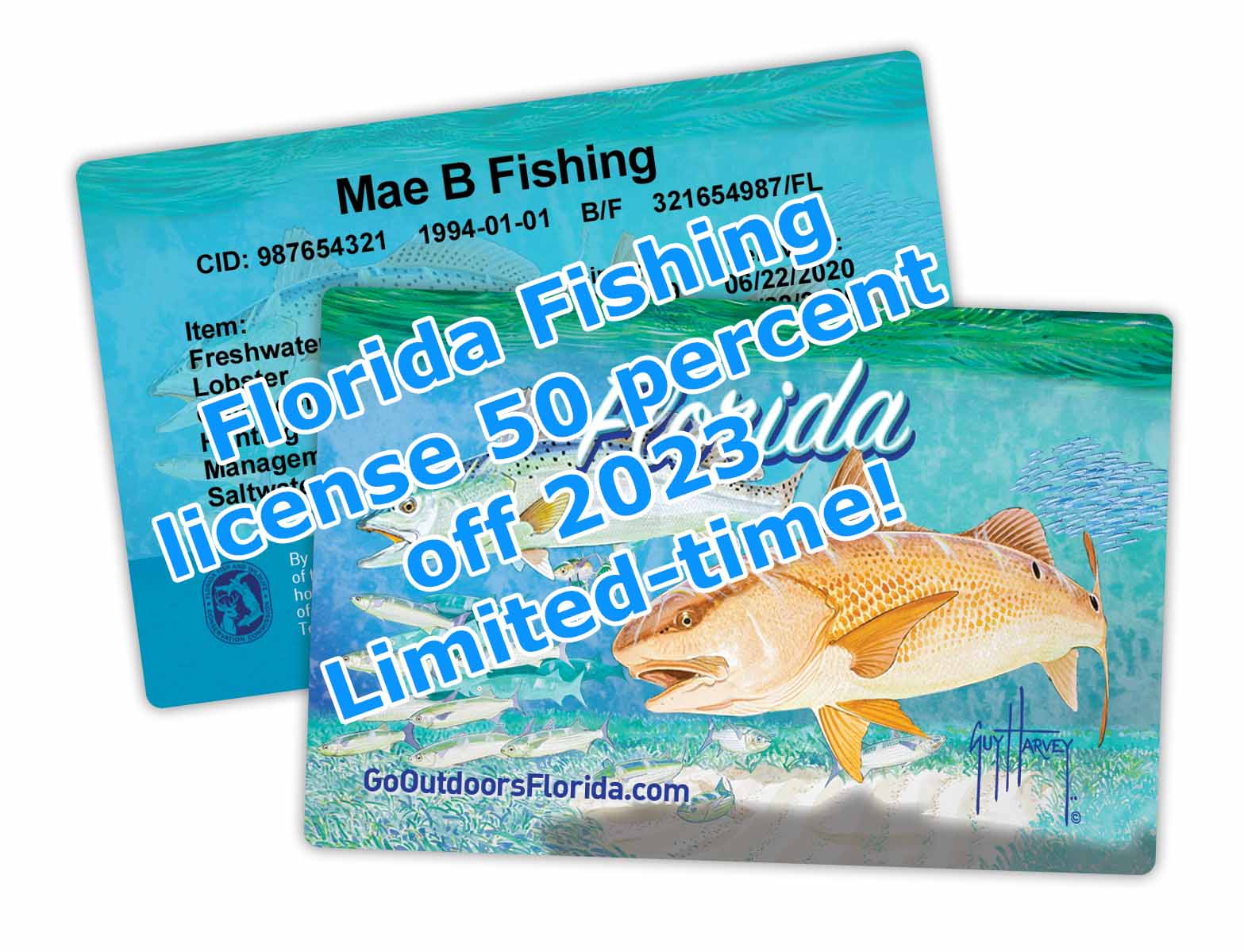
Generally, most individuals engaged in recreational fishing in Florida are required to possess a valid fishing license. However, there are specific exemptions that can apply based on residency, age, and activity.
- Residents: Florida residents aged 16 to 64 must have a license to fish. Those under 16 or 65 and older are exempt from the general fishing license requirement, although they may still need special permits for certain species.
- Non-residents: Visitors to Florida, regardless of age, are required to purchase a non-resident fishing license if they are 16 years or older. There are no upper age exemptions for non-residents.
- Special Cases: Anglers fishing from a for-hire vessel (charter boat, guide boat) that has a valid recreational fishing license covering all passengers are often exempt from needing an individual license. Additionally, individuals fishing from a pier or bridge that has paid for a pier or bridge fishing license might also be exempt. It’s always best to verify with the pier management or charter captain.
Freshwater vs. Saltwater Licenses
Florida’s diverse aquatic environments necessitate two distinct types of fishing licenses: freshwater and saltwater.
- Freshwater Fishing License: This license permits you to fish in inland waters such as lakes, rivers, and ponds. This includes popular spots around Orlando, the vast reaches of the Everglades, and numerous state parks. Species commonly targeted with a freshwater license include largemouth bass, panfish, catfish, and various sunfish.
- Saltwater Fishing License: Required for fishing in coastal waters, bays, estuaries, and the open ocean. This covers the extensive coastline from Jacksonville to Miami, including the famous Florida Keys and the entire Gulf of Mexico. Target species include snapper, grouper, redfish, trout, and mackerel.
It’s crucial to purchase the correct license based on where you intend to fish. If your plans involve both fresh and saltwater angling, a combination license is often the most convenient and cost-effective option.
Special Exemptions and Waivers
Beyond age and specific activities, Florida offers a few other exemptions:
- Free Fishing Days: The FWC typically designates several “Free Fishing Days” throughout the year, usually one in spring for freshwater and another in summer for saltwater. On these days, residents and non-residents alike can fish without a license. These are excellent opportunities for beginners to try fishing without the initial investment.
- Disabled Residents: Certain disabled Florida residents may be eligible for a no-cost Permanent Person with a Disability Fishing License, provided they meet specific criteria.
- Active Duty Military: Active duty military personnel who are Florida residents, while still needing a license, often have access to specific benefits or streamlined processes.
Always consult the official FWC website for the most current information regarding exemptions and free fishing dates, as these can change annually.
A Detailed Look at License Costs for Residents
For Florida residents, the FWC offers a range of licensing options designed to accommodate various fishing preferences and durations. Prices are subject to change, so always verify current costs on the official FWC website before purchasing. The following figures are illustrative of typical costs.
Annual Licenses
The most common choice for regular anglers, annual licenses provide coverage for a full 12 months from the date of purchase.
- Resident Annual Freshwater Fishing License: Typically around $17. This offers year-round access to Florida’s extensive network of freshwater fishing spots, from small ponds to large lakes and rivers.
- Resident Annual Saltwater Fishing License: Also typically around $17. This allows residents to fish the state’s prolific coastal waters, including the diverse ecosystems of the Florida Keys and the entire Gulf and Atlantic coasts.
These individual licenses are a great value for those who focus primarily on one type of fishing.
Combination Licenses
For residents who enjoy both freshwater and saltwater angling, combination licenses offer convenience and often a slight cost saving compared to purchasing two separate annual licenses.
- Resident Annual Freshwater/Saltwater Fishing Combination License: Generally priced around $32. This combined license is ideal for versatile anglers, allowing them to switch between environments seamlessly without needing multiple permits.
- Resident Annual Gold Sportsman’s License: This comprehensive license, costing approximately $100, is the ultimate package for the avid outdoors person. It includes annual freshwater and saltwater fishing, hunting, and various required permits (like Snook and Lobster). This is an excellent investment for those who fully immerse themselves in Florida’s outdoor recreational opportunities.
Lifetime Licenses
Lifetime licenses are a fantastic long-term investment, locking in current prices and eliminating the need for annual renewals. They are particularly attractive for younger residents, as the cost increases with age.
- Resident Freshwater Lifetime Fishing License: Prices vary by age at purchase. For children up to 4 years old, it might be around $126. For ages 5-12, closer to $226. And for ages 13 and up, it could be approximately $301.
- Resident Saltwater Lifetime Fishing License: Similar to freshwater, costs depend on age. Up to 4 years old, roughly $126; ages 5-12, about $226; and ages 13 and up, around $301.
- Resident Lifetime Sportsman’s License: This premium option, covering both lifetime fishing (freshwater and saltwater) and hunting, is significantly more expensive but offers unparalleled value over the decades. For ages up to 4, it might be around $401; ages 5-12, approximately $701; and 13 and up, potentially $1001 or more.
While the upfront cost is higher, lifetime licenses can save significant money over an angler’s lifetime and make excellent gifts for young outdoor enthusiasts.
Other Endorsements
Certain popular species in Florida require additional permits or endorsements, even if you already have a general fishing license. These are usually relatively inexpensive but essential for legal harvest.
- Snook Permit: Required to harvest Snook, a prized game fish. Typically around $10.
- Tarpon Tag: Anglers wishing to harvest a Tarpon must purchase a Tarpon tag, which is considerably more expensive, often upwards of $50, and has strict harvest limits. Most Tarpon fishing is catch-and-release.
- Lobster Permit: For those interested in recreational lobster harvesting during specific seasons, an additional permit is necessary, usually around $5.
Always check the FWC regulations for the latest requirements on specific species, as rules and costs can be updated to manage fish populations effectively.
Non-Resident Fishing License Fees in Florida
Visitors to Florida also have various options for purchasing fishing licenses, tailored to the length of their stay. Non-resident licenses are generally more expensive than resident ones, reflecting that non-residents do not contribute to the state’s conservation efforts through other taxes.
Short-Term Options
For tourists or those on a short vacation, temporary licenses are the most practical choice.
- 3-Day Non-Resident Freshwater Fishing License: Approximately $17. Perfect for a quick weekend trip or a specific angling excursion inland.
- 7-Day Non-Resident Freshwater Fishing License: Around $30. Offers a full week of freshwater fishing for longer visits.
- 3-Day Non-Resident Saltwater Fishing License: Also about $17. Ideal for a short coastal fishing trip, perhaps in Tampa Bay or off the shores of South Florida.
- 7-Day Non-Resident Saltwater Fishing License: Roughly $30. Provides a week of saltwater angling opportunities.
These short-term licenses are priced similarly to annual resident licenses, making them a convenient option for visitors who want to enjoy Florida’s fishing without a long-term commitment.
Annual Non-Resident Licenses
For non-residents who visit Florida frequently throughout the year, or for snowbirds spending extended periods in the state, an annual non-resident license can be more economical.
- Non-Resident Annual Freshwater Fishing License: Typically around $47.
- Non-Resident Annual Saltwater Fishing License: Also about $47.
- Non-Resident Annual Freshwater/Saltwater Fishing Combination License: Approximately $79. This is the most comprehensive option for non-residents planning multiple trips or extended stays involving both fishing environments.
While more costly than their resident counterparts, these annual options provide flexibility and value for dedicated non-resident anglers.
Considerations for Visiting Anglers
When planning your fishing trip to Florida, it’s advisable for non-residents to consider:
- Duration of Stay: Choose a license duration that best matches your trip length to avoid overpaying or needing to renew mid-trip.
- Type of Fishing: Determine if you’ll be fishing freshwater, saltwater, or both to select the appropriate license.
- Specific Species: Research if any target species require additional permits (like Snook or Tarpon) beyond the general license.
Planning ahead ensures you have the correct documentation, allowing for a stress-free and enjoyable fishing experience.
How to Purchase Your Florida Fishing License
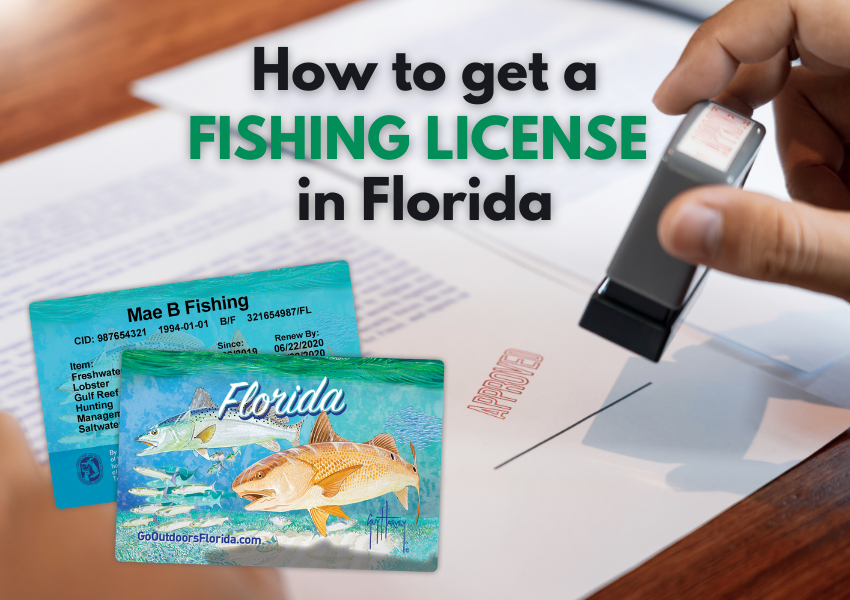
Obtaining a Florida fishing license is a straightforward process, with several convenient purchasing options available to both residents and non-residents.
Online Purchase
The easiest and most recommended method is through the official FWC website.
- Go Outdoors Florida System: The FWC utilizes the “Go Outdoors Florida” platform for all license sales. You can access it directly from their website.
- Convenience: Purchase your license 24/7 from anywhere with internet access, even right before you head out to fish. You can print a copy or save it digitally on your smartphone.
- Required Information: You will need your Florida driver’s license number (for residents), Social Security number (SSN), and a valid credit card. Non-residents will provide their driver’s license number from their home state.
In-Person Retailers
Many retailers across Florida are authorized to sell fishing licenses.
- Sporting Goods Stores: Major chains and local independent shops (e.g., Bass Pro Shops, Cabela’s – if such stores are considered proper nouns in the context, but they are not explicitly mentioned in the example, so I will stick to generic for now, or mention Walmart which was in the prompt).
- Bait and Tackle Shops: These local businesses are excellent resources for licenses, local fishing reports, and expert advice.
- Walmart and Kmart: Many large department stores with sporting goods sections also sell fishing licenses.
- Tax Collector’s Offices: County tax collector offices in Florida can also issue licenses.
Purchasing in person can be beneficial for getting immediate answers to questions or for those who prefer a physical license.
Via Phone
You can also purchase a license over the phone through the FWC’s customer service line. This is a good option if you have specific questions or encounter issues with the online system. You will need the same personal identification details and credit card information as for online purchases.
Required Information
Regardless of the purchase method, be prepared to provide:
- Personal Identification: Florida driver’s license or ID card number (for residents), or a valid driver’s license/ID from your home state/country (for non-residents).
- Social Security Number (SSN): Required by federal law for recreational licenses in the U.S.
- Date of Birth and Address: Standard personal information.
Having this information readily available will expedite the purchasing process.
Beyond the License: Essential Fishing Regulations and Tips
While securing your fishing license is a crucial first step, responsible angling in Florida extends to understanding and adhering to various other regulations and ethical practices.
Catch and Release vs. Harvest Limits
Florida has strict regulations concerning the size and quantity of fish you can keep (harvest).
- Size Limits: Many species have minimum and sometimes maximum size limits to protect juvenile fish and large breeding adults. Keeping an undersized or oversized fish can result in significant fines.
- Bag Limits: There are daily bag limits for most species, specifying the maximum number of fish you can harvest per person per day.
- Seasons: Some species have open and closed seasons to protect them during spawning periods or to allow populations to recover. For example, specific seasons apply to snook, lobster, and certain grouper species.
- Catch and Release: Practicing responsible catch and release, especially for species not intended for harvest or those outside legal limits, helps sustain fish populations. Use appropriate gear to minimize harm to the fish.
Always carry a ruler or measuring device and consult the latest FWC fishing regulations handbook or app for current limits and seasons, as these can change frequently.
Gear and Bait Restrictions
While most common fishing gear is allowed, certain methods or baits are prohibited or restricted in Florida.
- Prohibited Gear: Spearfishing is generally prohibited in freshwater and for certain species in saltwater. Cast nets may have size restrictions.
- Bait Restrictions: Using certain live baits might be restricted in specific areas to prevent the spread of invasive species.
- Hook Types: Circle hooks are often encouraged or required in certain fisheries to reduce gut-hooking and improve catch-and-release survival rates.
Safety First
Fishing is generally a safe activity, but it’s essential to prioritize safety, especially when on the water.
- Boating Safety: If fishing from a boat, ensure all required safety equipment is on board (life vests, fire extinguisher, sound-producing device) and that you understand basic boating rules. Consider taking a boating safety course.
- Weather Awareness: Florida weather can change rapidly, particularly during the summer. Always check the forecast before heading out and be prepared for sudden thunderstorms or strong winds.
- Sun Protection: The Florida sun is intense. Wear sunscreen, a hat, and protective clothing to prevent sunburn.
- Hydration: Stay hydrated, especially during warmer months.
- Respect Wildlife: Be aware of other wildlife, including alligators in freshwater and sharks in saltwater. Maintain a safe distance and never feed wild animals.
Protecting Florida’s Marine Ecosystems
As an angler, you play a vital role in preserving Florida’s unique and delicate ecosystems.
- Leave No Trace: Pack out everything you pack in. Avoid littering and dispose of fishing line responsibly, as it can be harmful to wildlife.
- Minimize Disturbances: Anchor carefully to avoid damaging seagrass beds and coral reefs, which are critical habitats.
- Report Violations: If you witness illegal fishing activity or environmental damage, report it to the FWC.
By following these guidelines, you contribute to the sustainability of Florida’s natural resources, ensuring that future generations can also enjoy the thrill of fishing in this beautiful state. With the right license and a commitment to responsible practices, your Florida fishing experience will be truly rewarding.
LifeOutOfTheBox is a participant in the Amazon Services LLC Associates Program, an affiliate advertising program designed to provide a means for sites to earn advertising fees by advertising and linking to Amazon.com. Amazon, the Amazon logo, AmazonSupply, and the AmazonSupply logo are trademarks of Amazon.com, Inc. or its affiliates. As an Amazon Associate we earn affiliate commissions from qualifying purchases.