
The Allure of a Florida Real Estate Career: A Lifestyle Choice
Florida has long been synonymous with sunshine, beautiful beaches, and a vibrant lifestyle. For many, the dream of living and working in the Sunshine State extends to pursuing a career that aligns with its dynamic economy, and real estate stands out as a particularly attractive option. The appeal of becoming a licensed real estate professional in Florida goes beyond just closing deals; it often represents a deliberate lifestyle choice, offering flexibility, significant income potential, and the opportunity to live and thrive in some of the nation’s most desirable locations.
The state’s robust tourism industry, burgeoning retirement communities, and continuous influx of new residents and investors fuel a constantly active real estate market. Whether it’s luxury beachfront properties in Miami, family-friendly homes near Orlando’s theme parks, or serene waterfront estates in Sarasota, the diversity of Florida’s property landscape means a broad spectrum of opportunities for real estate agents. This variety allows agents to specialize, aligning their professional niche with their personal interests and preferred lifestyle.
A career in real estate in Florida can offer an unparalleled level of autonomy. Agents often manage their own schedules, allowing for a better work-life balance that can accommodate family commitments, hobbies, or simply enjoying the state’s abundant recreational activities. This flexibility is a cornerstone of the lifestyle many professionals seek, moving away from rigid 9-to-5 structures towards a more self-directed career path. Furthermore, the potential for uncapped earnings means that dedication and skill directly translate into financial freedom, enabling a lifestyle that might include investing in a dream home, traveling, or securing a comfortable retirement. Understanding the initial and ongoing costs associated with obtaining and maintaining a Florida real estate license is the first critical step in embarking on this rewarding lifestyle journey.
Understanding the Core Costs: Getting Licensed in the Sunshine State
Embarking on a real estate career in Florida requires navigating a series of financial commitments. While the promise of a flexible and lucrative lifestyle is enticing, understanding these upfront costs is crucial for budgeting and planning. The primary expenses can be broken down into several key categories, each with its own range of pricing based on providers and specific requirements.
Pre-licensing Education (Course Fees)
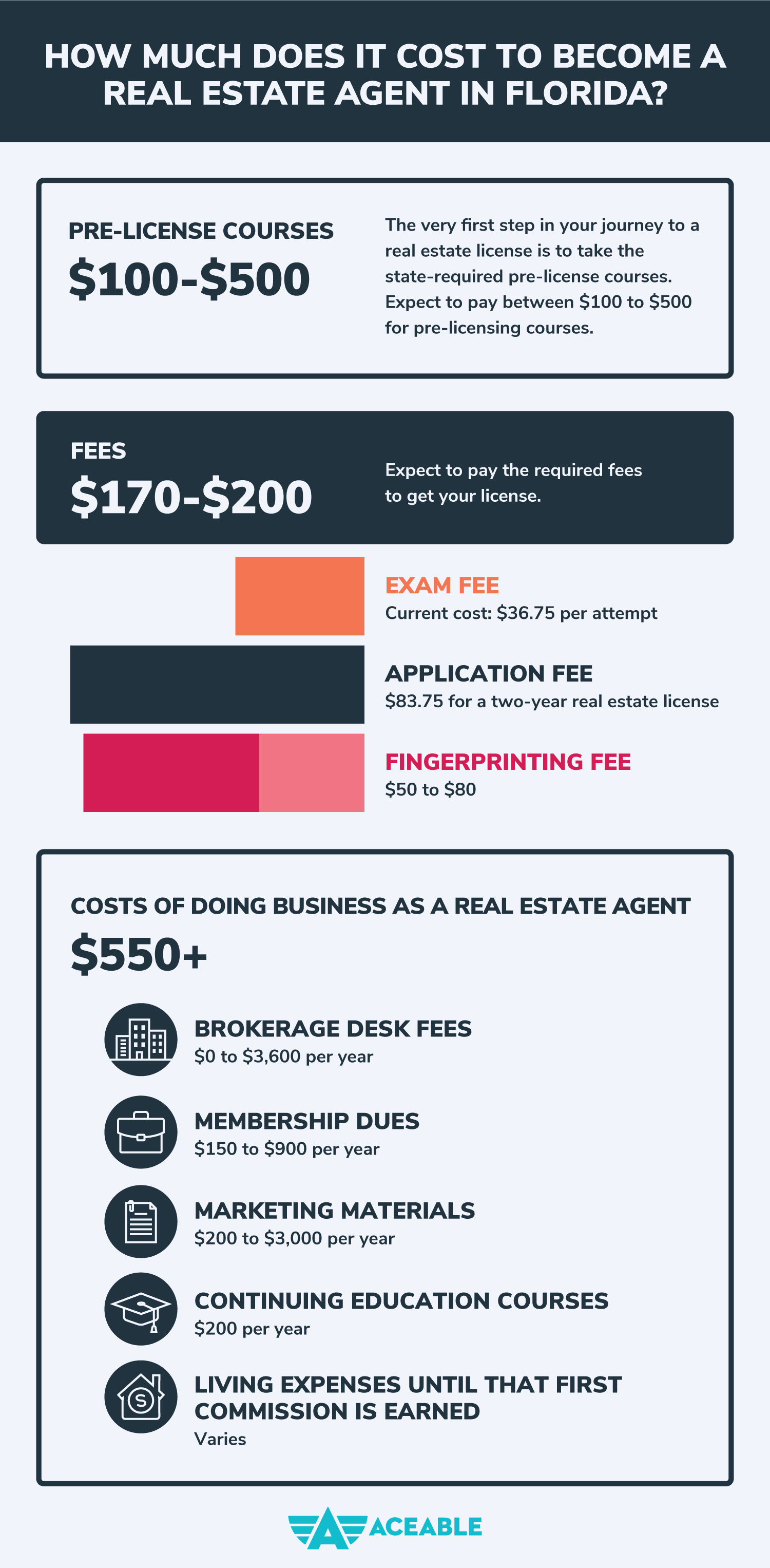
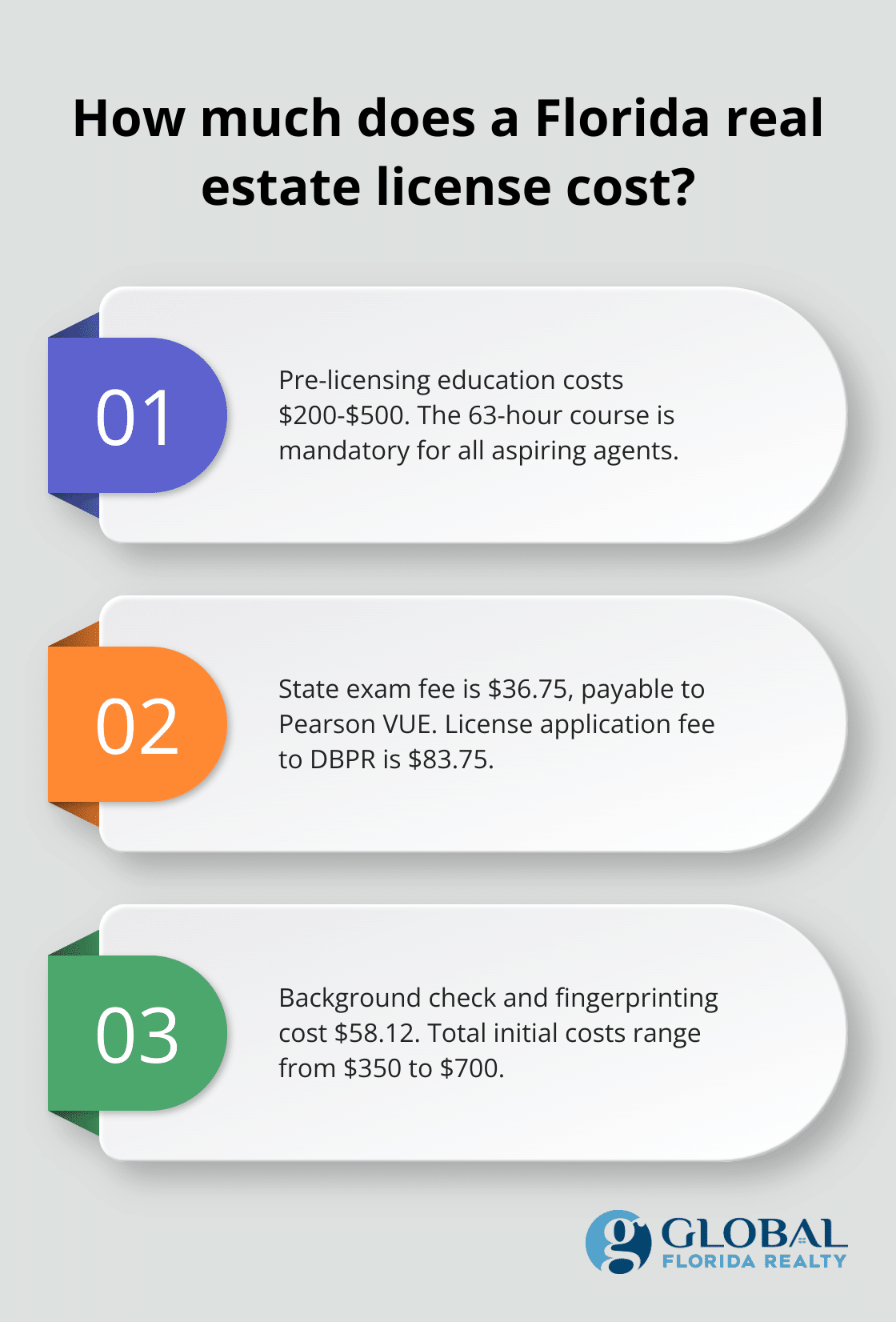
Before you can even apply for a license, Florida requires prospective real estate sales associates to complete a 63-hour pre-licensing course from an approved education provider. The cost for this course can vary significantly depending on the format (online, in-person, or hybrid), the reputation of the school, and any additional resources or exam prep materials included.
- Online Courses: Typically the most affordable option, ranging from $99 to $300. These offer flexibility, allowing individuals to study at their own pace.
- In-Person Classes: Often more expensive, costing between $250 and $500. They provide a structured classroom environment and direct interaction with instructors, which some learners prefer.
- Bundle Packages: Many providers offer packages that include the pre-licensing course, exam prep, and sometimes even post-licensing education. These can range from $300 to $700 and often represent good value for money.
It’s important to research various providers and read reviews to ensure quality education that prepares you adequately for the state exam.
Application Fees
Once you’ve completed your pre-licensing education, the next step is to apply for your license with the Florida Department of Business and Professional Regulation (DBPR). This application comes with a non-refundable fee.
- The current application fee for a Florida Real Estate Sales Associate license is typically around $83.75. This fee covers the processing of your application by the DBPR.
State Exam Fee
After your application is approved, you’ll be eligible to schedule your state licensing exam. This exam is administered by a third-party testing service, and there’s a separate fee for taking it.
- The Florida Real Estate Sales Associate exam fee is generally $36.75 per attempt. If you don’t pass on your first try, you’ll need to pay this fee again for subsequent attempts.
Fingerprinting and Background Check
As part of the licensing process, Florida requires all applicants to undergo a fingerprint-based background check. This is a crucial step to ensure the integrity of the real estate profession.
- The cost for fingerprinting services, which includes the processing of the background check, typically ranges from $50 to $80. This fee is usually paid directly to the authorized Livescan vendor.
In total, the initial core costs to become a licensed real estate sales associate in Florida can range from approximately $269.75 to $880.50, depending heavily on your chosen pre-licensing education provider and whether you pass the exam on your first attempt. This figure represents the absolute minimum to get your foot in the door; however, it is just the beginning of your financial commitment to a real estate lifestyle.
Beyond the Basics: Hidden and Ongoing Expenses
Obtaining your Florida real estate license is merely the first financial hurdle. To truly build a sustainable and successful career, one must account for a range of ongoing and sometimes “hidden” expenses that are crucial for operation and compliance. These costs significantly impact the long-term financial health and desired lifestyle of a real estate professional.
Post-licensing Education
Florida mandates that all newly licensed sales associates complete a 45-hour post-licensing course before their first license renewal. Failure to complete this course will result in the license becoming null and void.
- The cost for the 45-hour post-licensing course typically ranges from $100 to $250, similar to pre-licensing courses, depending on the provider and format.

Association and Board Fees
To gain access to essential tools, networking opportunities, and professional development, most real estate agents choose to join professional organizations.
- National Association of Realtors (NAR) Dues: Annual dues for NAR are approximately $150. Being a member of NAR grants you the title of “Realtor” and access to valuable resources.
- Florida Realtors Dues: The state association, Florida Realtors, also charges annual dues, usually around $100.
- Local Board/Association Dues: Most agents join a local real estate board (e.g., Miami Association of Realtors, Orlando Regional Realtor Association). These annual dues can range from $100 to $300, varying by location.
Collectively, these annual association fees can easily add up to $350 to $550 or more, providing critical access to industry standards and ethical guidelines.
MLS Access (Multiple Listing Service)
The Multiple Listing Service (MLS) is indispensable for real estate professionals, providing comprehensive property listings, market data, and tools for conducting business. Access to the MLS is typically provided through your local Realtor association.
- MLS Subscription Fees: These are often paid quarterly or annually and can range from $200 to $400+ per year, depending on the specific MLS and the services included.
Brokerage Fees/Splits
Upon licensure, you must associate with a licensed real estate broker to activate your license. Brokers provide supervision, office space, and resources, but they also take a share of your commissions.
- Commission Splits: This is the most common model, where the broker takes a percentage of your commission. Splits can range from 50/50 for new agents to 90/10 or even 100% for experienced agents (who then pay a monthly desk fee).
- Desk Fees/Monthly Fees: Some brokerages charge a fixed monthly fee, especially those offering higher commission splits. These can range from $50 to $500+ per month, plus transaction fees.
- Transaction Fees: Many brokerages also charge a per-transaction fee (e.g., $250-$500 per deal), irrespective of the commission split.
These brokerage-related costs directly impact your net income and require careful consideration when choosing where to hang your license.
Marketing and Technology
To succeed in today’s competitive market, a strong personal brand and effective marketing are essential.
- Website/CRM: A professional website and Customer Relationship Management (CRM) software can cost anywhere from $30 to $300+ per month.
- Photography/Videography: High-quality photos and videos for listings are crucial. Budget $100 to $500 per listing for professional media.
- Advertising: Online ads, social media promotion, and traditional print advertising can range from $50 to several hundred dollars per month or per campaign.
- Business Cards, Signs, Lockboxes: Initial setup costs can be a few hundred dollars, with ongoing replenishment as needed.
Errors and Omissions (E&O) Insurance
This professional liability insurance protects agents from claims of negligence or mistakes. While not always mandatory, many brokers require it, and it’s highly recommended for personal protection.
- E&O Insurance: Annual premiums can range from $300 to $1,000, depending on coverage limits and claims history.
Continuing Education (CE)
After your first renewal (which requires the 45-hour post-licensing course), Florida requires 14 hours of continuing education every two years to maintain your license.
- CE Course Fees: These courses typically cost $20 to $50 per course, totaling around $40 to $100 every two years.
These ongoing costs are integral to a real estate agent’s operational budget and should be factored into the overall financial picture when pursuing this lifestyle. They represent the investment necessary to maintain professionalism, compliance, and competitiveness in Florida’s dynamic market.
Maximizing Your Investment: Real Estate as a Path to Financial Lifestyle
Investing in a Florida real estate license is more than just paying fees; it’s an investment in a potential lifestyle characterized by financial autonomy, professional growth, and the ability to dictate one’s own terms. The costs associated with licensing and ongoing operations are significant, but the return on investment can be substantial for those who approach the career strategically.
The income potential in Florida real estate is directly tied to an agent’s effort, skill, and market savvy. With no fixed salary, commission-based earnings mean that a successful agent can earn a substantial income, far exceeding what many traditional salaried positions offer. The average commission rate for a real estate transaction is typically between 2.5% and 3% for the buyer’s agent and the same for the seller’s agent. On a median home price of, for instance, $400,000 in Tampa or Jacksonville, a 2.5% commission equates to $10,000 per side. Even after commission splits with a broker and other fees, a few successful transactions a year can provide a comfortable living, and high performers can easily achieve six-figure incomes.
This financial capability directly supports the desired Florida lifestyle. Imagine having the financial freedom to:
- Own Property: A successful real estate career can pave the way to owning your dream home in Palm Beach, an investment property near Key West, or a vacation rental that generates passive income.
- Travel and Leisure: The flexibility and income can allow for more frequent travel, both within Florida and internationally, fulfilling personal travel aspirations.
- Financial Security: Building a robust client base and a strong reputation leads to a stable income stream, offering peace of mind and the ability to plan for the future, including retirement or further investments.
To mitigate costs and maximize returns, aspiring agents should:
- Choose Cost-Effective Education: Research pre-licensing and post-licensing courses carefully, balancing cost with quality and support. Online providers often offer competitive pricing.
- Budget Meticulously: Create a detailed budget that accounts for all initial and ongoing expenses, including unexpected costs like resitting the state exam or higher-than-anticipated marketing needs.
- Select the Right Brokerage: Interview multiple brokers to find one whose commission structure, fees, support, and culture align with your financial goals and lifestyle preferences. A brokerage that provides leads, mentorship, and technology can significantly reduce personal outlays and accelerate success.
- Network Aggressively: Build a strong professional network and client base from day one. Referrals and repeat business are the most cost-effective forms of lead generation.
Ultimately, the cost of a Florida real estate license is an entry fee into a profession that can offer profound lifestyle rewards. By understanding and strategically managing these expenses, individuals can unlock a career path that offers not just financial prosperity, but also the flexibility, independence, and personal fulfillment that defines the coveted Florida lifestyle.
LifeOutOfTheBox is a participant in the Amazon Services LLC Associates Program, an affiliate advertising program designed to provide a means for sites to earn advertising fees by advertising and linking to Amazon.com. Amazon, the Amazon logo, AmazonSupply, and the AmazonSupply logo are trademarks of Amazon.com, Inc. or its affiliates. As an Amazon Associate we earn affiliate commissions from qualifying purchases.