
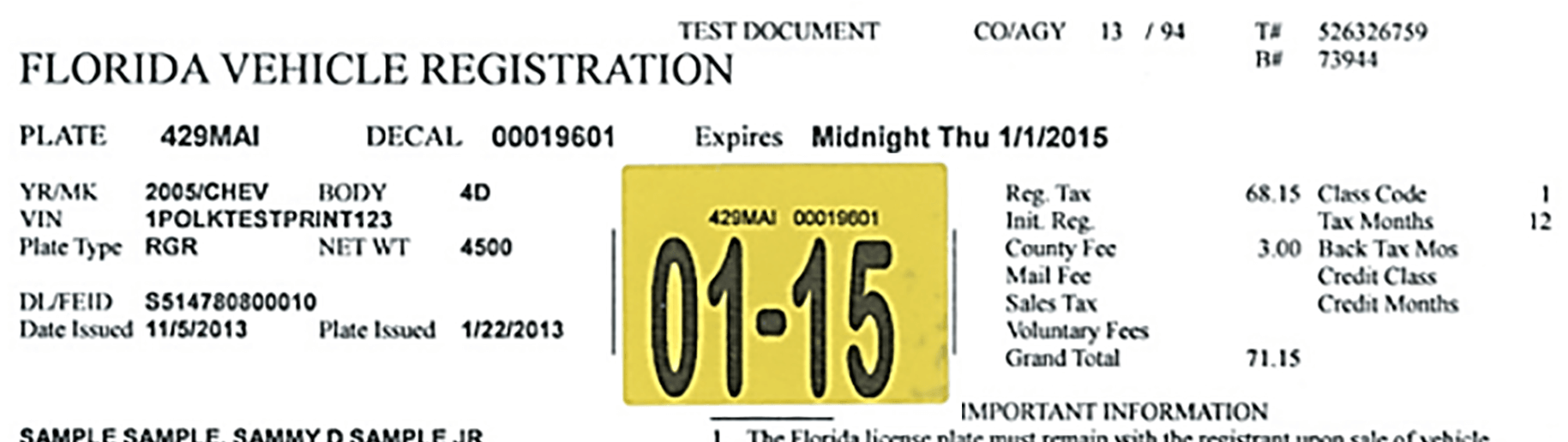
Navigating the intricacies of vehicle ownership in the Sunshine State often leads to a common question: “How much is Florida registration renewal?” This essential process ensures your vehicle is legally permitted to operate on Florida roads, and understanding the associated costs is crucial for budgeting and avoiding penalties. The renewal fee isn’t a fixed amount; rather, it’s a dynamic calculation influenced by several key factors, primarily the type of vehicle you own, its weight, and its age. Understanding these variables will demystify the process and empower you to anticipate the expenditure accurately.
Understanding the Fee Structure
The Florida Department of Highway Safety and Motor Vehicles (FLHSMV) oversees vehicle registration and its renewal. The core of the renewal cost is a base registration fee, but this is augmented by various other charges that contribute to the final price. These additional fees often fund specific state initiatives, infrastructure projects, or services related to transportation and public safety. It’s important to note that these fees can be subject to change by legislative action, so staying informed about any updates is always a good practice.
Vehicle Type and Weight
One of the most significant determinants of your registration renewal cost is the type of vehicle you own and its gross vehicle weight (GVW).
Passenger Vehicles
For standard passenger cars and light trucks, the base registration fee is generally lower. However, as the weight of the vehicle increases, so does the fee. The FLHSMV categorizes vehicles based on weight, and each category has a corresponding fee. For instance, a compact sedan will cost less to renew than a large SUV or a pickup truck. The GVW is typically found on the vehicle’s doorjamb sticker or in the owner’s manual.
Motorcycles
Motorcycles also have a distinct registration fee structure, which is generally less than that for cars. This reflects differences in road usage and insurance requirements.
Commercial Vehicles
Commercial vehicles, including larger trucks, vans, and fleet vehicles, often incur higher registration fees. This is due to their increased road usage, potential for heavier wear and tear on infrastructure, and often commercial insurance requirements. The weight classifications for commercial vehicles are more granular and can significantly impact the renewal cost.
Recreational Vehicles (RVs) and Trailers
The renewal fees for recreational vehicles and trailers vary based on their size and type. Travel trailers, fifth-wheel campers, and motorhomes each have their own fee schedules. Larger, heavier RVs will naturally command a higher renewal fee.
Vehicle Age and Plate Type
The age of a vehicle can also play a role, particularly in relation to specific specialty plate fees or potential discounts. However, the primary driver for age-related fees often relates to specialty plates.
Specialty License Plates
Florida offers a wide array of specialty license plates, often supporting various charities, organizations, or causes. These plates come with an additional annual fee on top of the standard registration cost. Examples include plates for universities like the University of Florida or Florida State University, environmental initiatives, or specific veteran groups. The cost of these specialty plates can range from a few dollars to significantly more, depending on the plate’s designation and the beneficiary.
Personalized (Vanity) Plates
Opting for a personalized license plate, also known as a vanity plate, incurs an extra annual fee. This fee allows you to customize your plate with a unique combination of letters and numbers, subject to FLHSMV approval.
Calculating Your Specific Renewal Cost
To get an accurate estimate of your Florida registration renewal cost, you’ll need to consider several components. The FLHSMV provides online tools and information to help residents calculate these fees.
Base Registration Fee
This is the fundamental charge for registering your vehicle. As previously mentioned, it varies based on vehicle type and weight.
Title Fee
A one-time title fee is paid when a vehicle is first registered or when ownership is transferred. However, this is not typically a recurring renewal fee unless there are specific circumstances involving title changes.
Plate Fee
There is a nominal fee associated with the physical license plate itself.
Discretionary Fees and Local Taxes
Beyond the state-mandated fees, counties in Florida may impose additional discretionary fees or local taxes. These can vary significantly from one county to another and are often used to fund local road improvements or transportation projects. For example, some counties might have a “Local Option Gas Tax” or other similar surcharges that are collected at the time of registration renewal.
Service Fees
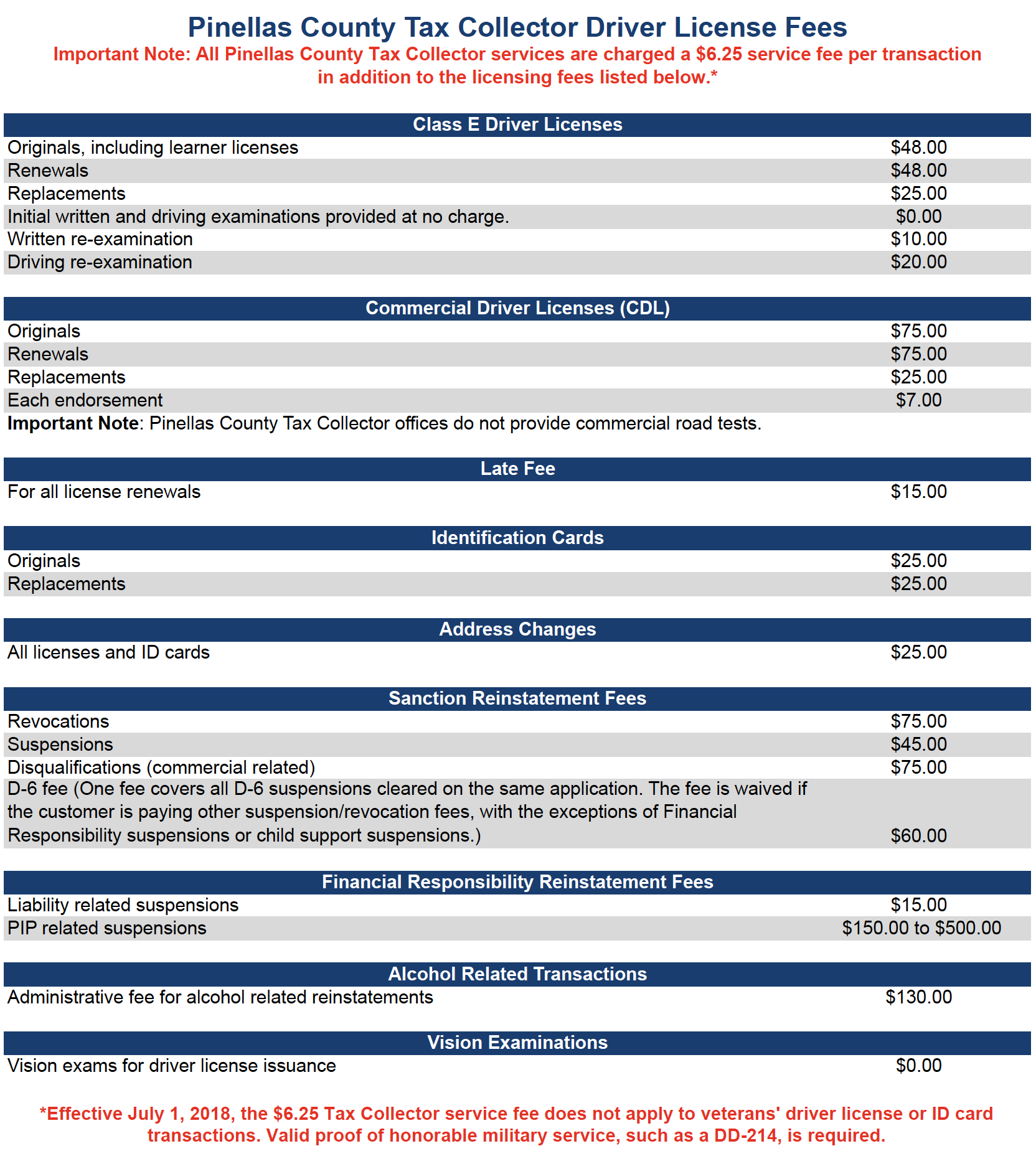
When renewing your registration online through the FLHSMV website or at a county tax collector’s office, there might be a small service fee associated with the transaction. These fees cover the operational costs of the online system or the services provided by the tax collector’s office.
How to Renew Your Florida Vehicle Registration
Renewing your vehicle registration in Florida is a straightforward process that can be completed through several convenient methods. Your renewal notice, which is typically mailed by the FLHSMV, will outline the exact amount due and the methods available for payment.
Online Renewal
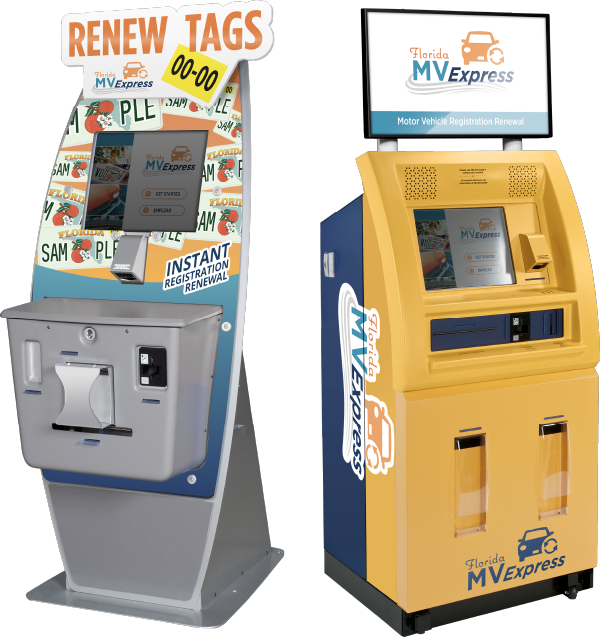
The most convenient method for many is online renewal through the FLHSMV website. You will need your license plate number and PIN, which can be found on your renewal notice. This method allows for quick payment and immediate confirmation of your renewal.
In-Person Renewal
You can also renew your registration in person at your local county tax collector’s office. Be sure to bring your renewal notice, proof of insurance (which is mandatory in Florida for all vehicles), and a valid form of payment. This option is ideal for those who prefer face-to-face assistance or need to make changes to their registration.
Mail-In Renewal
In some cases, you may be able to renew your registration by mail. Follow the instructions on your renewal notice carefully and ensure you include all necessary documentation and payment.
Renewal Deadlines and Penalties
It is crucial to renew your registration before its expiration date to avoid penalties. If you renew late, you will be subject to late fees, which are an additional cost on top of your renewal fees. Driving with an expired registration is a traffic violation and can result in citations and fines.
Average Costs and Examples
While exact figures vary, we can provide some illustrative examples to help you gauge potential costs.
Example 1: Standard Passenger Car
For a typical passenger car weighing under 3,000 pounds, the base registration fee might be around $20-30. Add to this plate fees, potential local discretionary fees (which can range from $5-25 or more depending on the county), and possibly a small service fee if renewing online or in person. If you have a specialty plate, add that cost, which could be an additional $15-30 annually. Therefore, a standard renewal for a passenger car could range from $40 to $100 or more, depending on local fees and specialty plates.
Example 2: Larger SUV or Pickup Truck
For a heavier vehicle, such as an SUV or a pickup truck weighing between 4,000 and 5,000 pounds, the base registration fee will be higher, potentially $40-60. Combined with county fees and other standard charges, the total could range from $60 to $120 or more, again varying by location and plate type.
Example 3: Motorcycle
Motorcycle registration fees are generally lower. A base fee might be in the range of $10-20, with additional fees bringing the total to approximately $30 to $70, depending on specialty plates or local charges.
Example 4: RV (Medium Size)
For a medium-sized RV, the fees will be substantially higher due to its weight classification. The base registration and associated fees could easily push the annual renewal cost into the $100-200 range or higher, with larger or heavier RVs costing even more.
Factors That May Affect Your Renewal
Beyond the standard calculations, a few other scenarios can influence your registration renewal cost.
Vehicle Ownership Transfer
If you recently purchased a vehicle and it’s your first time registering it in Florida, you’ll pay an initial registration fee along with a title fee. This initial cost will be higher than a standard renewal.
Moving to Florida
New residents moving to Florida have a limited time (typically 30 days) to register their out-of-state vehicles. The process involves obtaining a Florida title and registration, which will include initial fees, similar to a vehicle ownership transfer.
Insurance Requirements
Florida requires all registered motor vehicles to carry a minimum amount of liability insurance. While the insurance cost itself is separate from registration renewal fees, having continuous insurance coverage is a prerequisite for renewal. Failure to maintain insurance can lead to significant penalties, including license suspension and registration cancellation.
Vehicle Impoundment or Seizure
If a vehicle has been impounded or seized by law enforcement, additional fees and administrative costs may be incurred before the registration can be renewed or the vehicle can be reclaimed.
In conclusion, the cost of Florida registration renewal is a multifaceted figure that hinges on your vehicle’s specific characteristics and any optional services you choose. By understanding the breakdown of fees related to vehicle type, weight, age, and plate preferences, and by utilizing the resources provided by the FLHSMV, you can accurately anticipate and manage this recurring expense, ensuring your vehicle remains legally compliant and ready for your next journey across the beautiful state of Florida. Whether you’re planning a road trip to the Everglades National Park or simply commuting to work, keeping your registration current is a fundamental aspect of responsible vehicle ownership.
LifeOutOfTheBox is a participant in the Amazon Services LLC Associates Program, an affiliate advertising program designed to provide a means for sites to earn advertising fees by advertising and linking to Amazon.com. Amazon, the Amazon logo, AmazonSupply, and the AmazonSupply logo are trademarks of Amazon.com, Inc. or its affiliates. As an Amazon Associate we earn affiliate commissions from qualifying purchases.