
Florida, often celebrated as the Sunshine State, beckons millions of visitors annually with its pristine beaches, vibrant cities, and world-class attractions. From the enchanting theme parks of Orlando to the Art Deco charm of Miami Beach and the tranquil beauty of the Florida Keys, the state offers an unparalleled array of travel experiences. Whether you’re planning a luxurious resort getaway, an adventurous family vacation, or contemplating a long-term stay, understanding the local tax landscape is crucial for effective budgeting and a seamless journey. While Florida is renowned for not having a state income tax, a closer look reveals a nuanced system of sales taxes, tourist development taxes, and other levies that impact everything from your hotel bill to your dining experiences and even the cost of a souvenir. For both the casual tourist and the prospective resident, navigating these fiscal waters is key to fully enjoying the state’s abundant offerings without unexpected financial surprises. This comprehensive guide will demystify Florida’s tax structure, helping you plan your visit or relocation with confidence, ensuring that your focus remains on creating unforgettable memories.
The Sunshine State’s Tax Advantage: No State Income Tax
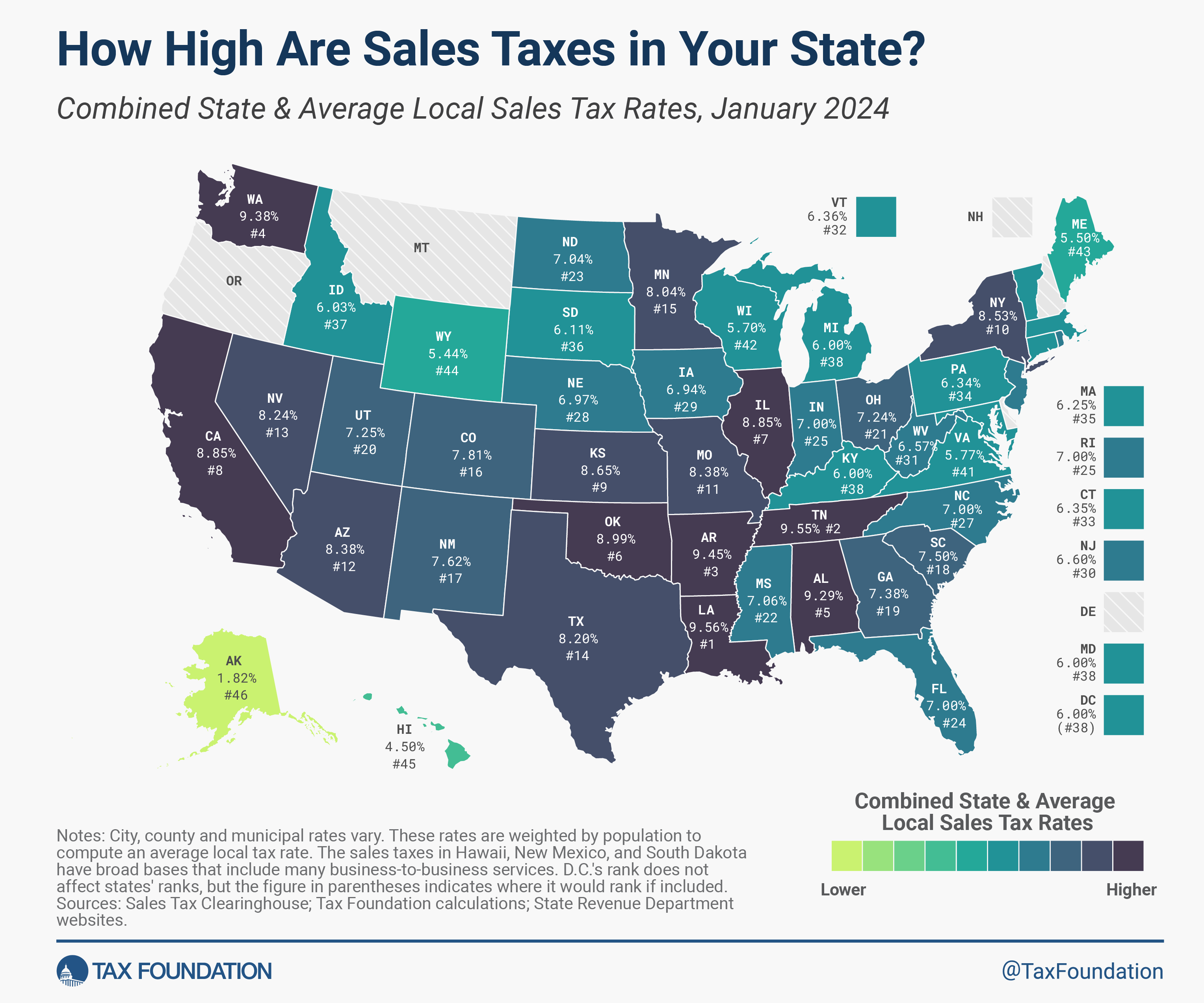
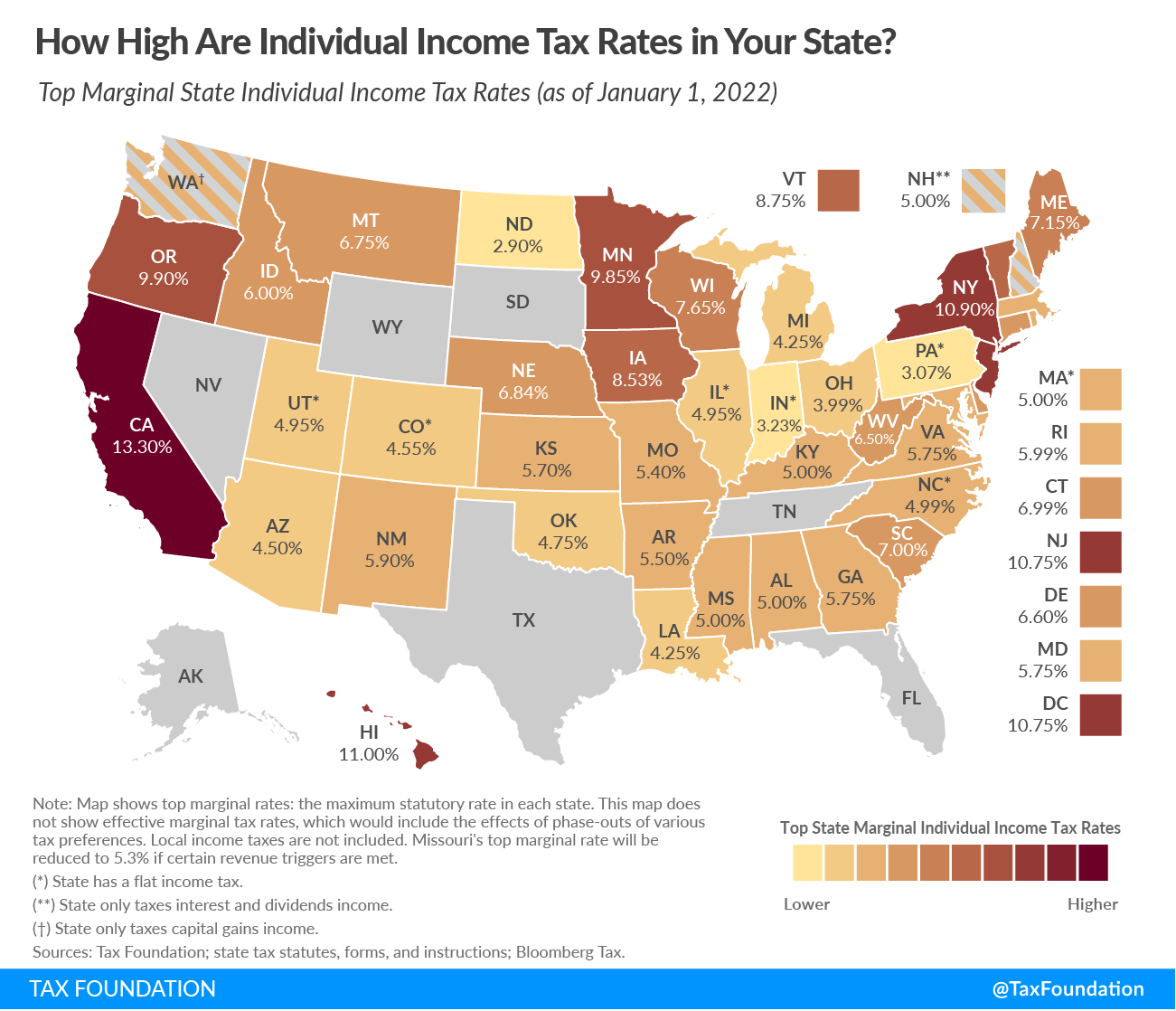
One of Florida’s most significant draws, particularly for those considering a lifestyle change or a long-term stay, is the complete absence of a state income tax. This unique characteristic sets it apart from many other U.S. states and forms a cornerstone of its economic appeal. For individuals, this means that wages, salaries, and most forms of personal income are not subject to a separate state-level deduction beyond federal income taxes. This can result in a higher take-home pay for residents and a more attractive environment for businesses and investors.
What No State Income Tax Means for You
For the transient visitor, the lack of a state income tax might seem less directly impactful, but its ripple effects influence the broader economic climate, which in turn can affect prices and services. A robust economy driven by businesses and individuals benefiting from lower tax burdens can lead to a more competitive market for hotels, restaurants, and various tourist amenities. This fiscal policy helps foster a dynamic environment that supports the travel and tourism industries, from grand resorts like The Breakers Palm Beach to quaint bed and breakfasts.
For individuals considering a long-term stay, remote work, or even full relocation, the absence of state income tax is a substantial advantage. Digital nomads and professionals enjoying a flexible lifestyle often find Florida particularly appealing. They can maintain their income while benefiting from the state’s favorable tax structure and desirable climate. Families contemplating a move to Florida might find their disposable income increases, allowing for more luxury travel experiences, investments in properties, or simply a higher quality of life. This tax advantage also plays a crucial role for retirees, who often see a significant portion of their income protected from state taxation, making Florida a prime destination for retirement living. The lower tax burden on income can free up resources, allowing for more experiences, from exploring the natural wonders of Everglades National Park to indulging in the vibrant cultural scene of Miami. This financial incentive encourages a diverse population, further enriching the state’s cultural tapestry and enhancing its appeal as a global destination.
Navigating Sales Tax in Florida
While income tax might be absent, sales tax is a fundamental component of Florida’s revenue generation, directly impacting nearly every transaction a traveler or resident makes. Understanding how sales tax works is paramount for anyone planning their budget in the Sunshine State.
Standard Sales Tax Rate and What It Applies To
The statewide sales tax rate in Florida is 6%. This rate applies to the sale of most goods, services, and admissions. When you purchase souvenirs from a gift shop in St. Augustine, buy groceries (though some essential food items are exempt), dine at a restaurant in Tampa, or pay for admission to a world-famous attraction like Walt Disney World Resort or Universal Studios Florida, you’ll typically see this 6% tax added to your bill.
This tax is a significant factor in the overall cost of a vacation. From booking experiences like deep-sea fishing charters off the coast of Key West to enjoying a show at a local theater, the sales tax will be a consistent addition. For those planning a shopping spree at the designer boutiques of Palm Beach, the cumulative impact of sales tax on luxury items can be substantial. Even everyday items like clothing, electronics, and personal care products are subject to this tax. When budgeting for food, it’s worth noting that while unprepared food items (like groceries you’d cook at your vacation rental) are generally exempt, prepared foods bought at restaurants, cafes, or even takeout spots are subject to sales tax. This distinction is important for travelers considering self-catering options versus dining out frequently.
Local Sales Tax Variations
Adding another layer of complexity to Florida’s sales tax structure are the local discretionary sales surtaxes. These are additional sales taxes levied by individual counties, which can range from 0.5% to 1.5%. This means that the combined sales tax rate you pay can vary significantly depending on which county you are in. For example, while the state rate is 6%, in some counties, the total sales tax might be 6.5%, 7%, or even 7.5%.
For travelers moving between different destinations within Florida, this variation can be a subtle but impactful detail. A purchase made in Orange County (home to Orlando’s major theme parks) might have a different total sales tax rate than an identical purchase made in Miami-Dade County. This is particularly relevant for those planning extensive travel across multiple regions or considering purchasing larger items. Before making significant purchases, it’s wise to quickly check the specific county’s sales tax rate to avoid any surprises. Information on these local surtaxes is usually available on county government websites or the Florida Department of Revenue. Understanding these variations helps travelers budget more accurately for their entire trip, from booking attractions to souvenir shopping, and ensures a smoother, more predictable experience as they explore the diverse landscapes and cultures Florida has to offer.
Accommodation and Tourism Taxes: What Visitors Pay
For travelers, one of the most significant tax considerations in Florida comes in the form of levies on lodging. These taxes, often referred to as “bed taxes” or “tourist taxes,” are specifically designed to generate revenue from visitors and are crucial for funding tourism-related initiatives and infrastructure development.
Tourist Development Tax (TDT) / Bed Tax
The Tourist Development Tax (TDT), also commonly known as the “bed tax” or “resort tax,” is a local option transient rental tax that counties are authorized to levy on rental accommodations. This tax applies to the rental of any living quarters or sleeping or housekeeping accommodations for a period of six months or less. This includes a wide array of options available to visitors, from traditional hotels and luxury resorts like those found in Naples to vacation rentals, private apartments, villas, and even timeshare units when rented out.
The primary purpose of the TDT is to fund projects and programs that benefit tourism. This can include promoting local attractions, maintaining convention centers, enhancing beaches, supporting cultural events, and investing in infrastructure that improves the visitor experience. For instance, the TDT collected in Miami-Dade County helps support cultural institutions like Vizcaya Museum & Gardens and promotional efforts for South Beach.
The rates for the TDT vary significantly by county, typically ranging from 1% to 6%. This tax is applied on top of the statewide 6% sales tax, meaning that when you book a room at a Marriott or a boutique hotel, your total tax on lodging could easily be anywhere from 7% to 12% or more, depending on the specific county. For example, a county might have a 6% state sales tax plus a 5% TDT, resulting in an 11% total tax on your accommodation bill. This is a critical detail for budgeting, especially for extended stays or for luxury accommodations where the base price per night is already high. When comparing hotel prices or reviewing accommodation options through booking platforms, it’s essential to look at the “total price including taxes and fees” to get an accurate picture. This allows for fair comparison and helps avoid sticker shock upon checkout.
Hotel Occupancy Tax
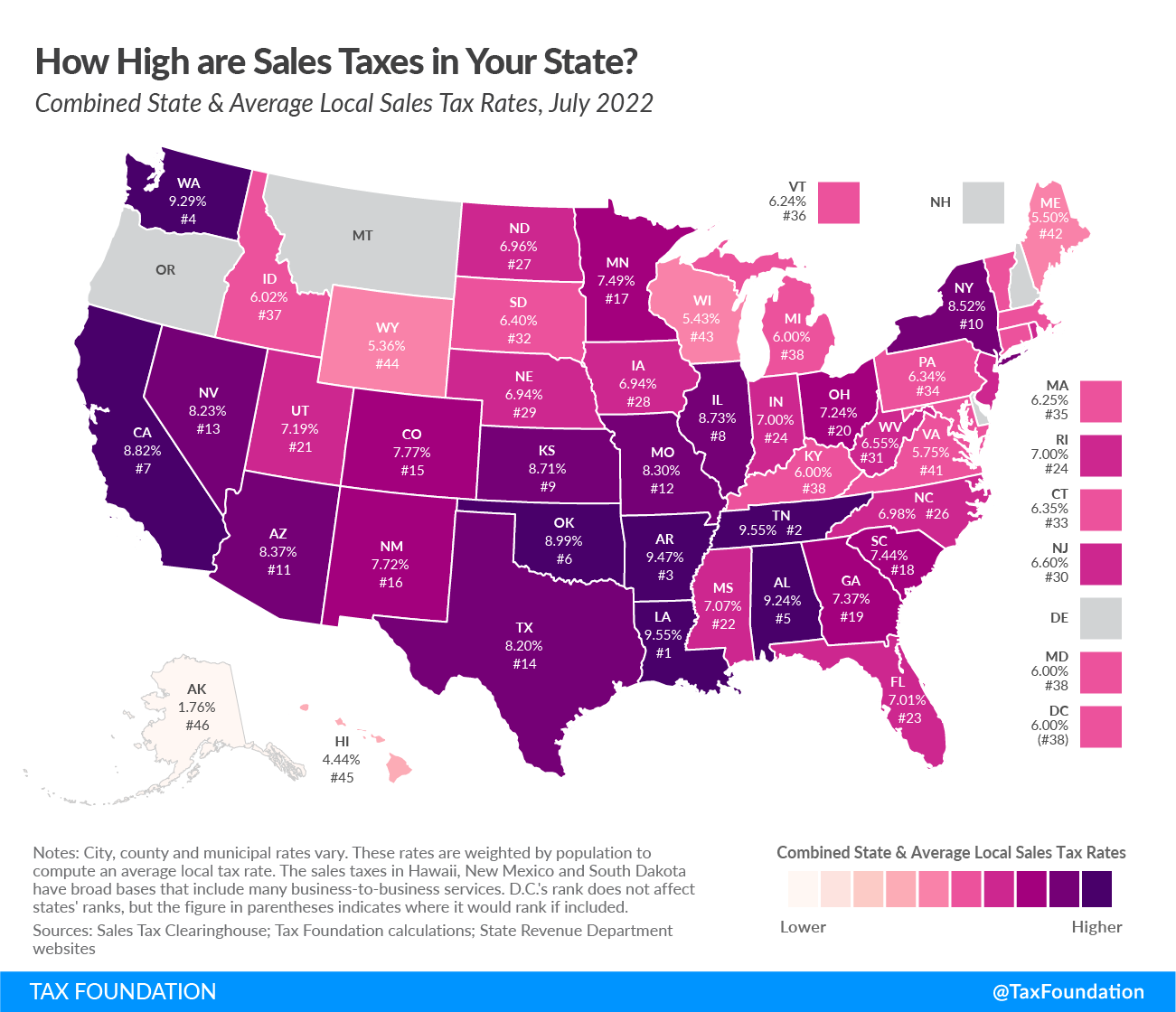
While “Tourist Development Tax” is the official state term, many counties and even the lodging industry often refer to it broadly as a “hotel occupancy tax” or simply “lodging tax.” In some municipalities, there might be additional specific local occupancy fees that are distinct from the county-level TDT but serve a similar purpose. These taxes are typically calculated as a percentage of the rental amount and are collected by the accommodation provider at the time of your stay. The funds generated are then remitted to the respective county tax collector.
For any type of accommodation booked, whether it’s a suite at a Hilton property, a serviced apartment for a business stay, or a charming villa for a family trip, these taxes will be part of the final cost. They are a direct contribution from visitors to the upkeep and enhancement of the tourism infrastructure that makes Florida such an attractive destination. Understanding these taxes helps travelers appreciate how their spending contributes to the local economy and the continued development of amenities and experiences across the state. It also reinforces the importance of thorough research when comparing booking options and planning a budget for accommodation, ensuring that all hidden costs are accounted for.
Other Taxes to Be Aware Of
Beyond sales tax and tourism-specific levies, several other taxes and fees can subtly impact your travel budget or long-term financial planning in Florida. Being aware of these ensures a more comprehensive understanding of the total cost of your Florida experience.
Property Taxes: A Consideration for Longer Stays and Investment
For those considering a long-term stay, purchasing a vacation home, or even relocating permanently to Florida, property taxes become a significant financial consideration. Unlike income tax, Florida does levy property taxes, which are assessed at the local level by county and municipal governments. These “ad valorem” taxes are based on the assessed value of real estate and fund essential local services such as schools, police and fire departments, and public infrastructure.
The amount of property tax paid can vary widely depending on the location, the value of the property, and the specific “millage rates” set by local authorities. Millage rates are expressed as dollars per $1,000 of assessed property value. For instance, a millage rate of 20 mills means you pay $20 for every $1,000 of your property’s taxable value.
Florida does offer a significant benefit to full-time residents through the Homestead Exemption. This exemption reduces the taxable value of a primary residence by up to $50,000, substantially lowering the property tax burden for homeowners. There are also limitations on how much the assessed value of a homesteaded property can increase annually (known as the “Save Our Homes” cap), providing stability for long-term residents. For non-residents owning a second home or investment property, these exemptions generally do not apply, meaning they will pay full property taxes based on the property’s assessed value. This is a crucial factor for those considering real estate investment as part of their lifestyle in Florida. Understanding these nuances is vital for anyone planning to integrate into the Florida lifestyle beyond a temporary visit, whether it’s for luxury travel with a private residence or a more budget-conscious long-term stay.
Fuel Taxes: Getting Around Florida
For travelers planning to explore Florida by car, either through personal vehicle use or rental car, fuel taxes are an unavoidable expense. Florida levies state fuel taxes, which are added on top of the federal fuel tax. These taxes contribute to the maintenance and improvement of the state’s extensive network of roads, highways, and bridges, which are essential for navigating the diverse destinations Florida offers.
While the fuel tax is included in the price you pay at the pump, it’s worth noting when budgeting for your travel expenses. The cost of gas, combined with these taxes, can add up, especially if you plan extensive road trips, such as driving from Jacksonville down to Key West or traversing the state’s interior to visit natural landmarks. For budget travelers, factoring in these fuel costs alongside rental car fees is crucial for an accurate overall trip estimate.
Rental Car Surcharges and Fees
Renting a car is a popular option for tourists seeking flexibility in their travel plans, especially for exploring areas beyond city centers or visiting multiple attractions like the Kennedy Space Center Visitor Complex. However, rental cars often come with a variety of additional surcharges and fees that can significantly increase the final cost beyond the quoted daily rate.
In Florida, these can include a state sales tax on the rental itself, a mandatory car rental surcharge (often a flat daily fee), airport concession fees if picking up at an airport location, and various optional add-ons like insurance, GPS, or toll passes. Some counties may also have specific local taxes on rental vehicles. These fees are not always explicitly clear when initially booking and can add 20-30% or more to the base rental price. When budgeting for your Florida adventure, it’s advisable to get an all-inclusive quote from rental car companies to avoid surprises. This transparency helps in comparing different rental options and ensures that your transportation budget accurately reflects the total cost, contributing to a more enjoyable and stress-free travel experience.
Planning Your Florida Budget: Tips for Travelers and Residents
Navigating Florida’s tax structure, while seemingly complex, becomes manageable with proper planning. For both short-term visitors seeking memorable experiences and those eyeing a more permanent lifestyle in the Sunshine State, an informed approach to budgeting is essential.
Maximizing Your Savings
To ensure a smooth and budget-friendly trip or transition, consider these tips:
- Research Local Rates: Before booking accommodation, dining out, or making large purchases, quickly check the specific sales tax and Tourist Development Tax rates for the county you’ll be in. Websites for county tax collectors or the Florida Department of Revenue are excellent resources. For instance, a few percentage points difference in TDT can significantly impact the cost of a long stay at a luxury resort.
- Factor in All Accommodation Taxes: When comparing hotels, resorts, or vacation rentals, always look at the final price including all taxes and fees, not just the nightly rate. This is especially true for online travel agencies or booking platforms where taxes might be added only at the final checkout step. Understanding the full cost of your hotel or apartment rental is crucial for accurate budget allocation.
- Budget for Unexpected Fees: Beyond standard taxes, be mindful of potential resort fees, parking fees, and rental car surcharges. These non-tax fees can add up, particularly in popular tourist destinations like Orlando or Miami.
- Consider Length of Stay: The impact of taxes can vary based on your trip duration. For very short stays, the TDT might be a smaller percentage of your total trip cost compared to a multi-week vacation. Conversely, for those considering long-term stays, the absence of state income tax offers considerable savings that can offset other taxes.
- Strategic Shopping: If planning significant retail therapy, consider purchasing larger items in counties with lower combined sales tax rates, if feasible within your itinerary. Remember that prepared food is taxed, while most unprepared groceries are not, offering a potential saving for those utilizing self-catering accommodations.
- Homestead Exemption for Residents: If considering moving to Florida, familiarize yourself with the Homestead Exemption and other property tax benefits available to full-time residents. This can lead to substantial long-term savings on property taxes.
- Public Transport vs. Rental Cars: Evaluate transportation costs carefully. While a rental car offers freedom, fuel taxes and rental car surcharges can be significant. In major cities like Miami, utilizing ride-sharing, taxis, or public transport might be more cost-effective for certain itineraries.
By taking a proactive approach to understanding Florida’s tax environment, travelers and prospective residents can make informed decisions, optimize their spending, and ultimately enjoy a more fulfilling and financially sound experience in the Sunshine State.
Conclusion
Florida offers an unparalleled blend of natural beauty, vibrant culture, and world-class attractions that make it a premier destination for travel, tourism, and long-term accommodation. While its appealing lack of a state income tax often takes center stage, a comprehensive understanding of its sales, accommodation, and other local taxes is vital for anyone planning to visit or reside in this dynamic state. From the 6% statewide sales tax and varying county surtaxes that apply to most goods and services, to the specific Tourist Development Taxes that impact hotel and vacation rental stays, these levies collectively contribute to the state’s robust infrastructure and thriving tourism economy.
For the savvy traveler, being aware of these financial considerations means more accurate budgeting for everything from a gourmet meal in St. Petersburg to admission to a major landmark. For those contemplating a lifestyle change or a long-term stay, understanding property taxes and the benefits of homestead exemptions becomes equally crucial. By factoring in these various tax components, as well as potential rental car surcharges and resort fees, visitors and residents alike can plan with confidence, minimizing surprises and maximizing the value of their time and money spent in Florida. The key is thorough research and mindful planning, allowing you to fully immerse yourself in the rich experiences and endless sunshine that make Florida truly unforgettable. With a clear grasp of its tax landscape, your journey through the Sunshine State can be as financially smooth as it is memorable.
LifeOutOfTheBox is a participant in the Amazon Services LLC Associates Program, an affiliate advertising program designed to provide a means for sites to earn advertising fees by advertising and linking to Amazon.com. Amazon, the Amazon logo, AmazonSupply, and the AmazonSupply logo are trademarks of Amazon.com, Inc. or its affiliates. As an Amazon Associate we earn affiliate commissions from qualifying purchases.