
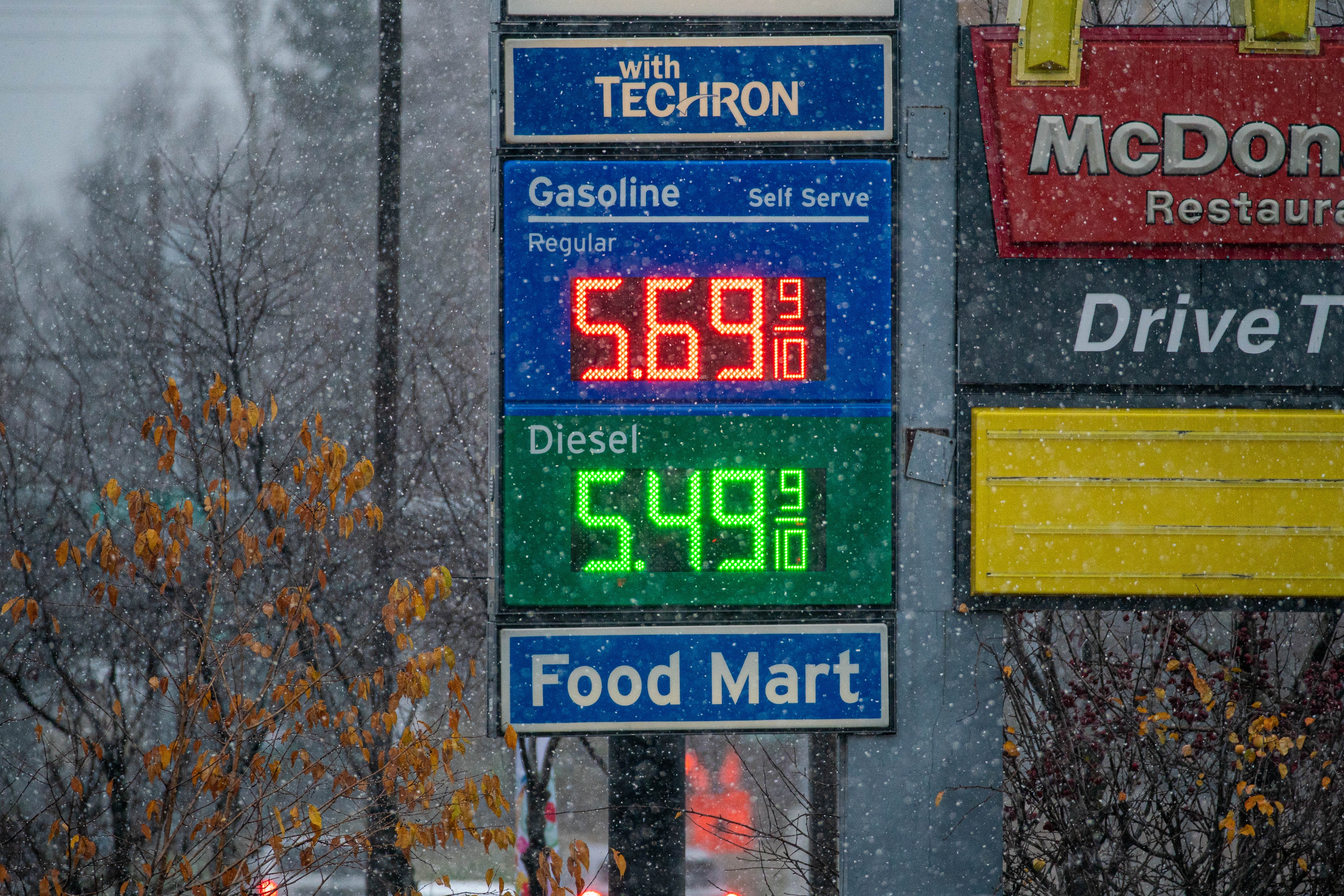
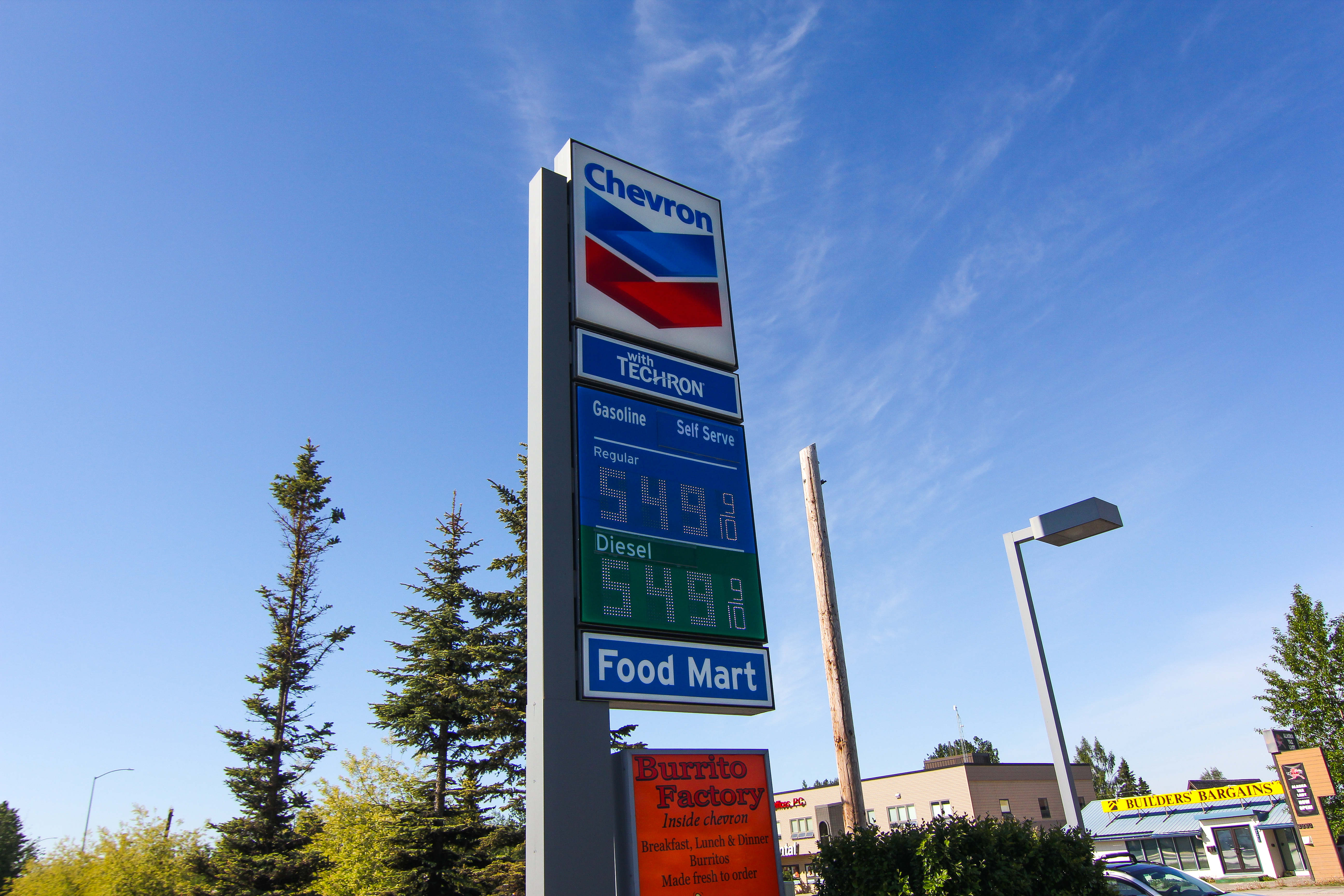
Planning a trip to Alaska, the Last Frontier, is an exhilarating prospect. This vast and majestic state offers unparalleled natural beauty, from towering mountains and pristine glaciers to abundant wildlife and a unique cultural tapestry. Whether you dream of a scenic road trip along the Seward Highway, exploring the wilderness of Denali National Park, or delving into the vibrant city life of Anchorage, understanding the logistics of travel is paramount. Among the many considerations, the cost of fuel often takes center stage, especially for those embarking on self-driven adventures or touring in an RV. Gas prices in Alaska can be significantly higher than the national average, a reality shaped by the state’s unique geography, infrastructure, and demand. This article delves into the specifics of fuel costs in Alaska, offering insights, tips, and a broader perspective on budgeting for your unforgettable Alaskan journey, ensuring your lifestyle of exploration remains enjoyable and manageable.
Understanding Alaska’s Fuel Landscape
The price you pay at the pump in Alaska is influenced by a complex web of factors, making it crucial for travelers to understand the dynamics before hitting the road. Unlike the contiguous United States, Alaska’s remote location and challenging terrain present unique hurdles for fuel distribution. These factors directly impact your travel budget, whether you’re planning a luxurious extended tour or a more budget-conscious family trip.
Factors Influencing Gas Prices
Several key elements contribute to Alaska’s elevated fuel costs. Foremost is the remoteness and transportation logistics. Most refined fuel products must be shipped or barged into the state, primarily from refineries in the Pacific Northwest. This long-distance transportation, often involving multiple modes (ship, rail, truck), adds substantial costs. Imagine the journey a gallon of gas takes to reach a small, isolated community in the interior or along the coast; each leg of that journey incurs expenses.
Seasonal demand also plays a significant role. Alaska’s peak tourist season, typically from May to September, sees a surge in road travel. More visitors, particularly those with RVs and large vehicles, mean higher demand, which can push prices upward. Local residents also increase their travel during the long summer days, further contributing to demand. In contrast, winter months generally see slightly lower prices due to reduced travel, though some remote areas might still experience high costs due to harsher transport conditions.
Local taxes and regulations are another component, though less impactful than transportation. While Alaska does not have a state sales tax, it does impose a motor fuel tax, though it is relatively low compared to many other states. However, the cumulative effect of federal taxes, state taxes, and local surcharges (where applicable) adds to the final price. The lack of major in-state refineries also means Alaska relies heavily on external sources, limiting competitive pricing pressure. Furthermore, the sheer scale of the state and its sparse population mean that economies of scale often don’t apply, leading to higher per-unit costs for infrastructure and distribution. For travelers, this means anticipating higher costs and integrating them into their overall budget, whether they are staying in a budget motel or a high-end resort.
Regional Variations Across Alaska
The vastness of Alaska means that gas prices are far from uniform across the state. Expect significant regional variations, often correlating directly with the remoteness and accessibility of a particular area.
Urban Hubs vs. Remote Outposts:
- Anchorage and Fairbanks: As the two largest cities and primary transportation hubs, these areas generally offer the most competitive gas prices. They are the initial points of entry for most fuel shipments and benefit from larger populations and more service stations, creating some level of competition. If you’re starting a road trip, filling up in one of these cities is usually a wise move.
- Juneau and Southeastern Alaska: Since Juneau is only accessible by air or sea, fuel must be barged in, leading to higher prices. Other communities in Southeast Alaska, such as Ketchikan and Sitka, face similar logistical challenges, making fuel consistently more expensive there. If your Alaskan adventure primarily involves a cruise through the Inside Passage, fuel costs for personal vehicles might not be a concern, but tour operators will certainly factor it into their pricing.
- The Kenai Peninsula (e.g., Seward, Homer, Kenai): These popular tourist destinations are accessible by road but are further from the main supply lines of Anchorage. Prices tend to be higher than in Anchorage but generally lower than in more isolated areas. The demand from tourists visiting Kenai Fjords National Park or fishing in Homer further influences prices.
- Interior and Rural Alaska (e.g., Tok, Valdez, Deadhorse/Prudhoe Bay): These areas experience the highest gas prices. Towns like Tok, a common stop for travelers coming via the Alaska Highway, often have elevated prices due to their distance from major supply points. Valdez, while a port town, is still remote by road. Prudhoe Bay, at the very end of the Dalton Highway, can see some of the most exorbitant prices, reflecting the extreme logistical challenges of supplying it. Travelers venturing to these remote destinations must plan meticulously for fuel stops, as stations can be few and far between.
Understanding these regional differences allows travelers to make informed decisions about their routes, where to fill up, and how to allocate their travel budget, especially when staying in various types of accommodation, from cozy cabins to full-service resorts.
Practical Tips for Managing Fuel Costs on Your Alaskan Adventure
Embarking on an Alaskan road trip is an unparalleled experience, offering the freedom to explore at your own pace. However, given the state’s unique fuel pricing, smart planning can significantly impact your overall travel costs. Integrating these tips into your travel preparation will help you navigate Alaska’s vast landscapes without breaking the bank, leaving more room in your budget for unforgettable experiences and comfortable accommodations.
Planning Your Route and Fuel Stops
Strategic route planning is perhaps the most crucial aspect of managing fuel expenses in Alaska. The distances between towns and, consequently, between gas stations, can be immense.
- Identify Fueling Opportunities: Before you set out each day, map out your route and mark potential gas stations. Apps like GasBuddy or even a traditional paper map with gas station icons can be invaluable. Don’t rely solely on digital maps in remote areas, as cell service can be spotty.
- Top Up in Major Towns: Always fill your tank in larger towns like Anchorage, Fairbanks, or Kenai, even if your tank is only half-empty. The next gas station might be 100 miles away, and by then, the price could be significantly higher or, worse, the station might be closed or out of fuel.
- Carry Extra Fuel (with Caution): For very remote trips, especially along highways like the Dalton Highway to Prudhoe Bay, consider carrying an approved jerry can with extra fuel. Ensure it’s stored safely and securely outside the vehicle, away from heat sources, and only if you’re comfortable with the safety implications.
- Consider Your Vehicle’s Range: Understand your vehicle’s fuel efficiency and how far it can travel on a full tank. This knowledge is paramount for calculating distances between fuel stops.
Careful planning not only saves money but also prevents stressful situations where you might find yourself low on fuel in the Alaskan wilderness, far from any form of accommodation or assistance.
Vehicle Choice and Fuel Efficiency
The type of vehicle you choose for your Alaskan adventure directly influences your fuel consumption and, by extension, your budget.
- Rental Cars: If renting, opt for a fuel-efficient model if your travel plans don’t strictly require a large SUV or 4×4. While a larger vehicle offers more comfort and cargo space, especially for family trips or those carrying extensive gear for activities like fishing or hiking, the fuel cost difference can be substantial over a multi-day trip.
- RVs and Campers: RVs offer incredible flexibility and can be a cost-effective alternative for accommodation, allowing you to stay in RV parks or designated camping spots instead of hotels. However, they are significantly less fuel-efficient than passenger cars. Factor in the higher fuel consumption when budgeting for an RV trip. Look for RVs with diesel engines if possible, as diesel often offers better mileage, though diesel prices can also fluctuate. Many RV parks, often near popular landmarks or attractions, offer amenities like power hookups and dump stations, enhancing the comfort of this lifestyle choice.
- Maintenance Matters: Ensure your vehicle, whether personal or rented, is well-maintained. Properly inflated tires, a clean air filter, and regular oil changes can improve fuel efficiency.
Matching your vehicle choice to your travel style – whether it’s a solo backpacking adventure or a family exploring various destinations and attractions – is key to a smooth and economical trip.
Budgeting for Gas
Integrating fuel costs into your overall travel budget is essential for a stress-free trip.
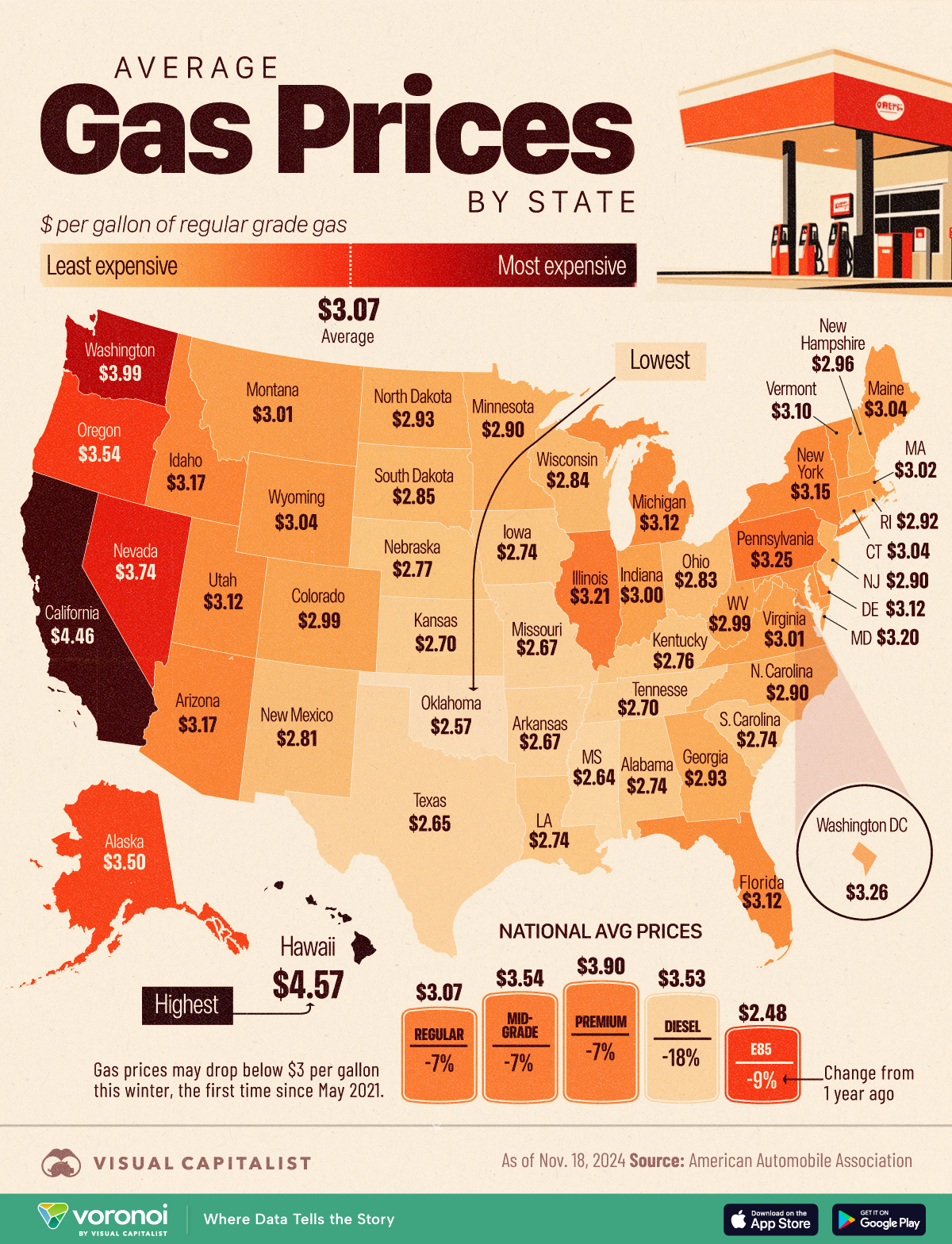
- Research Current Prices: Before your trip, use online resources or apps to get an idea of current gas prices in Alaska, particularly in the areas you plan to visit. Websites like AAA or GasBuddy provide average prices, though these can change rapidly.
- Allocate a Daily/Weekly Fuel Budget: Based on your anticipated mileage and estimated gas prices, allocate a specific amount for fuel each day or week. It’s always wise to slightly overestimate to account for unexpected detours or price spikes.
- Factor in Price Fluctuations: Understand that prices can vary significantly even within the same day or between neighboring towns. Be prepared for these fluctuations.
- Credit Card Rewards: If you have a credit card that offers rewards on gas purchases, this can be a small but helpful way to offset costs.
- Consider a Fuel Card: For longer trips or frequent travelers, a fuel card (if applicable with your rental company) might offer slight discounts, though this is more common for business or long-haul trucking.
By proactively budgeting for gas, you can avoid financial surprises and fully immerse yourself in the unique local culture, food, and experiences Alaska has to offer.
Gas Prices and the Alaskan Tourism Experience
The cost of fuel in Alaska doesn’t just impact your wallet directly; it also indirectly shapes the entire tourism landscape. From accessing iconic landmarks to choosing between various travel experiences, gas prices play a role in how visitors explore and enjoy the Last Frontier. Understanding this influence helps travelers make informed decisions about their itineraries and manage their expectations for a fulfilling and budget-conscious trip.
Impact on Popular Attractions and Activities
Alaska’s most renowned attractions are often nestled deep within its vast wilderness, requiring significant travel to reach.
- Denali National Park and Preserve: While private vehicles are restricted beyond a certain point inside the park, getting to the park entrance itself involves a substantial drive from Anchorage or Fairbanks. The cost of fuel for this leg of the journey needs to be considered. Once there, many visitors rely on park-operated buses for deeper exploration, an activity whose cost can be influenced by the operator’s own fuel expenses.
- Kenai Fjords National Park: Located near Seward, this park is a prime destination for glacier and wildlife cruises. Getting to Seward requires a drive down the scenic Seward Highway, again incurring fuel costs. The boat tours themselves are fuel-intensive, and their prices will naturally reflect the fluctuating cost of marine diesel.
- Alaska Wildlife Conservation Center: A popular stop on the drive between Anchorage and Seward, this center is easily accessible by car. The cost of fuel to reach it is part of the overall daily travel expenditure for visitors exploring the Chugach National Forest area.
- Fishing and Hunting Lodges: Many remote lodges, especially those specializing in world-class fishing or hunting, are only accessible by bush plane or boat. While guests won’t be fueling a car, the cost of flying or boating to these remote destinations is heavily influenced by fuel prices, which are then passed on to the guest in the price of their stay, making these luxury travel experiences even more exclusive.
Higher fuel costs can make self-driven access to these landmarks more expensive, potentially influencing travelers to choose guided tours or multi-day packages that consolidate transportation, even if those packages have built-in fuel surcharges.
Fueling Up in Remote Destinations
Venturing beyond the main highway corridors into Alaska’s more secluded towns and villages presents unique fueling challenges and higher prices.
- Valdez: A popular destination for glacier tours and fishing, Valdez is accessible by road (the scenic Richardson Highway) or ferry. Gas prices here are typically higher than in Anchorage due to the additional transportation costs. Travelers need to ensure they have enough fuel before embarking on the final stretch to Valdez.
- Homer: Known as the “Halibut Fishing Capital of the World” and located at the end of the Sterling Highway on the Kenai Peninsula, Homer is a magnet for anglers and scenic beauty seekers. Gas prices here are also above the state average, a factor to consider when planning activities like charter fishing.
- Talkeetna: This quaint town, a popular base for Denali flightseeing tours and river adventures, is a detour off the Parks Highway. While not as remote as some other locations, gas prices will reflect its distance from major supply lines.
- The Bush: For truly off-the-grid experiences in communities accessible only by air or river, fuel prices can be astronomical. Small planes deliver essential supplies, including fuel, to these villages, leading to prices that might shock visitors accustomed to urban rates. This underscores the extraordinary effort required to live and travel in these parts of Alaska.
For those seeking to experience Alaska’s authentic local culture and hospitality in these more remote areas, being prepared for elevated fuel costs (or making use of local transport options) is essential.
Alternative Transportation and Tours
Given the cost and logistical challenges of fueling personal vehicles, many travelers opt for alternative modes of transportation or packaged tours.
- Cruises: For destinations like Juneau, Ketchikan, and Sitka in Southeast Alaska, cruises are a highly popular option. They eliminate the need for personal vehicle fuel and often include accommodation, meals, and excursions in one package, offering a different kind of luxury travel experience focused on scenic water-based exploration.
- Alaska Railroad: The Alaska Railroad offers scenic journeys connecting Anchorage, Talkeetna, Denali National Park, and Fairbanks. This iconic rail service provides a comfortable and stress-free way to see much of the state’s interior, especially appealing for those who prefer not to drive long distances or worry about fuel stops. Train travel itself is an experience, offering unique vantage points of the Alaskan landscape.
- Flightseeing Tours: Companies operating flightseeing tours (e.g., over Denali, glaciers, or volcanoes) rely heavily on aviation fuel. While these tours are typically a splurge, their pricing inherently factors in the cost of fuel, offering unparalleled views without the personal driving burden. Many are available from towns like Talkeetna, Anchorage, and Girdwood.
- Guided Bus Tours: Numerous tour operators offer multi-day bus tours that cover major attractions. These tours manage all transportation logistics, including fuel, allowing visitors to relax and enjoy the scenery. This is a popular option for family trips or those seeking a comprehensive, hassle-free experience.
By considering these alternatives, travelers can tailor their Alaskan journey to their budget and preferred lifestyle, ensuring that the unique experiences of this incredible state are accessible, regardless of fluctuating gas prices.
Beyond the Pump: The Broader Cost of Travel in Alaska
While gas prices are a significant consideration for any road trip through Alaska, they are just one component of the overall travel budget. A holistic understanding of expenses, from accommodation to activities, is crucial for planning a comprehensive and enjoyable Alaskan adventure, catering to various travel styles from budget-conscious to luxury.
Accommodation Considerations
Alaska offers a diverse range of accommodation options, each with its own price point and experience.
- Hotels and Resorts: In major cities like Anchorage, Fairbanks, and Juneau, you’ll find a selection of hotels ranging from budget-friendly chains to upscale resorts. Prices are generally higher during peak season (May-September) and can vary greatly by location. For instance, a stay at the Alyeska Resort in Girdwood offers luxury amidst mountain scenery, while a hotel in downtown Anchorage provides convenient access to city attractions. Booking well in advance is highly recommended, especially for popular destinations, to secure better rates and availability.
- Cabins and Lodges: For a more rustic or immersive experience, many remote areas and state parks offer cabins. These can range from primitive dry cabins to fully equipped lodges. They provide a unique way to experience Alaska’s natural beauty and often serve as excellent bases for outdoor activities. Prices for lodges, particularly those that include guided tours or meals, can be substantial but often represent excellent value for the comprehensive experience.
- Camping and RV Parks: For budget travelers or those bringing their own RVs, camping is an extremely popular and cost-effective accommodation choice. State parks, national forests, and private RV parks are abundant. While some offer basic amenities, others provide full hookups, showers, and laundry facilities. This option significantly reduces accommodation costs, allowing travelers to allocate more of their budget to other experiences or to offset higher gas prices. Booking RV spots, particularly near popular attractions like Denali, is advisable.
- Vacation Rentals (Apartments, Villas): Websites like Airbnb or VRBO also offer a growing number of vacation rentals, from apartments in urban centers to secluded villas in scenic locations. These can be ideal for families or longer stays, offering more space and the ability to cook your own meals, which can save on food costs.
Each accommodation type caters to a different lifestyle and budget, and understanding their costs helps in building a balanced travel plan.
Food and Dining
Eating in Alaska can also be a significant expense, with prices generally higher than in the lower 48 states due to transportation costs for imported goods.
- Restaurant Dining: Dining out, especially in tourist-heavy areas, can add up quickly. A meal at a casual restaurant might cost more than you’d expect. However, sampling local Alaskan cuisine, particularly fresh seafood like salmon, halibut, and king crab, is an essential part of the travel experience and worth budgeting for. Look for local eateries away from the main tourist strips for potentially better value.
- Groceries: If staying in accommodations with kitchen facilities (RV, cabin, vacation rental), buying groceries and preparing your own meals can save a substantial amount. Major grocery stores are available in larger towns. Consider stocking up in Anchorage or Fairbanks before heading to more remote areas where grocery options are limited and prices are even higher. This strategy is particularly effective for family trips or extended stays.
- Local Food Tips: Seek out farmers’ markets in summer for fresh produce and local treats. Many towns also have excellent bakeries and coffee shops that offer more affordable meal options. Don’t miss opportunities to try local specialties like reindeer sausage or wild berry treats.
Balancing restaurant meals with self-catering allows travelers to experience the local culture through food without overspending.
Activity Costs and Experiences
Alaska is a playground for adventurers, but these experiences often come with a price tag.
- Excursions and Guided Tours: Activities like glacier dog sledding, bear viewing tours, flightseeing, deep-sea fishing charters, and wildlife cruises are often the highlight of an Alaskan trip. These can range from a few hundred dollars to over a thousand per person. Researching and booking these popular activities in advance is crucial, both for availability and to understand the total cost.
- Self-Guided Activities: Many incredible experiences in Alaska are free or low-cost, especially if you have your own vehicle. Hiking in national forests, exploring state parks, wildlife viewing from scenic viewpoints, and visiting local museums (many offer free admission or a small fee) are excellent ways to enjoy Alaska on a budget.
- Park Entrance Fees: National Parks like Denali have entrance fees, which can be paid per vehicle or per person. Consider an America the Beautiful Pass if you plan to visit multiple national parks across the US.
- Souvenirs and Shopping: Allocate a portion of your budget for unique Alaskan souvenirs, from handcrafted Native Alaskan art to locally made goods.
By prioritizing experiences that align with your interests and budget, you can create a memorable Alaskan journey without financial strain, whether your lifestyle is one of luxury travel or budget-conscious exploration.
In conclusion, while gas prices in Alaska are undeniably higher than in many other parts of the world, they are a manageable part of a larger travel budget. With careful planning, strategic fueling, smart vehicle choices, and a holistic approach to budgeting for accommodation, food, and activities, your adventure in the Last Frontier will be an enriching and unforgettable experience, allowing you to immerse yourself fully in its stunning beauty and unique culture. Embrace the planning, and prepare for the journey of a lifetime.
LifeOutOfTheBox is a participant in the Amazon Services LLC Associates Program, an affiliate advertising program designed to provide a means for sites to earn advertising fees by advertising and linking to Amazon.com. Amazon, the Amazon logo, AmazonSupply, and the AmazonSupply logo are trademarks of Amazon.com, Inc. or its affiliates. As an Amazon Associate we earn affiliate commissions from qualifying purchases.