
Planning a trip to the vast, breathtaking landscapes of Arizona often involves dreaming of vibrant sunsets, deep canyons, and endless desert roads. Whether you’re envisioning a thrilling road trip through national parks or a leisurely exploration of Arizona’s charming towns, one essential aspect of your travel budget that demands attention is the cost of gas. Understanding how much gas is in Arizona and how it fluctuates can significantly impact your overall travel planning, affecting everything from your chosen destinations to your accommodation options.
For many, Arizona is synonymous with wide-open spaces, making a vehicle an almost indispensable tool for exploring its myriad attractions. From the iconic Grand Canyon to the mystical red rocks of Sedona, and from the bustling urban centers of Phoenix and Tucson to the historic charm of Route 66, driving is often the preferred way to experience the state’s diverse beauty. This guide delves into the specifics of gas prices in Arizona, offering insights into what factors influence them, how they might impact your tourism plans, and smart strategies to manage your fuel costs, ensuring your Arizona adventure is as smooth and budget-friendly as possible.
Understanding Gas Prices in Arizona
Gas prices are a dynamic entity, influenced by a complex web of global and local factors. In Arizona, understanding these nuances is key to anticipating your fuel expenses.
Current Average Gas Prices and Influencing Factors
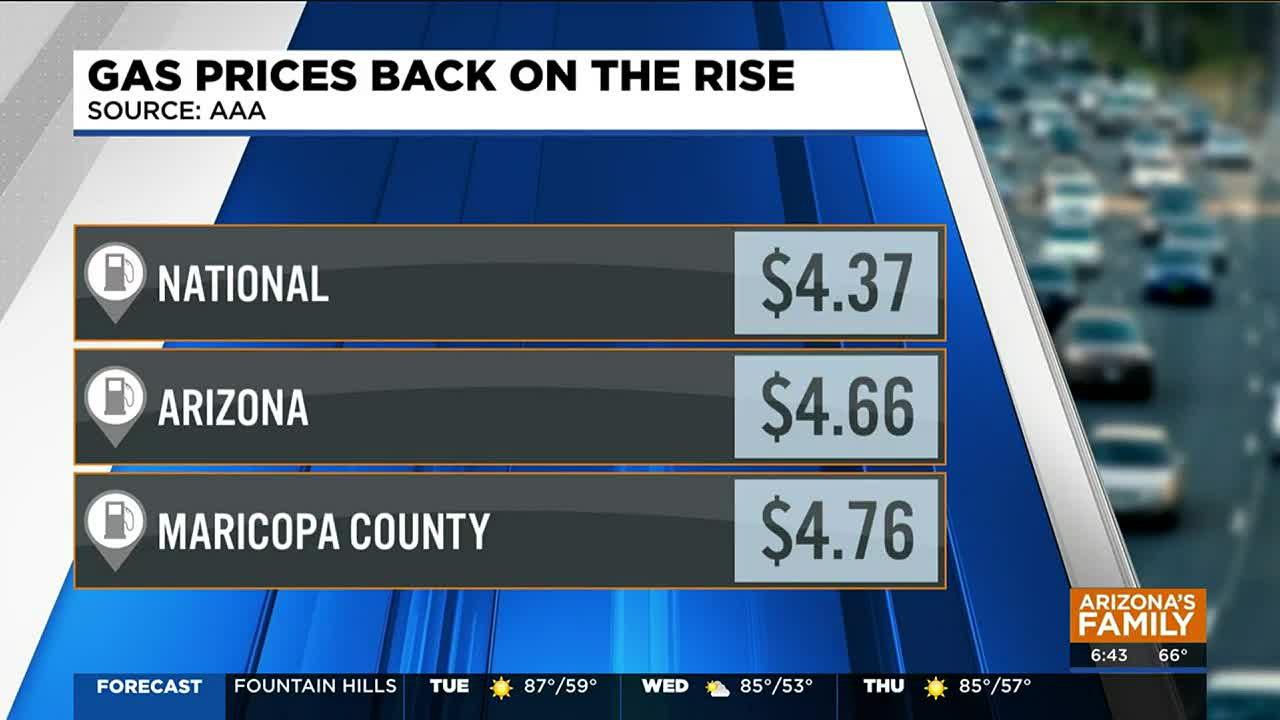
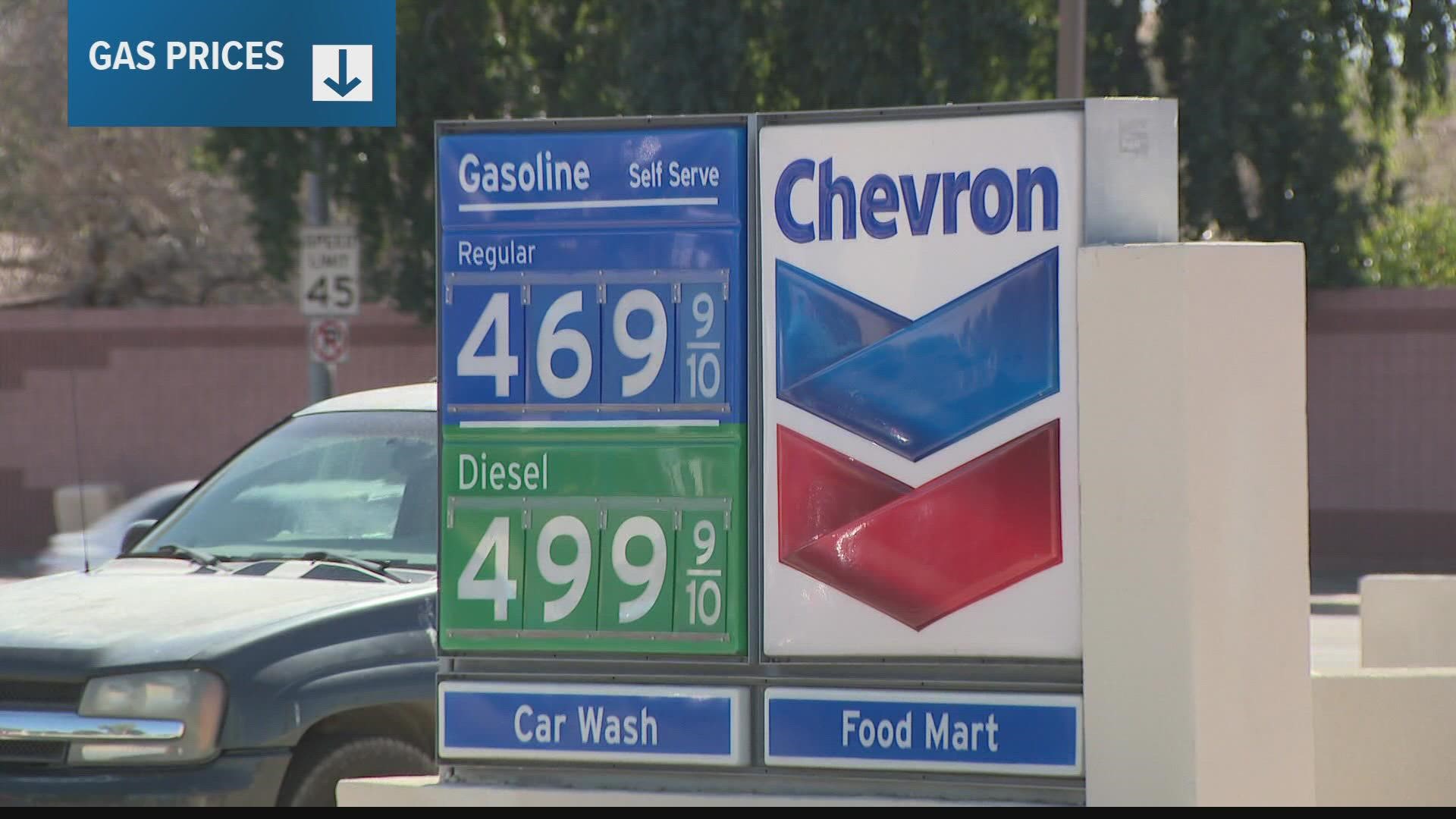
Generally, gas prices in Arizona tend to hover around or slightly above the national average, though this can fluctuate significantly based on crude oil prices, refining costs, distribution, local demand, and state and federal taxes. As of various periods, you might expect regular unleaded gasoline to range anywhere from $3.00 to $4.50 per gallon, sometimes peaking higher during periods of high demand or global unrest. Factors that particularly influence Arizona prices include its distance from major refining hubs, which adds to transportation costs, and the state’s specific fuel blend requirements, especially in urban areas like Phoenix during warmer months to combat smog.
The global oil market plays the most significant role. Changes in supply from oil-producing nations, geopolitical events, and even natural disasters can send ripple effects through the market, impacting pump prices globally, including in Arizona. Domestically, refinery issues, seasonal demand spikes (especially during summer travel seasons when more people are on the road), and local competition among gas stations also contribute to the final price you see at the pump. These interconnected variables mean that predicting exact prices far in advance can be challenging, underscoring the importance of flexible budget travel planning.
Regional Variations Within Arizona
One crucial aspect for travelers to Arizona is the significant regional variation in gas prices. It’s not uncommon to see prices differ by $0.50 or even $1.00 per gallon between different parts of the state.
- Major Urban Centers vs. Remote Areas: Cities like Phoenix, Tucson, Scottsdale, and Flagstaff often have more competitive pricing due to a higher concentration of gas stations. However, sometimes demand in these populous areas, especially during peak tourism seasons, can push prices up slightly.
- Tourist Hotspots: Areas around popular landmarks and national parks, such as near the Grand Canyon, Sedona, or Page (the gateway to Antelope Canyon), almost invariably have higher gas prices. This is due to lower competition, increased demand from tourists, and the higher cost of transporting fuel to these more remote locations. For example, filling up your tank just outside Grand Canyon National Park in a town like Tusayan or Williams is typically more expensive than in Flagstaff or Phoenix.
- Border Towns: Prices in towns near the border with neighboring states might also be influenced by prices in those states, sometimes leading to slightly lower or higher costs depending on the specific state’s gas tax and market.
- Native American Reservations: Some gas stations on reservations, such as those within the Navajo Nation or near the Hopi Mesas, may have slightly different pricing structures due to specific tribal regulations and taxes. It’s always a good idea to check prices before heading into these areas, as stations can be sparse.
Being aware of these regional differences empowers you to plan your fuel stops strategically, saving a significant amount over the course of your trip.
The Impact of Gas Prices on Arizona Travel and Tourism
Gas prices don’t just affect your wallet; they can reshape your entire Arizona travel experience. From how you budget to where you choose to stay, fuel costs are a critical consideration for any visitor.
Budgeting for Your Arizona Adventure
For many travelers, particularly those embarking on extensive road trips, gas costs can be one of the largest variable expenses after accommodation and flights. A $4.00 per gallon average can quickly add up when you’re covering hundreds or thousands of miles across Arizona’s expansive highways. A standard sedan with a 15-gallon tank might cost $60 to fill up, and if you need to do that 5-7 times over a week-long trip, you’re looking at $300-$420 just for fuel.
This direct impact on your travel budget means that a higher gas price environment might necessitate adjustments elsewhere. You might opt for more affordable hotels or motels instead of luxury resorts, choose to dine at more casual local restaurants rather than upscale fine dining establishments, or even reduce your spending on activities and souvenirs. For families, this can be particularly pertinent, as keeping costs down is often a priority for family trips. Proper pre-trip research, using online travel guides and price prediction tools, becomes invaluable.
Influence on Accommodation and Destination Choices
The cost of fuel can subtly steer your decisions on where to stay and what destinations to prioritize. If gas prices are high, travelers might:
- Centralize Their Stay: Instead of moving from town to town every night, visitors might choose a central location, perhaps an apartment rental or a well-situated hotel in Flagstaff or Sedona, and take day trips from there. This minimizes the need for frequent packing and unpacking, but also reduces the mileage driven between accommodation changes.
- Prioritize Walkable Cities or Resorts: In urban areas like Old Town Scottsdale or downtown Tucson, choosing hotels within walking distance of attractions, restaurants, and shops can significantly cut down on local driving expenses. Similarly, all-inclusive resorts with multiple on-site amenities might become more appealing, as they reduce the need to drive out for meals or entertainment.
- Focus on Specific Regions: Instead of attempting a grand tour of the entire state, high gas prices might encourage travelers to focus their visit on one particular region, like exploring northern Arizona (Grand Canyon, Sedona, Flagstaff) or southern Arizona (Tucson, Saguaro National Park, Bisbee) in more depth, rather than trying to see everything. This can lead to a richer, more focused experience.
- Consider Alternative Transportation: While challenging in many parts of Arizona, urban areas do offer public transportation options. For travel between cities, bus services or even short-haul flights might become more cost-effective alternatives for some legs of a journey, especially if you plan to rely on ride-shares or local taxis at your destination.

Effectively, high gas prices encourage a more thoughtful approach to itinerary planning, emphasizing efficiency and maximizing the value of each gallon.
Smart Strategies for Fueling Up in Arizona
Navigating gas prices in Arizona doesn’t have to be a source of stress. With a few smart strategies, you can minimize your fuel expenditure and focus on enjoying the magnificent nature and culture of the state.
Best Practices for Finding Affordable Gas
- Utilize Gas Price Apps: Before you hit the road or as you approach a new area, leverage smartphone apps like GasBuddy or Waze. These apps crowd-source real-time gas prices, allowing you to locate the cheapest fuel stations nearby. This simple step can save you significant money over a multi-day trip.
- Fill Up in Cities: As a general rule, try to fill your tank in larger towns and cities like Phoenix, Tucson, Flagstaff, or Prescott before heading into more remote or heavily touristed areas. Prices are almost always higher closer to landmarks such as the Grand Canyon, Sedona, or along scenic routes where competition is low.
- Avoid Highway Stations When Possible: Gas stations directly off major interstates or in remote, isolated locations tend to have higher prices. If you can, venture a few blocks into a town to find better deals.
- Consider Membership Discounts: If you have a membership with a club like AAA or a major warehouse store (e.g., Costco, Sam’s Club), check if they offer gas discounts at affiliated stations. Even a few cents off per gallon can add up.
Maximizing Fuel Efficiency
Your driving habits and vehicle maintenance play a huge role in how much gas you consume.
- Drive Smoothly: Avoid aggressive driving – rapid acceleration and hard braking waste fuel. Maintain a steady speed, especially on highways. Using cruise control on flat stretches can also help.
- Observe Speed Limits: Fuel efficiency tends to decrease significantly at speeds above 60 mph. Adhering to speed limits not only keeps you safe but also saves gas.
- Check Tire Pressure: Properly inflated tires improve fuel economy by up to 3%. Check your tire pressure regularly, especially before long drives across Arizona’s varying terrains and temperatures.
- Lighten Your Load: Remove any unnecessary weight from your vehicle. Extra cargo, especially on the roof, increases drag and reduces fuel efficiency. Pack smart and light.
- Use Air Conditioning Sparingly: While essential in Arizona’s heat, excessive AC use can impact fuel economy. Use it when necessary, but consider rolling down windows at lower speeds in certain conditions.
Planning Your Route and Fuel Stops
Strategic route planning is essential for managing gas costs.
- Map Out Fuel Stops in Advance: When planning your Arizona itinerary, integrate fuel stops into your route. Note the distances between gas stations, particularly in remote areas or when heading to national parks and monuments like Organ Pipe Cactus National Monument or Glen Canyon National Recreation Area. Don’t let your tank get too low in these stretches.
- Consider a Fuel-Efficient Rental: If you’re flying into Arizona and renting a car, consider opting for a compact or hybrid vehicle if your travel group and luggage allow. The savings on gas can easily offset any slight difference in rental cost.
- Group Activities Geographically: Plan your daily activities to minimize backtracking and unnecessary driving. Explore attractions that are geographically close to each other. For instance, if you’re visiting Sedona, you might also explore nearby Jerome or Cottonwood on the same day.
Arizona’s Allure Beyond the Pump: Maximizing Your Experience
While gas prices are an important consideration, they should never overshadow the incredible experiences that await you in Arizona. By being smart about your fuel, you can ensure your budget travel doesn’t detract from the richness of your journey.
Exploring Arizona’s Diverse Attractions
Arizona is a land of unparalleled natural beauty and rich history. Even with fluctuating gas prices, the sheer variety of landmarks and attractions makes every mile worth it. Marvel at the geological wonders of the Grand Canyon, immerse yourself in the vibrant red rock energy of Sedona, or explore the ancient cliff dwellings at Montezuma Castle National Monument. Drive the famous Route 66 through historic towns like Seligman and Winslow, visit the awe-inspiring Antelope Canyon and Horseshoe Bend near Page, or discover the unique trees of Petrified Forest National Park.
For those interested in architecture and culture, Phoenix offers the Desert Botanical Garden, Taliesin West, and the Heard Museum. In Tucson, Saguaro National Park is a must-see, alongside the historic Mission San Xavier del Bac. Don’t forget the engineering marvel of Hoover Dam on the Colorado River near Lake Havasu, home to the relocated London Bridge. Further south, explore the preserved wild caves of Kartchner Caverns State Park or the unique rock formations of Chiricahua National Monument. Arizona’s offerings are vast, and with a little planning, you can experience them all.
Embracing Local Culture and Cuisine
Tourism in Arizona is not just about landscapes; it’s also about immersing yourself in the rich local culture and vibrant food scene. From authentic Mexican cuisine in Tucson (a UNESCO City of Gastronomy) to Native American fry bread and contemporary Southwestern dishes, your taste buds are in for a treat. Explore local art galleries in Sedona, discover antique shops in historic towns like Jerome and Bisbee, or attend a rodeo in Prescott. Many unique activities and experiences can be found within short distances, requiring less fuel. Consider walking tours or utilizing local shuttle services in pedestrian-friendly areas like Old Town Scottsdale to truly soak in the atmosphere without relying on your vehicle.
Smart Accommodation Choices
Your choice of accommodation can also help offset gas costs. Look for hotels, resorts, or apartments that offer added value. Many resorts in Phoenix and Scottsdale boast multiple pools, on-site restaurants, and even shuttle services, minimizing the need to drive constantly. For longer stays, consider villas or suites with kitchenettes, allowing you to prepare some meals and save on dining out, freeing up funds for fuel. When looking for accommodation, utilize booking platforms and reviews to find places that align with your lifestyle and budget, whether it’s luxury travel or budget travel. Many hotels offer free parking, which is another small saving that adds up. Choosing a strategically located hotel near major attractions or public transit hubs in cities like Phoenix can further reduce your reliance on daily driving.
In conclusion, while the question “How much is gas in Arizona?” is a valid and important one for any traveler, it shouldn’t deter you from experiencing the wonders of the Grand Canyon State. By understanding the factors that influence gas prices, employing smart fueling strategies, and making thoughtful choices about your itinerary and accommodation, you can embark on an unforgettable Arizona adventure. With proper planning and a flexible mindset, your journey through Arizona’s captivating landscapes will be both memorable and manageable.
LifeOutOfTheBox is a participant in the Amazon Services LLC Associates Program, an affiliate advertising program designed to provide a means for sites to earn advertising fees by advertising and linking to Amazon.com. Amazon, the Amazon logo, AmazonSupply, and the AmazonSupply logo are trademarks of Amazon.com, Inc. or its affiliates. As an Amazon Associate we earn affiliate commissions from qualifying purchases.