
California – the Golden State – beckons with its sun-drenched beaches, majestic mountains, sprawling deserts, and vibrant cities. From the iconic glamour of Los Angeles and the tech-savvy charm of San Francisco to the serene vineyards of Napa Valley and the rugged beauty of Yosemite National Park, this state offers an unparalleled array of experiences for every type of traveler. Whether you’re planning an epic Pacific Coast Highway road trip, a family adventure to Disneyland, or a luxurious escape to a Four Seasons Resorts property, exploring California often involves hitting the open road. And with that comes an inevitable question: “How much is gas in California?”
It’s no secret that California consistently ranks among the states with the highest fuel prices in the United States. This reality is a significant consideration for anyone budgeting a trip, whether it’s a quick weekend getaway or an extended vacation. Understanding the dynamics behind these prices and how to navigate them effectively can make all the difference in enjoying your California adventure without breaking the bank. This comprehensive guide will delve into the factors driving gas prices, offer strategies for saving fuel, explore alternative transportation, and help you integrate fuel costs into your overall travel plans, ensuring your journey through the Golden State is as smooth and enjoyable as possible.

Understanding California’s Unique Fuel Landscape
Before we dive into specific figures, it’s crucial to understand why gas prices in California often stand apart from the national average. Several interconnected factors contribute to the higher cost at the pump, making it a distinctive market.
The Factors Behind California’s High Gas Prices
California’s stringent environmental regulations are a primary driver of its elevated fuel costs. The state requires a specialized blend of gasoline designed to reduce smog and air pollution, especially in its densely populated urban areas like Los Angeles and San Francisco. This cleaner-burning fuel, known as “CaRFG” (California Reformulated Gasoline), is more expensive to produce and less widely available than standard blends, leading to higher refining costs and a more limited supply chain.
Beyond the unique fuel blend, taxes play a substantial role. California imposes some of the highest state fuel taxes in the nation, including an excise tax, sales tax, and cap-and-trade fees. These taxes are allocated to infrastructure projects, public transportation, and environmental initiatives, contributing significantly to the final price consumers pay. Furthermore, the state’s relative geographic isolation means that transportation costs for crude oil and refined products can also be higher, especially when local refineries face maintenance issues or unexpected shutdowns, which can quickly impact supply and prices. The sheer demand from a population of nearly 40 million, coupled with a car-centric culture, also contributes to sustained high prices.

Current Price Trends and Regional Variations
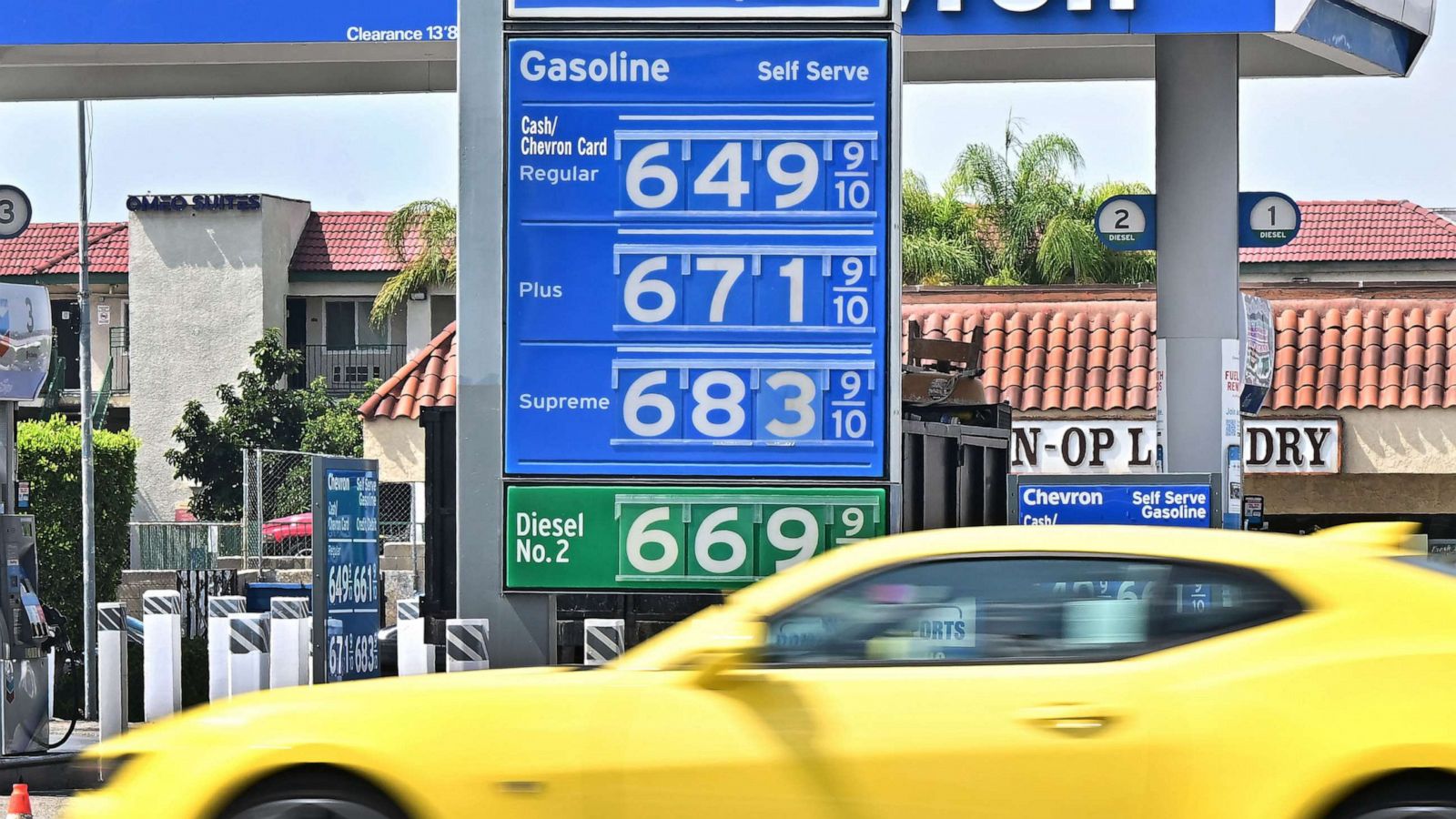
While it’s impossible to give an exact, real-time price without a live feed, California gas prices generally fluctuate between $4.00 and $6.00 per gallon for regular unleaded, sometimes exceeding this range during peak travel seasons or due to geopolitical events. Premium gasoline and diesel will naturally be even higher.
It’s also important to note that prices can vary significantly across the state. Urban centers like Los Angeles, San Francisco, and San Diego typically see higher prices due to higher cost of living, demand, and additional local taxes. More remote areas or popular tourist destinations such as Lake Tahoe or areas near Death Valley National Park might also have inflated prices due to limited competition and increased transportation costs. Conversely, some inland cities or those closer to major refinery hubs might offer slightly lower prices. Always expect to pay more at gas stations located directly off major highways, especially near popular attractions like the Santa Monica Pier or Hollywood Walk of Fame.
Navigating California on a Budget: Fueling Your Adventure
Given the higher gas prices, strategic planning becomes paramount for travelers looking to explore California without overspending on fuel. Smart choices can significantly impact your overall travel budget, freeing up funds for unforgettable experiences, accommodations, and local cuisine.
Strategies for Saving on Gas
One of the most effective ways to save on gas is to utilize gas price comparison apps like GasBuddy or AAA, which show real-time prices at stations near your current location or along your planned route. Timing your fill-ups can also help; prices often increase on weekends or before holidays. Consider filling up in larger towns or cities before heading into more rural or remote areas, such as those surrounding Sequoia National Park or the Big Sur stretch of Highway 1, where options are scarce and prices are higher.
Car maintenance plays a crucial role in fuel efficiency. Ensure your tires are properly inflated, your engine is well-tuned, and your air filter is clean. Practicing fuel-efficient driving habits—avoiding aggressive acceleration and braking, maintaining a steady speed, and using cruise control on highways—can also extend your mileage. For those planning extensive road trips, consider renting a fuel-efficient vehicle or, if your budget allows, an electric vehicle (EV). California boasts an extensive network of EV charging stations, especially in major cities and along main interstates, making EV travel a viable and often more economical option.
Alternative Transportation Options
While a car offers unparalleled freedom in California, especially for exploring vast natural landscapes and diverse destinations, it’s not always the only or best option, particularly in urban areas. In cities like San Francisco and Los Angeles, robust public transportation systems can save you money on gas, parking, and rental car fees. San Francisco’s BART and Muni systems, along with its iconic cable cars, provide excellent coverage for exploring landmarks like the Golden Gate Bridge and Alcatraz Island. Los Angeles’ Metro rail and bus lines connect key attractions from Hollywood to the beaches of Santa Monica.
Ride-sharing services like Uber and Lyft are also widely available and can be cost-effective for shorter distances or when traveling in groups. For travelers focused on a specific city experience, such as a business stay in San Jose or a cultural tour of Sacramento, relying on these alternatives can significantly reduce your fuel expenditure. Combining public transport for city exploration with a rental car for scenic drives to destinations like Joshua Tree National Park or the wineries of Temecula Valley often presents the most balanced and budget-friendly approach.
The True Cost of a California Road Trip
A road trip through California is an iconic travel experience, but understanding the true cost goes beyond just the fuel pump. A holistic budget considers accommodation, activities, food, and other incidentals, allowing you to choose a lifestyle of travel that fits your financial comfort zone.
Beyond the Pump: Budgeting for Accommodation and Activities
While gas prices are a notable expense, they are usually just one component of a larger travel budget. California offers a spectrum of accommodation options, from luxury resorts in Beverly Hills like the Grand Hyatt Hotel or Four Seasons Resorts properties, to charming boutique hotels in Carmel-by-the-Sea, budget-friendly motels near theme parks in Anaheim, and unique Airbnb stays in cities or rural retreats. Booking in advance, especially for popular destinations or during peak seasons, can secure better rates. Comparison websites and loyalty programs can also offer significant savings.
Activities in California range from free natural wonders like hiking in the San Gabriel Mountains or exploring Pismo Beach, to world-class attractions with admission fees such as Universal Studios Hollywood, Legoland California, Knott’s Berry Farm, Six Flags Magic Mountain, or the Monterey Bay Aquarium. Dining experiences also vary wildly, from gourmet farm-to-table restaurants in Sonoma Valley to delicious food trucks in Los Angeles and markets offering fresh local produce. Balancing these expenses according to your preferred travel lifestyle – whether luxury, budget, family, or business – is key to a satisfying trip.
Iconic California Road Trips and Their Fuel Implications
California is synonymous with road trips, and while the fuel cost is a factor, the experiences gained are often priceless.
- The Pacific Coast Highway (Highway 1): This iconic drive from Monterey through Big Sur offers breathtaking ocean views but can be quite winding, impacting fuel efficiency. Gas stations can be sparse and expensive in remote sections.
- National Parks Loop: Exploring Yosemite National Park, Sequoia National Park, and Death Valley National Park involves significant driving distances. Plan your fuel stops carefully, especially when entering parks where services are limited and prices are at a premium.
- Wine Country Tours: Drives through Napa Valley and Sonoma Valley are generally shorter, but if combined with a trip from San Francisco, fuel costs will add up.
- Southern California Theme Park Hopping: Traveling between Disneyland in Anaheim, Universal Studios Hollywood in Los Angeles, and perhaps a trip to San Diego for Legoland California or SeaWorld will involve city driving, which is less fuel-efficient and includes potential traffic delays.
For each of these itineraries, a realistic estimate of daily mileage and corresponding fuel costs should be integrated into your budget. Don’t forget to account for potential detours to discover hidden gems or visit less-traveled landmarks like Hearst Castle or Muir Woods National Monument.
Making the Most of Your California Experience
Despite the higher gas prices, California’s allure remains undeniable. The key to an unforgettable trip lies in smart planning and a willingness to embrace the journey.
Combining Fuel Efficiency with Unforgettable Journeys
Thoughtful trip planning can significantly enhance your experience and minimize fuel stress. Grouping attractions geographically can reduce unnecessary driving. For example, if you’re in Los Angeles, dedicate a day to Hollywood attractions like the Hollywood Sign, Griffith Observatory, and the Getty Center, and another day for coastal explorations in Santa Monica or La Jolla near San Diego. Consider a multi-destination itinerary where you might fly into one major airport (e.g., LAX or SFO), rent a car for a specific regional exploration (e.g., Palm Springs or Mammoth Lakes and the Mammoth Mountain Ski Area), and then rely on public transport or ride-shares for urban segments.
Embracing local culture and food can also indirectly save on fuel. Instead of driving miles for dinner, explore walkable neighborhoods in San Francisco’s Mission District or Santa Cruz‘s downtown, enjoying diverse culinary scenes right outside your accommodation. For longer stays, especially business travelers in Silicon Valley or those seeking extended wellness retreats, factoring in car-sharing services or even electric bike rentals for local commutes can be highly efficient. For families, planning stops at attractions like Catalina Island (requiring a ferry) or Truckee (a charming mountain town) breaks up long drives and adds unique experiences.
The Value Proposition: Is the California Experience Worth the Fuel Cost?
Ultimately, the question isn’t just “How much is gas in California?” but rather, “Is the California experience worth the investment, including fuel?” For millions of travelers each year, the answer is a resounding yes. The state offers an unparalleled diversity of landscapes, cultures, and activities that truly justify the cost.
Imagine hiking through ancient redwood forests, surfing iconic beaches, exploring world-class museums, savoring exquisite wines, or experiencing the magic of Disneyland – all within the same state. The unique blend of natural beauty and urban sophistication provides a backdrop for unforgettable memories, whether you’re seeking a luxurious escape, a budget-conscious adventure, a memorable family trip, or a productive business stay. By understanding the costs involved and applying smart budgeting and travel strategies, you can ensure that the price at the pump doesn’t detract from the richness of your California journey. The Golden State remains a premier destination, promising experiences that far outweigh the logistical considerations of fuel expenses.
In conclusion, while gas prices in California are undeniably higher than in many other parts of the world, they are a manageable aspect of travel planning. With careful preparation, smart choices regarding transportation, and a focus on the incredible experiences that await, your California adventure will be everything you dreamed of and more.
LifeOutOfTheBox is a participant in the Amazon Services LLC Associates Program, an affiliate advertising program designed to provide a means for sites to earn advertising fees by advertising and linking to Amazon.com. Amazon, the Amazon logo, AmazonSupply, and the AmazonSupply logo are trademarks of Amazon.com, Inc. or its affiliates. As an Amazon Associate we earn affiliate commissions from qualifying purchases.