
Visiting a vibrant metropolis like Chicago promises an unforgettable blend of world-class attractions, dynamic culture, and diverse culinary experiences. From the architectural marvels of the Loop to the stunning shores of Lake Michigan, the Windy City captures the imagination of millions of travelers each year. However, as with any major travel destination, understanding the logistics and potential costs is paramount for a seamless trip. One often-overlooked yet significant expense, particularly for those planning road trips or preferring personal vehicle use, is the price of gasoline. “How much is gas in Chicago?” isn’t just a simple query; it’s a critical factor that can influence your travel budget, your chosen mode of transportation, and ultimately, your overall experience of this magnificent city.
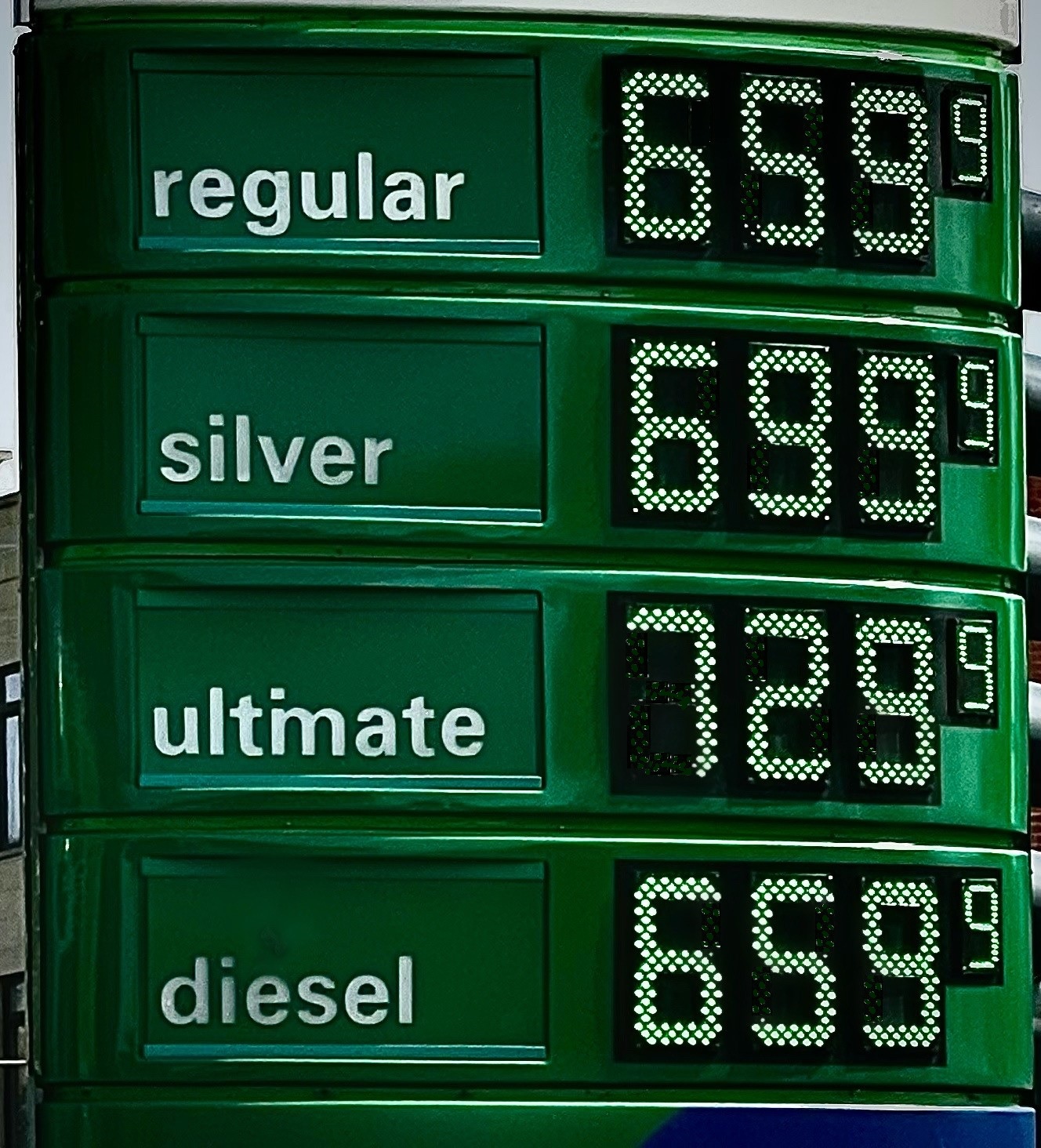
Chicago, situated in the state of Illinois, often sees gas prices that are notably higher than the national average. This is due to a combination of factors, including state and local taxes, market demand, refining costs, and logistical considerations unique to urban centers. For the savvy traveler, being prepared for these costs, and understanding alternative ways to navigate the city, can lead to significant savings and a more enjoyable visit. This comprehensive guide aims to equip you with all the information you need to factor gas prices into your Chicago adventure, explore smart transportation choices, and make the most of every moment in one of America’s most beloved cities.
Navigating Chicago’s Gas Prices: A Traveler’s Guide
Understanding the landscape of gas prices in a major urban center like Chicago is the first step in effective trip planning. It’s not just about the number on the pump; it’s about the broader economic and logistical factors that contribute to that figure, and how those figures translate into real-world costs for your travel budget.
Understanding Current Trends and Factors
Gas prices are inherently volatile, influenced by a global tapestry of geopolitical events, crude oil production, refinery capacity, and seasonal demand. In Chicago, these global trends are further exacerbated by specific local conditions. Illinois consistently ranks among the states with the highest fuel taxes in the nation, encompassing both a state motor fuel tax and additional sales taxes that apply to gasoline. On top of this, Cook County, where Chicago is located, levies its own supplemental taxes, further pushing prices upwards. Environmental regulations for specific fuel blends required in the Chicago metropolitan area also contribute to higher production costs.
Historically, gas prices in Chicago tend to be highest during the peak summer travel months, when demand for road trips surges, and around major holidays. They can also fluctuate significantly between neighborhoods, with prices often higher in downtown areas and closer to major arteries like the Dan Ryan Expressway or the Kennedy Expressway, where convenience often commands a premium. While it’s impossible to predict exact real-time prices, travelers should generally anticipate paying 20-50 cents per gallon, or even more, above the national average during their visit. Staying informed by checking national gas price averages before your trip can provide a useful benchmark.
Impact on Your Chicago Travel Budget
The direct impact of higher gas prices on your Chicago travel budget depends largely on your itinerary and preferred mode of transport. For travelers flying into O’Hare International Airport or Midway International Airport and relying solely on public transit or ride-shares, the impact might be minimal. However, if you’re embarking on a road trip to Chicago, planning to rent a car, or intending to explore extensively outside the immediate city center, gas costs will be a notable line item.
Consider the cumulative cost: not just the fuel itself, but also potential parking fees, which in Chicago can easily range from $20-$70 per day in downtown garages, depending on duration and location. These expenses quickly add up, potentially diverting funds from other desired experiences, such as dining at world-class restaurants, visiting iconic museums like the Art Institute of Chicago or the Field Museum, or enjoying a show in the Theatre District. Budget travelers, family groups, and business travelers alike must weigh these costs against the convenience and flexibility a personal vehicle offers. Understanding this impact early in your planning allows for informed decisions, perhaps shifting focus to public transport or choosing an accommodation with included parking, to help keep your overall travel expenses in check.
Smart Transportation Strategies for Exploring Chicago
Given the typically higher gas prices and the urban challenges of traffic and parking, many visitors to Chicago find alternative transportation methods not only more economical but also more efficient and enjoyable. The city boasts an excellent public transit system and a very walkable core, offering multiple ways to experience its wonders without constantly relying on a personal vehicle.
Public Transit: Your Eco-Friendly and Budget-Conscious Ally
Chicago’s public transportation network, primarily operated by the Chicago Transit Authority (CTA), is one of the most comprehensive in the United States. The iconic “L” train system (short for elevated), with its distinct colored lines, connects virtually all major attractions, neighborhoods, and both airports. Whether you’re headed to Millennium Park to see Cloud Gate, exploring the museums on Museum Campus like the Shedd Aquarium, or venturing to the vibrant neighborhoods of Wicker Park or Lincoln Park, the CTA L-train can get you there efficiently. Complementing the L-train is an extensive bus network that fills in the gaps, providing door-to-door service in many areas.
For commuters and those planning day trips to nearby suburbs or attractions further afield, the Metra commuter rail system offers reliable service from downtown stations like Union Station and Ogilvie Transportation Center. A prime example might be visiting the Frank Lloyd Wright Home and Studio in Oak Park or the historic Pullman National Monument.
To maximize convenience and savings, consider purchasing a Ventra Card. This reloadable card can be used on both CTA and Pace (suburban bus service) and offers daily or multi-day unlimited ride passes, which are exceptionally cost-effective for tourists planning extensive sightseeing. Not only is public transit budget-friendly, but it also allows you to avoid the stress of driving in urban traffic, navigating one-way streets, and finding expensive parking.
Ride-Sharing and Taxis: Convenience with a Cost
For those instances where public transit might not be direct enough, or for late-night excursions, ride-sharing services like Uber and Lyft, as well as traditional taxi services, are readily available throughout Chicago. These options offer door-to-door convenience, which can be particularly appealing if you’re traveling with luggage, have mobility challenges, or are heading to a destination less accessible by train or bus.
However, convenience comes at a price. While potentially cheaper than renting a car and paying for gas and parking for short distances, ride-sharing costs can quickly escalate, especially during peak hours, inclement weather, or when “surge pricing” is in effect. Factors like distance, time of day, and demand directly influence the fare. Taxis generally operate on a metered basis, and while reliable, can also be pricier than other options for longer journeys. For travelers on a tighter budget, ride-shares and taxis are best utilized sparingly for specific needs rather than as a primary mode of transport throughout their entire trip.
Car Rentals: When Do They Make Sense?

Renting a car in Chicago is a decision that requires careful consideration. For many tourists focused on downtown and inner-city attractions, a rental car is often an unnecessary expense, burdened by high rental rates, insurance costs, substantial gas prices, and notoriously expensive parking. Downtown Chicago is extremely walkable, and its public transit system is robust.
However, there are scenarios where a rental car might be beneficial. If your itinerary involves extensive travel to the surrounding suburbs, visiting friends or family outside the city, or embarking on day trips to attractions beyond the reach of Metra – such as the Indiana Dunes National Park or charming small towns in Illinois – a rental car offers unparalleled flexibility. It’s also a practical choice for families traveling with young children or those with specific luggage requirements.
If you opt for a rental, be sure to factor in the full cost: the daily rental fee, comprehensive insurance, the high cost of gas, and daily parking charges. Look for accommodations that offer complimentary or discounted parking to offset some of these expenses. Booking your rental car in advance, especially during peak season, can often secure better rates.
Exploring Chicago on Foot or Bike
Perhaps the most immersive, healthiest, and undeniably cheapest way to experience much of Chicago is on foot or by bicycle. The city’s downtown grid is remarkably pedestrian-friendly, with wide sidewalks and a captivating urban landscape perfect for strolling. Iconic areas like the Riverwalk, Millennium Park, and the Magnificent Mile are best explored at a leisurely pace, allowing you to appreciate the intricate architecture, public art (like Crown Fountain), and vibrant street life.
For longer distances, or to enjoy Chicago’s stunning waterfront, the Lakefront Trail offers miles of paved paths perfect for biking, jogging, or a leisurely walk. This trail provides breathtaking views of the city skyline and Lake Michigan, stretching from Hollywood Avenue on the north side all the way to South Shore Drive on the south side. Bike-sharing programs like Divvy are conveniently located throughout the city, providing an easy and affordable way to rent a bike for short periods. This allows you to cover more ground than walking while still enjoying the fresh air and unique perspectives of the city. Embrace these active transportation options to enhance your experience and minimize your carbon footprint – and your gas bill!
Beyond the Pump: Maximizing Your Chicago Experience
While gas prices are a practical consideration, they shouldn’t overshadow the joy of experiencing Chicago. By being strategic in other areas of your travel planning, you can mitigate the impact of fuel costs and ensure a rich, fulfilling visit.
Strategic Accommodation Choices
Your choice of accommodation can significantly impact your transportation costs. When booking a hotel, apartment, or villa, prioritize properties that offer easy access to CTA L-train stations or major bus routes. Staying in central neighborhoods like the Loop, River North, or Magnificent Mile means many attractions are within walking distance, further reducing your reliance on vehicles.
If you do decide to bring or rent a car, actively seek out accommodations that include parking in their rate, or at least offer a discounted parking option. Many downtown hotels charge premium rates for overnight parking, which can add $50-$70 per night to your stay. Comparing these costs across different hotels or considering properties slightly outside the immediate downtown core but still near public transit, can lead to substantial savings. For longer stays, exploring serviced apartments or vacation rentals might offer better parking solutions than traditional hotels.
Fueling Up for Less: Tips for Drivers
For those who do choose to drive in Chicago, a few smart strategies can help you find the best gas prices. Firstly, avoid fueling up at gas stations directly off major expressways or in prime downtown locations, as these typically have the highest prices due to convenience. Venture a few blocks into residential areas or compare prices in different neighborhoods.
Apps like GasBuddy are invaluable tools that allow you to locate the cheapest gas stations in real-time within your vicinity. Plan your refueling stops; sometimes, driving a mile or two further can save you significant money per gallon. Additionally, if you’re traveling from out of state, consider filling up your tank before crossing into Illinois if gas prices in the neighboring state are lower. When leaving Chicago, consider fueling up outside of Cook County to avoid county-specific taxes. Basic fuel-efficiency practices, like maintaining proper tire pressure, avoiding rapid acceleration and braking, and minimizing excessive idling, can also contribute to small but cumulative savings.
Experiencing Chicago’s Free and Low-Cost Attractions
To further balance your travel budget, prioritize Chicago’s numerous free and low-cost attractions. This beautiful city offers a wealth of experiences that require no entry fee or minimal cost, allowing you to allocate more of your budget to transportation if needed, or simply save more overall.
- Parks and Public Art: Spend hours exploring Millennium Park, home to Cloud Gate (“The Bean”), Crown Fountain, and the Pritzker Pavilion. Adjacent Grant Park features the majestic Buckingham Fountain. Wander through Lincoln Park and visit the free Lincoln Park Zoo, one of the oldest zoos in the country.
- Architectural Wonders: Take a self-guided walking tour of Chicago’s unparalleled architecture. The Chicago Cultural Center offers free entry and houses the world’s largest Tiffany glass dome. Stroll the Riverwalk to admire the city’s iconic buildings from a unique perspective.
- Neighborhood Exploration: Immerse yourself in the diverse cultures of neighborhoods like Chinatown, Little Italy, or Greektown. While food might be an expense, simply exploring the streets and soaking in the atmosphere is free.
- Lake Michigan Shoreline: Enjoy the beaches, walking paths, and stunning views along Lake Michigan. The Lakefront Trail provides endless opportunities for free recreation.
- Museum Free Days: Many of Chicago’s world-class museums, such as the Field Museum, Shedd Aquarium, and Museum of Science and Industry, offer free admission days for Illinois residents and sometimes for specific dates throughout the year, which non-residents can take advantage of if their visit aligns. Always check their websites for current schedules.
- Public Art and Murals: Discover vibrant street art and impressive murals scattered throughout neighborhoods like Wicker Park and Pilsen.
By blending these free attractions with a few key paid experiences (like a visit to the Skydeck Chicago at Willis Tower or 360 Chicago at the former John Hancock Center, or catching a Cubs game at Wrigley Field in Wrigleyville), you can create an incredibly rich and memorable Chicago itinerary without breaking the bank.
Chicago’s Unique Appeal: Worth Every Drop
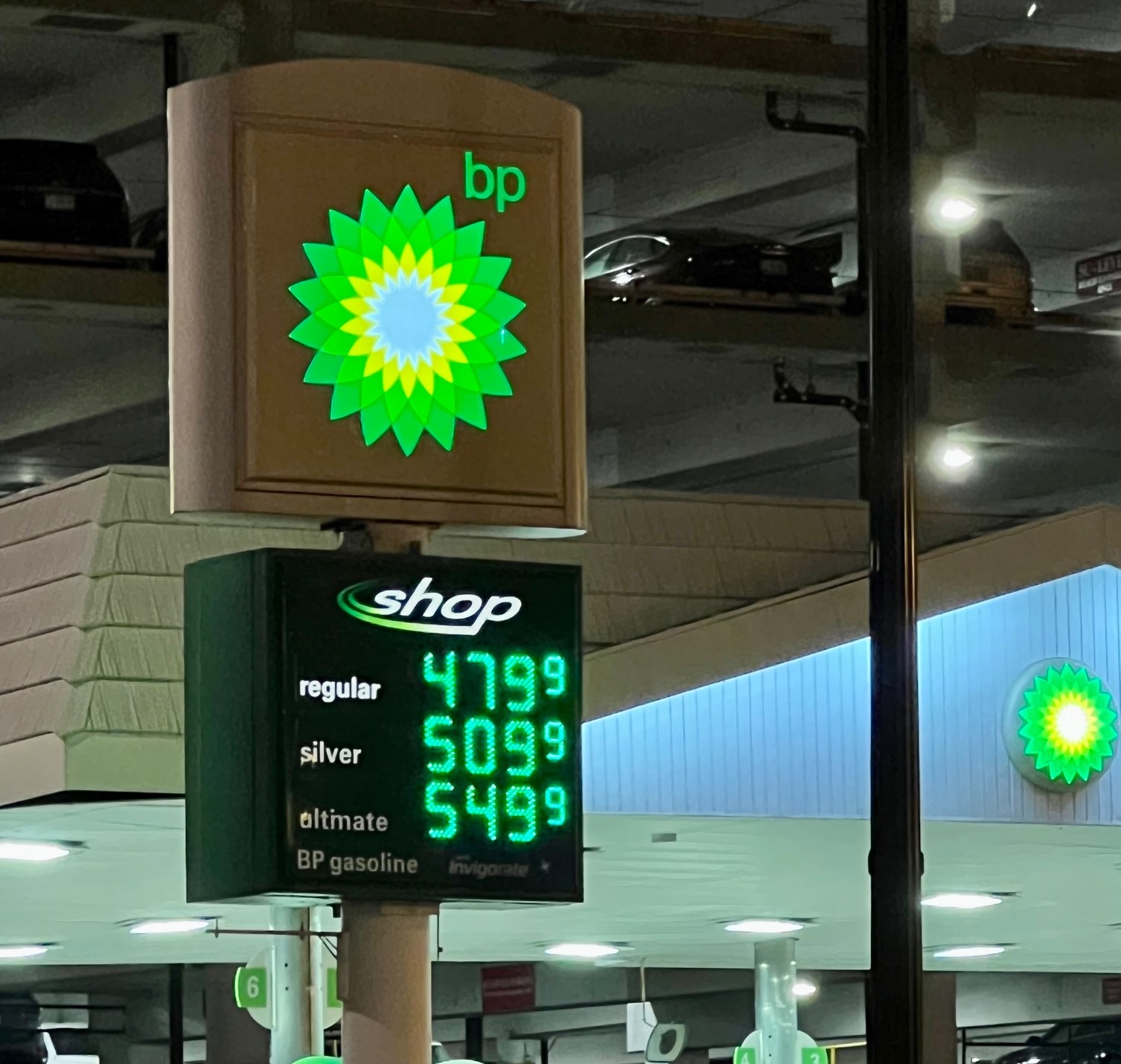
While the question “How much is gas in Chicago?” highlights a real and often significant travel expense, it should not deter anyone from experiencing this magnificent city. Chicago’s allure extends far beyond the practicalities of transportation costs. It is a city that pulses with a distinctive energy, offering unparalleled cultural institutions, a groundbreaking culinary scene that ranges from Michelin-starred restaurants to iconic deep-dish pizza joints, and an architectural legacy that is second to none.
The diverse array of neighborhoods, each with its own character and charm—from the historic elegance of the Gold Coast to the artistic flair of Pilsen and the trendy boutiques of Wicker Park—invites exploration and discovery. The friendliness of its residents, the beauty of its lakefront, and the vibrancy of its arts and music scenes create an atmosphere that is both welcoming and exhilarating.
By approaching your trip with a well-thought-out transportation plan, leveraging Chicago’s excellent public transit, embracing its walkable nature, and strategically budgeting for all expenses, including fuel, you can ensure that the cost of gas remains a minor consideration in an otherwise extraordinary journey. The memories you’ll make, the sights you’ll see, and the experiences you’ll gather in Chicago will undoubtedly prove to be worth every penny, and every drop of gas, or perhaps, every single CTA ride. Enjoy your adventure in the incredible city of Chicago!
LifeOutOfTheBox is a participant in the Amazon Services LLC Associates Program, an affiliate advertising program designed to provide a means for sites to earn advertising fees by advertising and linking to Amazon.com. Amazon, the Amazon logo, AmazonSupply, and the AmazonSupply logo are trademarks of Amazon.com, Inc. or its affiliates. As an Amazon Associate we earn affiliate commissions from qualifying purchases.