
The price of gasoline is a perennial topic of discussion, especially in a state as vast and car-dependent as Texas. Understanding the factors that influence gas prices, how they’ve trended, and where to find the most competitive rates is crucial for anyone hitting the road, whether for a daily commute, a weekend getaway, or an extended road trip across the Lone Star State. This guide delves into the complexities of Texas gas prices, offering insights for the budget-conscious traveler and the everyday driver alike.
Factors Influencing Gasoline Prices in Texas
Several interconnected forces dictate the price you see at the pump in Texas. These range from global market dynamics to local supply and demand.

Global Oil Markets
The fundamental driver of gasoline prices is the cost of crude oil. Texas is a significant producer of crude oil, but its prices are still largely dictated by international benchmarks like West Texas Intermediate (WTI) and Brent crude. Global supply and demand, geopolitical events (such as conflicts in oil-producing regions or production cuts by major cartels like OPEC+), and the overall health of the world economy all play a role. A surge in global demand or a disruption in supply can quickly translate into higher crude oil prices, which then ripple down to the cost of gasoline. Conversely, increased production or decreased global demand can lead to lower oil prices.
Refining Costs and Capacity
Crude oil must be refined into gasoline. The cost of this refining process, including labor, energy, and facility maintenance, contributes to the final price. Texas has a substantial refining capacity, with numerous refineries located along the Gulf Coast. However, these refineries can be subject to unexpected shutdowns due to maintenance, weather events (like hurricanes, which are common in the Gulf Coast region), or accidents. When refining capacity is reduced, it can create localized or regional shortages, driving up prices even if crude oil costs remain stable. The complexity of the refining process itself also impacts cost; different grades of gasoline and blends require varying levels of processing.
Federal and State Taxes
Taxes are a significant component of the retail price of gasoline. In Texas, federal and state excise taxes are levied on each gallon of fuel sold. These taxes are designed to fund infrastructure projects, such as road construction and maintenance. While these taxes provide a stable revenue stream for public works, they also add a fixed amount to the price at the pump, regardless of fluctuations in crude oil or refining costs. Consumers in Texas should be aware that these taxes are a substantial, albeit necessary, part of the overall cost of fueling their vehicles.
Distribution and Marketing Costs
Getting gasoline from the refinery to the local gas station involves a complex distribution network. This includes transportation costs (pipelines, trucks, barges), storage fees, and the marketing efforts of oil companies and station owners. Retailers also add their profit margins to cover operational expenses, such as rent, utilities, employee wages, and the cost of maintaining their facilities. Competition among gas stations in a particular area can also influence pricing, with some stations strategically lowering prices to attract customers.
Seasonal Demand and Blends
Gasoline demand typically increases during the summer months as more people travel for vacations. This higher demand can put upward pressure on prices. Additionally, environmental regulations often require different gasoline blends to be used in various seasons. For example, summer-blend gasoline is designed to evaporate less readily in warmer temperatures, and its production can be more costly. Changes in these blends, driven by environmental mandates, can affect refining costs and, consequently, pump prices.
Historical Trends and Average Prices in Texas
Tracking historical gasoline prices in Texas reveals a pattern of fluctuation, influenced by the factors mentioned above.
Long-Term Price Movements
Over the decades, the average price of gasoline has generally trended upwards, a reflection of inflation, increasing global demand for energy, and more complex refining processes. However, there have been significant periods of both sharp increases and decreases. For instance, the early 2000s saw a steady rise in gas prices, peaking significantly around 2008 due to high global crude oil prices. Conversely, periods of economic downturn or increased oil production have led to sharp price drops, offering temporary relief at the pump.
Recent Price Averages
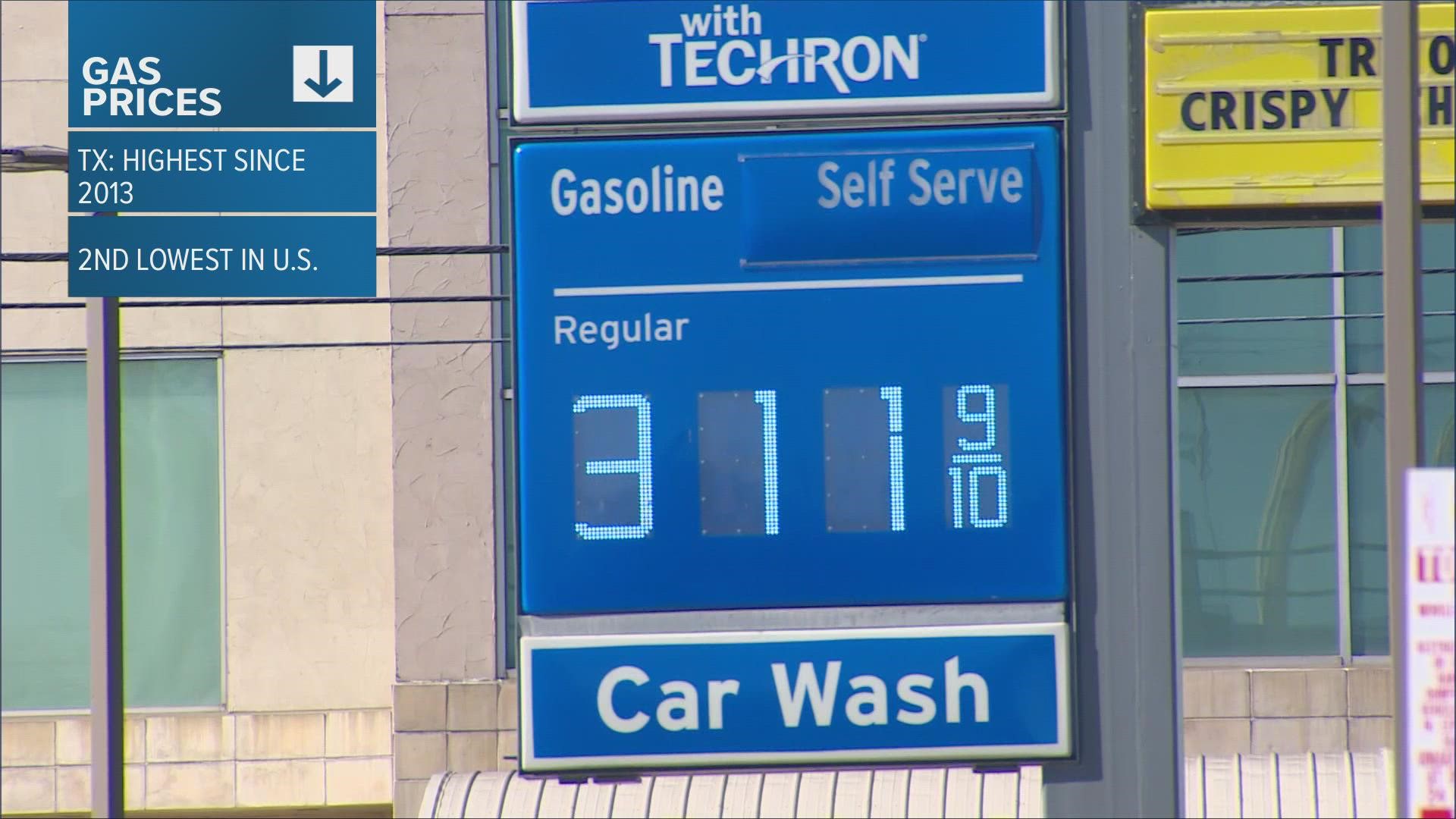
Examining recent price averages provides a more immediate snapshot. Texas consistently ranks among the states with the lowest average gasoline prices in the United States. This is largely attributed to its robust oil production, extensive refining capacity, and relatively lower state taxes compared to some other states. However, even within Texas, prices can vary significantly from one region to another. Major metropolitan areas like Houston or Dallas might have different price points than smaller, more rural towns.
Impact of Major Events
Major global or regional events can have a profound and immediate impact on gasoline prices. Hurricanes impacting the Gulf Coast can disrupt refining operations, leading to temporary price spikes in affected areas. Geopolitical tensions involving major oil-producing nations can cause crude oil prices to skyrocket, and Texas drivers will feel the effect. Similarly, global economic crises that reduce demand for oil can lead to sudden price drops.
Finding the Best Gas Prices in Texas
Navigating the fluctuating landscape of Texas gas prices requires a strategic approach. Fortunately, several tools and habits can help drivers save money.
Utilizing Gas Price Apps and Websites
In the digital age, technology offers powerful solutions for finding affordable fuel. Numerous mobile applications and websites are dedicated to tracking real-time gasoline prices at stations across Texas. These platforms aggregate data from users and stations, allowing drivers to compare prices in their immediate vicinity or along their planned routes. Popular options often include features to filter by fuel grade, station brand, and even amenities offered. By checking these resources before filling up, drivers can often identify stations offering significantly lower prices than their immediate neighbors.
Considering Gas Station Loyalty Programs
Many major gasoline retailers offer loyalty programs or discount cards. These programs work by accumulating points or offering direct discounts on fuel purchases for members. While the savings per gallon might seem small initially, they can add up over time, especially for frequent drivers. Some programs also offer additional benefits, such as discounts on convenience store items or car washes. Signing up for these programs is typically free and can be a simple way to reduce your overall fuel expenditure.
Understanding Price Variations by Location
As mentioned earlier, gas prices can vary considerably across Texas. Generally, prices tend to be higher in remote rural areas where transportation costs are greater, and in major tourist destinations or exclusive urban centers. Conversely, areas with a high concentration of gas stations, particularly those near major highways or production centers, often offer more competitive pricing due to increased competition. Drivers traveling through different regions of Texas, whether exploring the Texas Hill Country or heading to a major event in San Antonio, should be mindful of these regional differences.
Timing Your Fill-Up
While not as impactful as other factors, there’s anecdotal evidence and some data suggesting that gas prices might fluctuate slightly throughout the week. Some suggest that prices may be lower at the beginning of the week, before the weekend travel rush begins. However, this is not a guaranteed strategy and the variations are usually minimal. The most reliable way to save money is through the consistent use of price comparison tools and loyalty programs.
The Economic Impact of Gasoline Prices in Texas
The cost of gasoline has far-reaching implications for the Texas economy, affecting everything from individual household budgets to the profitability of various industries.
Consumer Spending and Household Budgets
For Texas households, gasoline is a significant and often unavoidable expense. When gas prices rise, consumers have less discretionary income to spend on other goods and services. This can lead to a slowdown in consumer spending, which is a major driver of economic activity. Conversely, lower gas prices can put more money back into consumers’ pockets, boosting spending and supporting local businesses. This effect is particularly pronounced in a state like Texas, where car ownership is high and public transportation options are less extensive in many areas compared to some other states.
Transportation and Logistics Costs
The price of fuel directly impacts the cost of transporting goods and people across the state. Businesses that rely on trucking, shipping, or airlines see their operational costs increase with higher gas prices. This can lead to higher prices for consumers on a wide range of products, from groceries to manufactured goods. The trucking industry, a vital component of Texas’s economy, is especially sensitive to fuel costs. Efficient logistics and cost management are paramount, and rising fuel prices can put pressure on margins and potentially lead to increased freight charges.
The Oil and Gas Industry’s Influence
As a leading oil-producing state, Texas’s economy is intrinsically linked to the health of its oil and gas sector. Higher gasoline prices generally mean higher crude oil prices, which can lead to increased profits for Texas-based exploration and production companies. This can spur investment in the sector, create jobs, and boost state tax revenues. However, extremely high or volatile prices can also create uncertainty, potentially deterring long-term investment. The industry’s performance significantly influences the state’s overall economic outlook.
Impact on Tourism and Travel
For a state with diverse attractions like Texas, from the Alamo in San Antonio to the beaches of Galveston, gasoline prices play a role in the decision-making process for tourists. Higher prices can discourage road trips, leading to a potential decrease in visitor numbers and revenue for the tourism sector. Conversely, more affordable fuel can make Texas a more attractive and budget-friendly destination for travelers. This is particularly relevant for domestic tourism, which is a significant contributor to the state’s economy.
Looking Ahead: Future Gas Prices in Texas
Predicting future gasoline prices with absolute certainty is an impossible task, given the myriad of global and local variables at play. However, by understanding the underlying trends and potential influencing factors, one can make informed estimations.
Global Supply and Demand Dynamics
The ongoing global transition towards renewable energy sources, coupled with geopolitical stability or instability in major oil-producing regions, will continue to shape crude oil prices. Advances in extraction technologies could increase supply, while increased demand from emerging economies could drive prices up. Texas’s role as a major oil producer will ensure it remains connected to these global shifts.
Policy and Regulatory Changes
Government policies, both domestically and internationally, can significantly impact fuel prices. Environmental regulations, taxation policies, and strategic petroleum reserve decisions all have the potential to influence the market. For instance, any changes to federal or state fuel taxes, or new environmental mandates affecting fuel production, would directly affect prices at the pump in Texas.
Technological Advancements
Innovations in vehicle efficiency and the adoption of electric vehicles (EVs) are long-term trends that could eventually reduce overall demand for gasoline. As more consumers opt for EVs or more fuel-efficient traditional vehicles, the demand for gasoline may decrease, potentially leading to downward pressure on prices over extended periods. However, the transition is gradual, and for the foreseeable future, gasoline will remain a primary fuel source for most vehicles on Texas roads.

The Role of Infrastructure
Investment in energy infrastructure, including pipelines and refineries, also plays a role. Upgrades or expansions to this infrastructure can improve efficiency and potentially stabilize prices, while a lack of investment or aging infrastructure could lead to vulnerabilities and price volatility. Texas continues to be a hub for energy infrastructure, and its development will remain a key factor.
In conclusion, understanding how much gasoline costs in Texas involves a complex interplay of global economics, regional factors, and individual consumer behavior. By staying informed about these influences and employing smart strategies for finding and purchasing fuel, drivers can navigate the fluctuating prices and manage their budgets more effectively across the vast and dynamic landscape of the Lone Star State.
LifeOutOfTheBox is a participant in the Amazon Services LLC Associates Program, an affiliate advertising program designed to provide a means for sites to earn advertising fees by advertising and linking to Amazon.com. Amazon, the Amazon logo, AmazonSupply, and the AmazonSupply logo are trademarks of Amazon.com, Inc. or its affiliates. As an Amazon Associate we earn affiliate commissions from qualifying purchases.