
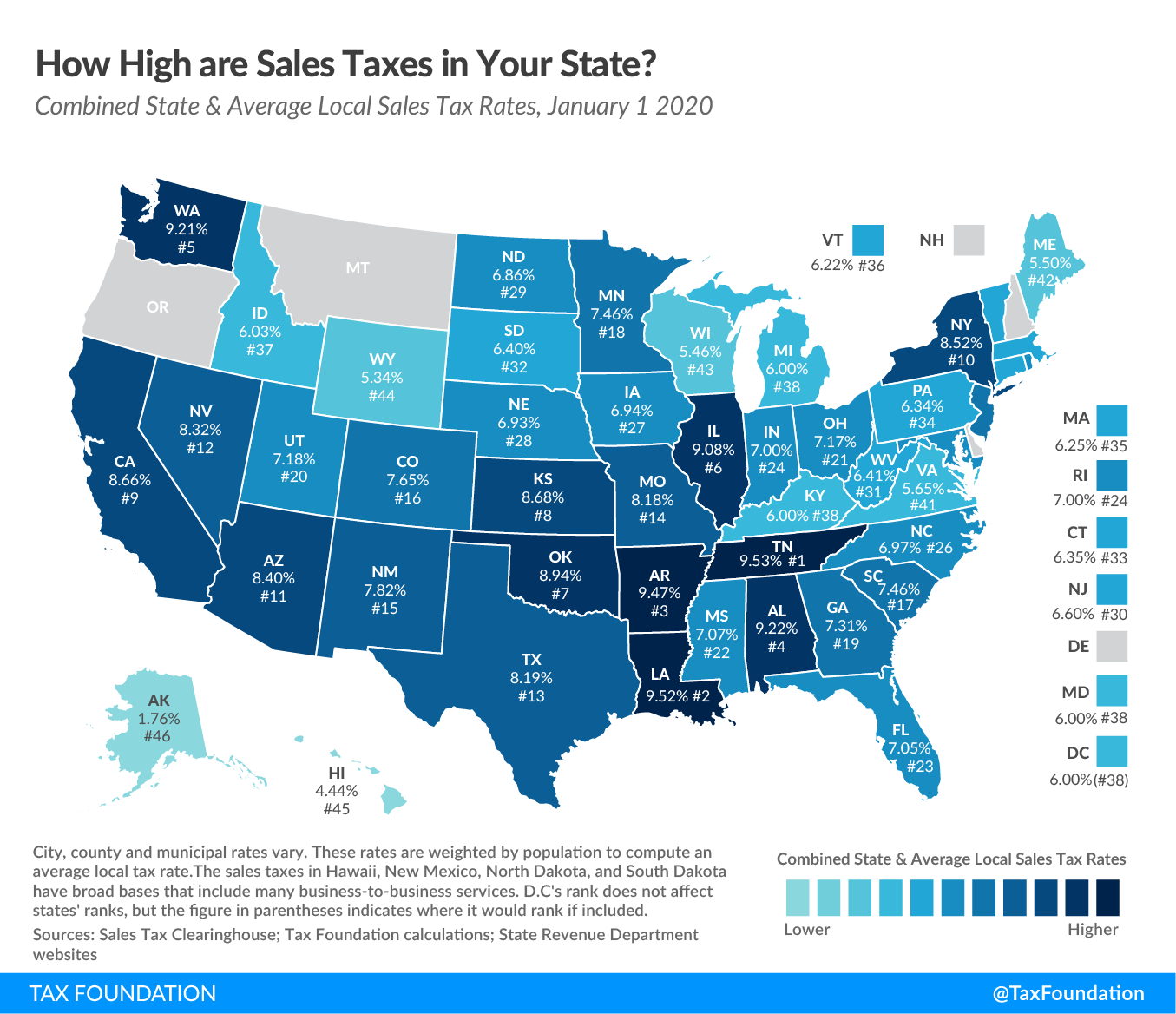
Planning a trip to the United States often involves meticulous budgeting, especially when the destination is a tropical paradise like Hawaii. One of the most common questions travelers ask while calculating their daily expenses is, “How much is the sales tax in Hawaii?” However, the answer is slightly more complex than a single percentage. Unlike most other states in the United States, Hawaii does not technically have a “sales tax.” Instead, it operates under a General Excise Tax (GET) system. For the lifestyle traveler—whether you are planning a luxury honeymoon in Waikiki or a budget-conscious backpacking trip through Kauai—understanding how this tax affects your purchases, accommodations, and activities is essential for maintaining your financial peace of mind.
Understanding the Hawaii General Excise Tax (GET)
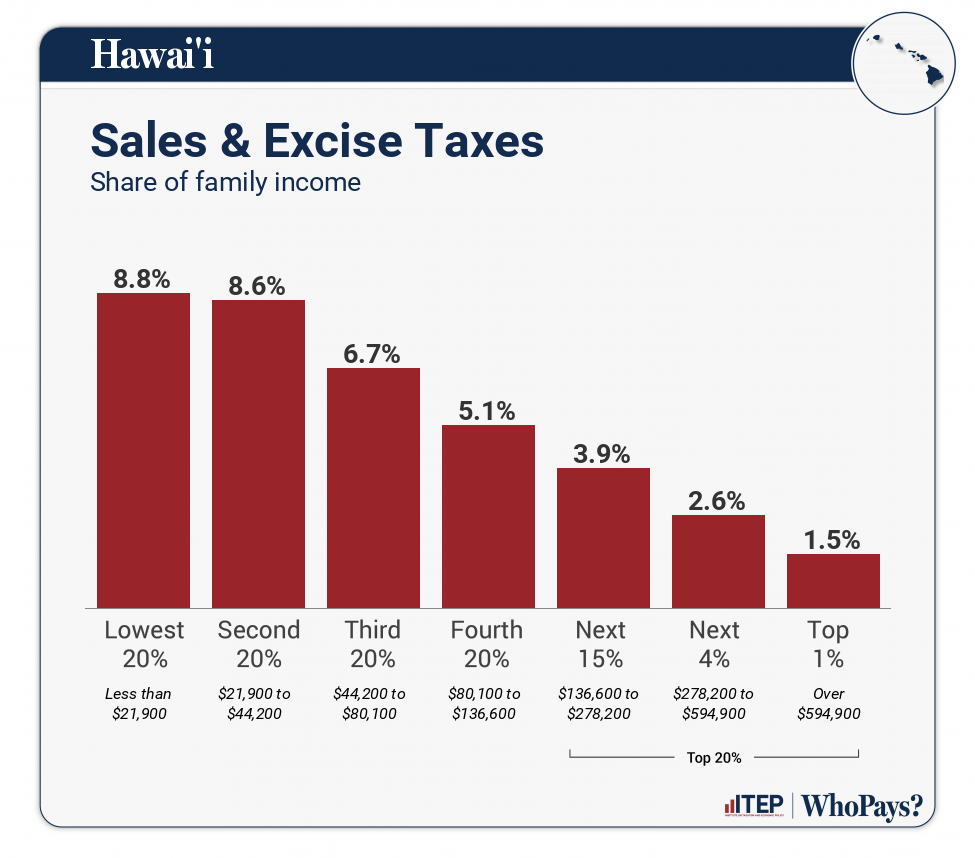
The primary reason for the confusion regarding Hawaii sales tax is the General Excise Tax (GET). While a traditional sales tax is a tax on the consumer, the GET is actually a tax on the business for the privilege of doing business in the State of Hawaii. However, the law allows businesses to pass this tax on to the customer. This distinction is subtle but important. Because it is a tax on gross income, businesses often calculate the tax on the final transaction amount, which can lead to a slightly higher effective rate than the base percentage.
The Base Rates and County Surcharges
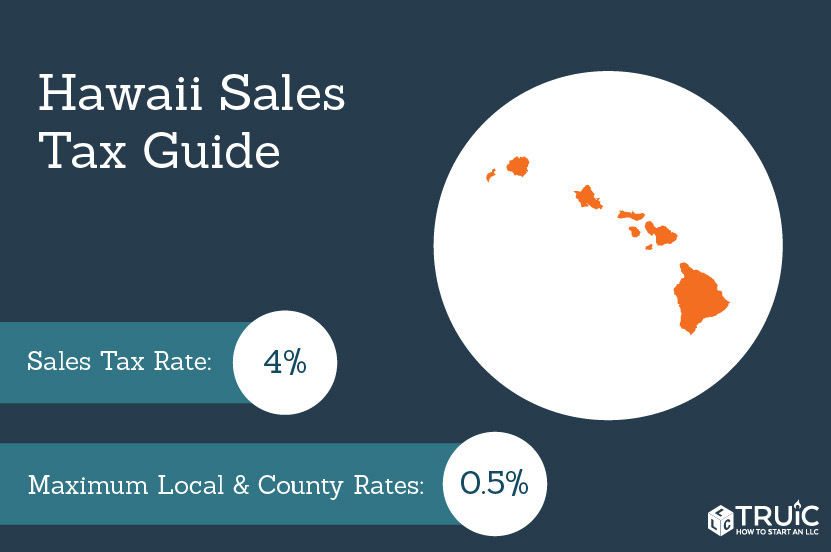
The base GET rate for the state is 4%. However, because the various islands have different infrastructure needs and local government projects, several counties have added a surcharge. This means the amount you see on your receipt will vary depending on which island you are visiting.
In Honolulu, which covers the entire island of Oahu, the rate is typically 4.5%. This includes the 4% state base plus a 0.5% county surcharge to help fund the Honolulu Rail Transit project. On Maui, Kauai, and the Big Island (officially known as Hawaii County), the surcharges have also been implemented in recent years, generally bringing the total tax visible on a receipt to approximately 4.5% or slightly higher if the business rounds up to cover their own tax liability.
Why Everything is Taxable
One of the biggest shocks for visitors from states with “tax-free” holidays or exemptions for groceries and medicine is that in Hawaii, almost everything is subject to GET. Because it is a tax on business activity rather than specific items, there are no exemptions for “necessities.” Whether you are buying a surfboard in Haleiwa, a plate lunch in Hilo, or booking a guided tour of Pearl Harbor, you should expect to see that 4% to 4.5% added to your total. Even services like massages at a luxury spa in Wailea or a haircut in Kailua-Kona are taxable.
Breaking Down Tax Rates by Island and Lifestyle Impact
For the savvy traveler, the island you choose to call home for a week can slightly shift your overall spending. While a 0.5% difference might seem negligible on a single souvenir, it adds up when you consider the high costs of dining and activities in the Pacific Ocean region.
Oahu: The Urban Hub
Oahu is the most visited island, home to Honolulu and the famous Diamond Head State Monument. Because of the massive infrastructure requirements of a major city, the tax rate here is consistently 4.5%. If you are engaging in a luxury shopping spree at the Ala Moana Center, those percentages become very visible. Luxury travelers should factor this into high-end purchases like designer jewelry or luxury watches, which are often sought after in Waikiki due to the lack of a higher mainland sales tax (like California’s 7% to 10% rates).
Maui and The Valley Isle
On Maui, travelers often find themselves spending significantly on experiences. Whether it is a sunrise tour at Haleakala National Park or a whale-watching expedition departing from Lahaina, the tax is a constant. The current rate on Maui is 4.5%. For families traveling on a budget, it is important to remember that the tax applies to rental cars and gasoline, which can be higher on Maui than on Oahu.
Kauai and the Big Island
The Garden Isle (Kauai) and the Big Island also implement the county surcharge, bringing their effective rates to 4.5%. If you are staying in Lihue or exploring the volcanic landscapes of Hawaii Volcanoes National Park, your daily receipts will reflect this. For budget travelers exploring the Na Pali Coast State Wilderness Park, remember that even the camping permits and gear rentals will carry this excise tax.
Hidden Costs: The Transient Accommodations Tax (TAT)
While the GET is what you see at the grocery store or a restaurant, there is a much more substantial tax that impacts every traveler’s budget: the Transient Accommodations Tax (TAT). If you are staying in any form of short-term lodging—be it a resort, a boutique hotel, or a vacation rental—the GET is just the beginning.
The Heavy Hitter for Hotel Budgets
The state-level TAT is currently 10.25%. This tax applies to all “transient” stays, defined as any rental lasting less than 180 days. In addition to the state tax, each county has the authority to add its own local TAT. For example, if you book a stay at the Royal Hawaiian Hotel on Oahu, you will pay:
- The 4.5% GET.
- The 10.25% State TAT.
- An additional 3% Honolulu County TAT.
This brings the total tax on your hotel room to a staggering 17.75%. For a luxury suite that costs $800 per night, you are looking at nearly $142 in taxes alone every single day. This is a critical insight for travelers planning a business stay or a luxury retreat; the “sticker price” on booking websites often excludes these taxes until the final checkout screen.
Resort Fees and Their Taxable Nature
To add another layer of complexity to your Hawaii lifestyle budget, many major resorts like Aulani A Disney Resort and Spa or Turtle Bay Resort charge “Resort Fees.” While these are not taxes, they are mandatory charges for amenities like Wi-Fi, beach towels, and fitness center access. Crucially, these fees are also subject to both GET and TAT. When calculating your daily accommodation cost, always add approximately 18% to both the room rate and the resort fee to get an accurate number.
Practical Tips for Budgeting Your Hawaiian Vacation
Understanding the tax structure allows you to navigate your Hawaii trip more like a local and less like a surprised tourist. Whether you are chasing the surf on the North Shore or enjoying a quiet getaway on Lanai, these tips will help you manage the GET and TAT impact.
Dine Like a Local to Save
Since restaurants must pass the GET onto consumers, dining out for every meal can become expensive. Lifestyle travelers often find that visiting local farmers’ markets or grocery stores in Kapaa or Kihei is a great way to experience the local culture while managing costs. While you will still pay the 4% to 4.5% GET on your groceries, you avoid the much higher costs of prepared meals and the customary 18-22% gratuity expected in tourist-heavy areas like Waikiki Beach.
Pre-Pay Tours and Activities
Many tour operators for popular attractions, such as helicopter flights over the Na Pali Coast or luaus at the Polynesian Cultural Center, allow you to book and pay in advance. When doing so, check if the tax is included in the quoted price. This prevents “sticker shock” upon arrival. For business travelers, keeping separate receipts for GET-taxable items is vital for expense reporting, as the tax is often listed as a separate line item.
Long-Term Stays and Tax Breaks
If you are a digital nomad or someone looking for a lifestyle change that involves staying in Hawaii for an extended period, there is a significant tax advantage to staying longer. Once a rental agreement exceeds 180 consecutive days, the stay is no longer considered “transient,” and the 10.25% TAT (and the 3% county TAT) no longer applies. This makes long-term apartments in Honolulu or residential rentals in Kona much more affordable than short-term vacation rentals.
Car Rentals and Hidden Surcharges
When renting a car to drive the Road to Hana or explore Molokai, remember that the GET is just one part of the equation. Hawaii also imposes a Rental Motor Vehicle Surcharge Tax (usually $5 per day). When combined with the GET and airport fees, the total tax on a rental car can feel quite high. To mitigate this, consider renting from a location outside of the Daniel K Inouye International Airport to avoid specific airport surcharges, even if the GET remains the same.
Navigating the Cultural Nuance of Tax in Hawaii
In many places in the United States, the tax is a simple addition at the end of a transaction. In Hawaii, the GET is a reflection of the state’s unique economic history and its reliance on tourism to fund public services. As a visitor, your contribution through these taxes helps maintain the beauty of Hanauma Bay Nature Preserve and the safety of the roads winding through the Waimea Canyon State Park.
The Ethics of the GET
While it might be tempting to look for “under the table” deals to avoid the tax, especially with local vendors or smaller vacation rentals, doing so often bypasses the systems that protect travelers and support the local community. Legitimate businesses that charge the appropriate GET and TAT are contributing to the very infrastructure that makes Hawaii a world-class destination.
Final Budget Checklist
Before you board your flight to Kahului or Lihue, perform a final budget check:
- Accommodation: Add 17.75% to 18% to your base nightly rate.
- Dining and Shopping: Add 4.5% to every price tag you see.
- Activities: Assume a 4.5% tax on all bookings.
- Car Rentals: Account for the 4.5% GET plus the daily $5 surcharge and any airport-specific fees.
By understanding that Hawaii “sales tax” is actually a combination of General Excise and Transient Accommodations taxes, you can plan a lifestyle experience that is as relaxing as a sunset in Kapalua, without any unexpected financial surprises. Whether you are exploring the lush rainforests of Hilo or the luxury boutiques of Oahu, being tax-savvy is the first step toward a perfect island getaway.
LifeOutOfTheBox is a participant in the Amazon Services LLC Associates Program, an affiliate advertising program designed to provide a means for sites to earn advertising fees by advertising and linking to Amazon.com. Amazon, the Amazon logo, AmazonSupply, and the AmazonSupply logo are trademarks of Amazon.com, Inc. or its affiliates. As an Amazon Associate we earn affiliate commissions from qualifying purchases.