
California – the very name conjures images of sun-drenched beaches, iconic landmarks, vibrant cities, and a lifestyle often idealized across the globe. From the bustling streets of Los Angeles and the tech innovation of San Francisco to the serene beauty of Napa Valley and the majestic wilderness of Yosemite National Park, the Golden State offers an unparalleled array of destinations, attractions, and experiences. Many dream of extended stays, digital nomad adventures, or even making California their permanent home. Yet, amidst the excitement of planning travel, exploring local culture, finding the perfect accommodation, or pursuing a new lifestyle, one crucial practical aspect often overlooked is health insurance.
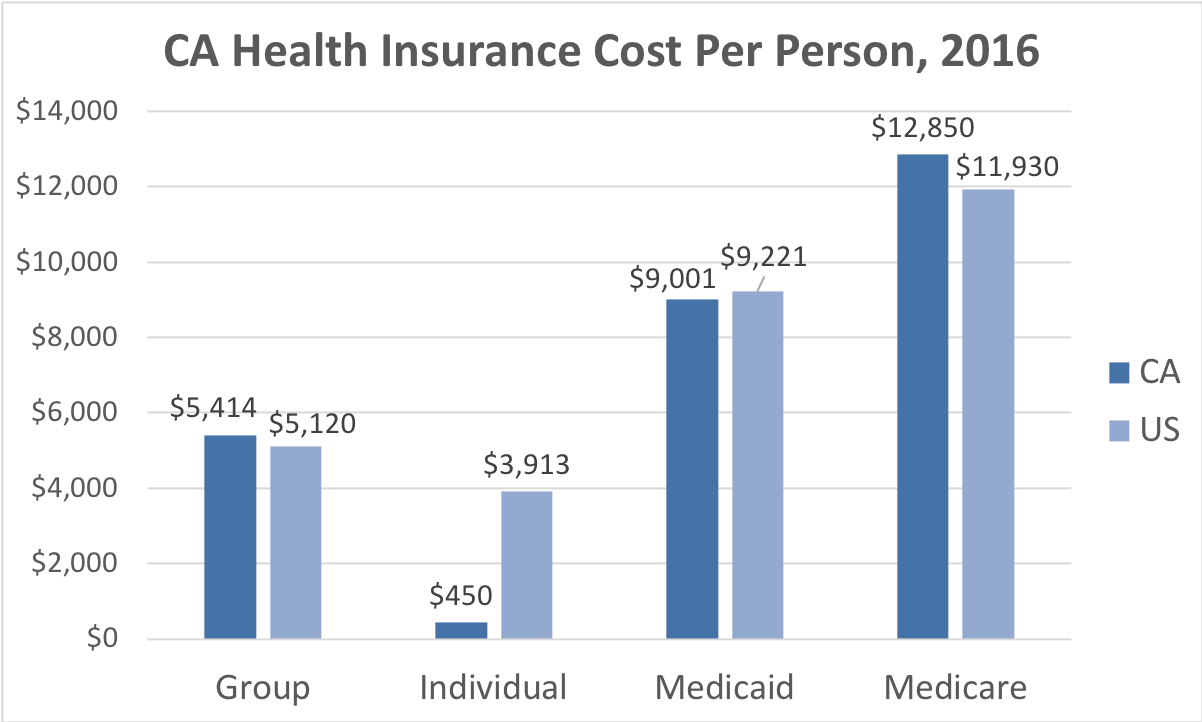
Whether you’re embarking on a long-term journey, relocating for work, or simply envisioning a more permanent slice of the Californian dream, understanding the cost and complexities of health insurance is paramount. It’s not merely a legal requirement for residents, but a fundamental pillar of peace of mind, ensuring that an unexpected illness or accident doesn’t derail your adventure or finances. For those embracing the digital nomad lifestyle, considering a family trip that extends beyond a few weeks, or planning a business stay that could evolve into something more, navigating healthcare expenses in a new state, especially one as large and diverse as California, is essential. This article will delve into the critical question: how much is health insurance in California? We’ll explore the factors influencing costs, where to find coverage, and practical considerations to ensure your Californian experience remains as golden as the state itself.
Understanding California’s Health Insurance Landscape for Travelers and Newcomers
The United States healthcare system can often seem daunting, especially to those unfamiliar with its structure. For anyone planning an extended stay or relocation to California, grasping the basics of its health insurance landscape is the first vital step. Unlike many countries where healthcare is primarily government-funded, the U.S. relies heavily on a system of private insurance, significantly shaped by the Affordable Care Act (ACA), also known as Obamacare. California has embraced the ACA wholeheartedly, establishing its own state-run health insurance marketplace, Covered California.
For travelers, digital nomads, or individuals considering a lifestyle change that involves spending significant time in California, health insurance isn’t just a recommendation; it’s a necessity. The cost of medical care in the U.S. is notoriously high, and even a minor emergency, such as a broken bone from a hiking mishap in Big Sur or a sudden illness during a visit to Disneyland Resort, can lead to staggering bills without proper coverage. This is especially true if you are exploring natural landmarks like Death Valley National Park or Redwood National Park, where access to immediate care might be limited and transportation costs to facilities can add up.
California offers various types of health insurance plans, each with its own structure regarding provider networks, referrals, and cost-sharing. Understanding these distinctions is crucial, particularly if your Californian lifestyle involves moving between different regions or frequently traveling for leisure or business.
- HMO (Health Maintenance Organization): Typically offers lower premiums but requires you to choose a primary care physician (PCP) within the plan’s network. Your PCP coordinates all your care and provides referrals to specialists. This can be restrictive if you plan extensive travel throughout California and need care outside a specific regional network.
- PPO (Preferred Provider Organization): Generally more flexible, allowing you to see any doctor or specialist without a referral, both in and out of network. Out-of-network services usually come with higher costs. PPOs are often favored by those who value flexibility and might be exploring various cities like San Diego, Sacramento, or Oakland.
- EPO (Exclusive Provider Organization): Similar to a PPO in that you don’t need a referral to see a specialist, but unlike a PPO, it won’t cover out-of-network care except in emergencies. This can be a good middle ground for budget-conscious travelers who still want some flexibility.
- POS (Point of Service): A hybrid of HMO and PPO, requiring a PCP referral for in-network care but allowing out-of-network care at a higher cost.
Choosing the right type of plan depends on your lifestyle: how frequently you expect to need medical care, your budget, and how much flexibility you desire in choosing doctors, particularly if your “home base” might shift from, say, Santa Monica to Palm Springs. For those planning long-term stays, a robust health insurance plan isn’t just a cost, but an investment in the uninterrupted enjoyment of California’s diverse offerings.
Factors Influencing Health Insurance Costs in the Golden State
The cost of health insurance in California is not a one-size-fits-all figure. Several key factors interact to determine your monthly premiums, deductibles, and overall out-of-pocket expenses. Understanding these elements is crucial for accurate budgeting, whether you’re planning a luxury travel experience or a more budget-conscious adventure.
Age and Location within California
One of the most significant determinants of your health insurance premium is your age. Generally, younger individuals pay less, with costs gradually increasing as you get older. For example, a 25-year-old in California will typically pay a much lower premium for the same plan than a 55-year-old. This age-based tiering is a standard practice across the insurance industry.
Location within California also plays a surprisingly large role. California is a vast state with diverse economies and healthcare markets. Premiums can vary significantly depending on the rating region you reside in. Major metropolitan areas like San Francisco or Los Angeles often have higher costs of living, which can translate to higher healthcare expenses and, consequently, higher insurance premiums. In contrast, areas like Fresno or parts of the Central Valley might offer slightly lower rates. If your travel plans involve exploring different regions or if you’re deciding on a place for long-term accommodation, researching insurance costs for specific zip codes can provide valuable insights. For instance, exploring the vibrant culture of Anaheim or the history of Pasadena might come with different insurance considerations than a more rural setting.
Plan Type and Metal Tiers
The type of plan you choose directly impacts your costs and coverage. Under the ACA, plans are categorized into “metal tiers” based on how costs are shared between you and your insurance company:
- Bronze plans: Have the lowest monthly premiums but the highest deductibles and out-of-pocket maximums. They cover about 60% of healthcare costs on average, meaning you pay 40%. These are often attractive to younger individuals or those with limited expected medical needs who are prioritizing budget travel or simply want catastrophic coverage.
- Silver plans: Offer moderate monthly premiums and deductibles, covering about 70% of costs. These are the only plans eligible for cost-sharing reductions (CSRs), which lower your deductibles, co-pays, and out-of-pocket maximums if you meet certain income thresholds. Silver plans are often a popular choice for their balance of premium and coverage.
- Gold plans: Come with higher monthly premiums but lower deductibles and out-of-pocket maximums, covering about 80% of costs. These are suitable for individuals who expect to use medical services more frequently and prefer predictable costs.
- Platinum plans: Have the highest monthly premiums but the lowest deductibles and out-of-pocket maximums, covering about 90% of costs. Ideal for those with extensive medical needs who want maximum coverage and minimal out-of-pocket expenses when accessing care.
Choosing a tier depends heavily on your anticipated healthcare usage and financial comfort level. For those with chronic conditions or families planning extensive travel with potential healthcare needs, a Gold or Platinum plan might offer better peace of mind, even with a higher upfront premium. Conversely, healthy individuals on a budget might find Bronze or Silver plans more suitable, especially if combined with CSRs.
Income and Subsidies (Financial Assistance)
A significant aspect of making health insurance in California affordable is the availability of financial assistance, primarily through the Affordable Care Act. If your income falls within specific limits, you may qualify for two types of subsidies:
- Premium Tax Credits (APTCs): These credits reduce your monthly premium payments. The amount you receive depends on your household income, household size, and the cost of a benchmark Silver plan in your area. They are applied directly to your premium each month, making plans significantly more affordable.
- Cost-Sharing Reductions (CSRs): As mentioned, these are only available with Silver plans. If your income is below a certain percentage of the federal poverty level, CSRs can dramatically lower your deductibles, co-pays, and out-of-pocket maximums, effectively making a Silver plan behave more like a Gold or even Platinum plan in terms of cost-sharing, without the higher premium.
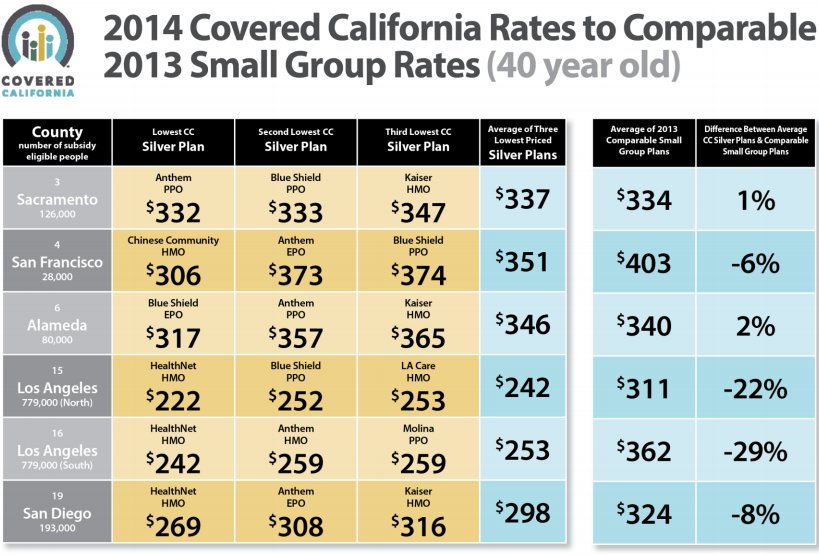
These subsidies are a game-changer for many individuals and families, including digital nomads or those transitioning to a new lifestyle in California, making quality health insurance accessible even on a tighter budget. It’s always recommended to apply through Covered California to see what financial assistance you might be eligible for.
Family Size and Specific Needs
The number of individuals covered on a plan naturally impacts the overall cost. A single person’s plan will be less expensive than a plan covering a family of three or more. Additionally, specific medical needs can influence your choice of plan and potentially your overall healthcare expenses. While insurance companies cannot deny coverage or charge more for pre-existing conditions under the ACA, individuals with ongoing health concerns might opt for plans with lower deductibles and co-pays (like Gold or Platinum) to manage frequent doctor visits or prescription costs more predictably. Considering these factors is crucial when planning a family trip or a long-term stay, ensuring everyone’s health and wellbeing are adequately protected.
Navigating Your Options: Where to Find Coverage in California
Once you understand the factors influencing health insurance costs, the next step is to explore the avenues available for securing coverage in California. For both short-term visitors considering a longer stay and permanent residents, several primary options exist, each with its own advantages.
Covered California: The State Exchange
The most prominent and recommended channel for individuals and families to obtain health insurance in California is Covered California. As the state’s official health insurance marketplace, it serves several crucial functions:
- Plan Comparison: Covered California allows you to compare a wide array of health plans from various participating insurance companies, all in one place. You can filter by plan type (HMO, PPO), metal tier (Bronze, Silver, Gold, Platinum), and even specific carriers.
- Access to Subsidies: This is the only place where eligible individuals and families can apply for and receive federal Premium Tax Credits and Cost-Sharing Reductions, significantly lowering the out-of-pocket cost of health insurance.
- Quality Assurance: All plans offered through Covered California meet the essential health benefits requirements mandated by the Affordable Care Act, ensuring comprehensive coverage.
- Enrollment Periods: Typically, there is an annual Open Enrollment Period (usually from November 1st to January 31st). However, you may qualify for a Special Enrollment Period if you experience a qualifying life event, such as moving to California, losing other coverage, getting married, or having a baby. This is particularly relevant for those making a lifestyle change or planning a longer accommodation stay.
For those planning to immerse themselves in Californian tourism or embrace a new lifestyle, checking eligibility for subsidies through Covered California is almost always the first and most beneficial step.
Direct from Insurers & Other Avenues
While Covered California is generally the best place to find individual and family plans due to subsidies, you can also purchase plans directly from insurance companies outside the marketplace. However, if you buy directly, you will not be eligible for premium tax credits or cost-sharing reductions, making the plans significantly more expensive for most people.
Several major insurance providers operate in California, offering a variety of plans both on and off the exchange:
- Kaiser Permanente: Known for its integrated healthcare system, where doctors and hospitals are part of the same organization.
- Blue Shield of California: A non-profit health plan provider.
- Anthem Blue Cross: One of the largest for-profit health benefits companies.
- Health Net: Offers a range of plans including HMO, PPO, and EPO.
- L.A. Care Health Plan: Focuses on providing access to quality healthcare for low-income residents in Los Angeles County.
- Molina Healthcare: Specializes in government-sponsored programs like Medi-Cal and Medicare.
- Oscar Health: A newer, technology-driven insurance company.
Beyond these traditional routes, there are other considerations depending on your situation:
- Employer-Sponsored Plans: If you are moving to California for a job, your employer will likely offer health insurance as part of your benefits package. These plans often provide excellent coverage at a lower cost because employers typically subsidize a significant portion of the premiums.
- Medi-Cal: California’s Medicaid program, Medi-Cal, provides free or low-cost health coverage for low-income adults, children, pregnant women, and people with disabilities. Eligibility is based strictly on income and household size.
- Short-Term Health Insurance: These plans are generally not recommended for long-term stays or as a primary health insurance solution. They are typically much cheaper but offer very limited coverage, often exclude pre-existing conditions, and do not comply with ACA requirements. They are intended for very specific, temporary gaps in coverage. For those on a travel visa, they rarely suffice for comprehensive coverage.
- Travel Insurance vs. Long-Term Health Insurance: For tourists on short trips, robust travel insurance that includes medical emergencies is usually sufficient. However, for extended stays (e.g., several months to a year or more), travel insurance typically won’t provide the comprehensive coverage of a state-compliant health insurance plan. If you’re establishing a temporary residence for lifestyle reasons, proper health insurance is a must.

Practical Considerations for a Californian Lifestyle
Integrating health insurance into your Californian lifestyle is about more than just numbers; it’s about peace of mind and the freedom to fully embrace all the state has to offer. Whether you’re planning an active exploration of the state’s many landmarks, indulging in luxury travel experiences, or settling into a long-term accommodation for work or leisure, adequate health coverage is foundational.
Consider your chosen lifestyle in California. If you’re an outdoor enthusiast planning to hike in Joshua Tree National Park, surf the waves off Malibu, or ski in Lake Tahoe, a plan with a robust network and perhaps a lower deductible might be prudent. Accidents, while rare, can happen, and knowing you’re covered for emergency care, whether it’s a sprained ankle or something more serious, allows you to enjoy these activities without undue financial stress. Similarly, for families enjoying attractions like the Golden Gate Bridge or venturing into the vibrant culture of Hollywood, comprehensive coverage ensures routine care and unexpected needs are managed seamlessly.
Beyond physical health, many plans now offer robust mental health services and wellness programs. California, with its emphasis on wellbeing and healthy living, often sees a high demand for such services. Ensuring your plan covers therapy, counseling, or other mental health support can be a vital component of maintaining a balanced and enjoyable lifestyle, especially for those navigating the changes of relocation or extended travel.
For digital nomads, the portability and network coverage of your plan are particularly important. If your “home base” shifts between vibrant urban centers like Oakland or Long Beach and more tranquil resort towns, a PPO plan might offer the flexibility you need to access care wherever your wanderlust takes you. Always check the provider network of your chosen plan to ensure it covers the areas you frequent most.
Finally, remember that health insurance is an investment in your future Californian adventures. It protects your finances from potentially devastating medical bills, allowing you to allocate your budget towards experiences, hotels, and tourism opportunities that truly enrich your stay. By taking the time to understand your options and choose wisely, you’re not just buying a policy; you’re buying the peace of mind to truly live out your Californian dream.
In conclusion, determining “how much is health insurance in California” is a multi-faceted question with no single answer. It hinges on individual circumstances, from age and income to chosen lifestyle and location. However, by leveraging resources like Covered California, understanding the different plan types, and considering your personal needs, you can find affordable and comprehensive coverage. This essential planning ensures that your journey, whether it’s for a temporary stay or a permanent move, is met with security and the freedom to explore every corner of the Golden State with confidence and good health.
LifeOutOfTheBox is a participant in the Amazon Services LLC Associates Program, an affiliate advertising program designed to provide a means for sites to earn advertising fees by advertising and linking to Amazon.com. Amazon, the Amazon logo, AmazonSupply, and the AmazonSupply logo are trademarks of Amazon.com, Inc. or its affiliates. As an Amazon Associate we earn affiliate commissions from qualifying purchases.