
Florida, often celebrated for its sun-drenched beaches, vibrant cities like Miami and Orlando, and a lifestyle synonymous with warmth and leisure, attracts millions seeking a permanent or long-term stay. Whether you’re considering moving to the Sunshine State for retirement, career opportunities, or simply a change of scenery, understanding the cost and complexities of health insurance is paramount to safeguarding your financial well-being and ensuring peace of mind. For many, health coverage is not just a necessity but a cornerstone of a stable and healthy lifestyle, impacting everything from routine check-ups to unexpected medical emergencies.
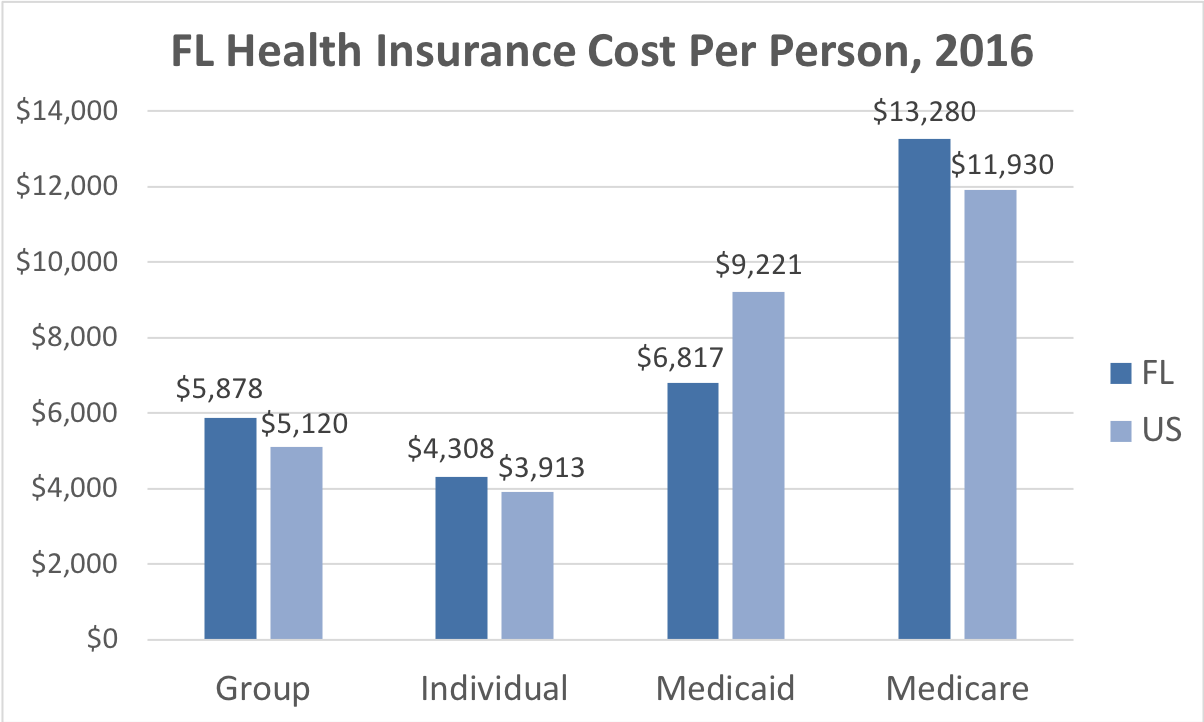
Navigating the healthcare landscape in any state can be challenging, and Florida is no exception. The cost of health insurance is influenced by a myriad of factors, making it a highly personalized expense. This comprehensive guide will delve into the intricacies of health insurance costs in Florida, offering insights into what you can expect to pay, the types of plans available, and strategic approaches to finding coverage that aligns with your specific lifestyle needs and budget. Our aim is to provide a professional, insightful, and engaging overview that empowers you to make informed decisions about your health insurance in Florida.
Understanding the Florida Health Insurance Landscape
Before diving into specific costs, it’s crucial to grasp the fundamental structure of health insurance in Florida. The state operates within the framework of the national healthcare system, primarily influenced by the Affordable Care Act (ACA), also known as Obamacare. This means residents have access to various avenues for obtaining coverage, each with its own set of rules, benefits, and price points.
The Basics of Health Insurance in the Sunshine State
At its core, health insurance provides financial protection against high medical costs. Instead of paying the full amount for healthcare services out-of-pocket, you pay a regular premium to an insurance company. In return, the insurer covers a portion of your medical expenses, typically after you’ve met a deductible. Essential components of any health insurance plan include:
- Premiums: The monthly payment you make to your insurance provider.
- Deductibles: The amount you must pay for covered healthcare services before your insurance plan starts to pay.
- Copayments: A fixed amount you pay for a covered service after you’ve paid your deductible.
- Coinsurance: Your share of the cost for a covered healthcare service, calculated as a percentage of the allowed amount for the service.
- Out-of-pocket maximum: The most you have to pay for covered services in a plan year. After you reach this amount, your insurance company pays 100% of the costs for covered benefits.
Florida’s health insurance market is robust, with numerous providers offering a diverse range of plans. This competition can be beneficial for consumers, offering choices that cater to different needs, from basic catastrophic coverage to comprehensive plans with extensive networks and lower out-of-pocket costs.
Key Factors Influencing Premiums
The cost of health insurance premiums in Florida is not uniform. Several variables play a significant role in determining how much you’ll pay:
- Age: Generally, older individuals pay higher premiums than younger individuals, as they are statistically more likely to require medical care. The ACA allows insurers to charge older adults up to three times more than younger adults.
- Location within Florida: Premiums can vary based on your specific county or even zip code. Areas with higher healthcare costs or fewer providers may see higher premiums. For instance, residents in metropolitan areas like Miami or Tampa might experience different pricing compared to those in more rural parts of the state.
- Tobacco Use: Smokers and tobacco users typically face higher premiums, as permitted under ACA regulations (up to 50% more).
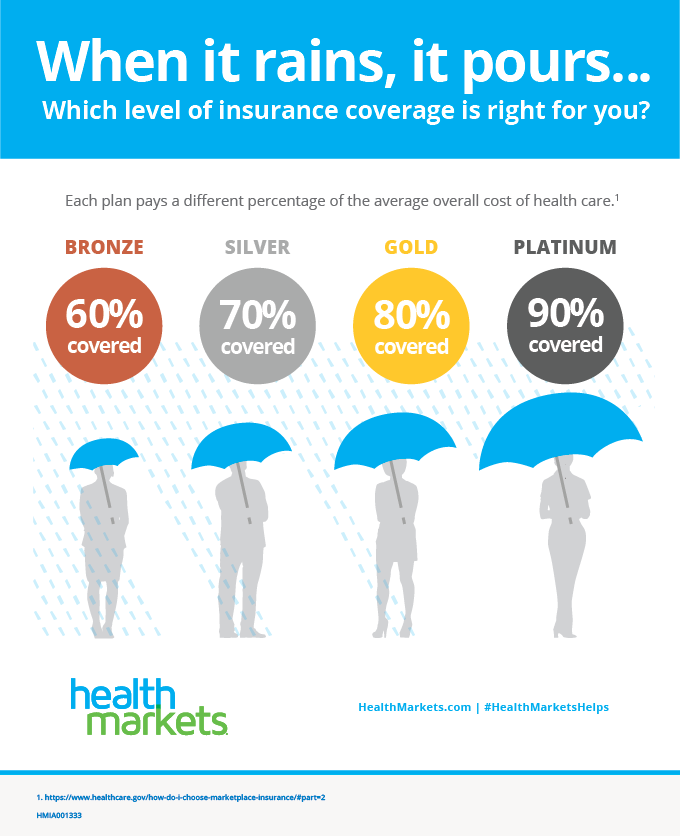
- Plan Category (Metal Tiers): Health insurance plans are categorized into “metal tiers” (Bronze, Silver, Gold, Platinum) based on how costs are split between you and your insurance company. Bronze plans have the lowest premiums but the highest out-of-pocket costs, while Platinum plans have the highest premiums but the lowest out-of-pocket costs.
- Household Size and Income: These factors determine eligibility for subsidies, which can significantly reduce your net premium cost.
- Type of Plan: The structure of the plan (e.g., HMO, PPO) affects both flexibility and cost.
Understanding these factors is the first step in estimating your potential health insurance expenses and identifying opportunities for cost savings.
Types of Health Insurance Plans Available in Florida
Florida residents have access to a variety of health insurance plans, each designed to meet different needs and financial situations. Knowing the distinctions between these options is critical for choosing the best coverage.
Marketplace Plans (ACA)
For individuals and families who don’t receive health insurance through an employer or government program, the Health Insurance Marketplace, accessible via HealthCare.gov, is the primary avenue. This marketplace offers plans that comply with the ACA, ensuring coverage for essential health benefits like emergency services, prescription drugs, mental health services, and preventive care.
Crucially, many Florida residents qualify for financial assistance, such as premium tax credits (subsidies) and cost-sharing reductions, based on their household income. These subsidies can significantly lower the monthly premiums and out-of-pocket expenses, making comprehensive coverage more affordable. Eligibility for subsidies generally extends to those with incomes between 100% and 400% of the federal poverty level. Due to recent legislative changes, more individuals and families may now qualify for assistance, or receive larger subsidies, further impacting the “real” cost of insurance.
Employer-Sponsored Coverage
Many Florida residents obtain health insurance through their employers. Employer-sponsored plans often provide competitive benefits because companies can leverage group purchasing power. In these cases, the employer typically covers a substantial portion of the premium, making it a highly attractive option. The specific plans and costs will vary widely depending on the employer, but they usually include choices between various plan types like HMOs, PPOs, EPOs, and POS plans. If you are employed in Florida, checking your employer’s offerings should be your first step.
Short-Term Health Insurance and Other Alternatives
Beyond traditional ACA plans and employer coverage, Florida also offers alternative options, though they come with important caveats:
- Short-Term Health Insurance: These plans offer temporary coverage, typically ranging from a few months up to a year. They are often less expensive than ACA plans but do not cover essential health benefits, may exclude pre-existing conditions, and are not subject to the same consumer protections. They can be suitable for individuals in transition (e.g., between jobs or waiting for other coverage to start) but are not recommended as long-term solutions.
- Medicaid & Medicare: For qualifying low-income individuals and families, Medicaid provides comprehensive health coverage. Florida has specific income and eligibility requirements for Medicaid. For seniors aged 65 and older, or certain younger individuals with disabilities, Medicare is the federal health insurance program.
- Catastrophic Plans: Available to individuals under 30 or those with hardship exemptions, these plans offer very low premiums but extremely high deductibles, primarily protecting against major medical emergencies.
It’s crucial to thoroughly understand the limitations of short-term plans and other alternatives before enrolling, especially if comprehensive coverage for a wide range of medical needs is a priority for your lifestyle.
Navigating Costs: What to Expect in Florida
Determining the exact cost of health insurance in Florida without specific personal details is impossible, but we can outline general expectations and the factors that drive average costs.
Average Premiums and Deductibles
For individual ACA marketplace plans in Florida, monthly premiums can vary significantly. As of recent data, without subsidies, a 40-year-old individual might see average premiums ranging from approximately $350 for a Bronze plan to over $700 for a Gold plan. These are general averages, and actual costs depend heavily on the specific county and insurer. For families, these costs multiply based on the number of covered individuals.
Deductibles also vary by plan tier. Bronze plans typically have high deductibles, often several thousands of dollars, while Gold and Platinum plans feature much lower deductibles. For example, a Bronze plan might have a deductible of $7,000 or more, while a Gold plan might have a deductible under $2,000. It’s essential to consider not just the monthly premium but also the deductible and out-of-pocket maximum when budgeting for healthcare, as these determine your financial exposure in case of illness or injury.
Impact of Age, Location, and Lifestyle Choices
As mentioned, age is a primary driver of premiums. A 25-year-old in Tallahassee will likely pay significantly less than a 60-year-old in Jacksonville for a comparable plan. Geographical location also plays a role due to variations in healthcare costs, competition among insurers, and local regulations. Major metropolitan areas like Orlando and Tampa may have more competitive markets but also potentially higher costs of living that influence premiums.
Your lifestyle choices, particularly tobacco use, will directly impact your premiums. Engaging in healthy habits can indirectly benefit your health insurance costs by reducing the likelihood of needing extensive medical care, though this is primarily reflected in long-term health outcomes rather than immediate premium reductions (except for tobacco use). Selecting a plan that encourages wellness, such as one with free preventive care benefits, aligns well with a proactive health-conscious lifestyle.
Financial Assistance and Subsidies
The most impactful factor in determining your actual health insurance cost in Florida is your eligibility for financial assistance through HealthCare.gov. Many Florida residents qualify for premium tax credits that can substantially reduce their monthly premiums. These credits are paid directly to the insurance company, lowering the amount you owe each month.
Additionally, individuals and families with incomes up to 250% of the federal poverty level may qualify for cost-sharing reductions (CSRs) if they enroll in a Silver plan. CSRs reduce your out-of-pocket costs, such as deductibles, copayments, and coinsurance, making healthcare more accessible. It’s imperative to explore these subsidy options during the open enrollment period or if you experience a qualifying life event, as they can transform an seemingly expensive plan into an affordable and robust option, fitting seamlessly into your financial lifestyle planning for Florida living.
Strategic Planning for Florida Residents
Choosing health insurance in Florida isn’t just about finding the cheapest plan; it’s about finding the right plan that offers adequate protection, fits your budget, and supports your lifestyle. Strategic planning is key to navigating this complex market effectively.
Choosing the Right Plan for Your Lifestyle
Consider your typical healthcare needs and how they align with your lifestyle:
- Healthy Individuals with Minimal Healthcare Needs: A Bronze or high-deductible Silver plan, especially with an HMO structure, might offer the lowest premiums, suitable for those who rarely visit the doctor but want protection against catastrophic events. If you’re generally healthy and live an active lifestyle, this could be a cost-effective choice.
- Individuals with Moderate Healthcare Needs: If you have chronic conditions, take regular prescriptions, or anticipate several doctor visits annually, a Silver or Gold plan might be more appropriate. A Silver plan with cost-sharing reductions (if eligible) can be particularly beneficial, balancing premiums with lower out-of-pocket costs. A PPO plan might offer more flexibility if you frequently travel within Florida or need to see specialists without referrals.
- Families or Those with Significant Healthcare Needs: Gold or Platinum plans often come with higher premiums but lower deductibles and out-of-pocket maximums, making them ideal for families with children or individuals with extensive medical needs. These plans provide greater financial predictability and can align with a lifestyle that prioritizes comprehensive care and reduced financial risk from healthcare expenses.
Also, think about your preferred type of network:
- HMO (Health Maintenance Organization): Typically lower premiums, requires a primary care physician (PCP) and referrals for specialists.
- PPO (Preferred Provider Organization): Higher premiums, more flexibility to see specialists without referrals, and allows out-of-network care (at a higher cost).
- EPO (Exclusive Provider Organization): Similar to HMO but no need for a PCP referral for specialists, though generally no coverage for out-of-network care.
- POS (Point of Service): A hybrid of HMO and PPO, requiring PCP referrals but offering some out-of-network coverage.
Tips for Reducing Health Insurance Costs
Even after considering all factors, there are proactive steps you can take to manage your health insurance expenses:
- Utilize Subsidies: Always apply for financial assistance through HealthCare.gov during open enrollment. Even if you think you might not qualify, checking is always worthwhile.
- Compare Plans Annually: Health insurance plans and prices change every year. Don’t simply auto-renew. Compare new offerings and your current plan to ensure you’re still getting the best value.
- Consider a High-Deductible Plan with an HSA (Health Savings Account): If you’re relatively healthy, a high-deductible health plan (HDHP) paired with an HSA can be a powerful tool. HSAs allow you to save money tax-free for medical expenses, potentially reducing your taxable income.
- Stay In-Network: To avoid higher costs, always verify that your doctors, hospitals, and pharmacies are within your plan’s network.
- Focus on Preventive Care: Take advantage of free preventive services offered by all ACA-compliant plans. Regular check-ups and screenings can catch health issues early, preventing more costly treatments down the line, which aligns with a healthy Florida lifestyle.
The Importance of Open Enrollment and Staying Informed
Open Enrollment is the annual period when you can sign up for, change, or re-enroll in a health insurance plan through the marketplace. In Florida, this typically runs from November 1st to January 15th for coverage starting the following year. Missing this window means you generally cannot enroll in a new plan unless you experience a qualifying life event (e.g., marriage, birth of a child, loss of other coverage).
Staying informed about changes in healthcare policy, new plan offerings, and your eligibility for financial aid is crucial. Resources like HealthCare.gov and independent insurance brokers can provide up-to-date information and personalized guidance. Proactively managing your health insurance is a vital part of maintaining a secure and enjoyable lifestyle in Florida, ensuring that unexpected health challenges don’t derail your financial stability or peace of mind.
Ultimately, the cost of health insurance in Florida is a variable that demands careful consideration and personalized research. By understanding the factors at play, exploring all available options, and utilizing financial assistance where applicable, you can secure comprehensive coverage that protects your health and aligns perfectly with your Florida lifestyle.
LifeOutOfTheBox is a participant in the Amazon Services LLC Associates Program, an affiliate advertising program designed to provide a means for sites to earn advertising fees by advertising and linking to Amazon.com. Amazon, the Amazon logo, AmazonSupply, and the AmazonSupply logo are trademarks of Amazon.com, Inc. or its affiliates. As an Amazon Associate we earn affiliate commissions from qualifying purchases.