
Securing a long-term stay or establishing permanent residency in Florida offers an alluring promise of sunshine, beaches, and a vibrant lifestyle. Whether considering a vacation home, an investment property, or a primary residence, the financial implications extend beyond the purchase price or rental agreement. A fundamental, often overlooked, aspect of owning or occupying any accommodation in the Sunshine State is the cost of home insurance. Understanding how much house insurance costs in Florida is not just a matter of budgeting; it’s a critical component of responsible property ownership and peace of mind in a region known for its unique environmental challenges. This insight delves into the multifaceted factors that drive insurance premiums, providing a comprehensive overview for prospective and current homeowners navigating Florida’s dynamic insurance market.
Understanding the Unique Accommodation Landscape of Florida
Florida stands out as a prime destination for long-term accommodation due to its diverse attractions, robust economy, and favorable climate for much of the year. From the bustling metropolitan areas of Miami and Orlando to the tranquil coastal towns, the state offers a wide array of living experiences. However, this appeal comes with specific considerations, particularly regarding property protection. The state’s geographical position, nearly surrounded by water, makes it susceptible to a range of natural phenomena, primarily hurricanes, but also tropical storms, floods, and sinkholes. These environmental factors significantly shape the risk profile for properties and, consequently, the cost and availability of accommodation insurance. Protecting one’s significant investment, whether a single-family home, condominium, or townhouse, through adequate insurance coverage is paramount for any long-term resident or property owner in Florida.
Key Factors Influencing Accommodation Insurance Costs in the Sunshine State
The price of house insurance in Florida is rarely a one-size-fits-all figure. A multitude of variables contribute to the final premium, reflecting the specific risks associated with each property and its location. Insurers meticulously evaluate these factors to determine the likelihood and potential severity of a claim.
The Peril of Hurricanes and Other Natural Disasters
Perhaps the most significant driver of insurance costs in Florida is the pervasive threat of hurricanes and tropical storms. Living in a state frequently in the path of Atlantic storm systems necessitates specialized coverage. Homeowner policies in Florida typically include a separate hurricane deductible, which is usually a percentage (2%, 5%, or even 10%) of the dwelling’s insured value, rather than a fixed dollar amount. This deductible applies specifically to damage caused by hurricanes.
Beyond wind damage, the risk of flooding is also a major concern, particularly in coastal and low-lying areas. It is crucial to note that standard homeowner’s policies do not cover flood damage. Homeowners in Florida often require a separate flood insurance policy, typically purchased through the National Flood Insurance Program (NFIP) or private carriers, especially if their property is in a designated flood zone. Sinkhole coverage is another unique Florida consideration, as the state’s limestone bedrock makes it prone to these geological events. While some basic sinkhole damage is covered by standard policies, catastrophic ground collapse coverage might be an add-on.
Age and Condition of Your Florida Home
The characteristics of the accommodation itself play a crucial role in determining insurance premiums. Newer homes, built to contemporary building codes, often feature enhanced hurricane-resistant construction, such as impact-resistant windows, reinforced roofs, and updated electrical and plumbing systems. These features reduce the likelihood of damage and, consequently, the cost of insurance. Older homes, conversely, may have higher premiums due to outdated construction, materials, and systems that are more vulnerable to damage and more costly to repair. A four-point inspection (HVAC, plumbing, electrical, roofing) and a wind mitigation inspection are often required for older homes and can reveal critical information that impacts rates. Updating an old roof or installing hurricane shutters can lead to significant premium reductions.
Location, Coverage Levels, and Personal Claims History
Where your accommodation is situated within Florida has a direct impact on rates. Properties closer to the coast in areas like Fort Lauderdale or Naples will almost invariably face higher premiums than those further inland in cities such as Gainesville or Tallahassee, simply due to increased exposure to storm surges and high winds. Even within a city, specific zip codes or proximity to fire hydrants can influence rates.
The amount and type of coverage selected also directly influence costs. Opting for a higher dwelling coverage amount, increased personal property coverage, or additional endorsements for specific perils will raise premiums. Conversely, choosing a higher deductible can lower your premium, but this means more out-of-pocket expense in the event of a claim. Finally, a homeowner’s claims history directly affects future rates. Multiple past claims can signal a higher risk to insurers, leading to increased premiums or even difficulty in securing coverage.
Average Costs and What to Expect for Florida Accommodation Insurance

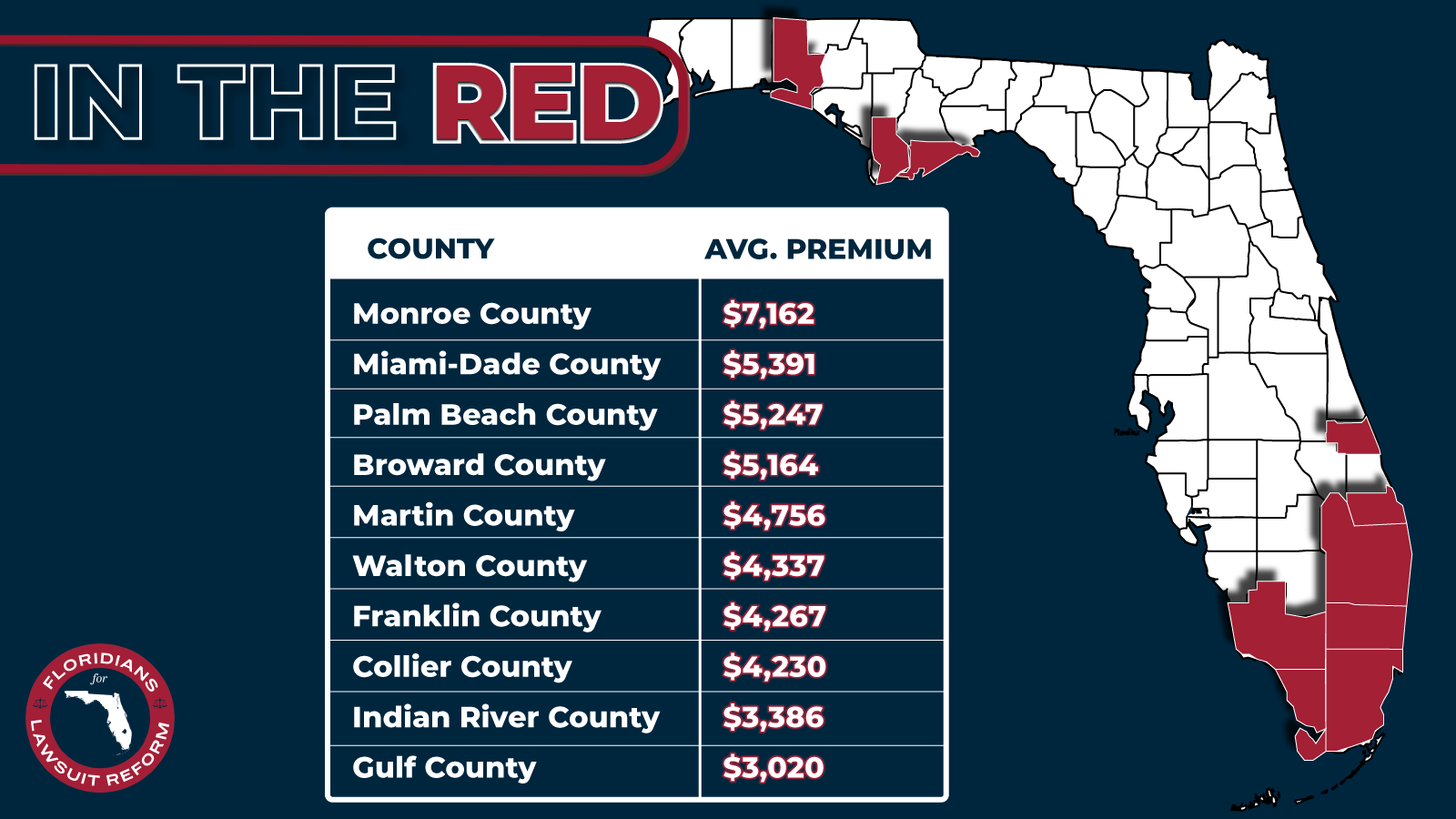
On average, Florida consistently ranks among the states with the highest, if not the highest, homeowner insurance premiums in the United States. While national averages for home insurance might hover around $1,500-$2,000 annually, Florida premiums can easily range from $3,000 to over $10,000 per year, with some properties in high-risk coastal zones exceeding even this higher range. It is crucial to understand that these figures are broad averages, and individual quotes can vary dramatically based on the factors discussed.
Regional Cost Variations Across Florida
The cost disparity across different regions of Florida is significant. For instance, homeowners in coastal cities such as Miami, Fort Lauderdale, Naples, or the Florida Keys often face premiums that are two to three times higher than those in less exposed inland areas. The average annual premium in a place like Miami could easily be $5,000-$7,000 or more, while a similar home in Tallahassee might be closer to $3,000-$4,000. These variations underscore the importance of obtaining specific quotes based on the exact property address.
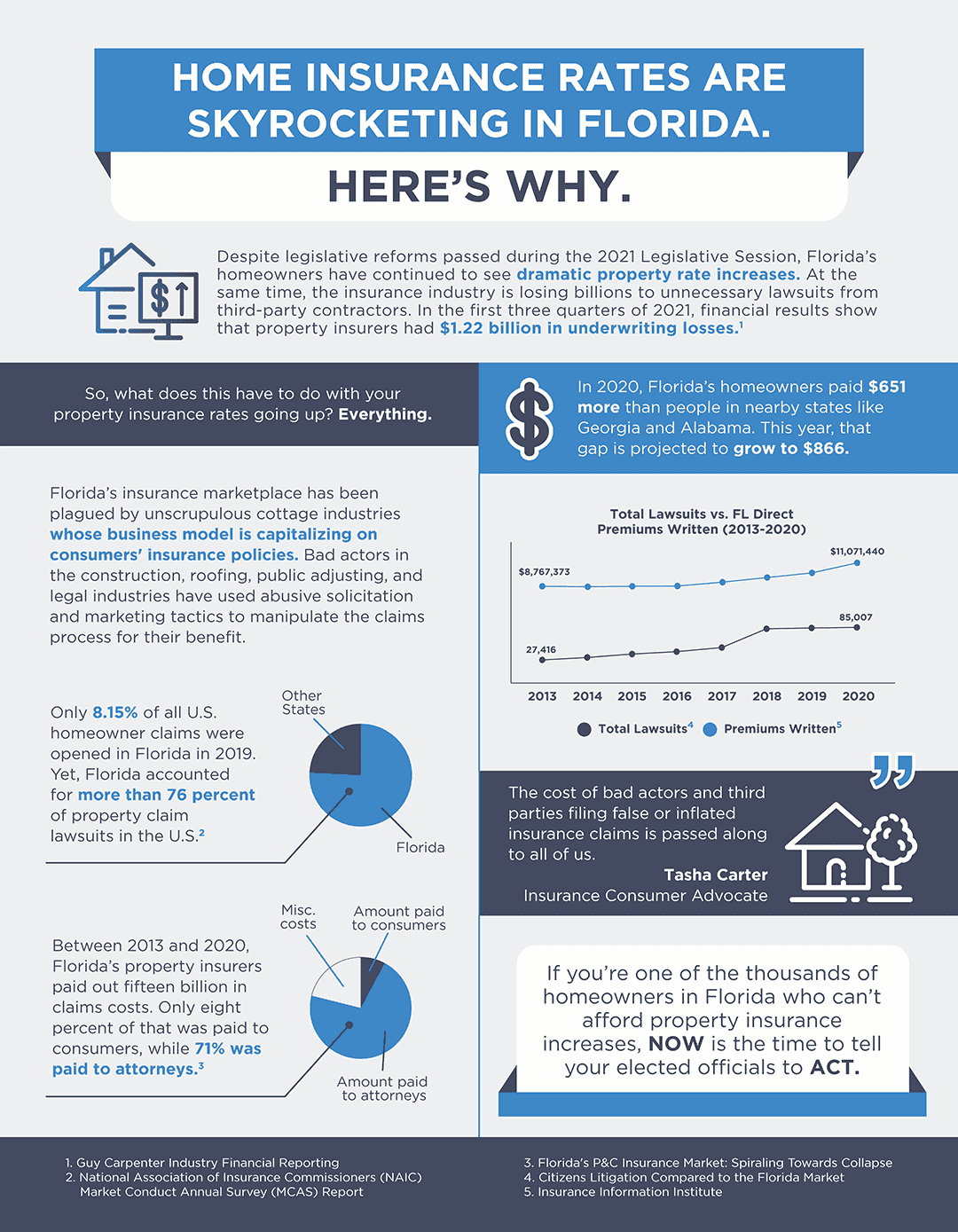
The increasing frequency and intensity of severe weather events, combined with rising reconstruction costs, have contributed to a challenging and sometimes volatile insurance market in Florida. Several private insurers have either left the state or significantly raised their rates, leading many homeowners to rely on Citizens Property Insurance Corporation, the state-backed insurer of last resort, which itself has faced pressure to raise rates to match market conditions.
Strategies for Reducing Your Florida Accommodation Insurance Premiums
Despite the high costs, several proactive strategies can help homeowners in Florida manage and potentially reduce their accommodation insurance premiums.
Proactive Home Hardening Measures
Investing in improvements that make your home more resilient to natural disasters is one of the most effective ways to lower insurance costs. This includes:
- Wind Mitigation Inspections: Getting a certified wind mitigation inspection can identify features that make your home more resistant to wind damage, such as a hip roof, roof-to-wall attachments, secondary water resistance, and impact-resistant windows or hurricane shutters. Discounts can be substantial.
- Roof Upgrades: Installing a new roof that meets current Florida building codes, especially one with a strong wind-resistance rating, can lead to lower premiums. Insurers often look for roofs installed within the last 10-15 years.
- Impact-Resistant Openings: Installing hurricane-rated windows, doors, and garage doors significantly reduces vulnerability to high winds and flying debris.
Maximizing Discounts and Adjusting Coverage
- Bundling Policies: Many insurers offer discounts if you combine your home insurance with other policies, such as auto insurance.
- Increasing Deductibles: While it means more out-of-pocket expense if you file a claim, opting for a higher deductible on your policy can lower your annual premium. This strategy requires careful consideration to ensure you can afford the higher deductible if a claim arises.
- Safety and Security Discounts: Installing smoke detectors, carbon monoxide detectors, security systems, and deadbolt locks can qualify for small but cumulative discounts.
- No Claims History: Maintaining a clean claims history over several years can also result in favorable rates.
Shopping Around and Seeking Expert Advice
Given the complexity and variability of the Florida insurance market, it is vital to shop around. Obtaining quotes from multiple insurance providers can reveal significant differences in pricing for comparable coverage. Working with an independent insurance agent who specializes in the Florida market is highly recommended. These agents have access to various carriers and can help homeowners compare policies, identify eligible discounts, and navigate the intricacies of coverage options, including understanding the nuances of private insurers versus Citizens Property Insurance Corporation.
Navigating the Florida Insurance Market for Your Accommodation
The landscape of house insurance in Florida is continuously evolving. Homeowners face challenges ranging from rising premiums to insurer withdrawals from the market. This dynamic environment underscores the importance of staying informed and proactively managing your policy. Regularly reviewing your coverage with your agent ensures it aligns with your home’s current value and your personal needs. As property values and reconstruction costs fluctuate, so too should your coverage amounts.
For anyone considering a long-term stay or property investment in Florida, understanding house insurance is as fundamental as selecting the right neighborhood or architectural style. While the costs may seem daunting compared to other states, recognizing the underlying factors and implementing strategic measures can make securing accommodation in the Sunshine State a more predictable and financially sound endeavor. The peace of mind that comes with adequate protection for your valuable asset is an essential part of the Florida lifestyle.
LifeOutOfTheBox is a participant in the Amazon Services LLC Associates Program, an affiliate advertising program designed to provide a means for sites to earn advertising fees by advertising and linking to Amazon.com. Amazon, the Amazon logo, AmazonSupply, and the AmazonSupply logo are trademarks of Amazon.com, Inc. or its affiliates. As an Amazon Associate we earn affiliate commissions from qualifying purchases.