
For anyone contemplating a visit, an extended stay, or even a move to the Lone Star State, understanding its financial landscape is often a key consideration. When asking “How much is income tax in Texas?” the answer is refreshingly straightforward: there is no state income tax in Texas. This singular fact profoundly shapes the state’s economic environment, impacting everything from the cost of living and the appeal for remote workers to the budgeting capabilities of travelers and the investment potential in its vibrant tourism and accommodation sectors.
This isn’t merely a dry fiscal detail; it’s a fundamental aspect that underpins the Texan lifestyle and its myriad opportunities for exploration, relaxation, and long-term living. For those with a keen interest in travel, luxurious hotel stays, unique tourism experiences, diverse accommodation options, iconic landmarks, or a particular lifestyle, the absence of state income tax in Texas creates a distinct advantage. It often translates into greater disposable income, which can then be channeled into experiencing the best that Texas has to offer—from indulging in world-class dining and cultural events to embarking on breathtaking adventures across its vast and varied landscapes.
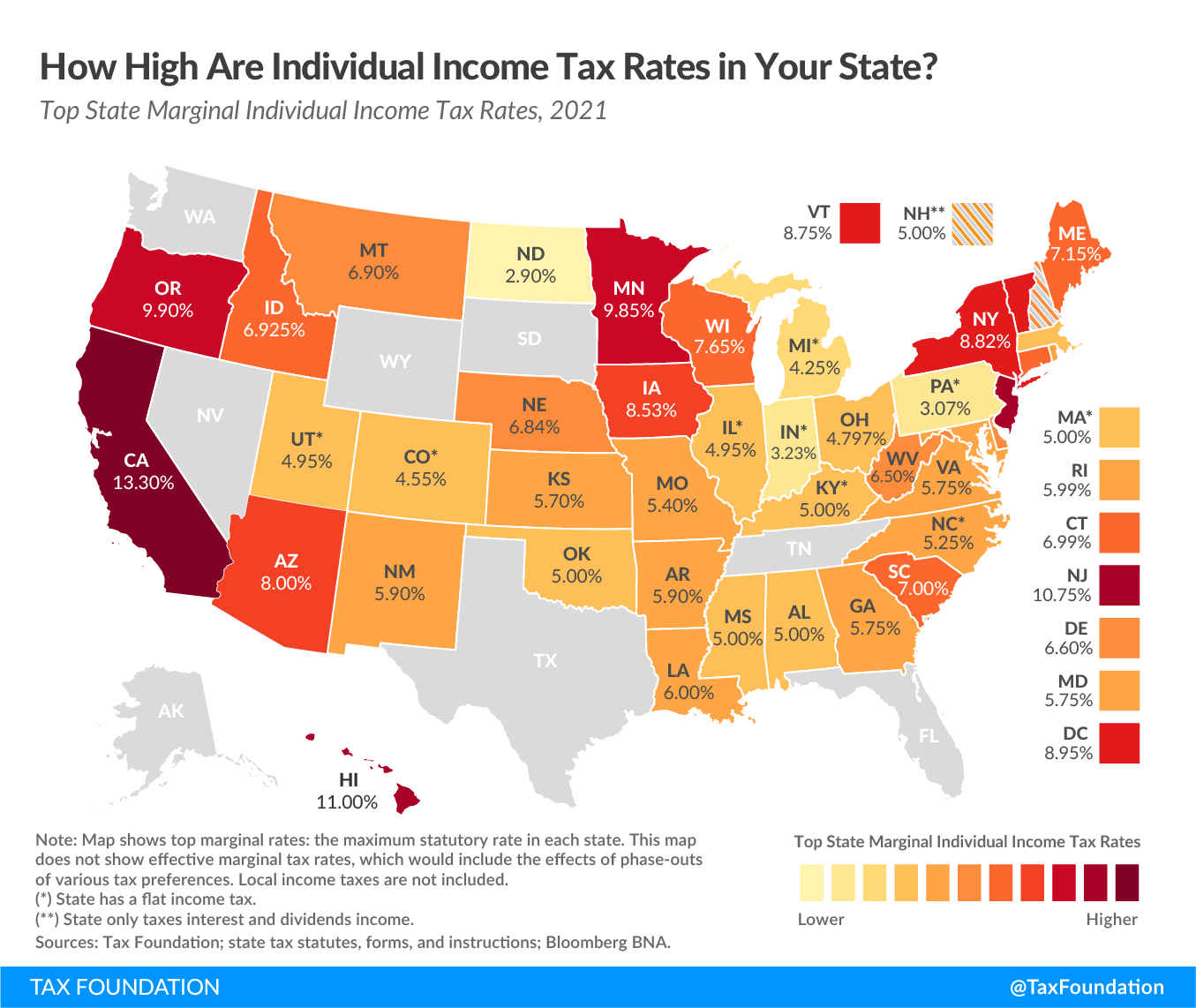
The implications of this tax structure extend beyond just personal finances, influencing the broader economy that supports Texas’s thriving travel and hospitality industries. It plays a role in attracting businesses, fostering a dynamic job market, and ultimately enhancing the infrastructure and amenities that draw millions of visitors each year. So, while the answer to the initial question is simple, its ripple effect on life, travel, and leisure in Texas is complex and overwhelmingly positive.
Texas’s Unique Tax Landscape: A Haven for Lifestyle Seekers and Travelers
The absence of a state income tax in Texas is not an accident; it’s a deliberate policy choice that has profoundly influenced the state’s growth and character. This unique tax landscape makes Texas an attractive destination not just for businesses, but also for individuals seeking a particular lifestyle, whether they are digital nomads, retirees, entrepreneurs, or families looking for a new adventure.
The Allure of No State Income Tax
The most direct benefit of having no state income tax is the increased disposable income for residents. This means more of your hard-earned money stays in your pocket, rather than being collected by the state based on your earnings. For individuals who are considering a longer stay, working remotely, or even relocating, this can be a significant financial boon. Imagine what you could do with an additional percentage of your income each year:
- Enhanced Travel Budgets: More funds can be allocated to exploring the diverse regions of Texas, from its bustling cities to its tranquil national parks. This could mean more frequent trips, longer stays, or opting for more premium experiences.
- Luxury Accommodation: The extra savings can make staying in a luxury hotel, a grand resort, or a unique boutique accommodation more feasible, elevating your travel experience.
- Investment in Experiences: Whether it’s attending a major sporting event, enjoying a high-end culinary tour, or participating in adventure activities, your increased purchasing power enhances your ability to invest in memorable experiences.
- Financial Flexibility for Long-Term Stays: For those contemplating an extended sabbatical, a temporary relocation for work, or retirement, the absence of state income tax can significantly improve the affordability of living in Texas for several months or even years. This allows individuals to immerse themselves fully in local culture, explore various communities, and truly experience the Texan way of life without the added burden of state income taxation.
This financial advantage is particularly appealing to remote professionals and digital nomads who can choose to live anywhere. Texas offers a compelling combination of economic freedom, diverse environments, and a robust infrastructure that supports this modern work-life balance. Entrepreneurs also find the state’s tax environment favorable, contributing to its dynamic business climate, which in turn fosters a wide array of amenities and services for both residents and tourists.
A Balanced Perspective: Understanding Other Taxes
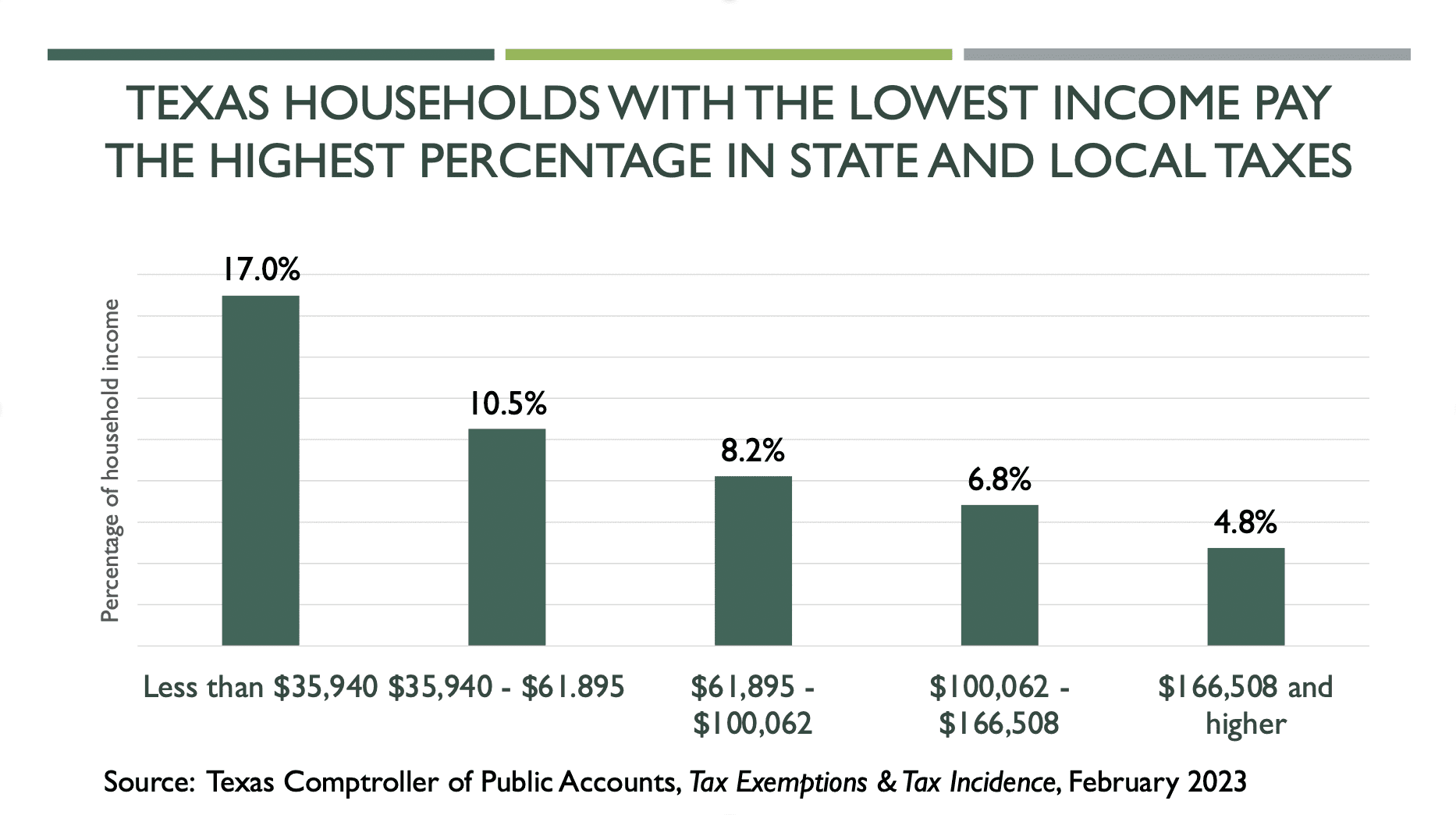
While the allure of no state income tax is strong, it’s crucial to understand that “no state income tax” does not equate to “no taxes” at all. Texas, like every other state, funds its public services through other revenue streams. A comprehensive understanding of these other taxes is essential for any traveler, potential resident, or investor to truly grasp the overall financial picture.
The primary ways Texas generates revenue are through sales taxes and property taxes.
- Property Taxes: Generally, property taxes in Texas are higher than the national average. These taxes are levied at the local level by counties, cities, school districts, and other special districts. The rates can vary significantly depending on the specific location. For example, property tax rates in major metropolitan areas like Houston, Dallas, and Austin might differ considerably from those in smaller towns or rural areas. For individuals considering purchasing real estate, whether for a primary residence, a vacation home, or an investment property for accommodation purposes, understanding these rates is paramount. High property taxes can impact the overall cost of living and the long-term viability of owning property, making careful research into specific locales essential.
- Sales Tax: Texas has a state sales tax rate of 6.25%. However, local jurisdictions (cities, counties, and special purpose districts) can add up to an additional 2%, bringing the maximum combined sales tax rate to 8.25% in many areas. This sales tax applies to most retail purchases, including goods, certain services, and restaurant meals. For travelers, this means that the cost of dining out, shopping for souvenirs, or purchasing tickets to attractions will include this sales tax. While it’s an everyday expense, for visitors coming from states with lower or no sales tax, it’s a factor to consider when budgeting for their trip.
Other taxes, such as fuel taxes, alcohol and tobacco taxes, and various excise taxes, also contribute to the state’s revenue. While these are typically less impactful on overall budgeting for most travelers or residents compared to property and sales taxes, they are part of the broader fiscal environment. The key takeaway is that Texas balances its lack of an income tax with other forms of taxation, creating a unique financial ecosystem that, for many, still represents a net benefit due to the absence of direct taxation on earnings.
Unlocking Texas’s Travel and Accommodation Potential with Financial Savvy
The strategic financial environment in Texas, particularly the absence of state income tax, offers a tangible advantage for both visitors and potential long-term residents. This increased financial flexibility can be strategically leveraged to enhance travel experiences and explore a wider array of accommodation options across the state.
Investing in Experiences: Where Your Savings Can Take You
With more disposable income at hand, either from the lack of income tax for residents or simply from efficient budgeting for visitors, the possibilities for enriching your Texas adventure are vast. This financial freedom allows for a deeper dive into the state’s diverse offerings, from indulging in luxurious escapes to embarking on unique, immersive cultural journeys.
- Luxury Travel and High-End Stays: The savings can easily be redirected towards more opulent experiences. Imagine spending a weekend at The Ritz-Carlton, Dallas, renowned for its impeccable service and prime location in the city’s vibrant Uptown area. Or perhaps a lavish stay at Hotel ZaZa Houston Museum District, known for its themed suites and sophisticated ambiance right in the heart of Houston’s cultural hub. In San Antonio, the historic and exquisitely designed Hotel Emma, a former 19th-century brewery, offers a unique blend of industrial chic and luxury along the Riverwalk. These aren’t just places to sleep; they are destinations in themselves, offering world-class amenities, gourmet dining, and unparalleled service that transform a trip into an unforgettable experience.
- Adventure and Outdoor Exploration: For the more adventurous spirit, increased funds can facilitate epic journeys to Texas’s natural wonders. Explore the majestic canyons and rugged mountains of Big Bend National Park, where remote beauty and stunning desert landscapes await. Or perhaps a trip to Padre Island National Seashore, the longest undeveloped barrier island in the world, perfect for birdwatching, fishing, and shelling. These trips often require specialized gear, guided tours, or extended stays, which become more accessible with a favorable financial outlook.
- Culinary Tourism and Cultural Immersion: Texas boasts a legendary culinary scene, from authentic Tex-Mex and mouth-watering BBQ to innovative fine dining. With more financial freedom, you can explore renowned BBQ joints in places like Lockhart, often hailed as the “BBQ Capital of Texas,” or savor gourmet meals in the vibrant food scenes of Austin or Houston. Furthermore, attending live music events in Austin, exploring the vast art collections in the Museum District of Houston, or delving into the rich history of San Antonio becomes more feasible and enjoyable.
Accommodation Choices: From Urban Suites to Rustic Retreats
The state’s economic landscape, partly shaped by its tax policies, contributes to a diverse and competitive accommodation market. This diversity means that visitors and long-term stay individuals can find options that perfectly suit their budget, style, and travel goals.
- Hotels and Resorts: Texas offers an extensive range of hotels, from budget-friendly options to opulent resorts. Major cities like Dallas-Fort Worth, Houston, Austin, and San Antonio are home to international chains, boutique hotels, and luxury resorts that cater to every preference. Many of these properties offer amenities such as spas, golf courses, and exquisite dining, providing a complete travel experience. For families, numerous resorts offer kid-friendly activities and facilities, ensuring an enjoyable stay for all ages.
- Apartments and Villas for Extended Stays: The concept of no state income tax often encourages longer stays, whether for remote work, a sabbatical, or simply a more in-depth exploration of the state. For these longer durations, serviced apartments, vacation rentals, and villas become highly attractive. These options often provide more space, kitchen facilities, and a home-like environment, which can be more cost-effective and comfortable than traditional hotels for weeks or months. Websites specializing in accommodation bookings offer a wide selection of these types of properties, allowing travelers to compare options, read reviews, and find the perfect fit for their needs.
- Unique and Niche Accommodations: Beyond standard hotels, Texas also excels in offering unique accommodation experiences that align with its diverse landscapes and cultures. This includes glamping sites in the Hill Country, historic bed and breakfasts in charming small towns, authentic ranch stays where you can experience cowboy life, and even treehouses or tiny homes in scenic locations. These niche options provide memorable stays that go beyond the ordinary, appealing to travelers looking for something truly distinctive. The financial freedom afforded by the Texas tax structure can make these unique, often slightly higher-priced, experiences more attainable.
The interplay between Texas’s tax structure and its tourism and accommodation sectors creates a mutually beneficial cycle. The favorable financial environment attracts more people, who then invest their disposable income into exploring the state, supporting its hospitality businesses, and fostering an ever-evolving landscape of travel and living opportunities.
Iconic Destinations and Lifestyles Shaped by the Lone Star State’s Appeal
The unique appeal of Texas, heavily influenced by its economic environment, translates into a vibrant tapestry of iconic destinations and diverse lifestyles. From bustling urban centers to serene natural wonders, the state offers a rich array of experiences, all benefiting from a climate that encourages both prosperity and exploration.
Exploring Texas’s Diverse Landscapes and Cityscapes
Texas is a state of immense scale and variety, offering everything from sophisticated city life to rugged wilderness. The economic freedom afforded by its tax structure helps support the development and maintenance of these attractions, making them accessible and appealing to a broad audience.
- Austin: Known as the “Live Music Capital of the World,” Austin is a dynamic hub for culture, technology, and outdoor activities. Visitors can enjoy kayaking or paddleboarding on Lady Bird Lake, explore the vibrant nightlife on Sixth Street, or delve into the city’s burgeoning culinary scene. The city’s relaxed, yet energetic, vibe attracts a diverse crowd, from tech entrepreneurs to artists, all drawn to its unique blend of urban sophistication and natural beauty.
- Dallas-Fort Worth: This sprawling metropolitan area offers a dual experience. Dallas is a cosmopolitan city renowned for its upscale shopping, world-class museums, and the impressive Dallas Arts District, home to institutions like the Dallas Museum of Art and the Nasher Sculpture Center. Just a short drive away, Fort Worth embraces its Western heritage, most famously at the Fort Worth Stockyards National Historic District, where visitors can witness daily cattle drives and experience a true taste of cowboy life. The region’s robust economy and diverse job market make it a magnet for those seeking both urban amenities and a connection to Texas’s rich past.
- Houston: As the most populous city in Texas, Houston is a global metropolis known for its energy industry, diverse population, and significant contributions to space exploration. Space Center Houston, the official visitor center for NASA’s Johnson Space Center, is a must-visit landmark. The city also boasts a vibrant arts scene, with the Museum District offering a cluster of world-class institutions, and an incredibly diverse culinary landscape reflecting its multicultural residents. Houston’s economic strength translates into a wealth of amenities and attractions, making it a powerful draw for tourism and business.
- San Antonio: Rich in history and culture, San Antonio is perhaps best known for The Alamo, a symbol of Texan independence, and its picturesque Riverwalk, a vibrant network of walkways along the San Antonio River lined with shops, restaurants, and hotels. The city is also home to the San Antonio Missions National Historical Park, a UNESCO World Heritage Site showcasing well-preserved 18th-century Spanish colonial missions. San Antonio offers a unique blend of historical significance, romantic charm, and lively cultural experiences.
- Natural Wonders: Beyond its cities, Texas offers awe-inspiring natural landscapes. Big Bend National Park in West Texas is a testament to rugged beauty, with dramatic mountain ranges, vast desert expanses, and the winding Rio Grande. Guadalupe Mountains National Park features the highest peak in Texas and stunning desert and mountain environments. For coastal escapes, Padre Island National Seashore offers miles of pristine beaches and diverse wildlife. These natural landmarks provide endless opportunities for hiking, camping, birdwatching, and simply connecting with nature, supported by robust state parks systems and conservation efforts.
The Texan Lifestyle: What No Income Tax Means for Daily Life
The absence of state income tax significantly impacts the daily life and overall lifestyle for Texans, contributing to a sense of financial empowerment and opportunity. This translates into various aspects of living that are appealing to both permanent residents and those considering a temporary stay.
- Purchasing Power and Quality of Life: With more of their gross income remaining in their pockets, Texans often enjoy greater purchasing power. This can lead to a higher quality of life, allowing individuals and families to afford better housing, more leisure activities, and a broader range of goods and services. For budget travelers or those looking to stretch their travel funds further, this means more value for their dollar when it comes to local spending.
- Entrepreneurial Spirit: The favorable tax environment fosters a strong entrepreneurial spirit. Texas is known for its robust business climate, attracting startups and established companies alike. This economic dynamism creates diverse job opportunities and a vibrant commercial sector, which in turn offers a rich array of services, dining, and entertainment options for residents and visitors.
- Diverse Lifestyles: Texas truly offers something for everyone. Whether you dream of a bustling urban life filled with arts and culture, a quiet suburban existence with excellent schools, a rural retreat on a sprawling ranch, or a relaxed coastal lifestyle, the state accommodates a vast spectrum of preferences. The financial advantages play a role in making these diverse lifestyles more attainable, allowing individuals to choose environments that best suit their personal and professional goals.
- Community and Hospitality: Beyond the financial aspects, Texas is renowned for its strong sense of community and warm hospitality. This welcoming atmosphere extends to visitors, making the state an inviting place to explore, settle, or simply pass through. The combination of economic opportunity, diverse landscapes, and genuine friendliness creates a compelling allure that consistently draws people to the Lone Star State.
In essence, the absence of state income tax in Texas is more than just a line item on a budget; it’s a foundational element that shapes the very fabric of life and travel within the state. It empowers individuals with greater financial freedom, fuels economic growth, and contributes to the vibrant, diverse, and welcoming lifestyle that defines Texas.

Conclusion
The question “How much is income tax in Texas?” is met with a definitive and appealing answer: there is no state income tax in Texas. This singular characteristic is a cornerstone of the state’s financial identity, creating a compelling environment for anyone interested in travel, lifestyle, and economic opportunity. While property and sales taxes are present and important to consider, the absence of a direct tax on personal income offers significant financial advantages that resonate across various aspects of life in the Lone Star State.
For travelers, this translates into potentially more disposable income that can be channeled into enriching experiences—be it indulging in luxury hotel stays, exploring iconic landmarks, embarking on adventurous tours, or savoring the state’s renowned culinary offerings. For those considering an extended stay, remote work, or even relocation, the financial flexibility can make long-term accommodation more attainable and a higher quality of life more achievable.
From the vibrant cultural scenes of Austin and the cosmopolitan allure of Dallas-Fort Worth to the historic charm of San Antonio and the diverse offerings of Houston, Texas provides a rich tapestry of destinations. Its natural wonders, from Big Bend National Park to Padre Island National Seashore, offer unparalleled opportunities for outdoor exploration. Each of these experiences is made more accessible and enjoyable by the state’s unique financial landscape.
Ultimately, understanding Texas’s tax structure is about more than just numbers; it’s about recognizing the opportunities it unlocks. It’s an invitation to explore, to live, and to thrive in a state that prides itself on freedom and boundless horizons. So, whether you’re planning your next vacation, seeking a new lifestyle, or simply curious about the financial dynamics of the Lone Star State, rest assured that your income will go further here, allowing you to truly experience the best of Texas.
LifeOutOfTheBox is a participant in the Amazon Services LLC Associates Program, an affiliate advertising program designed to provide a means for sites to earn advertising fees by advertising and linking to Amazon.com. Amazon, the Amazon logo, AmazonSupply, and the AmazonSupply logo are trademarks of Amazon.com, Inc. or its affiliates. As an Amazon Associate we earn affiliate commissions from qualifying purchases.