
Florida, often affectionately known as the Sunshine State, is a magnet for travelers, retirees, and those seeking a change of pace amidst its vibrant cities, pristine beaches, and world-renowned attractions. Whether you’re planning an extended stay, considering a permanent move, or simply embarking on an epic Florida road trip, understanding the practicalities of vehicle registration and license plates is a crucial piece of the puzzle. This guide delves into the costs associated with obtaining a license plate in Florida, providing a comprehensive overview for new residents, vehicle owners, and curious visitors alike. From the standard fees to the allure of specialty plates, we’ll equip you with the knowledge to navigate the process smoothly, ensuring your journey through this dynamic state is as enjoyable as it is compliant.

The desire for personal mobility to explore Florida’s diverse landscape – from the bustling streets of Miami to the serene shores of the Gulf Coast or the enchanting wetlands of the Everglades – often necessitates having your own vehicle. For newcomers, securing a Florida license plate is one of the initial, yet sometimes daunting, administrative tasks. This article will not only break down the financial aspects but also offer insights into the process, helping you budget for this essential element of Florida living or extended travel.
Understanding the Basics: Standard Florida License Plate Costs
The cost of a license plate in Florida isn’t a single, flat fee but rather a combination of various charges. These fees can differ based on whether you’re registering a vehicle for the first time as a new Florida resident, renewing an existing registration, or opting for a specialty plate. It’s important to note that the costs provided here are estimates, as exact figures can vary slightly depending on your county, the type of vehicle, and current state regulations. Always consult the official Florida Highway Safety and Motor Vehicles (FLHSMV) website or your local Tax Collector’s Office for the most up-to-date information.
Initial Registration for New Residents: The Welcome Wagon Fee
For those moving to Florida and establishing residency, the initial vehicle registration process involves a few key expenses that often surprise newcomers. This “new resident” fee structure is designed to integrate out-of-state vehicles into the Florida system.
- Initial Registration Fee (New to Florida): This is perhaps the most significant upfront cost. Florida imposes an initial registration fee of $225 for most passenger vehicles and trucks when registering a vehicle that has not previously been registered in the state. This one-time fee is often referred to informally as a “new resident tax” and is a critical component of budgeting for your move.
- License Plate Fee (Metal Plate Fee): There’s a charge for the physical metal license plate itself. This is typically around $28.
- Title Fee: If you’re transferring an out-of-state title to a Florida title, there will be a fee for processing the Certificate of Title. This usually ranges from $75.25 to $85.25 for an electronic title, with an additional charge if you opt for a paper title. If your vehicle has a lien, additional fees may apply.
- Registration Fees (Annual/Biennial): On top of the initial fees, you’ll pay an annual registration fee, which varies based on the weight of your vehicle. For a standard passenger car, this could range from $30 to $45 for a one-year registration. New residents usually pay for a full year upfront. Some registrations may be for two years, incurring double the annual fee.
- Sales Tax: If you purchased your vehicle less than six months before registering it in Florida, you might also be subject to Florida sales tax, minus any sales tax paid in your previous state. This applies to the purchase price of the vehicle. While not strictly a license plate cost, it’s a critical expense for new vehicle owners.
In summary, a new resident bringing an out-of-state vehicle to Florida can expect initial costs to be in the range of $360 to $400 or more, excluding sales tax if applicable. This makes careful financial planning essential for anyone contemplating a move to popular Florida destinations like Orlando, Tampa, or Fort Lauderdale.
Vehicle Requirements and Documentation: Your Checklist for Success
Before you even consider the costs, gathering the correct documentation is paramount to a smooth registration process. Whether you’re a new resident or purchasing a vehicle within the state, being prepared saves time and potential headaches.
- Proof of Ownership: For new vehicles, this means the Manufacturer’s Certificate of Title. For used vehicles, it’s the current Certificate of Title (or equivalent document if out-of-state), properly signed over to you. If your vehicle has a lien, you’ll need the lien holder’s information.
- Florida Insurance: You must have valid personal injury protection (PIP) and property damage liability (PDL) insurance from a Florida-licensed insurance company. Minimum coverage amounts are $10,000 PIP and $10,000 PDL.
- Identification: A valid Driver’s License or ID card is required. If you’re a new Florida resident, you’ll need to obtain a Florida Driver’s License within 30 days of establishing residency.
- VIN Verification: For vehicles previously titled out-of-state, a Vehicle Identification Number (VIN) verification is necessary. This can often be done at the Tax Collector’s Office by a DMV employee, or by law enforcement, or through specific dealerships. Form HSMV 82042 (Vehicle Identification Number and Odometer Verification) is used for this purpose.
- Motor Vehicle Bill of Sale (if applicable): If you purchased the vehicle, having the bill of sale is important, especially for sales tax calculations.
- Title and Registration Application (Form HSMV 82040): This form needs to be completed accurately.
The main location for vehicle registration and license plate issuance in Florida is your local Tax Collector’s Office. These offices handle all matters related to motor vehicles on behalf of the state’s Department of Motor Vehicles. Some larger counties, like Orange County (serving Orlando), Hillsborough County (serving Tampa), or Duval County (serving Jacksonville), may have multiple branch locations. It’s often advisable to make an appointment online to minimize wait times.
Beyond the Basics: Exploring Specialty License Plates
One of the unique aspects of Florida’s vehicle registration system is the extensive array of specialty license plates available. These plates offer vehicle owners a chance to personalize their vehicles while simultaneously contributing to various causes, organizations, and state initiatives. For many, choosing a specialty plate is a lifestyle choice, reflecting passions, affiliations, or support for the state’s natural beauty and diverse communities.
A Glimpse into Florida’s Culture and Causes
Florida boasts over 100 different specialty license plates, each designed to raise awareness and funds for specific charitable organizations, educational institutions, environmental causes, professional sports teams, and more. This broad selection allows residents to display their support directly on their vehicles.
- Environmental and Wildlife Conservation: Plates like “Save the Manatees“, “Protect our Reefs”, or “Everglades River of Grass” are incredibly popular, channeling funds towards critical conservation efforts managed by organizations such as the Florida Fish and Wildlife Conservation Commission. This resonates deeply with the state’s identity as a hub for ecotourism and natural wonders.
- Colleges and Universities: Alumni and supporters of institutions within the Florida College System and the State University System of Florida can choose plates featuring their school’s logos. This fosters community spirit and helps fund educational programs.
- Professional Sports Teams: Fans can proudly display their allegiance to Florida’s professional sports franchises, whether it’s the Miami Heat basketball team, the Tampa Bay Buccaneers football team, the Orlando Magic, or the Florida Panthers hockey team. These plates often generate revenue for team charities or youth sports initiatives.
- Special Causes and Community Support: There are plates supporting various causes like breast cancer research, children’s hospitals, veterans’ groups, and even specific geographic regions or landmarks. For instance, a plate might feature the Florida Keys landscape.
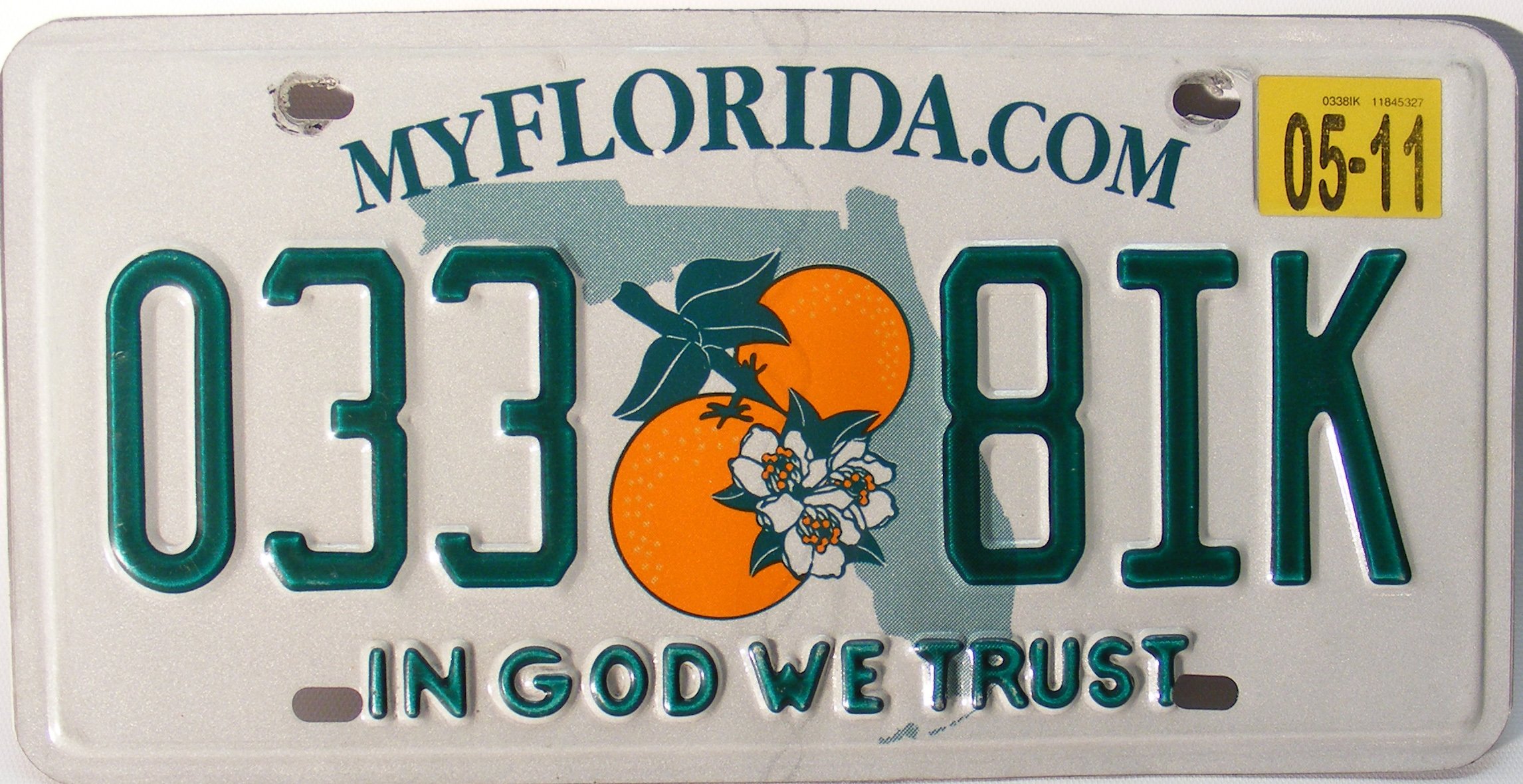
The additional cost for a specialty license plate is typically $25 to $30 annually, on top of your regular registration fees. This additional fee goes directly to the designated cause or organization associated with the plate. While it increases the annual cost of your license plate, it’s a direct contribution to something you care about, adding a layer of purpose to your vehicle ownership.
Personalized Plates: Making a Statement on the Road
Beyond the pre-designed specialty plates, Florida also offers personalized (or vanity) license plates. This allows you to choose a custom combination of letters and numbers (within certain limits and availability) to appear on your plate. It’s a fantastic way to express your personality, hobbies, or a unique message as you travel across the state.
The fee for a personalized license plate is an additional $15 per year, on top of the standard registration fees and any specialty plate fees if you combine the two (e.g., a personalized “Save the Manatees” plate). This option is popular among those who want to truly make their vehicle stand out, whether they’re cruising down A1A in South Florida or embarking on a cross-state adventure from St. Augustine to Key West. The availability of desired combinations can be checked online via the FLHSMV website.
Navigating the Process: Tips for Tourists and Newcomers
For those venturing into Florida for an extended period or planning a permanent relocation, understanding the administrative timeline and best practices for vehicle registration is key to a stress-free transition. The Sunshine State’s appeal for long-term stays, retirement, or remote work makes this information particularly relevant for a lifestyle and travel-focused audience.
When to Register: Florida Residency and Vehicle Registration
Timing is crucial when it comes to vehicle registration, especially for new residents.
- The 10-Day Rule for New Residents: If you establish residency in Florida, you generally have 10 days to register your out-of-state vehicle and obtain a Florida Driver’s License. Establishing residency can be defined by various factors, including gaining employment, registering children in public school, or declaring intent to reside in Florida through other means. Failing to adhere to this timeframe can result in penalties.
- Out-of-State Visitors/Rental Cars: For short-term tourists or those on vacation, a Florida license plate is not required for their out-of-state registered vehicles. Most visitors will rely on their home state’s registration or utilize rental car services, which come with Florida-registered plates. For long-term visitors (e.g., snowbirds staying for several months but not establishing residency), their out-of-state registration typically suffices as long as it remains valid. However, it’s wise to verify rules for stays exceeding six months. Rental cars are often the go-to for travelers exploring Walt Disney World, Universal Studios Florida, or scenic drives along the Atlantic Coast, offering convenience without the registration hassle.
Preparing for Your DMV Visit: Efficiency is Key
Visiting the DMV or Tax Collector’s Office can be a time-consuming affair if you’re unprepared. Strategic planning can significantly streamline the process.
- Gather All Documents: As outlined previously, ensure you have all original documents and multiple copies. This includes your existing title, proof of insurance, driver’s license, and any relevant bill of sale.
- Appointments are Your Friend: Many Tax Collector’s Office locations offer online appointment scheduling. Utilizing this feature can dramatically reduce your wait time, making for a much more pleasant experience. Check the website for your specific county, such as Lee County or Collier County if you’re in Southwest Florida.
- Visit During Off-Peak Hours: If an appointment isn’t possible, aim for mid-week, mid-morning, or mid-afternoon. Mondays, Fridays, and lunch hours are generally the busiest.
- Utilize Online Resources: The FLHSMV website is a treasure trove of information. You can often download forms, check acceptable documents, and even estimate fees online. Some services, like renewals, can even be completed electronically, avoiding an office visit altogether.
- Payment Methods: Be prepared with accepted payment methods. Most offices accept cash, checks, and major credit cards, though a small convenience fee may apply for credit card transactions.

The Broader Picture: Cost of Living and Travel in the Sunshine State
Understanding the cost of a license plate in Florida is more than just a line item; it’s an integral part of the broader financial landscape for anyone considering an extended stay or relocation. Owning a vehicle in Florida provides unparalleled freedom to explore its diverse regions and attractions, from the historical charm of St. Augustine to the vibrant nightlife of Miami, and the family fun of Orlando.
While the initial costs for a Florida license plate might seem substantial, especially the $225 new resident fee, they are a one-time investment for establishing your vehicle’s legal status in the state. Compared to the overall cost of living, which can vary wildly from high-demand areas like Southeast Florida to more affordable locales in North Florida or Central Florida, these fees are manageable within a well-planned budget.
Having your own car in Florida unlocks a world of travel experiences. Imagine spontaneous road trips to the pristine sands of Clearwater Beach or Siesta Key, weekend getaways to the tranquil Florida Keys (including picturesque Key West and Monroe County), or leisurely drives along scenic routes to discover hidden gems like Amelia Island, Sanibel Island, or Anna Maria Island. These journeys are often impractical without personal transportation, especially when venturing beyond the immediate vicinity of major tourist centers like Walt Disney World or Kennedy Space Center Visitor Complex.
Beyond the initial license plate costs, remember to factor in ongoing expenses such as annual registration renewals, Florida auto insurance (which can vary significantly based on location, driver history, and vehicle type), fuel costs, and potential tolls (SunPass or E-Pass are highly recommended for frequent drivers). These elements collectively contribute to the lifestyle aspect of living or traveling extensively in Florida. For families considering a move to Kissimmee or Sarasota, or even snowbirds making Naples or Destin their winter home, a clear understanding of these transportation-related expenditures ensures a realistic budget and avoids unexpected financial surprises. The freedom and flexibility that a personal vehicle provides for exploring all corners of the Sunshine State — from the vibrant energy of Daytona Beach to the pristine beauty of Panama City Beach or the captivating charm of Captiva Island — often far outweigh the initial bureaucratic hurdles and costs.
In conclusion, obtaining a license plate in Florida involves several costs, particularly for new residents. The initial $225 registration fee, combined with plate and title fees, can sum up to around $360-$400 upfront, not including potential sales tax. Annual renewal fees are more modest, typically $30-$45, with additional charges for specialty or personalized plates. While these costs require careful budgeting, they are a necessary step for enjoying the full spectrum of experiences that Florida has to offer. By understanding the process, preparing your documents, and planning your visit to the Tax Collector’s Office, you can smoothly navigate this administrative task and focus on making unforgettable memories in the Sunshine State.
LifeOutOfTheBox is a participant in the Amazon Services LLC Associates Program, an affiliate advertising program designed to provide a means for sites to earn advertising fees by advertising and linking to Amazon.com. Amazon, the Amazon logo, AmazonSupply, and the AmazonSupply logo are trademarks of Amazon.com, Inc. or its affiliates. As an Amazon Associate we earn affiliate commissions from qualifying purchases.