
Embarking on the journey of marriage is a significant milestone, a pivotal lifestyle choice that many couples dream of celebrating in the sunny embrace of Florida. Whether envisioning a grand beach wedding in Miami, an intimate garden ceremony in Orlando, or a picturesque union in Sarasota, understanding the practicalities, particularly the cost and process of obtaining a marriage license, is a crucial first step. This guide aims to provide a professional, insightful, and engaging overview for couples planning to tie the knot in the Sunshine State, ensuring a smooth transition into their new married lifestyle.

The decision to marry involves more than just selecting a venue and a date; it requires navigating legal requirements that ensure your union is recognized by the state. For couples choosing Florida as their wedding destination, the marriage license is the essential gateway to their marital journey. This article will delve into the precise costs involved, the application process, key considerations, and helpful budgeting tips, all framed within the context of making informed lifestyle decisions for your special day.
Understanding the Core Cost of a Florida Marriage License
The cost of a marriage license in Florida is one of the most straightforward aspects of wedding planning, yet it’s often a point of initial inquiry for many couples. Unlike fluctuating vendor prices or venue fees, the state sets a relatively consistent fee for this vital document. Understanding these fees and any potential discounts can help couples accurately budget for their lifestyle transition into marriage.
Standard Application Fees
As of the latest regulations, the standard fee for a marriage license in Florida is approximately $86.00 to $93.50, varying slightly by county due to minor surcharges that some Clerk of Court offices may impose. This fee is typically a flat rate, regardless of whether you are a Florida resident or an out-of-state visitor. This accessibility makes Florida an attractive option for destination weddings, as non-residents face no additional burdens or higher costs for the license itself. The fee covers the administrative costs associated with processing your application, issuing the license, and recording your marriage certificate once the ceremony is complete. It’s a small but significant investment in your future together, cementing your chosen lifestyle path.
Discount for Premarital Preparation Course
Florida offers a valuable incentive for couples to invest in the health of their future marriage: a reduced marriage license fee. Couples who complete a qualified premarital preparation course can receive a discount on the standard fee, bringing the cost down to approximately $61.00 to $69.00. This reduction is not just a financial benefit; it’s an encouragement for couples to proactively strengthen their relationship and prepare for the challenges and joys of married life, aligning perfectly with a healthy lifestyle philosophy.
To qualify for the discount, the course must be at least four hours long and taught by a certified professional, such as a psychologist, psychiatrist, licensed marriage and family therapist, licensed clinical social worker, or a religious leader authorized to perform marriages. The course must cover topics designed to promote strong marital relationships. Upon completion, couples receive a certificate that they must present when applying for their license. This initiative underscores the state’s commitment to supporting enduring marriages, offering a tangible benefit for couples who prioritize relationship education as part of their lifestyle planning.
Acceptable Payment Methods
When it comes to paying for your marriage license, Florida Clerk of Court offices generally accept a variety of payment methods to ensure convenience. Common options include cash, credit cards (Visa, MasterCard, Discover, American Express), debit cards, and sometimes money orders or cashier’s checks. It’s always advisable to confirm the specific accepted payment methods with the particular Clerk of Court office in the county where you plan to apply, as practices can vary slightly. For example, some smaller county offices might have limitations on credit card usage or prefer exact cash amounts. Planning your payment method in advance is a minor detail that contributes to a smooth overall process, allowing you to focus on the broader aspects of your new lifestyle.
Navigating the Application Process: A Lifestyle Choice
Beyond the cost, understanding the application process is paramount for couples planning their Florida wedding. The state has clear guidelines designed to ensure legal compliance, and knowing these steps can save time and prevent last-minute stress, allowing couples to focus on the joy of their impending lifestyle change.
Eligibility Requirements
To obtain a marriage license in Florida, both parties must meet certain eligibility criteria:
- Age: Both individuals must be at least 18 years old. Minors aged 17 may apply with parental consent and specific court approval, though this is less common.
- Identification: Each applicant must present a valid form of identification, such as a driver’s license, state ID card, or passport. These documents confirm identity and age.
- Social Security Number: Applicants who are U.S. citizens or permanent residents must provide their Social Security Number, though the physical card is not required. Non-U.S. citizens who are not permanent residents may provide an alien registration number or another government-issued identification number.
- Previous Marriages: If either party has been previously married, the exact date of the dissolution of the last marriage (divorce, annulment, or death) must be provided. You typically do not need to provide divorce decrees or death certificates unless specifically requested by the Clerk of Court, but having the dates readily available is crucial.
- Blood Tests: Florida does not require blood tests or medical examinations for a marriage license, simplifying the process considerably compared to some other states.
Meeting these requirements ensures that the marriage license can be issued without complications, reflecting a responsible approach to a significant lifestyle commitment.
Where to Apply
Marriage licenses in Florida are issued by the Clerk of Court in any county. This means you do not have to apply in the same county where your wedding ceremony will take place. For example, if you’re planning a wedding in Key West but arriving through Miami International Airport, you could apply for your license in Miami-Dade County before heading further south. This flexibility is a great convenience, especially for destination wedding couples who might want to handle administrative tasks upon arrival.
Popular counties for obtaining licenses due to their tourism appeal include Orange County (serving Orlando and its attractions), Miami-Dade County (for Miami and Miami Beach), Hillsborough County (for Tampa), and Monroe County (for the Florida Keys). Each county’s Clerk of Court website will have specific hours and any unique procedural details. It’s always best to check their respective websites for the most current information before your visit.
The Application Steps
The actual application process is relatively straightforward:
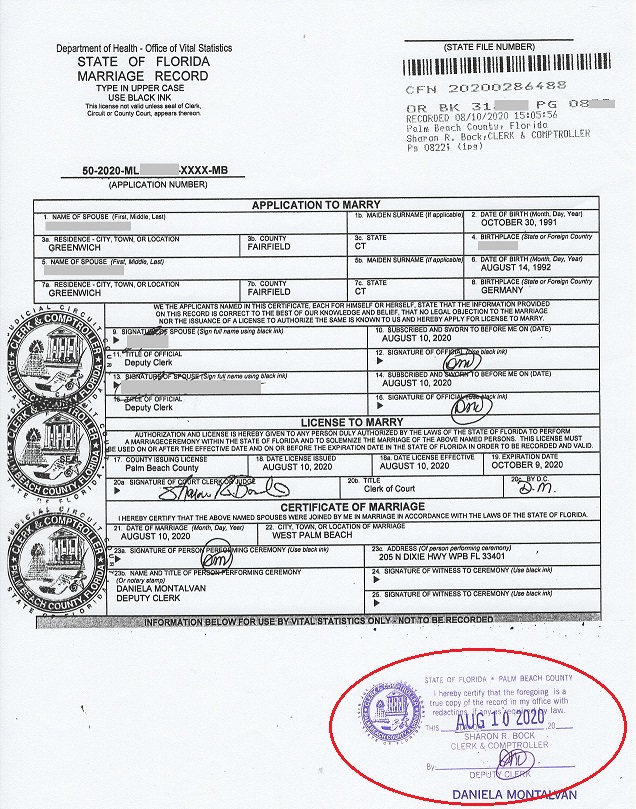
- Complete the Application Form: Most Clerk of Court offices allow you to pre-fill an application form online to expedite the in-person visit. This form will ask for personal details, parental information, and details about any previous marriages.
- Appear Together In-Person: Both applicants must appear together in person at a Clerk of Court office to finalize the application. This is a mandatory step, as both parties must be sworn in and sign the application in the presence of a deputy clerk.
- Present Identification and Documentation: Bring your valid photo ID, know your Social Security Number, and if applicable, present your premarital course certificate.
- Pay the Fee: Submit the required fee using one of the accepted payment methods.
- Receive Your License: Once the application is approved and fees are paid, the marriage license is typically issued on the spot.
This streamlined process ensures that couples can quickly secure their license, allowing them to focus on the joyous celebration and the beginning of their new shared lifestyle.
Important Considerations Beyond the Fee for Your Florida Wedding Lifestyle
While the cost and application process are fundamental, several other factors are crucial for a successful Florida wedding. These considerations help integrate the legal requirements with the broader lifestyle planning of your marriage.
Waiting Periods and Validity
One key aspect to be aware of is Florida’s three-day waiting period. If at least one of the applicants is a Florida resident, there is a mandatory three-day waiting period between the issuance of the license and when the marriage ceremony can legally take place. This means if you pick up your license on a Monday, the earliest you can get married is Thursday. This waiting period is waived for non-residents, who can get married on the same day the license is issued. Additionally, the waiting period is waived for Florida residents who have completed the premarital preparation course, providing another incentive for couples to invest in relationship education.
Once issued, a Florida marriage license is valid for 60 days. This means the marriage ceremony must be performed within 60 days from the date the license was issued. If the ceremony does not occur within this timeframe, the license expires, and you would need to apply and pay for a new one. This 60-day window offers ample flexibility for planning, but it’s a critical deadline to keep in mind for your wedding timeline and overall lifestyle planning.
The Ceremony and Officiants
In Florida, a marriage can be solemnized by a regularly ordained minister of the gospel, an elder in communion with a church, a judicial officer (such as a judge or a retired judge), a clerk of the circuit court, or a notary public. Even the Clerk of Court themselves, or their appointed deputies, can perform civil ceremonies right in the courthouse, offering a simple and cost-effective option for couples. This provides couples with a wide range of choices for who will officiate their ceremony, from religious leaders reflecting their spiritual lifestyle to civil officials for a secular celebration. After the ceremony, the officiant is responsible for returning the completed marriage license to the Clerk of Court within ten days for recording.
Post-Ceremony Steps
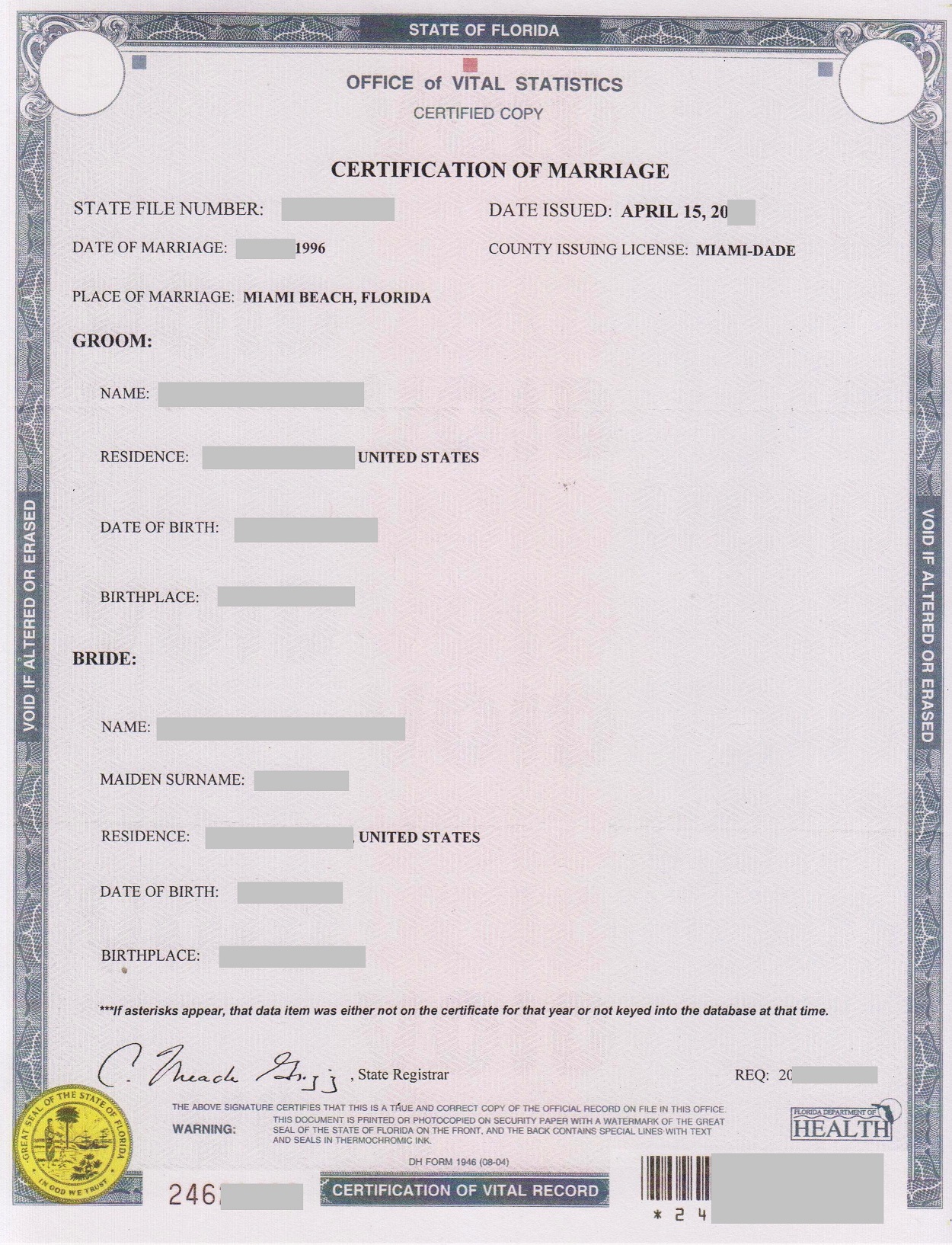
Once your beautiful Florida wedding ceremony is complete and the officiant has returned the signed marriage license, the Clerk of Court will officially record your marriage. While the original license is kept by the state, you will likely need certified copies for various purposes, such as changing your name on your driver’s license, passport, Social Security card, bank accounts, or for insurance benefits. You can typically request certified copies from the Clerk of Court office, either in person or by mail, for a small fee per copy (usually around $4-$5). It’s a good lifestyle practice to order several copies to avoid future hassles, streamlining the administrative aspects of your new marital status.
Planning Your Florida Wedding Budget: Lifestyle Finance Tips
Understanding the cost of a marriage license is just one piece of the financial puzzle for a Florida wedding. A holistic approach to budgeting ensures that this significant lifestyle event is managed effectively without undue stress.
Hidden Costs and Budgeting for Your Big Day
Beyond the marriage license fee, couples should consider other potential expenses that contribute to the overall cost of their Florida wedding. These can include:
- Officiant Fees: While some officiants may perform ceremonies for free or a nominal fee, many professional officiants charge for their services.
- Premarital Course Costs: If you opt for the premarital preparation course to receive the license discount, there will be a cost associated with the course itself, which typically ranges from $20 to $150, depending on the provider and format.
- Travel and Accommodation: For destination weddings, flights, hotels, and transportation for both the couple and potentially guests can add up significantly. Researching options in cities like Fort Lauderdale or St. Petersburg can reveal varying price points.
- Venue and Vendor Fees: The largest portion of any wedding budget typically goes to the venue, caterers, photographers, florists, and other vendors. Florida offers a vast array of options, from luxury resorts in Palm Beach to more budget-friendly options in smaller towns.
- Certified Copies: Budget for a few certified copies of your marriage certificate post-ceremony.
Effective budgeting for these elements requires careful planning and research, ensuring your wedding aligns with your financial lifestyle goals.
Destination Weddings vs. Local Nuptials
Florida is a premier destination for weddings, and the ease of obtaining a marriage license contributes to its appeal. For couples planning a destination wedding, the license cost is a minor fraction of their overall travel and event budget. The 60-day validity period and the waiver of the three-day waiting period for non-residents are particularly beneficial for those flying in for their special day. Whether you’re planning a grand affair at a resort in Naples or a quaint ceremony on Anna Maria Island, the straightforward license process supports varied wedding styles.
For Florida residents, while the waiting period applies (unless a premarital course is taken), the local convenience means less travel and typically lower overall costs for the wedding itself. In either scenario, integrating the marriage license acquisition into your wedding planning timeline early on will help alleviate stress and ensure a smooth path to your celebration, marking the seamless transition into your new shared lifestyle.
Getting married in Florida is an exciting prospect for many couples. The process of obtaining a marriage license is designed to be straightforward and accessible, with a clear fee structure and logical steps. By understanding the costs, eligibility, application process, and key considerations like waiting periods, couples can confidently navigate this administrative step. This foundational knowledge empowers you to focus on the joy of your upcoming union and the beautiful lifestyle journey that lies ahead in the Sunshine State.
LifeOutOfTheBox is a participant in the Amazon Services LLC Associates Program, an affiliate advertising program designed to provide a means for sites to earn advertising fees by advertising and linking to Amazon.com. Amazon, the Amazon logo, AmazonSupply, and the AmazonSupply logo are trademarks of Amazon.com, Inc. or its affiliates. As an Amazon Associate we earn affiliate commissions from qualifying purchases.