
Hawaii stands as an iconic symbol of paradise, a dreamy escape with its pristine beaches, volcanic landscapes, and vibrant culture. For many, the allure of the Aloha State is undeniable, but the practical question that often arises is: what’s the real cost of getting there? Specifically, how much should one budget for a round-trip flight to this Pacific gem? The answer, as with most travel inquiries, isn’t a simple fixed figure. It’s a dynamic sum influenced by a myriad of factors, from the timing of your trip to your departure city and preferred airline. This comprehensive guide will break down the variables, provide realistic cost estimates, and offer savvy strategies to help you secure the best possible deal for your journey to Hawaii.
Understanding the Variables: What Impacts Airfare to Hawaii?
The price of a round-trip ticket to Hawaii is a moving target, constantly fluctuating based on demand, seasonality, and numerous other factors. Dissecting these elements is crucial for understanding why prices vary so widely and how you can leverage this knowledge to your advantage.
Origin City and Departure Airport
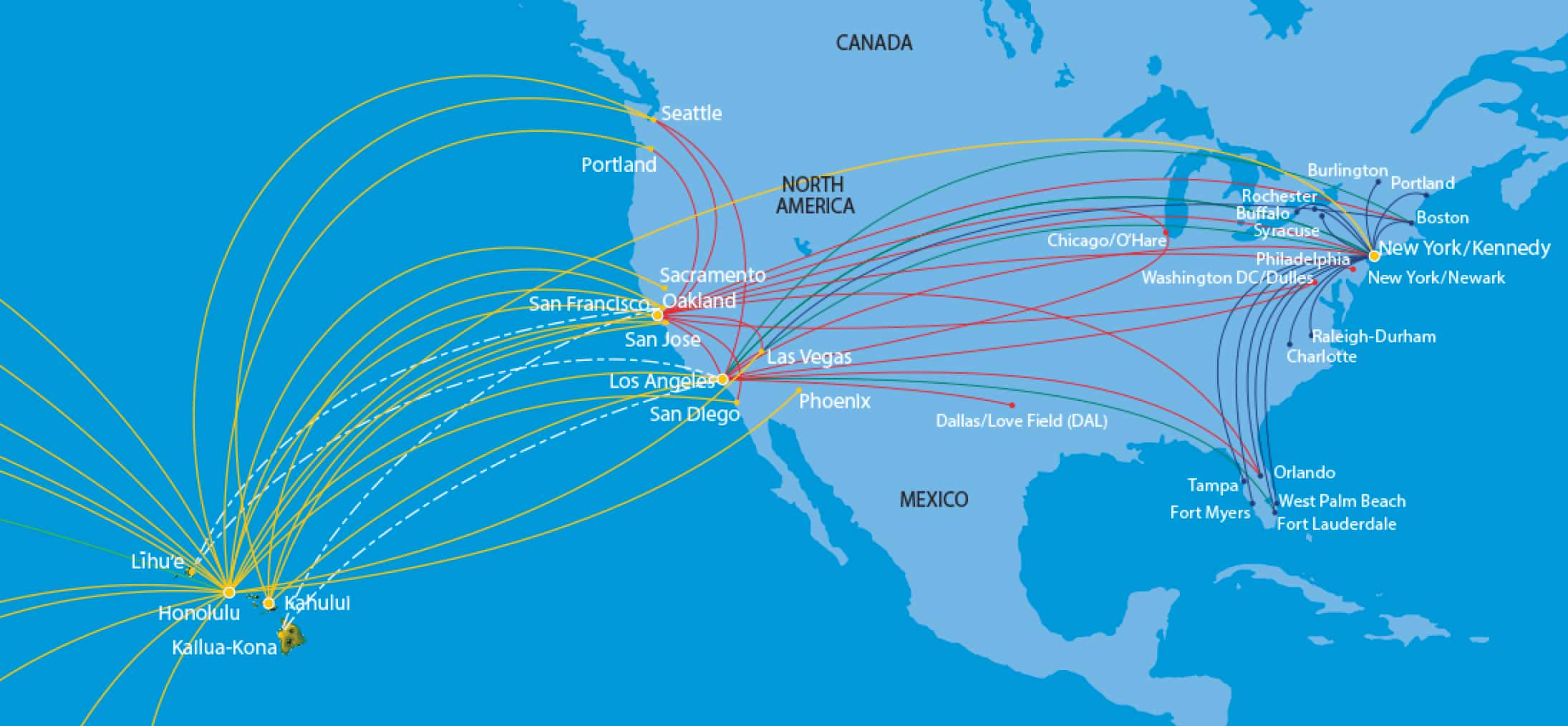
Your starting point significantly dictates the cost of your flight. Travelers originating from major West Coast hubs typically enjoy the lowest fares due to the shorter flight distance and higher competition among airlines. Cities like Los Angeles, San Francisco, and Seattle often serve as gateways to Hawaii, offering an abundance of direct flights and competitive pricing.
Conversely, those traveling from the Midwest or East Coast will generally face higher fares. These longer journeys often involve layovers, increasing both travel time and cost. While direct flights from certain major East Coast cities exist, they are less frequent and usually command a premium. The presence of numerous connecting options can sometimes help keep prices competitive, but generally, the further you are from Hawaii, the more you can expect to pay for airfare.
Time of Year and Seasonality
Timing is perhaps the most critical factor influencing flight prices to Hawaii. The islands experience distinct peak and off-peak travel seasons, each with corresponding fare trends.
- Peak Season: This includes the winter holidays (mid-December to early January), spring break (mid-March to mid-April), and the summer months (June, July, August). During these periods, demand surges, driving up flight and accommodation costs significantly. Expect to pay top dollar if your travel plans align with these times.
- Shoulder Season: These periods offer a sweet spot, balancing pleasant weather with more moderate prices. The months of April (post-spring break), May, and particularly September and October (after summer crowds thin out but before winter holidays) often present the best value. You’ll find fewer crowds and more affordable flights and hotels.
- Off-Peak Season: Generally speaking, late January to early March (excluding spring break) and the period from September through early December (excluding Thanksgiving and Christmas) can offer the lowest fares. Weather is still beautiful, but demand is lower.
Booking Window
When you purchase your tickets can also heavily influence the price. Airlines use complex algorithms to adjust fares based on demand, historical data, and current booking trends.
- The Sweet Spot: Generally, booking 2 to 4 months in advance tends to yield the best prices for domestic flights to Hawaii. For international travelers or during peak season, extending this window to 4 to 6 months can be beneficial.
- Too Early: Booking too far in advance (e.g., 9-12 months out) might not secure the absolute lowest fare, as airlines often haven’t fully optimized their pricing for those dates.
- Too Late: Waiting until the last minute (within a few weeks of departure) is almost always a costly mistake, as airlines typically raise prices for last-minute travelers who have less flexibility.
Airline Choice and Cabin Class
The airline you fly with and your chosen cabin class play a huge role in the overall cost.
- Budget vs. Full-Service Carriers: Airlines like Southwest Airlines (from select West Coast cities) often offer competitive, no-frills economy fares. Traditional full-service carriers such as Alaska Airlines, United Airlines, Delta Air Lines, and Hawaiian Airlines might offer a more comprehensive experience (e.g., in-flight meals, entertainment, checked bags) but often at a slightly higher base price. It’s important to compare the total cost, including baggage fees, when evaluating budget carriers.
- Cabin Class: Economy class will always be the most affordable option. Premium Economy offers more legroom and enhanced services for a moderate price increase. Business and First Class fares, with their lie-flat seats, gourmet meals, and priority services, can be several times the cost of an economy ticket, typically ranging into the thousands of dollars.
Flexibility
Having flexibility with your travel dates and even your specific Hawaiian island destination can lead to significant savings. If you’re not tied to specific dates, using flight search engines with “flexible dates” options can reveal cheaper travel periods. Similarly, being open to flying into different airports on different islands (Honolulu on Oahu, Kahului on Maui, Kona or Hilo on the Big Island, or Lihue on Kauai) could uncover better deals.
Averages and Estimates: What to Expect for Hawaiian Airfare
While prices can fluctuate wildly, having a general idea of average costs can help set realistic expectations for your trip budget.
Economy Class Fares
For a round-trip economy ticket to Hawaii:
- From the West Coast (e.g., Los Angeles, San Francisco, Seattle): You can often find fares in the range of $400-$700 USD during shoulder or off-peak seasons. During peak travel times, these can easily jump to $800-$1,200+ USD. Exceptional deals might dip below $400, but these are rare and typically require significant flexibility.
- From the Midwest or East Coast: Expect prices to start around $700-$1,200 USD during off-peak times. Peak season fares can range from $1,200-$2,000+ USD. These prices generally include at least one layover.
These estimates are for a single round-trip ticket. Remember that baggage fees, seat selection fees, and in-flight amenities might add to the final cost, especially on budget carriers.
Premium and Business Class
For those seeking a more luxurious and comfortable journey, premium cabin fares represent a significant jump:
- Premium Economy: Typically ranges from $800-$2,000 USD round-trip from the West Coast, and $1,500-$3,000 USD from the Midwest or East Coast.
- Business/First Class: Prices can range from $1,500-$5,000+ USD from the West Coast and potentially $3,000-$8,000+ USD from the Midwest or East Coast, depending on the airline, specific route, and booking window. While a considerable investment, these tickets often include lounge access, priority boarding, enhanced baggage allowances, and superior in-flight service.
Inter-Island Flights
If your Hawaiian adventure includes hopping between islands, factor in the cost of inter-island flights. A round trip between islands (e.g., from Oahu to Maui or the Big Island) typically costs $70-$150 USD per person, per segment, but can be higher during peak times or for last-minute bookings. Hawaiian Airlines and Mokulele Airlines are the primary carriers for these short hops. Remember to also account for baggage fees on these flights.

Strategies for Finding the Best Deals
Securing an affordable flight to Hawaii often requires a combination of strategic planning, flexibility, and diligent searching.
Utilize Flight Comparison Websites
The first step in any flight search should be to leverage powerful comparison tools. Websites like Google Flights, Skyscanner, and Kayak allow you to compare prices across multiple airlines and online travel agencies simultaneously. These platforms often have features like “flexible date” searches, price calendars, and alerts that can highlight the cheapest travel days.
Set Up Price Alerts
Once you have a general idea of your desired travel dates and destination, set up price alerts. Most flight comparison websites offer this service, notifying you via email when the fare for your specific route drops. This passive approach allows you to monitor price fluctuations without constantly checking manually, ensuring you don’t miss a good deal.
Be Flexible with Dates and Airports
Flexibility is your greatest ally in the quest for cheap flights. If your schedule allows, try searching for flights on different days of the week. Mid-week departures (Tuesday, Wednesday) and return flights are often cheaper than weekend travel. Similarly, consider flying out of or into smaller, nearby airports if they offer a significant cost saving, as long as the ground transportation costs to get there don’t negate the savings.
Consider Package Deals
Sometimes, bundling your flight with accommodation or a rental car can result in substantial savings compared to booking each component separately. Many online travel agencies and even some airlines offer vacation packages to Hawaii. While the article primarily focuses on airfare, it’s worth exploring these options as part of your overall trip cost analysis.
Leverage Loyalty Programs and Credit Card Points
If you’re a frequent flyer or a savvy credit card user, now is the time to utilize those loyalty points and miles. Many airline-branded credit cards offer lucrative sign-up bonuses that could be enough for a round-trip ticket to Hawaii or significantly reduce the cash price. Transferable points programs (like Chase Ultimate Rewards or American Express Membership Rewards) offer even more flexibility by allowing you to transfer points to various airline partners.
Fly Mid-Week
As mentioned, flying on a Tuesday, Wednesday, or Saturday often results in lower fares. Most business travelers fly at the beginning or end of the week, and leisure travelers prefer long weekends, creating higher demand and prices for Friday and Sunday flights. Shifting your travel by just a day or two can sometimes save you hundreds of dollars.
Beyond Airfare: Other Essential Travel Costs to Hawaii
While this article focuses on the cost of a round-trip flight, it’s essential to briefly acknowledge other significant expenses to provide a complete picture of your Hawaiian travel budget. These costs are integral to the “trip” experience, even if not directly tied to the flight itself.
Accommodation
From luxury resorts in Maui to boutique hotels in Honolulu and vacation rentals on Kauai, accommodation will be one of your largest expenses after airfare. Prices vary dramatically based on the island, location, type of lodging, and time of year.
Ground Transportation
Unless you plan to stay exclusively at a resort, a rental car is often essential for exploring the islands, especially on the Big Island or Maui. Factor in rental costs, insurance, and the price of gas. Alternatives include airport shuttles, ride-sharing services, and public transportation (available on Oahu and a few other islands).
Food and Activities
Dining out in Hawaii can be expensive, especially in tourist-heavy areas. Budget for meals, snacks, and any desired activities such as surfing lessons, snorkeling tours, luau tickets, or visits to national parks.
Travel Insurance
While an additional cost, travel insurance can be a wise investment, protecting you from unexpected cancellations, medical emergencies, or lost luggage. Given the investment in a trip to Hawaii, protecting that investment makes practical sense.

Making Your Hawaiian Dream a Reality
A round trip to Hawaii might seem like a significant expense, but with diligent planning and smart strategies, it’s an achievable dream for many. By understanding the factors that influence airfare, being flexible with your travel dates, and utilizing comparison tools, you can significantly reduce the cost of your flight. Start your research early, set up those price alerts, and be ready to jump on a good deal when it appears. With a little effort, you’ll be one step closer to experiencing the unparalleled beauty and magic of the Hawaiian Islands.
LifeOutOfTheBox is a participant in the Amazon Services LLC Associates Program, an affiliate advertising program designed to provide a means for sites to earn advertising fees by advertising and linking to Amazon.com. Amazon, the Amazon logo, AmazonSupply, and the AmazonSupply logo are trademarks of Amazon.com, Inc. or its affiliates. As an Amazon Associate we earn affiliate commissions from qualifying purchases.