
Navigating the process of registering a vehicle in a new state can often feel like deciphering a complex puzzle. For those establishing residency in or planning an extended stay in the Silver State, understanding the associated costs for car registration in Nevada is a crucial step. This guide aims to demystify the fees, requirements, and variables that contribute to the overall expense, ensuring a smooth and informed experience for new vehicle owners.
Understanding the Core Registration Fees in Nevada
The cost to register a car in Nevada is not a single, fixed amount. Instead, it’s a composite of several fees, each contributing to the state’s transportation infrastructure and public services. These core fees are generally consistent across the state, though local variations can occur.
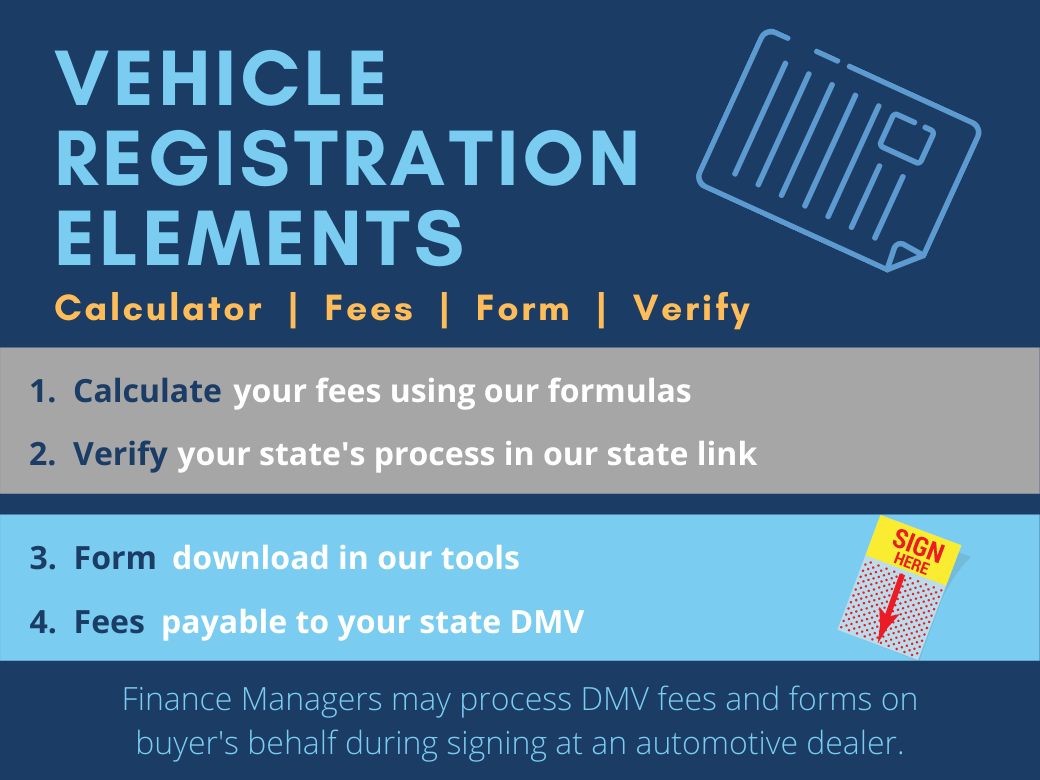
Base Registration Fee and Plate Fees
The fundamental component of your registration cost is the base registration fee. This fee is primarily determined by the age and type of your vehicle. For instance, newer vehicles often incur slightly higher initial fees than older ones. Additionally, there’s a fee associated with the license plates themselves. Whether you opt for standard plates or a specialty design, there will be a one-time or recurring charge for them. Nevada offers a wide array of specialty plates, often supporting various causes or interests, and these can sometimes come with an additional premium.
County and Road Taxes
Beyond the state-level fees, Nevada implements county-specific taxes that are directly tied to your registration. These funds are typically allocated to local road maintenance, improvements, and public safety initiatives within your county of residence. The specific amount will vary depending on the county you live in, with more populous or geographically diverse areas potentially having higher allocations. These taxes are a significant factor in the total cost and are often adjusted periodically by local governments.
Other Mandatory Fees
Several other mandatory fees are rolled into the registration process. These can include a motor vehicle privilege tax, which is based on the value of your vehicle, and a regional transportation commission fee, which helps fund transportation projects in metropolitan areas. For example, residents in Clark County, home to Las Vegas, will pay a different regional fee than those in Washoe County, which includes Reno. It’s essential to be aware that these fees, while sometimes seemingly small individually, add up to the final registration bill.
Factors Influencing Your Nevada Car Registration Costs
While the core fees provide a baseline, several individual factors can significantly influence the total amount you will pay to register your car in Nevada. Understanding these variables will help you anticipate and budget for the expense.
Vehicle Age and Type
As mentioned, the age and type of your vehicle are primary determinants of registration costs. Newer vehicles, with higher market values, will often be subject to higher privilege taxes and potentially higher registration fees. Conversely, older vehicles typically see a decrease in these fees as their value depreciates. Different vehicle types, such as motorcycles, RVs, or commercial vehicles, also have their own distinct fee structures, which may differ from standard passenger cars.
Vehicle Value (for Privilege Tax)
The Nevada motor vehicle privilege tax is calculated based on the declared value of your vehicle. When you register a vehicle, you will typically need to provide proof of its value, often through a bill of sale or an appraisal. The higher the assessed value of your car, the greater the privilege tax you will owe. This is a key reason why registering a luxury or performance vehicle will generally cost more than registering an economy car. The state uses depreciation schedules to adjust this tax over the years, so the amount decreases as the vehicle ages.
Residency and County of Operation
Your official residency in Nevada dictates which county’s specific fees you will be subject to. As noted, counties have differing road taxes and regional transportation fees. If you are new to the state, establishing your residency is a prerequisite for registration, and you will need to provide proof of address. The county in which your vehicle is primarily operated and registered will be the basis for these localized charges.

Specialty License Plates
Nevada offers a vibrant selection of specialty license plates, ranging from university-themed plates for the University of Nevada, Reno and the University of Nevada, Las Vegas to plates supporting animal welfare, environmental causes, or historical preservation. While these plates allow you to personalize your vehicle and support worthy initiatives, they typically come with an additional annual fee on top of your standard registration costs. The cost of these specialty plates can vary, with some being more expensive than others.
Additional Costs and Considerations for Nevada Registration
Beyond the straightforward registration fees, there are other associated costs and requirements that every Nevada car owner should be aware of to ensure full compliance and avoid penalties.
Emissions Testing Requirements
Depending on the county where you reside and the age of your vehicle, you may be required to undergo an emissions test. Currently, Clark County and Washoe County have emissions testing requirements for most gasoline-powered vehicles that are more than four years old. A passing emissions certificate is a prerequisite for registration renewal. The cost of an emissions test is an additional expense, typically ranging from $30 to $60, and it’s important to find a licensed testing station. Failing the test will require repairs to your vehicle before it can be retested, potentially adding to your overall expenditure.
Insurance Requirements
While not a direct registration fee, maintaining continuous Nevada auto insurance is a legal mandate for all registered vehicles. You will need to present proof of this insurance when registering your car. The cost of insurance varies widely based on factors such as your driving record, the type of vehicle, your coverage levels, and your location within Nevada. It’s a significant ongoing expense that should be factored into the total cost of vehicle ownership.
Title Transfer Fees and Other Transaction Costs
If you are bringing a vehicle into Nevada from another state or purchasing a new or used vehicle, you will likely incur title transfer fees. This fee covers the process of officially changing the vehicle’s title to your name within the state’s system. There can also be minor administrative fees associated with processing your application, especially if you are handling the registration in person at a Department of Motor Vehicles (DMV) office. While these are typically modest, they contribute to the overall financial picture.
How to Get an Estimate and Complete Your Registration
To get a precise estimate of your Nevada car registration costs and to complete the process efficiently, it’s best to utilize the resources provided by the state and be prepared with all necessary documentation.
Utilizing the Nevada DMV Website and Online Tools
The official Nevada Department of Motor Vehicles (DMV) website is the most authoritative source for fee information. While they may not have a real-time interactive calculator for every specific scenario, they provide detailed fee schedules and explanations of all applicable taxes and charges. Browsing their site can give you a comprehensive understanding of what to expect. Some county DMVs may offer more localized information or specific online resources.
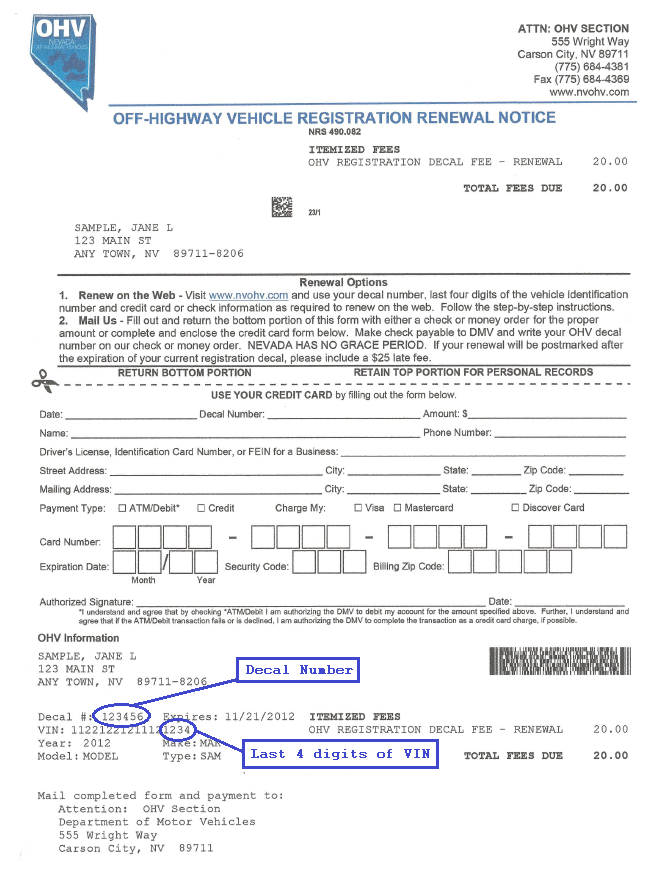
Required Documentation for Registration
When you visit a Nevada DMV office or complete your registration online (if eligible), you will need several key documents. These typically include:
- Proof of Identity: A valid driver’s license or identification card.
- Proof of Residency: Utility bills, lease agreements, or mail addressed to you at your Nevada address.
- Proof of Insurance: A current insurance card or policy declaration page from a Nevada-licensed insurance provider.
- Vehicle Title: The original title of the vehicle, properly signed over to you if you purchased it.
- Bill of Sale: If you recently purchased the vehicle.
- Emissions Certificate: If required for your vehicle and county of residence.
- Odometer Disclosure Statement: For vehicles that are less than 10 years old.
Being well-prepared with these documents will expedite the process and ensure you have all the necessary information to calculate and pay your registration fees accurately. This proactive approach will make the entire experience of registering your car in Nevada much smoother, allowing you to focus on enjoying your new vehicle and exploring all that the state, from the vibrant entertainment of Las Vegas to the natural beauty of Lake Tahoe, has to offer.
LifeOutOfTheBox is a participant in the Amazon Services LLC Associates Program, an affiliate advertising program designed to provide a means for sites to earn advertising fees by advertising and linking to Amazon.com. Amazon, the Amazon logo, AmazonSupply, and the AmazonSupply logo are trademarks of Amazon.com, Inc. or its affiliates. As an Amazon Associate we earn affiliate commissions from qualifying purchases.