
California, the Golden State, conjures images of sun-drenched beaches, towering redwoods, vibrant cities, and endless adventure. From the iconic shores of Santa Monica and the bustling streets of Los Angeles to the majestic beauty of Yosemite National Park and the world-renowned wineries of Napa Valley, it’s a dream destination for travelers worldwide. However, planning a trip to this diverse state, or considering a lifestyle change to embrace its unique culture, often brings a significant question to the forefront: what is the minimum wage, and how does it impact the cost of travel, accommodation, and daily living?
Understanding the minimum wage in California is not merely an economic exercise; it’s a crucial insight for anyone looking to navigate its vibrant tourism landscape, from budget-conscious backpackers to luxury resort guests. It affects everything from the price of your coffee at a charming San Francisco cafe to the nightly rate at a boutique hotel in Palm Springs, and even the quality of service you receive from hospitality professionals. This article delves into the nuances of California’s minimum wage, exploring its statewide standards, local variations, and profound implications for both visitors and the dedicated workforce that makes the state’s tourism industry thrive.

Understanding California’s Minimum Wage Landscape
California has long been at the forefront of progressive labor policies, often setting a benchmark for other states. Its approach to minimum wage is comprehensive, reflecting a commitment to ensuring a more livable wage for its residents, even amidst a notoriously high cost of living.
State-Wide Standards vs. Local Ordinances
At its core, California establishes a statewide minimum wage that applies to most employees across the state. This baseline wage is subject to annual adjustments, typically increasing each January 1st to keep pace with inflation and economic conditions. This ensures that no worker in California earns below a certain standard, providing a foundational safety net.
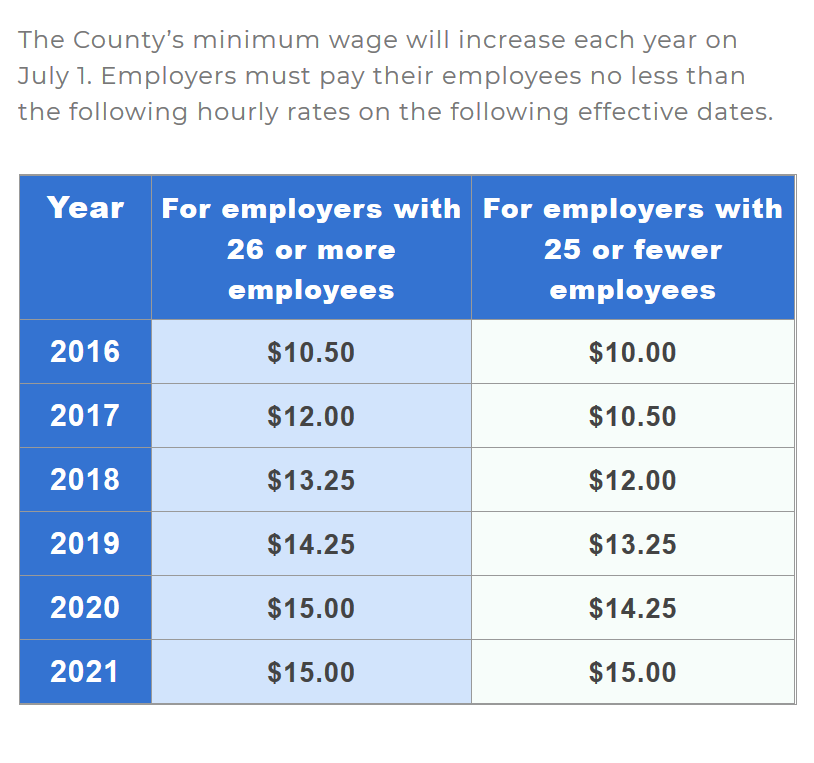
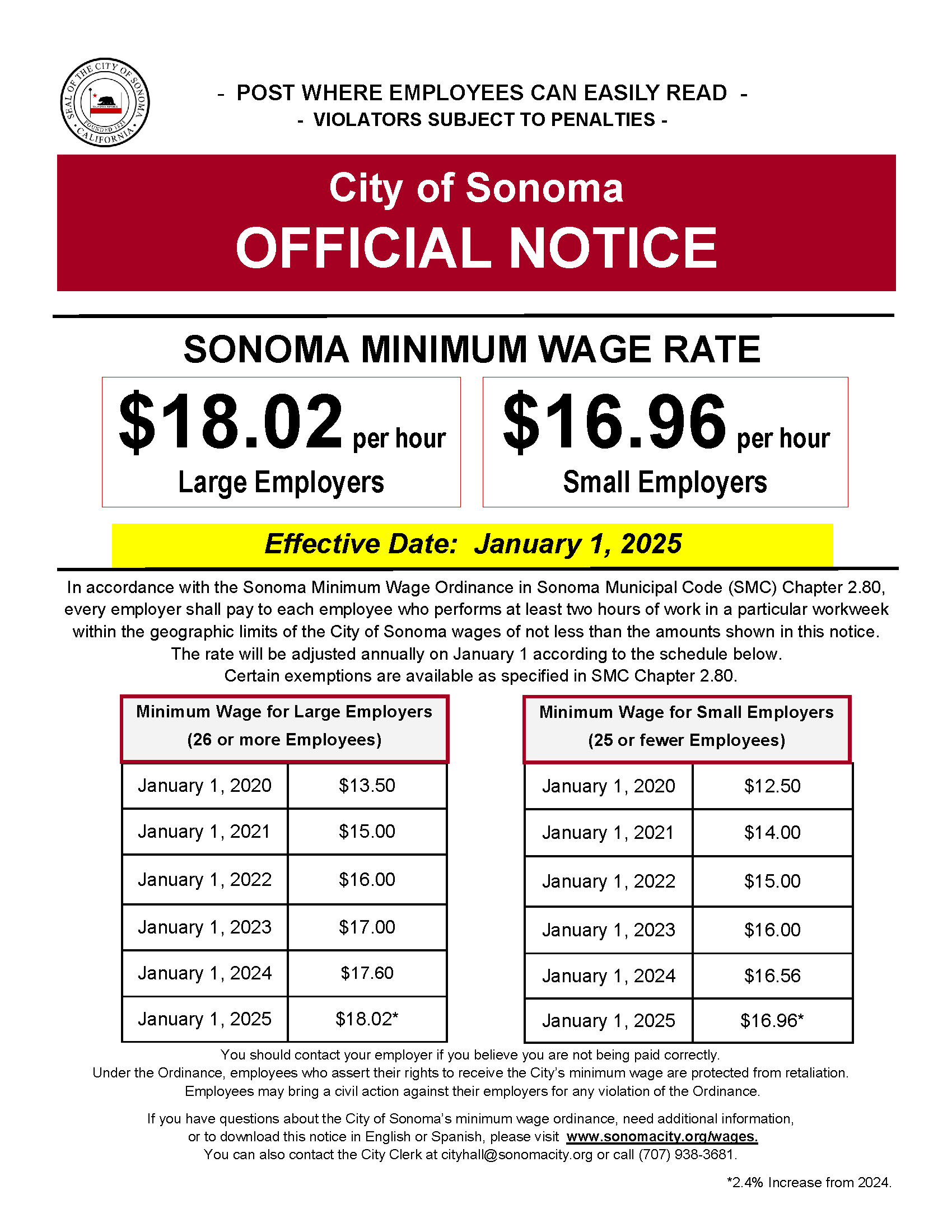
However, the picture becomes more complex and interesting when considering local ordinances. Many cities and counties within California have taken the initiative to establish their own minimum wages that exceed the state standard. These local minimum wages are often significantly higher, a direct response to the even greater cost of living in their specific regions. For travelers, this means that the price of goods and services, particularly those tied to labor costs, can vary considerably depending on whether you’re visiting San Francisco, Los Angeles, San Diego, or a smaller, more rural town.
For instance, cities like San Francisco, Berkeley, and Emeryville consistently boast some of the highest minimum wages in the nation. Oakland, San Jose, Santa Monica, and Palo Alto also implement robust local wage floors. These city-specific rates are typically updated annually, often in July, and are crucial for understanding the economic environment of these popular tourist destinations.
Historical Context and Future Projections
California’s journey towards higher minimum wages has been a deliberate and often debated one. Over the past decade, the state has incrementally increased its minimum wage, with a long-term goal of reaching a more substantial living wage for all workers. This progressive approach has seen the state minimum wage rise steadily, with pre-scheduled increases often outlined years in advance, providing businesses and employees with predictability.
Looking ahead, California continues to evaluate its wage policies, often tying future increases to inflation or other economic indicators. This dynamic environment means that while the current minimum wage provides a snapshot, it’s a constantly evolving figure designed to address the state’s unique economic pressures and uphold a certain quality of life for its workforce. For those considering long-term stays or relocating for work in the hospitality sector, understanding these projections is key.
Tipped Employees and Service Industry Dynamics
One critical distinction that sets California apart from many other states is its policy on tipped employees. Unlike states that allow employers to pay a “sub-minimum wage” to workers who receive tips, California mandates that all employees, including those who earn tips (such as servers, bartenders, and bellhops), must be paid the full state or local minimum wage before tips.
This policy has significant implications for both workers and consumers. For hospitality staff, it provides a more stable and predictable income base, reducing their reliance solely on tips to meet daily expenses. For travelers, it means that the cost of service is already built into the operational expenses of restaurants, hotels, and tour operators to a greater extent than in states where a lower base wage is paid. While tipping is still customary and appreciated for exceptional service, consumers can be assured that the staff serving them are earning a living wage directly from their employers. This contributes to a generally higher standard of service, as employees are less stressed about their base income.
The Impact on Travelers and Tourists
The minimum wage in California is more than just a number; it’s a foundational element influencing the entire travel and tourism experience, shaping everything from the cost of a luxury stay to the price of a street taco.
Accommodation Costs: Hotels, Resorts, and Budget Stays
For many travelers, accommodation is the largest single expense. The minimum wage directly impacts the operational costs of hotels, resorts, and even short-term rentals like those found on Airbnb. The staff responsible for cleaning rooms, checking guests in and out, managing amenities, and ensuring overall comfort—from the front desk at a Hyatt Regency San Francisco to the housekeeping team at a charming Napa Valley bed-and-breakfast—must be paid at least the local minimum wage.
In cities with high local minimum wages like San Francisco or Santa Monica, these labor costs are significantly higher than in regions with lower wage floors. This translates directly into higher nightly rates for hotels and apartments. A luxury resort in Beverly Hills, for example, will factor in the wages of numerous staff members, from concierges at the Beverly Wilshire, A Four Seasons Hotel to maintenance crews, contributing to its premium pricing. Even budget-friendly options, such as motels in Anaheim or hostels in San Diego, must account for these labor expenses, which can still make them pricier compared to similar accommodations in other states.
Dining Out and Culinary Experiences
California is a culinary paradise, boasting everything from Michelin-starred restaurants to diverse food trucks and casual diners. The minimum wage plays a significant role in the cost of dining out. Chefs, line cooks, dishwashers, servers, and bussers all contribute to your dining experience, and their wages are a substantial part of a restaurant’s operating budget.
Because California requires the full minimum wage to be paid to tipped employees, restaurants cannot rely on a lower base wage offset by tips. This means menu prices in California tend to have a higher baseline compared to states with a sub-minimum wage for tipped staff. You might notice this whether you’re enjoying innovative cuisine in San Francisco’s Mission District, sampling authentic Koreatown BBQ in Los Angeles, or grabbing a quick burrito in San Diego. While the higher wages contribute to a more professional and motivated workforce, leading to better service and food quality, they inevitably contribute to higher meal costs for travelers.
Activities, Attractions, and Entertainment Budgets
Beyond food and shelter, California offers an incredible array of activities and attractions. From the magical theme parks like Disneyland and Universal Studios Hollywood to guided tours of Alcatraz Island or boat trips on Lake Tahoe, labor costs are embedded in ticket prices and tour fees. Staff operating rides, selling tickets, providing security, leading tours, and maintaining facilities all earn at least the state or local minimum wage.
The highly trained staff at Universal Studios Hollywood or the rangers and interpretive guides in Yosemite National Park are essential to the visitor experience, and their compensation is built into the overall cost of these attractions. For tourists, this means budgeting more for entry fees, guided excursions, and entertainment compared to destinations with lower labor costs. This is particularly noticeable at major landmarks and entertainment venues that employ a large number of people.
Transportation and Daily Expenses
Getting around California, whether by ride-share in Los Angeles, public transit in San Francisco, or an airport shuttle, also reflects the minimum wage. Drivers, maintenance crews, and administrative staff involved in transportation services are paid according to these wage standards. This can influence the cost of taxi fares, ride-share services, and even the price of parking in urban centers, as parking attendants also need to earn a living wage. Daily necessities, from groceries to souvenirs, also have embedded labor costs, making general spending higher than in less expensive states.
Lifestyle and Economic Considerations for Hospitality Workers
While higher minimum wages contribute to higher costs for travelers, they are designed to support the lifestyle of the hundreds of thousands of individuals who work tirelessly to make California a world-class destination.
Cost of Living in California’s Tourist Hotspots
Despite California’s relatively high minimum wage, the equally high cost of living, particularly in major metropolitan and tourist areas, remains a significant challenge for many hospitality workers. Housing costs in cities like San Francisco, Los Angeles, and Santa Monica are among the highest in the nation. Renting an apartment, even a modest one, can consume a substantial portion of a minimum wage earner’s income.
This economic reality often means that employees in the tourism sector may commute long distances from more affordable areas, or share housing with multiple roommates, impacting their quality of life and work-life balance. Understanding this context helps travelers appreciate the value of the service they receive, recognizing that even with a higher minimum wage, life in California can be financially demanding for its residents.
Attracting and Retaining Talent in Tourism
The higher minimum wage is crucial for attracting and retaining a skilled and dedicated workforce in California’s competitive labor market. In a state with diverse employment opportunities, paying a living wage ensures that jobs in hotels, restaurants, attractions, and tour operations remain attractive.
From the meticulous concierge at a luxury hotel to the knowledgeable guide leading tours across the Golden Gate Bridge, quality service is paramount to the California tourism experience. Fair compensation helps cultivate a stable, professional workforce that is less prone to turnover, leading to better-trained staff and consistently higher service standards for visitors. This investment in human capital ultimately enhances the visitor experience, making California a more enjoyable and memorable place to travel.
Balancing Wages with Business Sustainability
For businesses in the tourism and hospitality sector, navigating California’s wage landscape is a constant balancing act. Small businesses, in particular, may face significant pressure to absorb higher labor costs while remaining competitive on price. This can lead to innovations in efficiency, creative service models, or a focus on niche markets that can command premium pricing.
The discussion around minimum wage is often complex, involving considerations of economic growth, job creation, and overall business viability. However, the overarching goal in California has been to foster an environment where workers can afford to live in the communities they serve, while also sustaining a thriving tourism industry.
Navigating California on a Budget: Tips for Travelers
Understanding California’s minimum wage policies helps frame expectations for travel costs. However, it certainly doesn’t mean a trip to the Golden State is out of reach for budget-conscious explorers. With smart planning, you can experience the best of California without breaking the bank.
Smart Accommodation Choices
- Look Beyond the Tourist Hotspots: While iconic areas like downtown San Francisco or Beverly Hills offer convenience, staying slightly outside these prime locations can yield significant savings. Consider hotels or vacation rentals in neighboring cities like Oakland when visiting San Francisco, or Long Beach when exploring Los Angeles.
- Travel Off-Season: Visiting during shoulder seasons (spring or fall) or the off-season (winter, excluding holidays) can result in lower hotel rates and fewer crowds, particularly in popular destinations like Lake Tahoe or San Diego.
- Explore Alternative Accommodations: Hostels, guesthouses, or even camping in one of California’s many state parks or national forests can be much more budget-friendly than traditional hotels. Airbnb can offer good value, especially for longer stays or groups, but be mindful of cleaning fees and local regulations.
- Utilize Hotel Loyalty Programs: If you travel frequently, accumulating points with a specific hotel chain can lead to free nights or discounted rates, making luxury more accessible.
Savvy Dining and Food Strategies
- Embrace Food Trucks and Markets: California’s food truck scene, especially in Los Angeles and San Francisco, offers incredibly diverse and delicious meals at a fraction of restaurant prices. Farmers’ markets also provide fresh, local produce and prepared foods that can be great for picnics.
- Cook Your Own Meals: If your accommodation has a kitchen or kitchenette, grocery shopping and preparing some of your own meals can drastically reduce your food budget.
- Look for Happy Hour Deals: Many restaurants offer enticing happy hour specials on food and drinks, providing an opportunity to sample high-quality cuisine at a lower price point.
- Picnics in Parks: Pack a picnic and enjoy it at scenic spots like Golden Gate Park in San Francisco, Griffith Park in Los Angeles, or Balboa Park in San Diego.
Free and Low-Cost Attractions
California is rich with natural beauty and cultural experiences that cost little to nothing.
- Beaches: Spend days exploring the stunning coastline, from Venice Beach to the rugged shores of the Central Coast.
- Parks and Hiking: Hike in Griffith Park for incredible views of the Hollywood Sign, wander through Golden Gate Park, or explore the expansive Balboa Park. Entry to national parks often has a fee, but national forests and many state parks offer free access or minimal day-use fees.
- Walking Tours and Neighborhood Exploration: Many cities offer free walking tours or simply invite you to stroll through vibrant neighborhoods like Hollywood Walk of Fame, Chinatown, or Little Italy to soak in the local atmosphere.
- Museum Free Days: Check if local museums offer free admission on certain days or hours.
Exploring Beyond the Major Cities
While Los Angeles, San Francisco, and San Diego are undeniable magnets, venturing into less-trafficked regions can be more budget-friendly and equally rewarding. Explore the natural beauty of the Sierra Nevada, the towering groves of Redwood National Park, or the charming small towns along the Central Coast. These areas often have lower accommodation and dining costs, allowing your travel budget to stretch further while offering unique experiences.
The Broader Economic Ripple: Tourism and Local Economies
The minimum wage, while often discussed in terms of individual earnings and business costs, also has a broader economic ripple effect that significantly impacts California’s tourism ecosystem and local economies.
How Higher Wages Can Benefit Local Communities
When hospitality workers earn a living wage, they are more likely to spend their income within their local communities. This increased consumer spending supports local businesses, from grocery stores and service providers to other restaurants and entertainment venues. This creates a positive feedback loop: tourism jobs provide higher wages, which in turn stimulates local economic activity, creating more jobs and a stronger local tax base. This dynamic can lead to more vibrant and stable communities that are attractive to both residents and visitors. Furthermore, higher wages can reduce reliance on public assistance programs, freeing up public funds for infrastructure and community development, which also benefits the tourism experience.
Sustaining a Thriving Tourism Ecosystem
California’s commitment to a higher minimum wage is part of its overall strategy to ensure a sustainable and equitable economy. For the tourism sector, this means fostering a workforce that feels valued and can afford to live where they work. This translates into dedicated employees who are proud of their roles and provide excellent service, which is a significant draw for tourists. A thriving tourism ecosystem is not just about beautiful landmarks and attractions; it’s also about the people who staff these places and make visitors feel welcome. By ensuring fair compensation, California helps to secure the long-term health and reputation of its tourism industry, ensuring that it remains a premier global destination for years to come.
In conclusion, the question “How Much Is Minimum Wage In California?” unlocks a deeper understanding of the state’s travel and lifestyle landscape. It’s a key factor influencing everything from the cost of accommodation and culinary delights to the quality of service you’ll encounter. While the Golden State might demand a higher budget compared to some other destinations, understanding its wage structure allows travelers to plan effectively, make informed choices, and appreciate the value behind the services they receive. By recognizing the economic realities that shape California’s unique charm, visitors can embark on an unforgettable journey, whether on a lavish splurge or a carefully curated budget adventure, truly experiencing the vibrant culture and breathtaking beauty that define this remarkable state.
LifeOutOfTheBox is a participant in the Amazon Services LLC Associates Program, an affiliate advertising program designed to provide a means for sites to earn advertising fees by advertising and linking to Amazon.com. Amazon, the Amazon logo, AmazonSupply, and the AmazonSupply logo are trademarks of Amazon.com, Inc. or its affiliates. As an Amazon Associate we earn affiliate commissions from qualifying purchases.