
Navigating the vibrant landscapes and bustling cities of Colorado offers an unparalleled experience, whether you’re seeking the thrills of the Rocky Mountains or the cultural richness of its urban centers. From the pristine slopes of Aspen to the historic charm of Colorado Springs, the “Centennial State” captivates millions. For both potential residents considering a move to this picturesque state and visitors planning their next adventure, understanding the economic landscape, particularly the minimum wage, is crucial. It directly influences the cost of living, travel budgeting, accommodation choices, and the overall lifestyle one can expect to enjoy or afford in Colorado. This article delves into the specifics of Colorado’s minimum wage, examining its implications for travel, tourism, and daily life within this popular destination.
Understanding Colorado’s Minimum Wage Landscape
The economic foundation of any region significantly impacts its appeal as a place to live, work, and visit. In Colorado, the minimum wage is a dynamic factor, annually adjusted to reflect economic changes and the rising cost of living. This commitment to maintaining a fair wage aims to ensure that workers can meet their basic needs, while also influencing the operational costs for businesses, particularly within the bustling tourism and hospitality sectors.
The Current State of Wages in Colorado
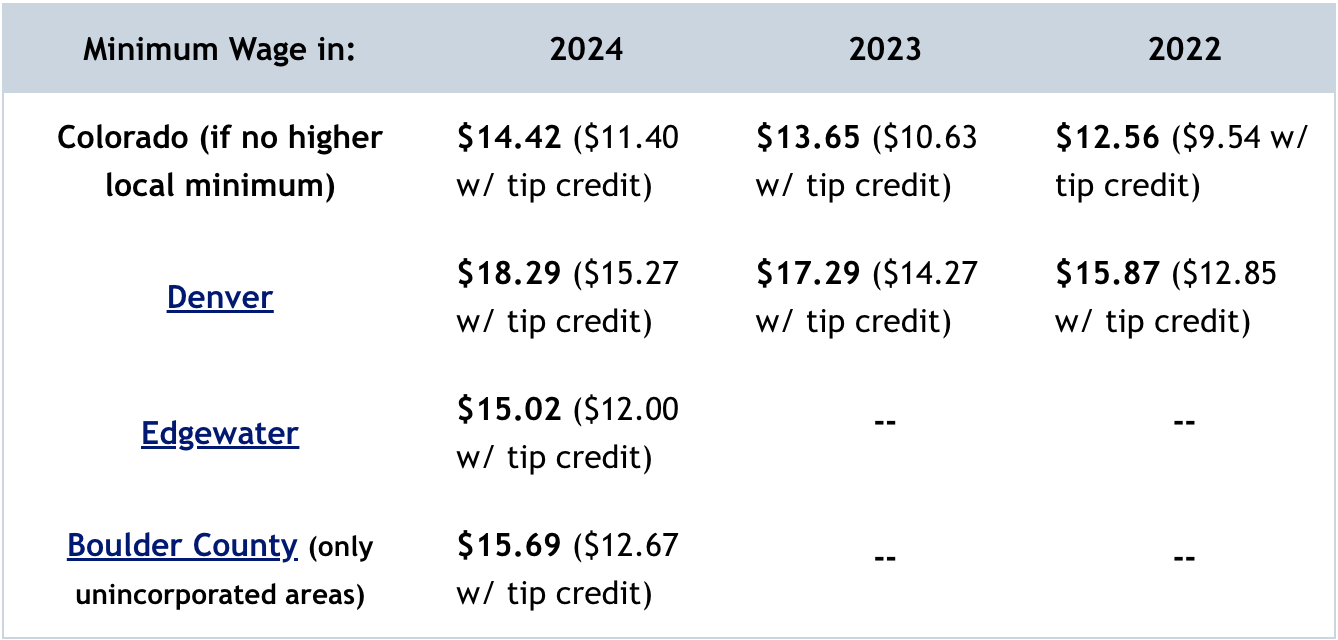
As of January 1, 2024, the statewide minimum wage in Colorado is $14.42 per hour. This rate is a significant increase from previous years, reflecting an ongoing effort to keep pace with inflation and the state’s growing economic pressures. For tipped employees, the minimum wage is set at $11.40 per hour, provided that their tips bring their total earnings up to at least the standard minimum wage of $14.42 per hour. If the combined hourly wage and tips do not meet the standard minimum, the employer is responsible for making up the difference.
These annual adjustments are not arbitrary. They are often tied to the Consumer Price Index (CPI) for the Denver-Aurora-Lakewood metropolitan area, ensuring that the minimum wage retains its purchasing power. This structured approach provides a degree of predictability for both employers and employees, allowing for better financial planning and budgeting. For those considering employment in Colorado’s service industries—a cornerstone of its tourism appeal—understanding these figures is the first step toward assessing their potential income and quality of life.
Local Variations and Higher Standards
While the statewide minimum wage provides a baseline, several Colorado cities have implemented their own, higher minimum wage rates to address localized cost-of-living challenges. These local ordinances reflect the diverse economic realities across the state, from the bustling urban centers to the exclusive mountain resorts.
For instance, the City and County of Denver currently boasts a minimum wage higher than the state average, set at $18.29 per hour as of January 1, 2024. Similarly, Boulder has also adopted a higher local minimum wage, demonstrating a commitment to supporting its residents amidst the city’s robust economy and premium living costs. Aurora, another prominent city within the Front Range, may also have its own specific regulations or be contemplating similar measures to address the economic well-being of its workforce. These variations mean that a job in the hospitality sector in downtown Denver might offer a significantly higher hourly wage than a similar position in a smaller, more rural part of the state.
For travelers, especially those planning longer stays or considering seasonal work, these local differences are vital. A higher minimum wage in a city like Denver or Boulder might mean slightly higher prices for services, but it also reflects a local economy designed to support a more expensive lifestyle. Conversely, it can make these cities more attractive for those seeking employment in the tourism industry, potentially leading to better earning opportunities.
Minimum Wage, Cost of Living, and Colorado Adventures
The allure of Colorado extends beyond its scenic beauty; it’s a dream destination for many seeking outdoor adventure, a vibrant culture, and a high quality of life. However, the practicalities of living or traveling here are inextricably linked to the cost of living, which in turn, interacts closely with the minimum wage. Understanding this relationship is key to making informed decisions about your Colorado experience.
The True Cost of Living in the Centennial State
Colorado consistently ranks as one of the more expensive states to live in, particularly in its major metropolitan areas and popular resort towns. While a $14.42 statewide minimum wage sounds substantial, it’s crucial to compare it against the actual expenses residents face. Housing is often the most significant challenge. Rent for a modest apartment in Denver, Boulder, or Fort Collins can easily consume a large portion of a minimum wage earner’s monthly income. Even in smaller cities like Colorado Springs or Pueblo, housing costs have been on the rise.
Beyond rent, daily essentials like groceries, transportation, utilities, and healthcare contribute significantly to the overall cost of living. Public transportation is available in major cities, but a personal vehicle is often necessary for exploring the wider state, adding expenses for fuel, insurance, and maintenance. When comparing the minimum wage to what is considered a “living wage”—the income necessary to afford a basic standard of living—there can be a considerable gap in many parts of Colorado. This gap highlights the financial strain some residents may experience, even with the state’s relatively high minimum wage.
Budgeting for Travel and Tourism
For visitors, the minimum wage figures indirectly affect their travel budget. Higher wages for hospitality staff can translate into slightly higher prices for hotel rooms, restaurant meals, and various services. However, it also contributes to a higher quality of service and a more stable local economy.
Travelers on a budget should be mindful of these economic realities. Exploring Colorado doesn’t have to break the bank, but it requires strategic planning. Instead of luxury resorts in Vail or Breckenridge, consider visiting during the shoulder seasons (spring and fall) when prices for accommodation and activities are lower. Opt for destinations like Glenwood Springs for its hot springs and outdoor activities, or explore the historic mining towns of Durango and Ouray in the San Juan Mountains, which offer rich experiences without the extreme price tags of the more famous ski resorts. Embracing free activities like hiking in Rocky Mountain National Park or exploring the geological wonders of Garden of the Gods near Colorado Springs can significantly stretch a travel budget.
Navigating Accommodation and Lifestyle on a Budget
Colorado’s reputation for stunning landscapes and outdoor adventure is well-deserved, attracting millions of visitors annually. However, experiencing this beauty, particularly on a tighter budget, requires careful consideration of accommodation and lifestyle choices. The minimum wage directly impacts the affordability of these aspects for both residents and travelers alike.

Smart Accommodation Choices
The cost of lodging in Colorado can vary dramatically, from opulent resorts to rustic campsites. For those with minimum wage considerations, whether as an employee or a budget-conscious traveler, smart accommodation choices are paramount. High-end hotels like the Grand Hyatt Denver or boutique stays in Aspen often come with price tags that reflect the higher wages paid to their staff and the premium amenities offered.
However, Colorado also offers a plethora of more affordable options. Hostels in cities like Denver and Boulder provide a cost-effective way to experience urban life. Vacation rentals through platforms like Airbnb or VRBO can offer more space and amenities for groups, potentially splitting costs more effectively. For the ultimate budget-friendly stay, camping is an iconic Colorado experience, with numerous campgrounds available in state parks and national forests, including those surrounding Rocky Mountain National Park. These options not only save money but also immerse visitors in the state’s natural beauty. Long-term stays for seasonal workers often involve shared housing or employee accommodations provided by resorts in areas like Keystone or Telluride, making it feasible to live and work in these sought-after locations.
Experiencing Colorado’s Culture and Cuisine Affordably
Dining out is an integral part of travel and lifestyle, but it can quickly deplete a budget. Minimum wage earners and budget travelers in Colorado can still savor the local flavors without overspending. Exploring local farmers’ markets for fresh, affordable produce and opting for self-catering in accommodations with kitchenettes can significantly reduce food expenses. Many towns, even popular tourist hubs, have hidden gems—food trucks, local diners, or happy hour specials—that offer delicious meals at a fraction of the cost of upscale restaurants.
Beyond food, Colorado provides countless free or low-cost activities that showcase its unique culture and natural wonders. Hiking trails are abundant and free, offering breathtaking views from Pikes Peak to the Great Sand Dunes National Park. Many towns host free festivals, concerts, and art walks, especially during the warmer months. Visiting historic sites like those in Mesa Verde National Park or exploring the quaint streets of Golden can be done affordably. These experiences allow individuals to deeply engage with the state’s offerings, proving that a rich Colorado lifestyle isn’t solely reserved for those with unlimited budgets.
The Minimum Wage’s Role in Colorado’s Tourism Sector
The tourism industry is a lifeblood of Colorado’s economy, creating a vast array of job opportunities and supporting countless local businesses. The minimum wage plays a critical, multifaceted role within this sector, influencing everything from employment patterns to the overall visitor experience and the economic viability of destinations.
Employment and Opportunities in Tourism
Colorado’s ski resorts, national parks, and vibrant cities are magnets for visitors, creating a high demand for labor in hospitality, retail, food service, and recreational activities. Minimum wage policies directly impact the compensation for these essential roles. From hotel housekeepers and front desk agents to restaurant servers, ski instructors, and tour guides, a significant portion of the tourism workforce earns at or around the minimum wage, particularly those in entry-level or seasonal positions.
The relatively higher minimum wage in Colorado, especially in cities like Denver and Boulder, makes these jobs more attractive than similar roles in states with lower wages. This can help attract and retain a skilled workforce, contributing to higher quality service for tourists. For those seeking a blend of work and lifestyle, particularly young adults or those looking for a change of pace, seasonal employment in mountain towns like Silverton or Keystone can be a fantastic way to experience Colorado’s outdoors while earning a living wage. These opportunities often come with perks such as ski passes or discounted access to attractions, further enhancing the appeal.
Economic Impact on Businesses and Destinations
For businesses within Colorado’s tourism sector, from small family-owned restaurants to large chain resorts, minimum wage increases present both challenges and opportunities. On one hand, higher labor costs necessitate adjustments to pricing, operational efficiencies, and business models. This can be particularly challenging for small businesses operating on tight margins. On the other hand, a better-paid workforce often leads to increased employee morale, reduced turnover, and improved service quality, which are crucial for maintaining Colorado’s reputation as a premier tourist destination.
Furthermore, when employees earn a living wage, they have more disposable income to spend within the local economy, creating a positive ripple effect. This internal spending supports other local businesses, fostering a more robust and resilient economic ecosystem. Destinations that prioritize fair wages often find themselves with a more stable and dedicated workforce, leading to consistent, high-quality experiences for visitors. Ultimately, the minimum wage in Colorado reflects a broader commitment to balancing economic growth with social equity, ensuring that the benefits of its thriving tourism industry are shared more widely.
Planning Your Colorado Journey: A Wage-Conscious Approach
Colorado’s appeal is undeniable, drawing in adventurers, nature lovers, and culture seekers from all corners of the globe. Whether you’re a long-time resident or planning your first visit, understanding the state’s economic landscape, particularly its minimum wage, allows for a more informed and enjoyable experience. Integrating this knowledge into your planning helps to navigate costs and unlock the best of what the state has to offer, regardless of your budget.
Tips for Budget-Savvy Travelers
For travelers seeking to maximize their experience while being mindful of expenses influenced by the minimum wage, strategic planning is essential:
- Visit During Shoulder Seasons: The spring (April-May) and fall (September-October) offer beautiful weather, fewer crowds, and significantly lower prices for flights and accommodations compared to peak summer and winter months.
- Utilize Public Transportation: In cities like Denver, Boulder, and Colorado Springs, public transport systems can save on rental car costs and parking fees. Some mountain towns also offer free shuttle services to popular attractions.
- Embrace the Outdoors: Many of Colorado’s most iconic attractions, such as hiking, biking, and scenic drives through areas like Rocky Mountain National Park or the San Juan Mountains, are free or have minimal entrance fees.
- Cook Some Meals: Staying in accommodations with kitchen facilities allows you to buy groceries and prepare some of your own meals, drastically cutting down on dining expenses. Explore local markets for fresh, regional produce.
- Look for Free Attractions: Seek out free museums, art galleries with free admission days, city parks, and public events. Many breweries and distilleries in Denver and Fort Collins offer free tours and tastings.
- Consider Bundled Deals: For activities like skiing, look for multi-day passes or package deals that combine lodging and lift tickets, which can offer significant savings.

The Broader Lifestyle Perspective
Beyond the numbers, the minimum wage in Colorado reflects a broader aspiration for a balanced lifestyle. For many, the dream of living and working amidst the state’s natural beauty, whether in a mountain town like Telluride or a bustling city like Denver, comes with the reality of economic considerations. The state’s commitment to regularly adjusting its minimum wage helps ensure that even entry-level positions can provide a pathway to a fulfilling life, allowing individuals to enjoy the active, outdoor-oriented culture that defines Colorado.
Ultimately, whether you’re working in a Vail resort or exploring the historic districts of Durango, understanding the minimum wage dynamics in Colorado provides a clearer picture of the value of your earnings or the expenses of your journey. It highlights the state’s efforts to balance a thriving economy with social responsibility, making Colorado a place where both residents and visitors can find adventure, culture, and a lifestyle that’s truly “out of the box.”