
Hawaii, a mesmerizing archipelago nestled in the heart of the Pacific Ocean, conjures images of sun-drenched beaches, verdant rainforests, and the intoxicating scent of plumeria. For many, the allure of the Hawaiian Islands lies not just in their breathtaking natural beauty but also in the promise of a pleasant, tropical climate. A common question that arises when planning a trip to this paradise is, “Is it humid in Hawaii?” The answer, like the islands themselves, is nuanced and depends on various factors. While Hawaii is undeniably a tropical destination, its humidity levels are often more moderate than one might expect, thanks to consistent trade winds and the vast expanse of the Pacific Ocean.
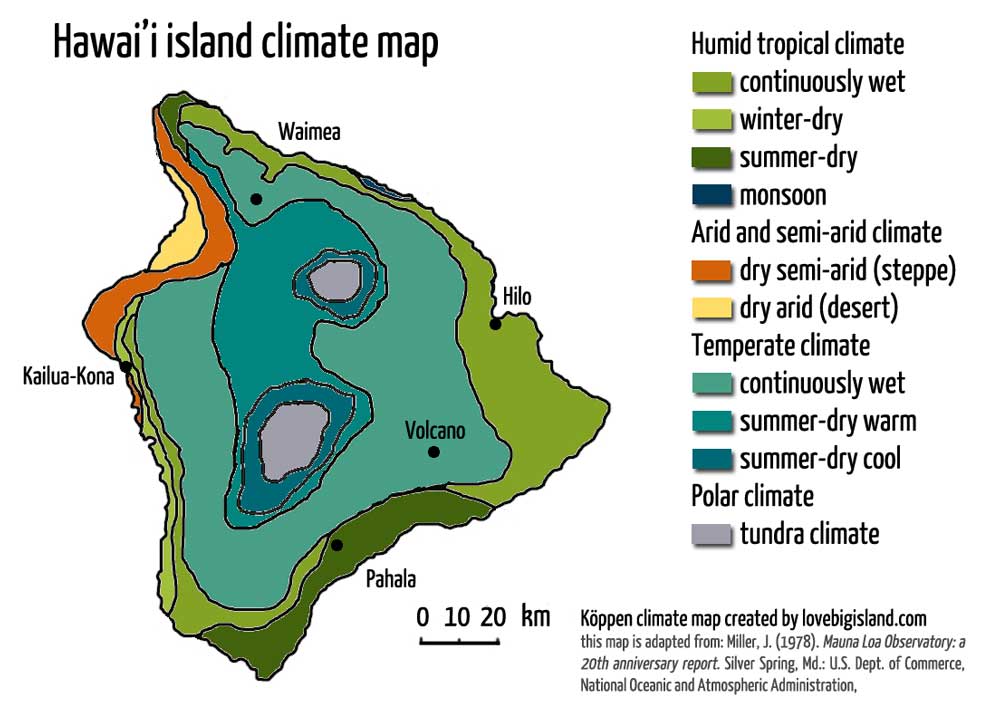
The popular perception of tropical locales often involves oppressive, sticky heat. However, Hawaii offers a more balanced climate experience, making it a highly sought-after destination for travelers seeking both warmth and comfort. This article delves into the climatic intricacies of Hawaii, exploring the factors that influence its humidity, the variations across different islands and elevations, and what this means for your dream vacation. We’ll also touch upon how the island’s unique geography and the pervasive trade winds contribute to a refreshing atmospheric experience, ensuring that your visit is more about gentle breezes and comfortable exploration than feeling perpetually damp. Understanding these nuances can help you pack appropriately and plan your activities to make the most of your time in this unparalleled island paradise.
Understanding Hawaii’s Climate: More Than Just Tropical
When we talk about Hawaii’s climate, it’s crucial to move beyond a simplistic “tropical” label. The islands boast a remarkable diversity of microclimates, a direct result of their volcanic origins, varied elevations, and prevailing wind patterns. The most significant factor mitigating excessive humidity is the reliable presence of the trade winds. These are easterly winds that blow consistently throughout much of the year, originating from the high-pressure system over the Pacific Ocean and flowing towards Hawaii.
The Influence of Trade Winds
The trade winds are the unsung heroes of Hawaii’s comfortable climate. They act as a natural air conditioning system, constantly circulating air and preventing stagnant, muggy conditions from settling in. This consistent airflow significantly lowers the perceived humidity, even when the actual moisture content in the air is high. Imagine standing on a beach in Waikiki on a calm day versus a breezy one – the difference in comfort is palpable, and the trade winds are primarily responsible for that refreshing sensation. On islands like Oahu, the Waianae Range and the Ko’olau Range create rain shadows, with the windward (northeastern) sides receiving more rain and often feeling slightly more humid due to dense vegetation, while the leeward (southwestern) sides tend to be drier and sunnier, with less humidity. This natural ventilation is a key reason why many visitors find Hawaii to be pleasantly warm, rather than uncomfortably hot and humid.
Elevation and Its Impact
Another critical factor influencing humidity is elevation. As you ascend the volcanic slopes of islands like Maui or the Big Island, temperatures drop, and humidity levels generally decrease. This is why visiting higher elevations, such as the summit of Mauna Kea or the slopes of Haleakalā, offers a stark contrast to the coastal areas. While the coast might experience a comfortable 75-85% relative humidity, higher altitudes can feel much drier and cooler. This variation allows for a diverse range of experiences, from sunbathing on the warm beaches of Kona to stargazing in the crisp, dry air of Mauna Kea. For those sensitive to humidity, seeking accommodations or activities at higher elevations can be a wise strategy.
Humidity Levels Across the Hawaiian Islands
While a general understanding of trade winds and elevation is helpful, it’s also beneficial to consider the subtle differences in humidity experienced across the main Hawaiian Islands. Each island has its unique geographical features that can influence local climate patterns.
Windward vs. Leeward Coasts
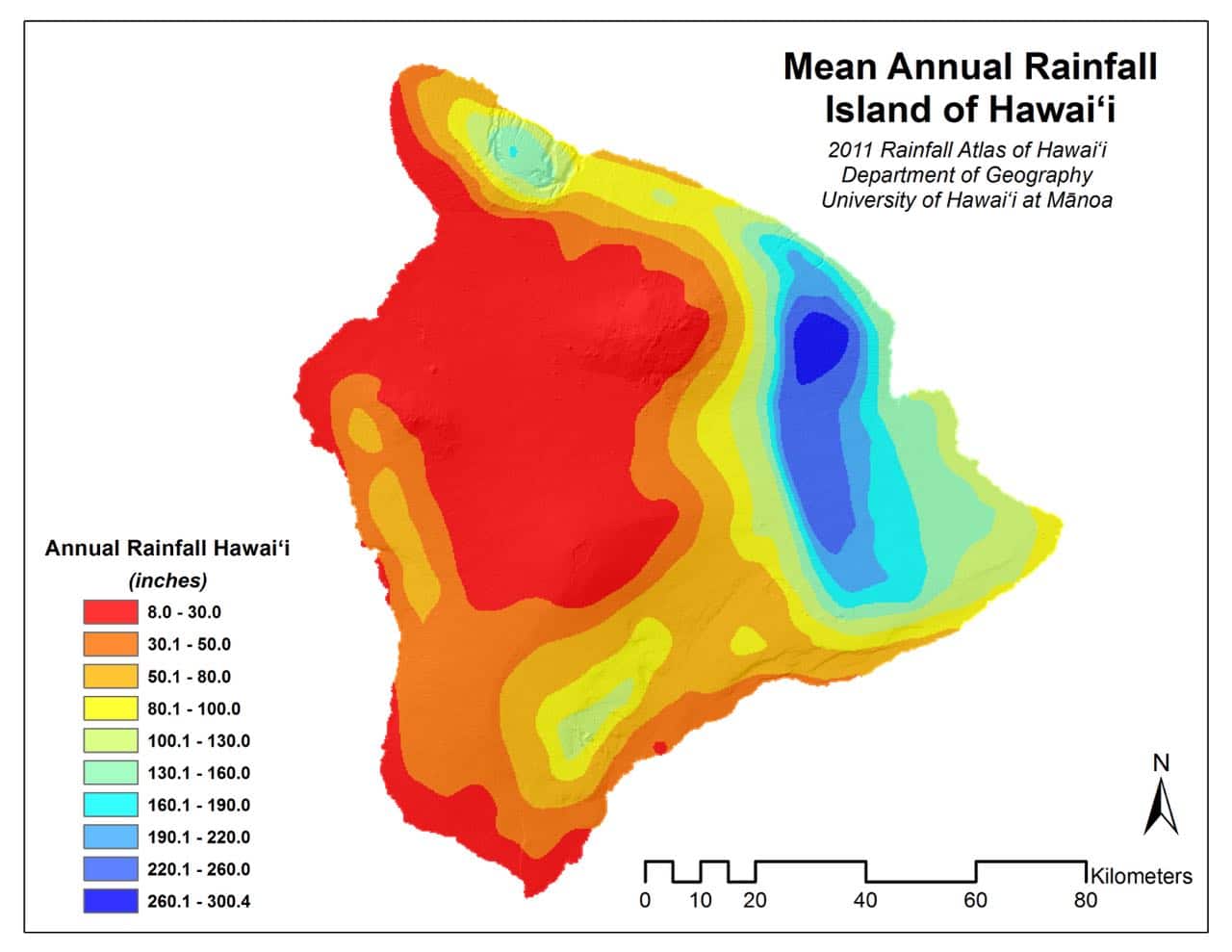
The most pronounced humidity variations are often found between the windward and leeward sides of each island. The windward coasts, facing the prevailing trade winds, are typically lusher, greener, and receive more rainfall. This increased moisture can lead to slightly higher humidity levels. For example, areas like Hana on Maui or the Hamakua Coast on the Big Island are known for their abundant rainfall and vibrant rainforests, suggesting a more humid environment.
Conversely, the leeward coasts are sheltered from the direct impact of the trade winds, often by mountain ranges. These regions tend to be drier, sunnier, and experience less rainfall. Popular tourist areas like Kailua-Kona on the Big Island or Kaanapali on Maui are situated on leeward coasts and are renowned for their reliably sunny weather and more moderate humidity. This contrast means that if you prefer drier conditions, choosing a resort in a leeward location might be more suitable.
Seasonal Variations
While Hawaii experiences relatively consistent temperatures year-round, there are some minor seasonal variations in humidity and rainfall. The “dry season” generally runs from April to October, with warmer temperatures and less rainfall. During this period, humidity levels tend to be lower, especially on the leeward coasts. The “wet season,” from November to March, sees slightly cooler temperatures and increased rainfall, particularly on the windward sides. However, even during the wet season, the trade winds often prevent the air from feeling oppressively damp. Heavy, prolonged downpours are rare; instead, you’re more likely to experience short, intense showers that quickly give way to sunshine.
Experiencing Hawaii’s Climate: Tips for Travelers
Understanding the nuances of Hawaii’s climate can significantly enhance your travel experience. Whether you’re planning a stay at a luxurious resort like the Four Seasons Resort Oahu at Ko Olina or exploring the natural wonders of Hawaii Volcanoes National Park, knowing what to expect will help you pack efficiently and plan your itinerary for maximum enjoyment.
Packing Essentials for Humid Conditions
Even with the moderating effect of trade winds, Hawaii is a tropical destination, and some preparations for humidity are wise. Lightweight, breathable clothing made from natural fibers like cotton or linen is highly recommended. Think loose-fitting shirts, shorts, skirts, and sundresses. Moisture-wicking fabrics can also be beneficial, especially if you plan on engaging in strenuous activities like hiking in areas like Diamond Head. Don’t forget a light rain jacket or poncho, particularly if you’re visiting during the wetter months or planning to explore the lush, windward parts of the islands. A wide-brimmed hat and sunglasses are essential for sun protection, and comfortable walking shoes are a must for exploring diverse terrains.
Choosing the Right Accommodation
When selecting your accommodation, consider its location in relation to the prevailing winds and your personal comfort levels with humidity. For those who are particularly sensitive to humidity, opting for a hotel or resort on the leeward side of an island, such as Lahaina on Maui or Ko Olina on Oahu, is often a good choice. These areas typically benefit from sunnier weather and lower humidity. Many hotels also offer air-conditioning, which can provide a welcome respite from any ambient humidity, especially in rooms or suites. When reading reviews for accommodations like the Grand Hyatt Kauai Resort & Spa or the Turtle Bay Resort, look for comments on the effectiveness of the air conditioning and the general comfort of the rooms.
Planning Activities for Optimal Comfort
The beauty of Hawaii’s varied climate lies in the diverse range of activities it supports. For a less humid experience, consider exploring higher elevations. A drive up to the summit of Haleakalā National Park on Maui offers breathtaking views and significantly cooler, drier air. Similarly, the observatories on Mauna Kea on the Big Island are at an altitude where humidity is minimal.
If you’re visiting coastal areas, mornings and late afternoons are often the most pleasant times, with less intense sun and gentle breezes. Midday can be warmer, but the trade winds usually keep it from becoming stifling. For those interested in water activities, the ocean itself provides a refreshing escape from any ambient warmth. Snorkeling in the clear waters off Molokini or learning to surf on the shores of Waikiki are perfect ways to enjoy the tropical environment without feeling overwhelmed by humidity. Remember that even on a slightly more humid day, the constant presence of the Pacific Ocean and the islands’ natural ventilation create a far more comfortable experience than many other tropical destinations. Ultimately, Hawaii offers a climate that is both exhilarating and wonderfully conducive to relaxation and adventure.
LifeOutOfTheBox is a participant in the Amazon Services LLC Associates Program, an affiliate advertising program designed to provide a means for sites to earn advertising fees by advertising and linking to Amazon.com. Amazon, the Amazon logo, AmazonSupply, and the AmazonSupply logo are trademarks of Amazon.com, Inc. or its affiliates. As an Amazon Associate we earn affiliate commissions from qualifying purchases.