
While the allure of Louisiana often conjures images of vibrant New Orleans, the savory delights of Creole cuisine, and the majestic Mississippi River, for many residents and those considering a move to the Pelican State, a more pressing question arises: “How much is minimum wage in Louisiana?” This fundamental aspect of the local economy directly impacts the daily lives of countless individuals, influences the cost of living, and shapes the broader lifestyle landscape of this unique Southern state. Understanding the minimum wage is not just about a number; it’s about its implications for budget travel, family trips, and even the accessibility of luxury travel for a wider segment of the population.
The minimum wage is a statutory minimum price employers are allowed to pay their workers. It’s a critical tool in combating poverty, ensuring a basic standard of living, and stimulating economic activity by putting more disposable income into the hands of consumers. In Louisiana, like in many other states, the minimum wage is subject to federal and state regulations, creating a landscape that requires careful navigation for both employers and employees. This article delves into the current minimum wage in Louisiana, explores its historical context, discusses potential future changes, and examines the broader economic and social implications for residents and visitors alike.
The Current Minimum Wage in Louisiana: A Federal Foundation
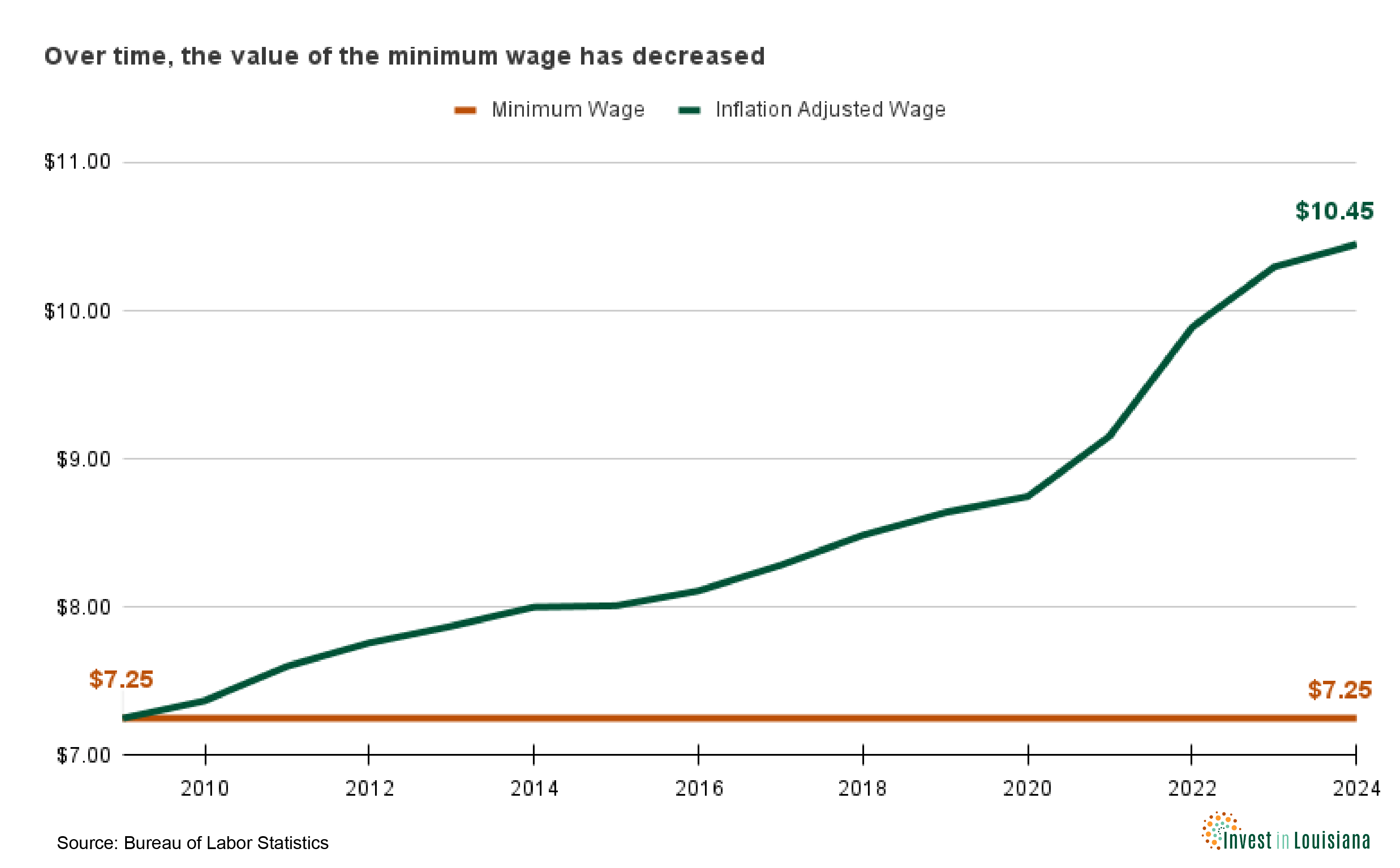
To understand the minimum wage in Louisiana, we must first look to the federal minimum wage. The Fair Labor Standards Act (FLSA) establishes a federal minimum wage, which acts as a floor for wages across the United States. Currently, the federal minimum wage stands at $7.25 per hour. This rate has been in effect since July 24, 2009.
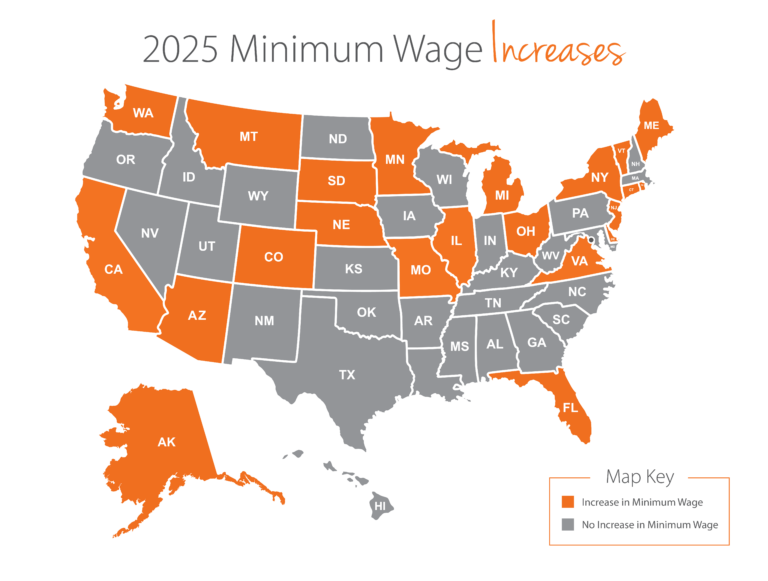
Critically, states have the authority to set their own minimum wage rates. However, if a state’s minimum wage is higher than the federal minimum wage, employers must pay the higher state rate. Conversely, if a state’s minimum wage is lower than the federal rate, or if it has not established its own minimum wage, then the federal minimum wage of $7.25 per hour applies.
This brings us to the specific situation in Louisiana. As of now, Louisiana has not enacted a state-specific minimum wage that is higher than the federal minimum wage. Therefore, the minimum wage in Louisiana is effectively the federal minimum wage of $7.25 per hour. This means that for most employees in Louisiana, employers are legally obligated to pay at least $7.25 per hour for their work.
Exceptions and Tipped Employees
It’s important to note that there are certain exceptions to the minimum wage law. For instance, some employees may be exempt from minimum wage requirements if they meet specific criteria, such as being an executive, administrative, or professional employee. Additionally, student learners and individuals with disabilities may be subject to special minimum wage provisions.
A significant category of workers for whom special rules apply are tipped employees. In Louisiana, as under federal law, employers can pay a lower direct cash wage to tipped employees, provided that the employee’s tips, when combined with the direct cash wage, reach at least the federal minimum wage of $7.25 per hour. The current cash wage that employers can pay tipped employees in Louisiana is $2.13 per hour. This means that employers must ensure that the employee’s earnings from tips and the $2.13 direct wage add up to at least $7.25 per hour. If an employee’s tips do not bring their total earnings up to $7.25 per hour, the employer is responsible for making up the difference. This provision is particularly relevant in the vibrant hospitality sector of Louisiana, a cornerstone of its tourism industry, especially in cities like New Orleans with its world-renowned restaurants and bars.
The Broader Implications of the Minimum Wage in Louisiana
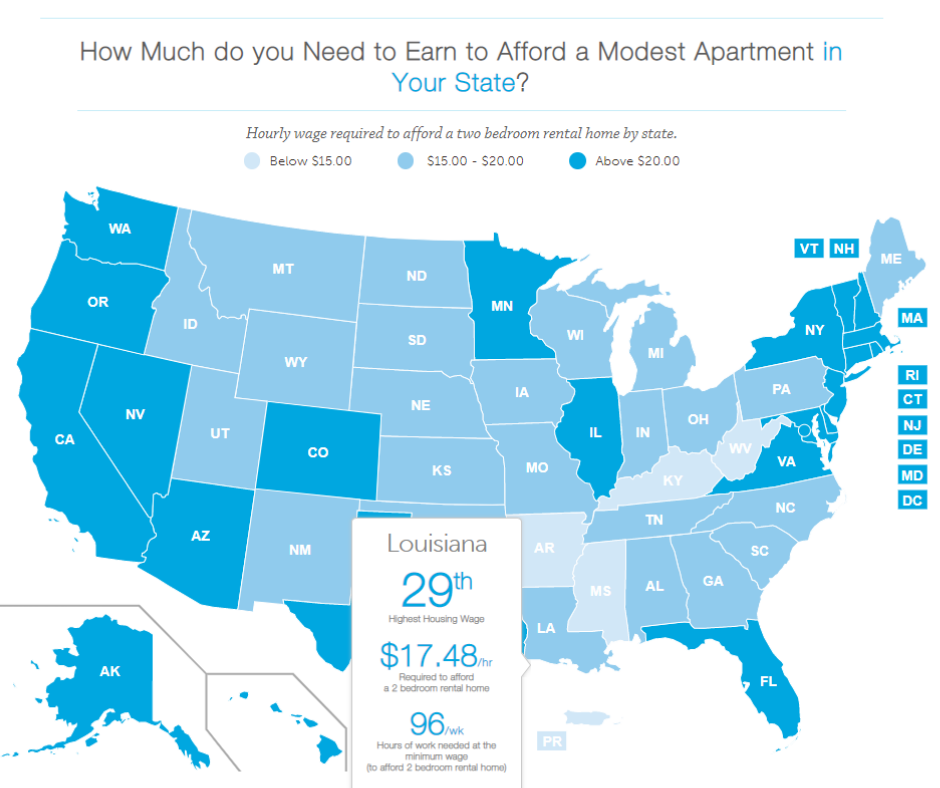
The current minimum wage of $7.25 per hour in Louisiana has significant implications that extend far beyond the pay stubs of individual workers. It touches upon the cost of living, the accessibility of various lifestyle choices, and the overall economic health of the state.
For individuals and families living on minimum wage, affording basic necessities like housing, food, and transportation can be a considerable challenge. This can influence the types of accommodation they can afford, from seeking out more budget-friendly apartments to potentially longer-term stays in less expensive areas, rather than opting for the resort experiences often found near popular attractions. The ability to enjoy the cultural richness and diverse culinary scene that Louisiana offers can also be directly impacted, as disposable income is a primary determinant of participation in tourism and experiences.
Impact on Tourism and Hospitality
The tourism sector in Louisiana, a vital economic engine, is particularly intertwined with the minimum wage. Popular destinations like New Orleans, with its iconic French Quarter, Bourbon Street, and the historic St. Louis Cathedral, rely heavily on a workforce that often includes many minimum wage earners in hotels, restaurants, and service roles.
If the minimum wage were to increase significantly, it could lead to higher labor costs for businesses in the hospitality industry. This could potentially translate into increased prices for hotel stays, dining, and other tourist-related services. While this might seem detrimental to budget travel, some argue that a higher minimum wage can boost the local economy by increasing consumer spending, which could ultimately benefit businesses in the long run. It also ensures that those working in these vital industries can afford to live comfortably within the communities they serve, potentially enhancing the overall quality of life and the appeal of Louisiana as a place to live and work.
Furthermore, a robust minimum wage can contribute to a more stable and experienced workforce. When workers are paid a wage that allows them to meet their basic needs, they are more likely to remain in their jobs, reducing employee turnover and its associated costs for businesses. This can lead to improved customer service and a more positive overall visitor experience, enhancing Louisiana‘s reputation as a welcoming destination.
The Debate for an Increase and Potential Future Changes
The question of whether Louisiana should raise its minimum wage above the federal floor is a recurring topic of discussion. Proponents of an increase argue that the current rate of $7.25 per hour has not kept pace with inflation and the rising cost of living, making it increasingly difficult for workers to support themselves and their families. They point to studies that suggest a higher minimum wage can reduce poverty, decrease income inequality, and stimulate economic growth through increased consumer demand.
Opponents often raise concerns about the potential negative impacts on businesses, particularly small businesses, which may struggle to absorb increased labor costs. They argue that higher wages could lead to job losses, reduced hiring, and increased prices for consumers.
Several other states and cities have enacted minimum wage rates significantly higher than the federal standard. These legislative actions often involve gradual increases over several years, allowing businesses time to adapt. While Louisiana has not followed this trend, the ongoing national conversation about wage equity and the economic well-being of workers means that the minimum wage in the state could be a subject of future legislative debate and potential reform. Any changes would likely be carefully considered, weighing the potential benefits to workers against the potential impacts on businesses and the broader economy, including the crucial tourism and accommodation sectors.
Whether considering a short getaway to explore the Garden District or a longer stay to immerse oneself in the rich history of Plantation Country, the economic landscape of Louisiana, including its minimum wage, plays a role in shaping the accessibility and affordability of these experiences for both locals and visitors. Understanding “How Much Is Minimum Wage In Louisiana?” provides a crucial lens through which to view the state’s economic realities and its potential for future growth and prosperity for all its residents.
LifeOutOfTheBox is a participant in the Amazon Services LLC Associates Program, an affiliate advertising program designed to provide a means for sites to earn advertising fees by advertising and linking to Amazon.com. Amazon, the Amazon logo, AmazonSupply, and the AmazonSupply logo are trademarks of Amazon.com, Inc. or its affiliates. As an Amazon Associate we earn affiliate commissions from qualifying purchases.