
New York, often dubbed the Empire State, is a global hub for finance, fashion, arts, and tourism, drawing millions of visitors each year. From the bustling streets of Manhattan to the serene landscapes of Upstate New York, it offers a diverse range of experiences. However, beneath the veneer of iconic landmarks and vibrant culture lies a critical economic reality: the minimum wage. Understanding “how much is minimum wage in New York?” is not just a matter of basic economics; it’s a window into the cost of living, the health of the tourism industry, and the lifestyle choices available to both residents and visitors.
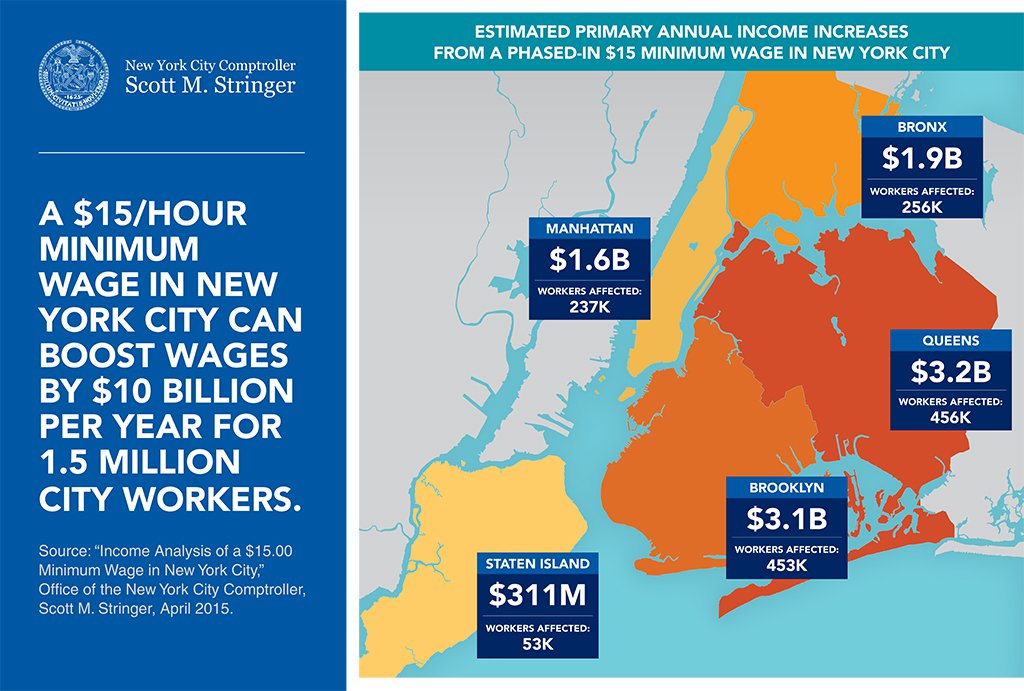
The concept of a minimum wage is designed to ensure a basic standard of living for workers, yet its adequacy is a constant subject of debate, particularly in high-cost areas like New York City. For anyone considering employment in the state, contemplating a long-term stay, or even just planning a trip and wondering about the prices of local services, comprehending these wage structures is essential. This article delves into the specifics of New York’s minimum wage, exploring its regional variations, its profound impact on the cost of living, and its far-reaching implications for the state’s vital tourism and hospitality sectors. We will also touch upon how these wages influence the daily lives of those working in these industries and, by extension, the experiences of those who travel to enjoy the splendors of New York.
Understanding New York’s Minimum Wage Landscape
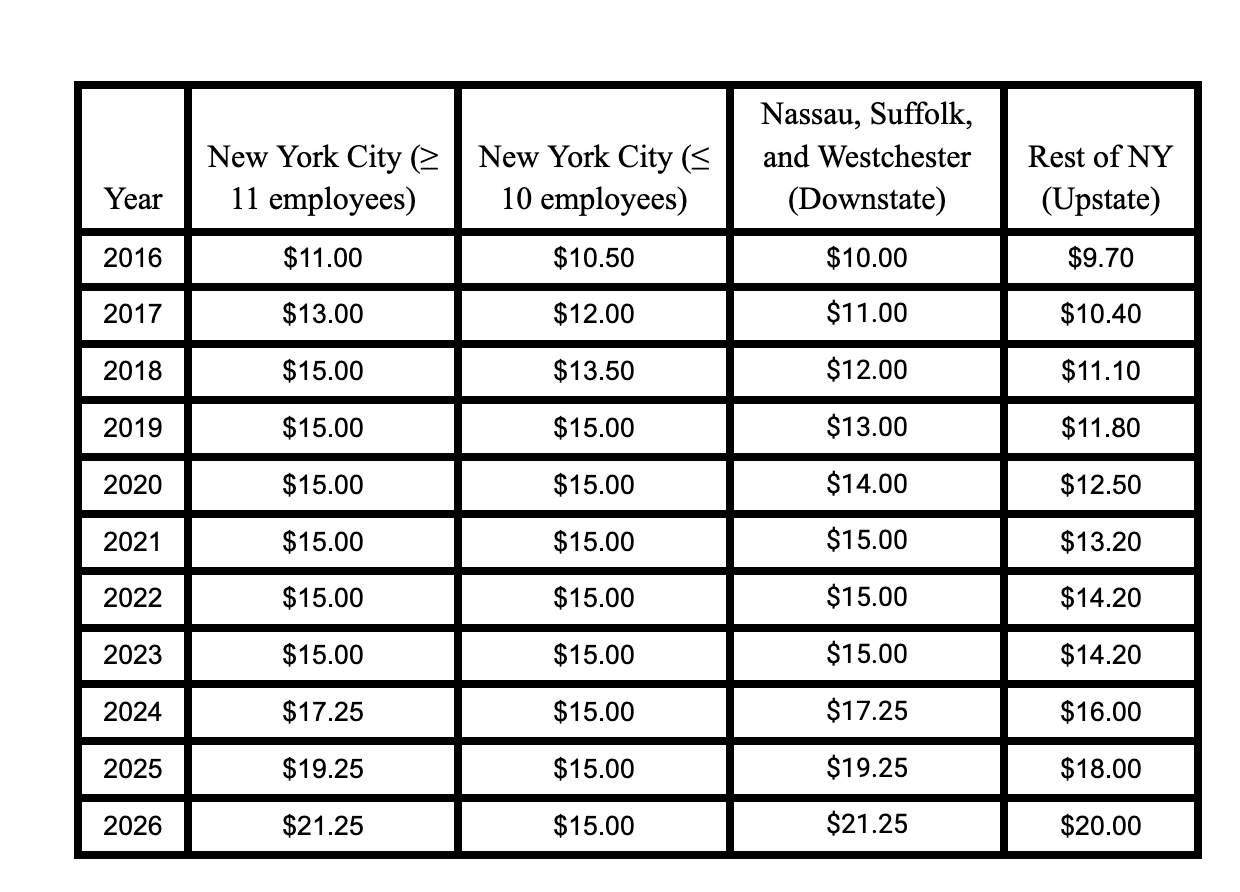
The minimum wage in New York State is not uniform; it varies significantly depending on the region, reflecting the differences in local economies and costs of living. This tiered system is a crucial aspect to grasp when discussing wages in the Empire State.
Regional Variations Across the Empire State
At the heart of this discussion are the specific rates. As of recent updates, the minimum wage generally stands highest in New York City and its surrounding counties, gradually decreasing as one moves further Upstate.
- New York City: The five boroughs — Manhattan, Brooklyn, Queens, Bronx, and Staten Island — typically have the highest minimum wage rate in the state. This reflects the extraordinarily high cost of living within the metropolis, where even basic expenses like rent and transportation can consume a substantial portion of one’s income.
- Nassau, Suffolk, and Westchester Counties: These counties, comprising parts of Long Island and the Hudson Valley just north of New York City, usually have a slightly lower, but still elevated, minimum wage compared to the city itself. They are considered suburban extensions of the greater metropolitan area, sharing some of the same economic pressures and higher living expenses.
- Rest of New York State: For all other counties across Upstate New York, the minimum wage is set at a lower rate. While still substantial compared to the federal minimum wage, it acknowledges the comparatively lower cost of living in these more rural or less densely populated regions.
These rates are subject to annual adjustments, typically at the end of each year, following a schedule set by the state legislature. Employers must adhere to these minimums, ensuring that their employees are compensated fairly according to their location.
Tipped Workers and Special Exemptions
Beyond the standard minimum wage, New York also has specific regulations for tipped employees, particularly prevalent in the hospitality sector. For workers who regularly receive tips, such as restaurant servers, bartenders, and hotel bellhops, employers are allowed to pay a lower base wage, known as a “tip credit” wage. However, this is only permissible if the employee’s tips, when combined with their base wage, meet or exceed the standard minimum wage for their region. If the combined total falls short, the employer is legally obligated to make up the difference.
There are also certain exemptions and special rates for specific categories of workers, such as farm laborers, specific non-profit organization employees, and individuals with disabilities, though these are less common within the general tourism and hospitality industries that travelers typically encounter. Understanding these nuances is vital for both employers operating in New York and employees trying to calculate their potential earnings.
The Cost of Living in the Empire State and Its Impact
The minimum wage figures, while informative, only tell part of the story. To truly understand their significance, one must consider them in the context of New York’s notoriously high cost of living. This is particularly true in New York City, where housing, transportation, and daily essentials can quickly devour a minimum wage earner’s income.
Navigating Daily Expenses on Minimum Wage
For many, the minimum wage in New York represents a starting point, a baseline from which to cover essential expenses. However, achieving a comfortable lifestyle, especially in major metropolitan areas, can be an immense challenge.
- Housing: This is arguably the most significant financial burden. A single minimum wage earner would struggle immensely to afford a studio apartment in Manhattan, where average rents can easily exceed $3,000 per month. Even in the outer boroughs or suburban counties like Westchester County, affordable housing remains scarce. This often forces minimum wage workers to commute long distances, share apartments with multiple roommates, or seek subsidized housing.
- Transportation: While New York City boasts an extensive public transportation network managed by the MTA (including the Subway and bus systems), the cost of a monthly pass is a fixed expense that adds up. Outside the city, reliance on personal vehicles introduces additional costs like fuel, insurance, and parking.
- Food and Utilities: Groceries, dining out, and essential utilities like electricity and heating also contribute to a high cost of living. While budget-friendly options exist, maintaining a balanced diet and comfortable living conditions on a minimum wage requires careful budgeting.
- Healthcare and Other Necessities: Access to affordable healthcare, childcare, and other basic services further strains the budgets of minimum wage workers. These costs can significantly impact an individual’s quality of life and financial stability.
The disparity between the minimum wage and the actual cost of living often leads to discussions about a “living wage” – an amount considered necessary to afford a basic but decent standard of living. In many parts of New York, the minimum wage falls short of this threshold, particularly for individuals supporting families.
Lifestyle Implications for Residents
The economic realities shaped by the minimum wage have direct implications for the lifestyle choices of New York residents. For those earning minimum wage, luxury travel or frequent indulgent experiences are often out of reach. Instead, their lifestyle might be characterized by:
- Budget-Conscious Leisure: Enjoying free attractions like Central Park, walking across the Brooklyn Bridge, or exploring various neighborhoods (Greenwich Village) become primary forms of entertainment.
- Limited Dining Options: While New York is a culinary paradise, fine dining is a rarity. Instead, affordable street food, casual diners, and home-cooked meals become the norm.
- Accommodation Challenges: The dream of owning a home or even renting a spacious apartment often remains elusive, pushing residents to make pragmatic choices regarding their living situations.
Understanding these lifestyle constraints is crucial for appreciating the daily struggles and resilience of many New Yorkers who contribute significantly to the state’s economy, often through jobs in the service and tourism sectors.
Minimum Wage and the New York Tourism & Hospitality Sector
New York’s tourism and hospitality industry is a colossal economic engine, attracting over 60 million visitors annually to New York City alone, and millions more to other parts of the state. This sector relies heavily on a workforce comprising hotel staff, restaurant employees, tour guides, retail workers, and more, many of whom earn minimum wage or close to it. The minimum wage significantly influences both the operational costs for businesses and the quality of the visitor experience.
Impact on Businesses and Pricing
For hotels, restaurants, and various tourist attractions across New York, labor costs are a substantial operating expense. An increase in the minimum wage directly translates to higher payrolls.
- Hotels: From boutique hotels in SoHo to grand establishments like The Plaza Hotel, staffing is extensive. Housekeepers, front desk agents, concierges, bellhops, and kitchen staff all contribute to a hotel’s seamless operation. Higher minimum wages can increase the cost of a night’s stay, as businesses try to absorb or pass on these elevated labor expenses. This might subtly influence accommodation booking choices, pushing some travelers towards more budget-friendly hotels or longer-term stay apartments.
- Restaurants: New York’s diverse culinary scene, from Michelin-starred restaurants to iconic delis, employs countless individuals. Minimum wage increases impact kitchen staff, bussers, and even servers (where the tip credit applies). This can lead to slightly higher menu prices, which visitors might notice.
- Attractions and Retail: Employees at world-renowned sites like the Empire State Building, Times Square retail stores, or the Museum of Modern Art also see their wages adjusted. While ticket prices at major attractions are generally less sensitive to minimum wage fluctuations due to their unique draw, smaller businesses in tourist areas might adjust pricing or staffing levels.
The balancing act for businesses is to manage these increased costs without alienating customers or jeopardizing their competitiveness.
Quality of Service and Employee Retention
Paradoxically, a higher minimum wage can also lead to an improved quality of service within the tourism sector. When employees are paid a more livable wage:
- Increased Motivation and Productivity: Workers who feel adequately compensated are often more motivated, productive, and committed to their jobs. This translates into better service at hotels, more attentive staff in restaurants, and more knowledgeable guides at attractions.
- Reduced Turnover: High turnover is costly for businesses due to recruitment and training expenses. A competitive minimum wage helps retain experienced staff, fostering a more skilled and stable workforce. This stability contributes to a consistent and higher standard of customer service, which is a significant factor in positive travel experiences and repeat tourism.
- Attracting Talent: In a competitive job market, especially for service roles, a higher minimum wage can attract a broader pool of talent, including those with excellent customer service skills and a strong work ethic.
Ultimately, the minimum wage in New York’s tourism and hospitality sector is a double-edged sword: it presents cost challenges for businesses but also offers the potential for a more engaged, skilled, and satisfied workforce, leading to a better overall experience for the millions who visit the state.
Navigating New York as a Traveler: Budget vs. Luxury
For travelers, understanding the minimum wage environment in New York can provide valuable insights into the local economy and help inform travel budgeting decisions. Whether planning a luxury escape or an affordable adventure, the underlying cost of labor plays a role in the services and products encountered.
Tips for Budget-Conscious Exploration
For travelers looking to experience New York without breaking the bank, a higher minimum wage implies that labor-intensive services will inherently be more expensive. However, this doesn’t mean a fulfilling trip is out of reach.
- Affordable Accommodation: Instead of high-end hotels like The St. Regis New York, consider budget hotels in areas like Long Island City (Queens) or Downtown Brooklyn, which offer excellent Subway access to Manhattan. Hostels in popular neighborhoods can also provide a cost-effective stay. Exploring options for accommodation outside the immediate urban core, perhaps in Upstate New York for nature-focused trips, also offers value.
- Free and Low-Cost Attractions: New York is rich in experiences that cost little to nothing. Walking across the Brooklyn Bridge, strolling through Central Park, exploring the High Line, or taking a ride on the Staten Island Ferry for views of the Statue of Liberty are all iconic and free. Many museums, like the Metropolitan Museum of Art, offer “pay-what-you-wish” admission days.
- Smart Dining Choices: Embrace the vibrant street food scene, seek out ethnic eateries in neighborhoods like Flushing or the Bronx, and take advantage of lunch specials. Preparing some meals in accommodation with kitchenettes can also significantly cut costs.
- Public Transportation: The MTA is your best friend for navigating New York City. An unlimited weekly pass can be a wise investment for frequent explorers. For trips further afield, regional trains like the LIRR or Metro-North offer affordable access to surrounding areas.
The Luxury Travel Perspective
For those seeking luxury travel experiences, New York offers unparalleled options, and the minimum wage plays a more subtle role. High-end hotels, exclusive restaurants, and personalized tours are staffed by professionals who, while possibly starting at minimum wage, quickly move to higher salaries or rely on substantial tips. The higher base wage ensures a foundational standard of living, allowing these establishments to attract and retain highly skilled individuals committed to providing exceptional service.
Guests paying premium prices expect and receive top-tier service, from the concierge at The Carlyle to the sommelier at a Michelin-starred restaurant. The cost associated with a well-compensated, professional workforce is embedded in the luxury pricing, guaranteeing that every aspect of the experience lives up to its exclusive billing. Thus, whether one is experiencing Broadway shows, shopping on Fifth Avenue, or staying in a lavish suite, the investment in a fairly compensated workforce underpins the high standards that New York’s luxury sector is known for.
Future Outlook and Economic Implications
The minimum wage in New York is not static; it is a dynamic figure influenced by legislative action, economic conditions, and ongoing social debates. Its future trajectory will continue to shape the state’s economy, particularly its vital tourism and hospitality industries.
Ongoing Debates and Potential Increases
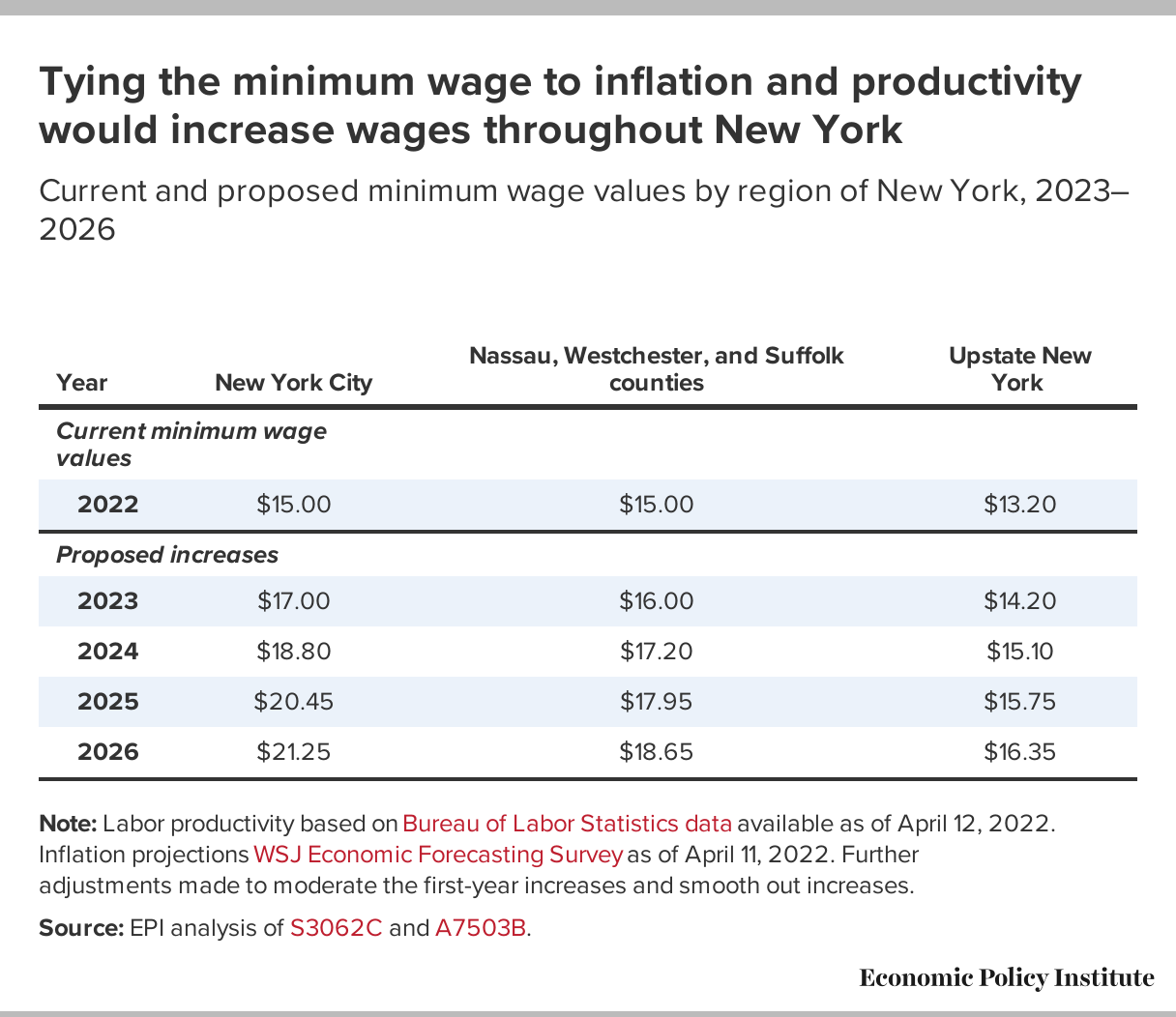
There is a persistent call from labor advocates and some policymakers for a “living wage” that truly reflects the cost of living, especially in expensive areas like New York City. While the state has made significant strides in raising the minimum wage over the past decade, the debate continues over whether current rates are sufficient to prevent poverty and ensure economic security for all workers.
Future increases are likely to be debated annually, weighing the needs of workers against concerns from businesses about increased operational costs and potential job losses. Factors such as inflation, economic growth, and unemployment rates will all play a role in determining how the minimum wage evolves. Any further significant increases would undoubtedly continue to reshape the economic landscape for local residents and influence the pricing structures for goods and services relevant to tourists.
Broader Economic Ripple Effects
The minimum wage has ripple effects that extend far beyond the paychecks of individual workers and the balance sheets of businesses.
- Consumer Spending: Higher wages for low-income workers can boost consumer spending, as these individuals are more likely to spend additional income on necessities and local goods and services. This can stimulate local economies, benefiting retail, food services, and various entertainment venues.
- Income Inequality: Adjusting the minimum wage is often seen as a tool to address income inequality, helping to narrow the gap between the highest and lowest earners. While not a complete solution, it contributes to broader efforts for economic fairness.
- Regional Economic Development: The tiered minimum wage system also plays a role in regional economic development. Areas with lower minimum wages might attract certain types of businesses seeking lower labor costs, while areas with higher wages often see investments in sectors that can afford to pay more, such as technology or specialized services, or those that command premium pricing for their offerings, like high-end tourism.
In conclusion, the minimum wage in New York is more than just a number; it’s a fundamental economic lever that impacts everything from an individual’s ability to afford an apartment to the price of a hotel room for a visitor. It reflects the complex interplay of social policy, economic realities, and the aspirations for a fair and prosperous society within one of the world’s most dynamic states. For residents, it defines their daily struggle and lifestyle choices; for travelers, it subtly shapes the cost and quality of their unforgettable New York experience.
LifeOutOfTheBox is a participant in the Amazon Services LLC Associates Program, an affiliate advertising program designed to provide a means for sites to earn advertising fees by advertising and linking to Amazon.com. Amazon, the Amazon logo, AmazonSupply, and the AmazonSupply logo are trademarks of Amazon.com, Inc. or its affiliates. As an Amazon Associate we earn affiliate commissions from qualifying purchases.