
For anyone considering a trip to the Lone Star State, planning a move, or simply curious about the economic landscape, understanding the minimum wage in Texas is a fundamental piece of information. Whether you’re a budget-conscious traveler mapping out expenses for a culinary tour through Austin, a prospective hospitality worker eyeing opportunities in Dallas‘s vibrant hotel scene, or a local resident managing daily living costs, the minimum wage plays a significant role in the overall lifestyle and economic experience. Unlike some states that set their own higher minimum wage, Texas currently adheres to the federal standard. This article delves into the specifics of the minimum wage in Texas, exploring its implications for tourism, accommodation, and the broader lifestyle across its diverse cities and regions.
Understanding the Minimum Wage Landscape in the Lone Star State
Texas, renowned for its expansive landscapes, rich history, and diverse culture, operates under the federal minimum wage guidelines. This alignment has significant ramifications for both employers and employees, particularly within the state’s burgeoning tourism and hospitality sectors. From the bustling streets of Houston to the historic charm of San Antonio, the federal standard sets the baseline for earnings, influencing everything from the cost of services to the budgeting strategies of locals and visitors alike.
The Federal Standard and Texas’s Approach
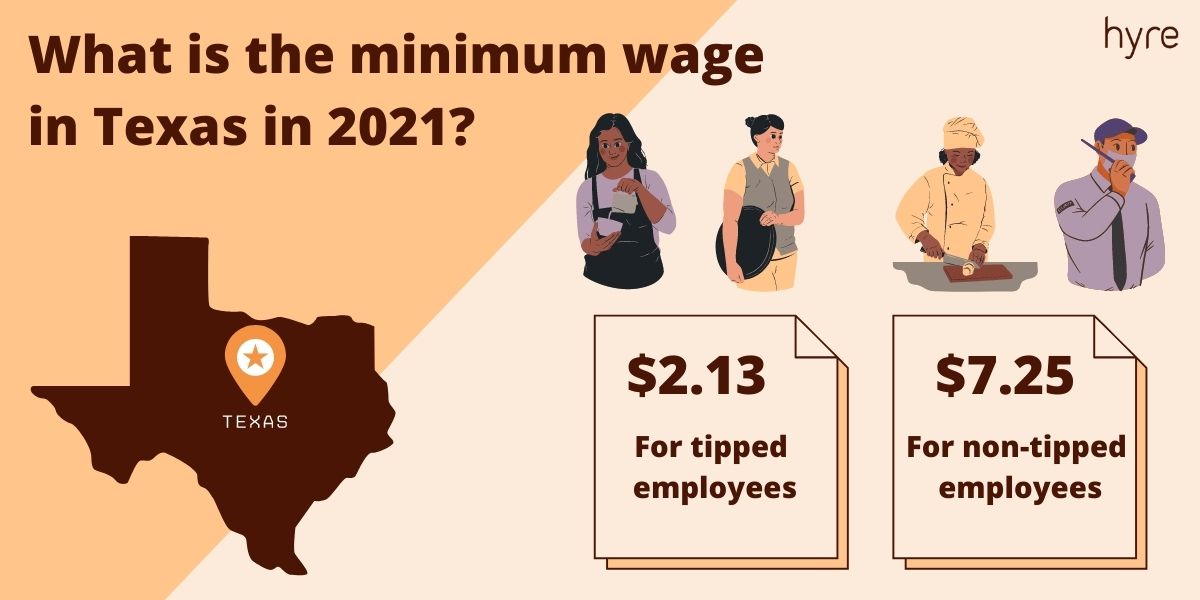
As of the current date, the minimum wage in Texas is $7.25 per hour. This rate has been in effect since July 24, 2009, when the federal minimum wage was last increased across the United States. The Fair Labor Standards Act (FLSA), a federal law, establishes the minimum wage, overtime pay, recordkeeping, and child labor standards affecting full-time and part-time workers in the private sector and in federal, state, and local governments. Because Texas has not enacted its own state minimum wage law that sets a higher rate, the federal minimum wage is the applicable standard for most employees within the state.
This means that employers in Texas must pay their non-exempt employees at least $7.25 per hour. For visitors, this translates into a generally lower labor cost compared to states with higher minimum wages. While this might not directly affect the price of a luxury suite in a Dallas hotel or a premium experience at a Houston landmark, it certainly influences the operational costs for many businesses in the service industry, which can indirectly impact consumer prices for budget travel options, local eateries, and various tourism activities. Understanding this baseline is crucial for travelers who wish to gauge the general economic climate and for those who might consider seasonal or temporary work in Texas’s vibrant travel and tourism industry.
Key Exceptions: Tipped Employees and Youth Wages
While the $7.25 per hour standard applies broadly, there are important exceptions, particularly relevant to the hospitality and service industries. These exceptions often spark discussions about a living wage and impact the real earnings of many workers integral to the travel experience.
- Tipped Employees: In Texas, as per federal law, employers of tipped employees are allowed to pay a lower direct cash wage, provided that the employee’s tips, combined with their direct wage, meet or exceed the federal minimum wage of $7.25 per hour. The federal minimum cash wage for tipped employees is $2.13 per hour. If an employee’s tips do not bring their hourly earnings up to $7.25, the employer is legally obligated to make up the difference. This system is prevalent in restaurants, bars, and other service establishments found throughout Texas‘s popular tourist destinations like Austin’s Sixth Street or San Antonio’s Riverwalk. For travelers, this highlights the importance of tipping appropriately, as it forms a significant portion of many service workers’ income.
- Youth Minimum Wage: The FLSA allows employers to pay a youth minimum wage of $4.25 per hour to employees under 20 years of age during their first 90 consecutive calendar days of employment. After 90 days or when the employee reaches 20, whichever comes first, the wage must increase to the federal minimum wage of $7.25 per hour. This provision often applies to entry-level positions within hotels, theme parks like Six Flags Over Texas, and other seasonal attractions that frequently hire younger workers.
- Other Exemptions: Certain full-time students, workers with disabilities, and individuals engaged in specific seasonal recreational establishments may also be paid less than the federal minimum wage under special certificates issued by the U.S. Department of Labor. These exemptions, while specific, underscore the nuances of minimum wage application across various sectors, including those that cater to tourism.
The Minimum Wage and Texas’s Thriving Tourism and Hospitality Sector
Texas’s economy benefits immensely from its robust tourism and hospitality sector, attracting millions of visitors annually to its diverse attractions, from the beaches of South Padre Island to the vast wilderness of Big Bend National Park. The minimum wage, while a baseline, subtly shapes the dynamics of this critical industry, affecting both those who serve and those who are served.
Impact on Workers in Hotels, Restaurants, and Attractions
The hospitality sector – encompassing hotels, resorts, restaurants, bars, and various tourist attractions – is a major employer in Texas. Many positions within this industry, particularly entry-level roles such as hotel housekeepers, front desk staff, restaurant servers, kitchen assistants, and attraction attendants, often fall under minimum wage or tipped wage structures.
For these workers, the $7.25 hourly rate, or $2.13 plus tips, forms the foundation of their income. This wage level can significantly influence their quality of life, their ability to afford accommodation in bustling urban centers, and their access to the very amenities and experiences they help create for tourists. In cities like Austin and Dallas, where the cost of living has seen substantial increases, minimum wage earnings can present considerable challenges for individuals and families striving for economic stability. This reality often sparks advocacy for higher local or state minimum wages, aimed at ensuring that those who contribute to the state’s economic engine can also partake in its prosperity. For travel industry professionals, understanding these wage dynamics is crucial for discussions on sustainable tourism and ethical labor practices within the sector.
Implications for Travelers: Budgeting for Your Texas Adventure
While the minimum wage directly impacts the earnings of workers, its implications for travelers are more indirect but still noteworthy, particularly for those on a budget.
- Service Costs: A lower minimum wage generally translates to lower labor costs for businesses. This can, in theory, allow hotels, restaurants, and attractions to offer services at more competitive prices compared to destinations in states with significantly higher minimum wages. For a budget traveler exploring Texas, this could mean more affordable dining options, slightly lower service charges, or more accessible prices for local tours and activities. However, it’s important to remember that many factors influence pricing, including property costs, brand reputation, and market demand.
- Tipping Culture: Given the reliance on tips for many service workers, travelers to Texas should be mindful of tipping norms. Standard practice suggests tipping 15-20% for good service in restaurants, and appropriate amounts for hotel staff (housekeeping, bellhops), tour guides, and taxi/rideshare drivers. Being generous with tips is not just a gesture of appreciation; it’s often a vital supplement to the income of those who enhance your travel experience.
- Lifestyle Choices: For travelers considering an extended stay or even remote work from Texas, understanding the local wage structure provides context for the overall cost of living. While entry-level wages might be lower, the general cost of certain goods and services can also be comparatively lower than in other major U.S. cities. This could potentially stretch a travel budget further, allowing for longer stays or more experiences, from exploring Space Center Houston to delving into the history of The Alamo.
Navigating the Cost of Living: Minimum Wage vs. Texas’s Diverse Cities
Texas is a vast state, and the economic realities can vary dramatically from one city to another. While the $7.25 minimum wage remains constant across the state, the cost of living, particularly for essentials like housing, transportation, and groceries, fluctuates significantly, creating different levels of economic pressure for minimum wage earners.
Austin, Dallas, Houston, and San Antonio: A Comparative Look
Texas’s major metropolitan areas are economic powerhouses and popular tourist destinations, each with its unique charm and cost of living profile:
- Austin: Known for its vibrant music scene, technological boom, and “Keep Austin Weird” ethos, Austin has consistently been ranked as one of the fastest-growing and most expensive cities in Texas. Housing costs, in particular, are substantially higher than the state average. For someone earning minimum wage in Austin’s bustling hospitality sector, affording a comfortable lifestyle can be incredibly challenging, making it a critical talking point in local economic discussions. Budget travelers might find accommodations here pricier, pushing them towards shared spaces or hotels further from the city center.
- Dallas: A hub for business, fashion, and culture, Dallas offers a diverse job market and a relatively high cost of living, though generally less steep than Austin. The city boasts numerous luxury hotels and upscale dining, where service industry workers are essential. Minimum wage earners here also face significant financial hurdles, especially when considering rent and daily expenses. Travelers will find a wide range of accommodation options, from budget-friendly motels to opulent resorts, with prices reflecting the city’s economic scale.
- Houston: As the fourth-largest city in the United States and a global energy capital, Houston offers a diverse economy and a generally more affordable cost of living compared to Austin or Dallas, particularly in housing. While still a major metropolitan area, the economic pressure on minimum wage workers might be slightly less intense due to relatively lower housing expenses. Houston’s extensive culinary scene and world-class museums rely heavily on service staff, making the minimum wage an important factor in its local economy.
- San Antonio: Rich in history and culture, San Antonio is a top tourist destination, famous for The Alamo and the Riverwalk. It generally offers a lower cost of living than Texas’s other major cities. This relative affordability can make it a more manageable place for minimum wage earners to live and work. For tourists, San Antonio often presents a more budget-friendly travel experience, with a wide array of accommodation and dining options that cater to various price points.
Other cities like El Paso and Fort Worth also exhibit their own specific cost-of-living profiles, underscoring that while the minimum wage is uniform, its practical impact on lifestyle and purchasing power varies immensely across the state.
Strategies for Budget-Conscious Travelers and Residents
For those navigating Texas on a limited budget, whether as a resident or a traveler, understanding the interplay between minimum wage and cost of living is key:
- Accommodation Choices: Researching hotels and accommodation options well in advance can yield significant savings. Consider staying slightly outside major city centers in Austin or Dallas to find more affordable rates, or opt for cities like San Antonio if budget is a primary concern. Utilizing travel guides and accommodation comparison websites (like those on lifeoutofthebox.com) can help identify the best value.
- Dining Smart: Explore local eateries and food trucks, which often offer delicious and authentic Texas cuisine at lower prices than upscale restaurants. Taking advantage of happy hour deals and looking for establishments frequented by locals can also save money.
- Transportation: In sprawling cities like Houston and Dallas, public transportation can be limited, making a rental car or ridesharing services necessary, which adds to travel costs. Factor this into your budget, especially if you plan to visit multiple attractions or landmarks.
- Free and Low-Cost Attractions: Texas offers numerous free attractions, from public parks and historical markers to walking tours and free museum days. Integrating these into your itinerary can significantly reduce overall travel expenses.
Beyond the Basics: Local Initiatives and Future Outlook
While Texas currently adheres to the federal minimum wage, the conversation about fair wages is dynamic and ongoing, especially in the context of rising living costs and the state’s economic growth.
The Debate for a Living Wage in Texas’s Urban Hubs
In various Texas cities, particularly Austin and Dallas, there have been ongoing discussions and advocacy efforts for a higher minimum wage or a “living wage” — an hourly rate that would allow an individual to meet their basic needs without public assistance. Local activists, labor organizations, and even some businesses argue that the current federal minimum wage is insufficient to sustain a decent quality of life in these increasingly expensive urban environments.
These debates often highlight the plight of service industry workers who form the backbone of the tourism and hospitality sectors. While no Texas city has yet passed its own minimum wage ordinance (due in part to state preemption laws that limit cities’ abilities to set wages independently), the conversation continues to gain traction. Businesses sometimes choose to pay above the minimum wage voluntarily to attract and retain talent, improve employee morale, and enhance their brand reputation, especially within competitive markets. These practices, while not mandated, reflect a growing recognition of the need for wages that align more closely with the realities of urban living.
What This Means for Sustainable Tourism and Lifestyle Choices
The discussion around minimum wage and living wage in Texas has broader implications for sustainable tourism and overall lifestyle choices. For a destination to be truly sustainable, it must support not only its environment and cultural heritage but also the well-being of its residents, including those who work in its tourism economy.
- Ethical Travel: Conscious travelers are increasingly seeking destinations and businesses that demonstrate ethical practices, including fair wages. As the dialogue around living wages evolves, more travelers may consider patronizing establishments that are known for paying their employees above the minimum wage, contributing to a more equitable local economy.
- Work-Life Balance: For individuals considering relocation or temporary work in Texas’s tourism industry, understanding the wage structure is crucial for assessing potential work-life balance and financial stability. A lower minimum wage can necessitate longer working hours or multiple jobs, impacting one’s ability to enjoy the state’s attractions or pursue personal interests.
- Future Economic Landscape: The ongoing debate about minimum wage could lead to legislative changes in the future, whether at the federal or state level. Any increase would inevitably impact the operational costs for businesses, potentially leading to adjustments in pricing for accommodations, dining, and other tourism-related services. Staying informed about these potential shifts is important for both industry stakeholders and regular travelers planning future visits.
In conclusion, while the minimum wage in Texas is set at the federal standard of $7.25 per hour, its impact reverberates throughout the state’s dynamic economy, particularly within its thriving tourism and hospitality sectors. From influencing the livelihoods of dedicated service workers in major cities to shaping the budgeting strategies of travelers exploring its vast landscapes, the minimum wage is a fundamental economic indicator that touches every aspect of life and travel in the Lone Star State. Understanding this baseline allows for a more informed perspective on Texas’s economy, its people, and the vibrant experiences it offers to millions.