
California, a land of breathtaking landscapes, iconic landmarks, and vibrant cities, beckons millions of travelers each year. From the bustling streets of Los Angeles to the majestic Golden Gate Bridge in San Francisco, the Golden State offers an unparalleled array of experiences. Whether you’re planning a luxurious coastal drive, a budget-friendly road trip through national parks, or a business stay in a major metropolitan area, navigating its extensive road network is a key part of the adventure. However, for both seasoned and first-time visitors, the presence of toll roads and bridges can sometimes introduce an unexpected layer of complexity to their travel plans. Understanding how to properly pay tolls in California is not just a matter of convenience; it’s essential for ensuring a smooth, stress-free journey and avoiding hefty penalties.
This comprehensive guide is designed to demystify the toll payment process in California, catering specifically to the needs of travelers, tourists, and anyone exploring the state. We’ll delve into where you’re likely to encounter tolls, the various payment methods available, and crucial tips for managing tolls, especially if you’re driving a rental car or visiting from abroad. Our aim is to equip you with all the knowledge needed to traverse California’s scenic routes and urban arteries without a hitch, allowing you to focus on enjoying the rich culture, diverse attractions, and unforgettable moments that await.
Understanding California’s Toll System: A Traveler’s Guide
Before embarking on your California adventure, it’s prudent to familiarize yourself with the state’s toll infrastructure. Unlike some states where cash payment is prevalent at toll booths, California has largely transitioned to an electronic toll collection system. This means that cash is generally not accepted at toll plazas, making advance planning or immediate post-travel payment crucial. The shift to electronic collection streamlines traffic flow, reduces congestion, and aligns with modern infrastructure management, but it places the responsibility on drivers to understand the available payment options. For tourists and visitors, this cashless system can sometimes come as a surprise, leading to confusion or even unintentional violations if not properly understood.
The primary reasons for tolls in California are to fund maintenance, improvements, and expansion of critical transportation infrastructure. These include major bridges, express lanes, and specific corridors that provide vital links within densely populated areas or connect significant regions. The revenue generated helps sustain the quality and efficiency of these essential routes, contributing to a better overall travel experience for everyone, from daily commuters to international sightseers. Knowing where these tolls are located and why they exist helps travelers appreciate the system and navigate it more effectively.
Why Tolls Exist in California and Where You’ll Find Them
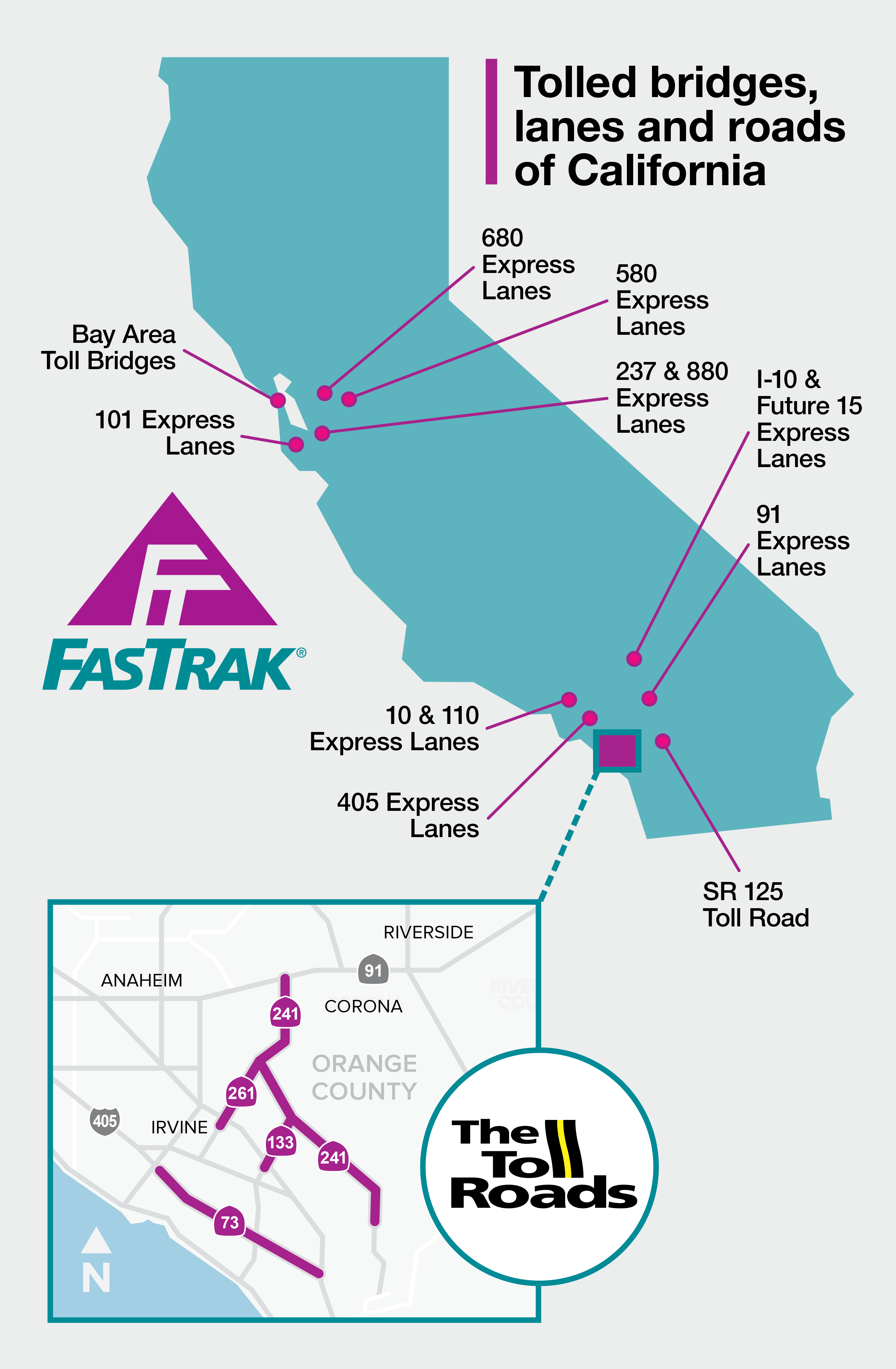
Tolls in California are primarily concentrated in two key regions: the greater San Francisco Bay Area and Southern California, particularly around Orange County and San Diego. In the Bay Area, tolls are levied on most major bridges as you enter San Francisco or other central Bay Area cities. These iconic structures are not just engineering marvels but also crucial arteries for commerce and tourism. South of Los Angeles, Orange County features a network of express toll roads designed to alleviate congestion in one of the state’s fastest-growing regions. Additionally, express lanes on certain interstates, such as the I-15 Express Lanes in San Diego and Riverside County, utilize dynamic pricing to manage traffic flow, offering a faster route for a fee.
For travelers, understanding the distinction between toll bridges and toll roads (including express lanes) is important. Toll bridges usually have a fixed toll amount, though it can vary by time of day or day of the week, while express lanes often use dynamic pricing, meaning the toll cost fluctuates based on real-time traffic conditions. This dynamic pricing is particularly relevant for those on a budget or adhering to a specific travel itinerary, as unexpected toll charges can impact overall trip costs. Planning ahead and checking potential tolls on your route can help manage these expenses and ensure a seamless journey across California’s diverse regions, whether you’re heading to a luxury resort or exploring the state’s natural beauty.
Key Toll Roads and Bridges to Be Aware Of
When planning your itinerary, keep an eye out for these significant toll points:
- San Francisco Bay Area Bridges: The most famous is the southbound toll on the Golden Gate Bridge as you leave San Francisco heading north into Marin County. However, the toll is only collected in one direction (southbound) for the Golden Gate Bridge. All other major state-owned bridges, including the San Francisco–Oakland Bay Bridge, Carquinez Bridge, Benicia-Martinez Bridge, Dumbarton Bridge, Richmond-San Rafael Bridge, and San Mateo-Hayward Bridge, charge tolls in the eastbound direction (entering the central Bay Area from outlying counties like Contra Costa County, Alameda County, Solano County, San Mateo County, and Santa Clara County).
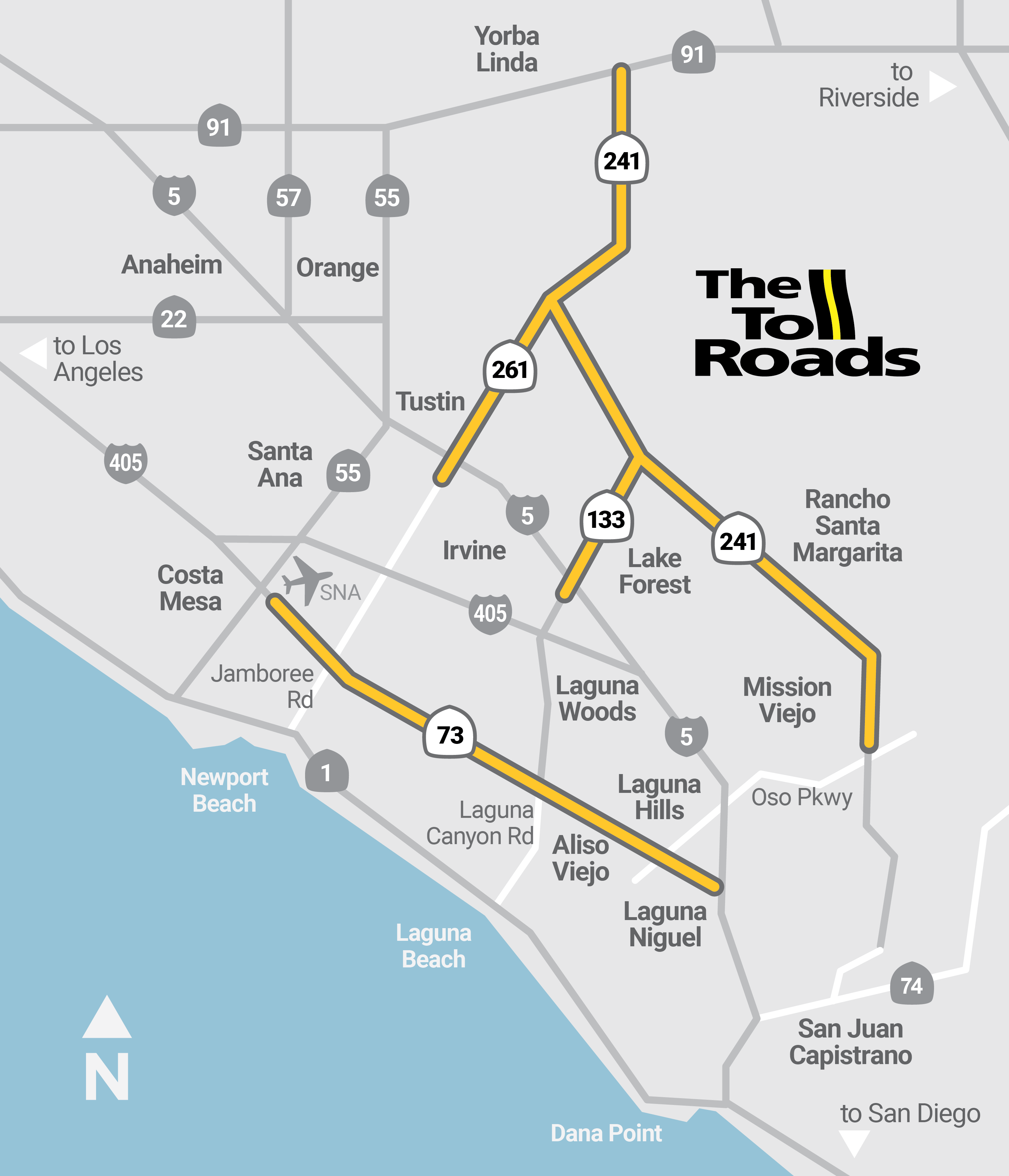
- The Toll Roads of Orange County: This network includes SR 73, SR 133, SR 241, and SR 261. These are entirely electronic and do not accept cash. They are frequently used by travelers moving between Los Angeles and San Diego or navigating within Orange County to popular attractions and coastal destinations.
- SR 125 South (South Bay Expressway) in San Diego: This modern toll road provides a convenient alternative for travelers heading towards the U.S.-Mexico border or navigating the southern reaches of San Diego County.
- Express Lanes: Found on several major freeways, these lanes offer a faster option during peak hours for a fee. Examples include segments of I-15 in Southern California, I-10 and I-110 near Los Angeles. High Occupancy Vehicle (HOV) lanes sometimes convert to High Occupancy Toll (HOT) lanes, meaning solo drivers can use them for a toll.
When planning your journey, particularly if you’re exploring California’s iconic landmarks or vibrant cities, mapping out your route with a focus on potential tolls is highly recommended. Many GPS applications and online mapping services now include options to avoid toll roads, which can be useful for budget travelers or those who prefer not to deal with electronic payment systems. However, be mindful that avoiding tolls might lead to longer travel times and potentially more congested routes.
Essential Payment Methods for California Tolls
Given the cashless nature of California tolls, understanding your payment options before you drive is paramount. The state offers several methods, designed to cater to various types of drivers, from frequent commuters to occasional visitors. Each method has its own benefits and considerations, making it important for travelers to choose the one that best suits their itinerary and driving habits. Whether you’re staying for an extended period or just passing through, there’s a payment solution available to ensure your journey is compliant and hassle-free.
The Convenience of FasTrak: Your Electronic Companion
For frequent travelers or those planning an extended stay in California, a FasTrak account is by far the most convenient and often the most economical way to pay tolls. FasTrak is an electronic toll collection system that uses a small transponder, typically mounted on your vehicle’s windshield. As you pass through a toll plaza, the transponder communicates with an overhead antenna, and the toll is automatically deducted from your pre-funded account.
Benefits of FasTrak:
- Seamless Travel: No need to stop or fumble for payment; you simply drive through the dedicated FasTrak lanes, ensuring continuous flow.
- Discounts: Many toll roads and bridges offer discounted rates for FasTrak users compared to other payment methods. This can lead to significant savings over a longer trip.
- HOV/HOT Lane Access: For express lanes that function as High Occupancy Toll (HOT) lanes, a FasTrak Flex transponder is often required to declare the number of occupants in your vehicle to qualify for free or reduced tolls, or to pay the toll as a solo driver.
- Statewide Acceptance: A single FasTrak transponder works on all toll facilities throughout California, including all Bay Area bridges, The Toll Roads of Orange County, SR 125 in San Diego, and express lanes across the state.
How to get FasTrak:
You can open an account online through various agencies, such as the Bay Area FasTrak website or The Toll Roads website for Orange County. You’ll typically need to provide vehicle information and link a payment method. The transponder is then mailed to you. For international visitors or those with limited time, purchasing a transponder at retail locations like Costco or specific grocery stores can be an option, though availability may vary.
One-Time Payments: Flexibility for Occasional Travelers
For visitors who anticipate using toll roads infrequently or for a short duration, a FasTrak account might not be practical. In such cases, one-time payment options provide the necessary flexibility. These methods are designed to allow drivers to pay tolls without an account, either before or shortly after their journey.
Common one-time payment methods:
- Online/Phone Payment: Most toll operators, including Bay Area FasTrak and The Toll Roads (for Orange County), allow you to pay tolls online or over the phone using your license plate number. You typically have a grace period (usually 5 days before or 5 days after your trip) to make a payment. This is incredibly useful for tourists who might only use a toll road once or twice during their entire California vacation.
- Toll-by-Plate Accounts: Some agencies offer a “license plate account” where tolls are billed to your registered license plate. While not strictly a one-time payment, it’s an alternative to a transponder-based FasTrak account, suitable for drivers who prefer not to use a physical device.
- In-Person Payments: While most toll plazas are cashless, some agencies allow cash payments at specific customer service centers or retail payment locations. This option is less common and might not be convenient for all travelers but can serve as a last resort.
For destinations such as the Golden Gate Bridge, payment is handled entirely electronically via license plate readers. If you don’t have a FasTrak account, you’ll receive a toll invoice in the mail based on your vehicle’s license plate. However, to avoid additional fees and ensure prompt payment, it’s highly recommended to make a one-time payment online or by phone within 48 hours of your crossing, especially for rental cars where the invoice might go to the rental company first.
Navigating Tolls with Rental Cars: What You Need to Know
Driving a rental car in California requires special attention to toll payment, as this is where many travelers encounter unexpected charges or penalties. Rental car companies often have their own toll programs, which can be convenient but also costly.
Rental car toll programs:
- Most major rental car companies (e.g., Hertz, Enterprise, Avis, Budget, National) offer optional toll payment services. These services typically involve a daily administrative fee, in addition to the actual toll charges, for every day you use a toll road or sometimes even for the entire rental period. While convenient, these fees can quickly add up, especially for longer trips.
- The rental car’s license plate is usually registered with the toll authority. When the car passes through a toll, the rental company is notified, pays the toll, and then bills you, often with the added administrative fee.
Strategies for rental car users:
- Decline the Rental Company’s Toll Program: If you plan to use tolls, you can often opt out of their program.
- Use Your Own FasTrak Transponder: If you have a personal FasTrak transponder from another California vehicle, you can use it in your rental car. Just make sure to properly install it and ensure your account details are up to date with the rental car’s license plate for the duration of your rental. This is often the most cost-effective option for frequent toll users.
- Utilize One-Time Payments: The most recommended method for occasional toll users in rental cars is to use the online one-time payment options. Before or after using a toll road, go online to the relevant toll agency’s website (e.g., Bay Area FasTrak or The Toll Roads) and pay the toll using the rental car’s license plate number. Be sure to note the exact dates and times you used the toll facility. This method avoids the rental company’s administrative fees.
- Confirm License Plate: Always double-check the rental car’s license plate number, as it is crucial for accurate one-time payments.
Important Warning: Do not simply ignore tolls in a rental car. If the rental company pays the toll and bills you, you’ll incur their administrative fees. If they don’t, and the toll remains unpaid, penalties will accrue and eventually be passed on to you by the rental company, potentially with additional charges and collection fees. Always clarify the rental company’s toll policy when picking up your vehicle and choose the option that best suits your travel plans.
Strategies for a Smooth Journey: Tips and Best Practices
A well-planned journey through California is not just about choosing the right hotels or visiting the most popular landmarks; it also involves anticipating and managing practicalities like toll payments. With a bit of foresight and adherence to best practices, you can ensure your road trip or business travel remains smooth and enjoyable, free from unexpected financial burdens or logistical headaches. These strategies are especially useful for those who value seamless travel and wish to fully immerse themselves in the California experience without mundane worries.
Avoiding Penalties: The Consequences of Unpaid Tolls
Ignoring tolls in California can quickly lead to significant financial penalties, far exceeding the original toll amount. Because cash is largely not accepted, drivers who pass through electronic toll points without a FasTrak transponder or without making a one-time payment are automatically identified via their license plates.
The process usually unfolds as follows:
- Toll Invoice: If a toll isn’t paid, a toll invoice (notice of toll due) is mailed to the registered owner of the vehicle. This invoice typically includes the original toll amount plus a small processing fee.
- Delinquency and Penalties: If the initial invoice is not paid by its due date, the toll amount escalates significantly with additional penalties. These penalties can compound, leading to very high costs for even a single missed toll.
- Vehicle Registration Hold: For persistent non-payment, the toll agencies can place a hold on your vehicle’s registration renewal with the California Department of Motor Vehicles. This can prevent you from renewing your vehicle’s registration until all outstanding tolls and penalties are paid.
- Collection Agencies: Unpaid tolls can eventually be sent to collection agencies, impacting your credit score and leading to further administrative charges.
For out-of-state or international visitors, these penalties can still apply. While a vehicle registration hold might not directly affect a foreign-registered car, outstanding debts can be pursued, making future visits to the U.S. or California potentially problematic. The golden rule is simple: always pay your tolls promptly, even if it’s a small amount. Utilize online payment systems within the grace period to safeguard against unnecessary fees.
Planning Your Route: Integrating Toll Information into Your California Adventure
Effective route planning is crucial for managing tolls, especially when exploring new destinations or traversing unfamiliar expressways. Many modern navigation tools and apps offer features that can help you anticipate and manage toll roads.
Tips for route planning:
- Utilize GPS Apps: Apps like Google Maps, Waze, and Apple Maps often have options to “avoid tolls” or “show toll roads.” Before starting your drive, check these settings to either plan routes that bypass tolls (if desired for budget reasons) or to identify where tolls will be encountered so you can prepare your payment method.
- Check Toll Agency Websites: For specific details on toll costs, payment windows, and accepted methods, refer directly to the websites of the relevant toll agencies (e.g., Bay Area FasTrak for most bridges, The Toll Roads for Orange County roads). This is especially important for dynamic pricing on express lanes, where costs vary.
- Factor Tolls into Your Budget: When planning your overall travel budget, remember to allocate funds for potential tolls. This foresight helps prevent unexpected expenses from impacting your enjoyment of California’s attractions and experiences, from luxury accommodations to unique local dining.
- Road Signage: Pay attention to road signage. Toll roads and express lanes are generally well-marked, indicating “Toll Road,” “Express Lane,” or “FasTrak Only.” These signs are your immediate cues to ensure you’re on the desired path and prepared for payment.
By integrating toll awareness into your trip planning, you can navigate California’s roadways with confidence, making informed decisions that align with your budget and travel preferences, whether you’re embarking on a solo adventure, a family trip, or a business stay.
Special Considerations for International Visitors
International travelers often face unique challenges when dealing with California’s electronic toll system, primarily due to unfamiliarity with local regulations and the lack of a U.S.-registered vehicle or address.
Key advice for international visitors:
- Rental Car Policies are Paramount: As discussed, understanding your rental car company’s toll policy is the most critical step. Many international visitors rely on rental cars, and the default rental car toll programs can be surprisingly expensive. Opting for manual one-time online payments using the rental car’s license plate or bringing your own FasTrak transponder (if applicable from previous visits or if acquired for the trip) are usually the most economical choices.
- Pre-registration for One-Time Payments: If you know you’ll be using specific toll roads, consider pre-registering a one-time payment account online with the relevant toll agency using your credit card and the rental car’s license plate number (which you’ll get at pickup). Some agencies allow you to set a start and end date for coverage.
- Keep Records: Always keep detailed records of your rental car’s license plate number, the dates and times you used any toll roads, and confirmation numbers for any online payments you make. This documentation can be invaluable if you receive an unexpected bill later.
- Currency and Payment Methods: Ensure your international credit cards are accepted for online payments. Most toll agency websites accept major international credit cards.
- Customer Service: Don’t hesitate to contact the toll agency’s customer service if you have questions or encounter issues. While phone calls may incur international charges, clarity is better than penalties.
California’s infrastructure is designed to facilitate travel across its diverse landscapes. By understanding the toll system and employing these payment strategies, you can confidently navigate the state’s roads, ensuring a smooth, penalty-free journey, and truly enjoy all the incredible experiences California has to offer, from its majestic natural parks to its bustling urban centers and serene coastal retreats. Safe travels!
LifeOutOfTheBox is a participant in the Amazon Services LLC Associates Program, an affiliate advertising program designed to provide a means for sites to earn advertising fees by advertising and linking to Amazon.com. Amazon, the Amazon logo, AmazonSupply, and the AmazonSupply logo are trademarks of Amazon.com, Inc. or its affiliates. As an Amazon Associate we earn affiliate commissions from qualifying purchases.