
When planning a trip to the vibrant and iconic New York City, it’s natural to focus on the dazzling attractions, the world-class dining, and the comfortable accommodation options. From the towering skyscrapers of Manhattan to the historic streets of Brooklyn, the city offers an unparalleled experience for every type of traveler. Whether you’re dreaming of a luxurious stay at a renowned hotel like the Plaza Hotel, exploring the artistic treasures of the Metropolitan Museum of Art, or simply soaking in the local lifestyle, New York has it all. However, for those who might be considering a more extended stay, perhaps for work, study, or even to establish a new home base, understanding the financial landscape, including taxes, becomes a crucial part of the planning process. While the immediate thought of New York City income tax might seem daunting, a closer look reveals that it’s a complex system designed to fund the city’s extensive public services and infrastructure.
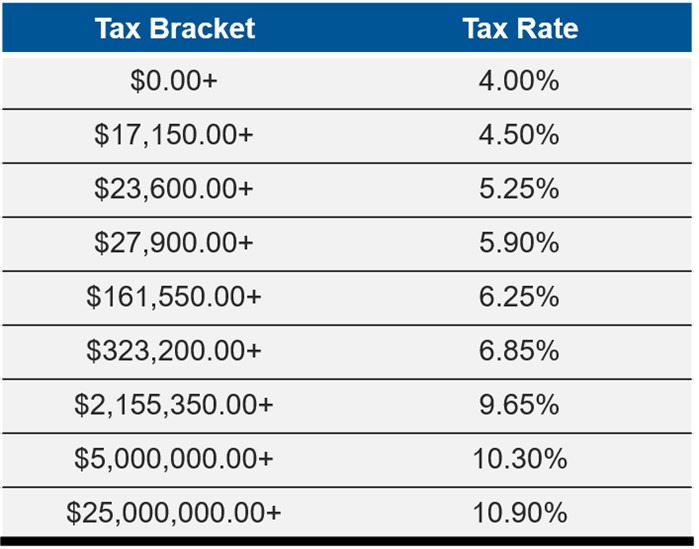
This article aims to demystify the concept of New York City income tax, providing a comprehensive overview relevant to anyone considering spending a significant amount of time within its five boroughs. We’ll explore what this tax entails, who it affects, and how it contributes to the overall cost of living and doing business in this global metropolis. Understanding these aspects can help in budgeting for a long-term visit, evaluating business opportunities, or even making informed decisions about relocating.
Understanding New York City Income Tax
The notion of “New York City income tax” isn’t a singular, distinct tax levied solely by the city itself. Instead, it’s a combination of state and local taxes that impact individuals and businesses operating within the city limits. This means that when you earn income in New York City, you’re subject to taxes at multiple levels: federal, state, and city. For most residents and many who work within the city, the primary component of what’s commonly referred to as New York City income tax is the New York State income tax, coupled with a significant additional tax levied specifically by the City of New York. This dual taxation structure is a defining characteristic of the financial framework of New York City, and understanding its intricacies is vital for accurate financial planning.
The New York State income tax is progressive, meaning that higher earners pay a larger percentage of their income in taxes. The rates are set by the state and can change periodically. In addition to this state-level obligation, New York City imposes its own income tax, often referred to as the City of New York income tax or a city resident tax. This city tax is also progressive and is levied on top of the state tax. The combined effect of these taxes can result in a substantial portion of an individual’s income being allocated to taxes, especially for those in higher income brackets. It’s this combined burden that most people are referring to when they ask about New York City income tax.
Furthermore, the definition of “residency” plays a critical role in determining tax liability. Generally, if you live in New York City for more than 183 days in a tax year, you are considered a resident and are subject to both state and city income taxes on your worldwide income. Even if you’re not a full-time resident but earn income within the city, you will likely be subject to the New York State income tax and potentially a nonresident earnings tax imposed by the city, depending on the specifics of your situation and domicile. For travelers who are simply visiting for leisure, such as a week-long vacation exploring Times Square or a few days enjoying the Central Park Zoo, these income taxes are not a concern. However, for individuals considering extended stays, such as those seeking long-term accommodation in New York, or digital nomads working remotely from a New York apartment, understanding these tax obligations becomes paramount.
State Income Tax in New York
The New York State income tax is a fundamental layer of taxation that affects anyone earning income within the state, including New York City. This tax operates on a progressive system, with tax brackets that increase as income rises. The specific rates are determined by the New York State Department of Taxation and Finance and can be subject to adjustments. For the tax year, the rates range from a low percentage for lower income earners to a higher percentage for those in the highest income brackets. The progressive nature ensures that those with a greater ability to pay contribute more to the state’s revenue.
These state income tax revenues are used to fund a wide array of essential public services across New York State, including education, infrastructure projects, healthcare, and public safety. For individuals living in New York City, this state tax is levied in addition to the federal income tax. When filing New York State tax returns, residents report their federal adjusted gross income and then make modifications as prescribed by state law. Various deductions and credits are available to reduce the taxable income, such as deductions for dependents, medical expenses, and certain educational costs. Understanding these provisions can help individuals minimize their state tax liability.
For those who travel extensively but maintain a primary residence elsewhere, the concept of “source of income” becomes important. If you are a resident of another state but perform work within New York State, including New York City, you may be subject to New York State income tax on the income earned within the state. This is often referred to as a “nonresident alien” or “nonresident” tax situation for state purposes. Navigating these distinctions is crucial for accurate tax filing and compliance. The state tax system is complex, and many individuals choose to utilize tax professionals or specialized software to ensure they are meeting their obligations correctly and taking advantage of all eligible deductions and credits. Whether you are staying in a luxurious resort like the Ritz-Carlton New York, Central Park for a temporary period or establishing residency, the New York State income tax will be a factor to consider.
The City of New York Income Tax
On top of the New York State income tax, New York City imposes its own income tax, a crucial element that differentiates the city’s tax burden from much of the rest of the state. This city tax is levied on residents of New York City and, for certain types of income, on nonresidents who earn income within the city. Like the state tax, the City of New York income tax is also progressive, with increasing rates applied to higher income levels. The specific tax rates and brackets are set by the City of New York Department of Finance and are distinct from those of the state.
The revenue generated from the City of New York income tax is vital for funding essential city services that directly impact the daily lives of its residents and visitors. This includes funding for the New York City Police Department, the New York City Fire Department, public schools, the New York City Department of Transportation, and the maintenance of iconic landmarks and public spaces. It’s these city-specific services and infrastructure that contribute to the unique character and functionality of New York City, from the efficient subway system to the well-maintained parks and libraries.

For residents, the city income tax is calculated based on their taxable income after deductions and exemptions allowed by both state and city law. This means that the effective tax rate for a resident can be significantly higher than for someone living in a neighboring municipality outside of the city limits. Nonresidents who earn income from sources within New York City – for instance, an individual who commutes daily to work in Manhattan but lives in New Jersey – are generally not subject to the City of New York income tax on their wages. However, there can be exceptions, particularly for self-employment income or certain other forms of business income derived from New York City. It’s essential for anyone working in or earning income from the city to consult with tax professionals or official city and state tax resources to understand their specific obligations. The city tax adds another layer of complexity and cost to earning income within the five boroughs, a factor that must be considered in any long-term financial planning for those choosing to live or work here, whether in a luxury apartment or a more modest dwelling.
Factors Affecting Your New York City Income Tax
The amount of New York City income tax you ultimately pay is not a fixed number but rather a dynamic figure influenced by several key factors. These elements determine your taxable income, the applicable tax rates, and the potential for various credits and deductions that can reduce your overall tax burden. Understanding these variables is crucial for accurately estimating your tax liability and for effective financial management while living in or earning income from New York City. Whether you’re a student staying in a budget-friendly accommodation or a seasoned business traveler, these factors will play a role.
The most significant determinant of your tax amount is your income level. Both the New York State and the City of New York employ progressive tax systems. This means that as your gross income increases, the percentage of that income you owe in taxes also increases. The specific tax brackets are published annually by the respective tax authorities and are subject to change. For example, an individual earning $50,000 will pay a significantly lower effective tax rate than someone earning $200,000, even after considering deductions and credits. Therefore, knowing your projected annual income is the first step in estimating your tax obligations.
Residency Status and Income Source
Your residency status is a primary determinant of your tax obligations in New York City. If you are considered a resident of New York City for tax purposes, you will be subject to both New York State and City of New York income taxes on your worldwide income. This means that all income you earn, regardless of where it is generated, is potentially taxable by New York. Generally, an individual is considered a resident if they maintain a permanent place of abode in New York City and spend more than 183 days of the tax year within the city. This applies whether you are renting a small studio in Greenwich Village or owning a penthouse with views of the East River.
Conversely, if you are a nonresident of New York City but earn income from sources within the city, your tax liability is typically limited to the income derived from that New York City source. For example, if you live in Connecticut and commute to work in Manhattan, you will pay New York State income tax on the income earned while working in New York, but you generally will not be subject to the City of New York income tax on your wages. However, this distinction can become complicated, especially for those with self-employment income, business profits, or rental income generated within the city. The sourcing rules for income can be complex and often depend on the nature of the services performed or the location of the business assets. Understanding whether you are classified as a resident or nonresident is therefore a critical first step in determining your New York City income tax liability. This is crucial for anyone considering a long-term stay or establishing a business, even if their initial visit is focused on exploring attractions like the Statue of Liberty or enjoying a Broadway show.
Deductions, Credits, and Tax Planning
A crucial aspect of managing your New York City income tax burden lies in understanding and utilizing available deductions and credits. These mechanisms are designed to reduce your taxable income and, consequently, the amount of tax you owe. Both New York State and the City of New York offer a range of deductions, some of which are mirrored from federal tax law and others that are specific to the state or city. Common deductions include those for dependents, mortgage interest, state and local taxes (though there are limitations), medical expenses (above a certain threshold), and contributions to retirement accounts.
Tax credits function differently by directly reducing the amount of tax you owe, dollar for dollar, rather than reducing your taxable income. New York State and New York City offer various credits, such as credits for low-income individuals, earned income tax credits, property tax relief credits, and credits related to dependent care expenses. For businesses, there are also credits available for investment, job creation, and research and development. Effective tax planning involves carefully reviewing your financial situation to identify all eligible deductions and credits that apply to you. This can significantly impact your final tax bill.
For instance, if you’re considering a long-term stay in New York City, perhaps renting an apartment in Brooklyn or Queens for an extended period, you might be able to claim certain deductions related to your living situation or employment. Similarly, if you’re an entrepreneur starting a business in the city, understanding business tax credits can make a substantial difference. Tax professionals can be invaluable in navigating the complexities of the tax code, ensuring that you are not missing out on any opportunities to reduce your tax liability. Proactive tax planning, well in advance of filing deadlines, can lead to substantial savings and a clearer financial picture for anyone residing in or earning income from New York City, whether they are frequenting the shops on Fifth Avenue or attending events at Lincoln Center.
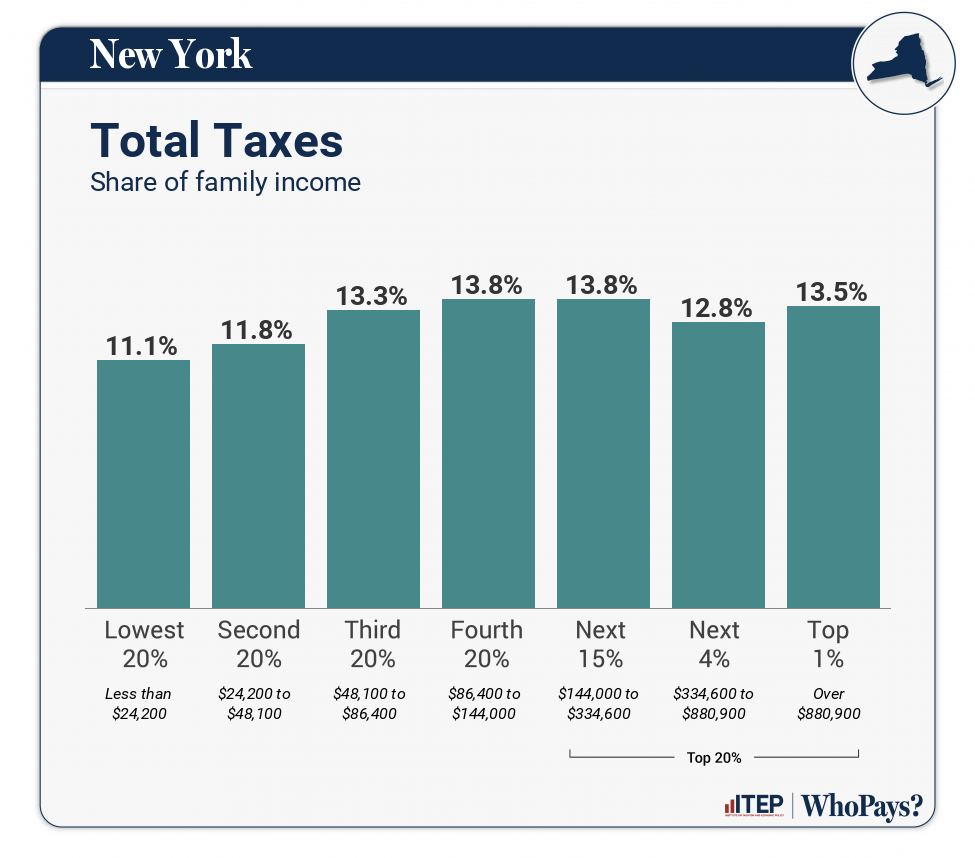
Navigating the Tax Landscape for Travelers and Residents
For most visitors whose stays in New York City are limited to typical tourist durations – a few days or weeks to experience the magic of Times Square, visit world-class museums like the MoMA, or enjoy the culinary delights of neighborhoods like Chinatown – the intricacies of New York City income tax are generally not a concern. These individuals are paying for accommodation, food, attractions, and perhaps a few souvenirs, but their short-term presence doesn’t trigger income tax obligations. Their focus remains on maximizing their travel experiences, from iconic landmarks like the Empire State Building to the lively atmosphere of Central Park.
However, for those considering a longer engagement with the city – perhaps a sabbatical, a temporary work assignment, extended study, or even exploring the possibility of relocating – understanding the tax implications becomes a critical component of their planning. This is where the nuances of residency, income sourcing, and the combined state and city tax rates come into play. The financial commitment of living in New York City, whether in a chic Manhattan apartment or a spacious resort villa, extends beyond rent and daily expenses to include a significant tax liability for those who are residents or generate income within its limits.
If you fall into the category of someone who will be spending a substantial amount of time in New York City or earning income there, it is highly recommended to consult with a qualified tax professional specializing in New York State and City of New York tax laws. They can provide personalized advice based on your specific circumstances, help you navigate the complex filing requirements, and ensure that you are compliant with all applicable regulations. This professional guidance can prevent costly mistakes and ensure that you are taking advantage of all available deductions and credits. Whether you are planning to rent a cozy hotel suite for an extended stay or looking for long-term accommodation options, a clear understanding of your tax obligations will contribute to a smoother and more financially sound experience in the unparalleled environment of New York City. This proactive approach ensures that your focus can remain on enjoying the vibrant lifestyle and unique experiences this global hub has to offer, from its legendary landmarks to its diverse local culture.
LifeOutOfTheBox is a participant in the Amazon Services LLC Associates Program, an affiliate advertising program designed to provide a means for sites to earn advertising fees by advertising and linking to Amazon.com. Amazon, the Amazon logo, AmazonSupply, and the AmazonSupply logo are trademarks of Amazon.com, Inc. or its affiliates. As an Amazon Associate we earn affiliate commissions from qualifying purchases.