
When planning a trip to New York State, travelers often focus on ticket prices, accommodation costs, and dining budgets. However, one of the most significant “hidden” expenses that can catch visitors off guard is the sales tax. Navigating the tax landscape of the Empire State requires a bit of foresight, as the final price of your goods and services often differs from the sticker price. Understanding how these levies are structured will help you maintain your Budget Travel strategy while exploring everything from the bustling streets of New York City to the serene landscapes of the Adirondack Mountains.
The Fundamentals of Sales Tax in New York State
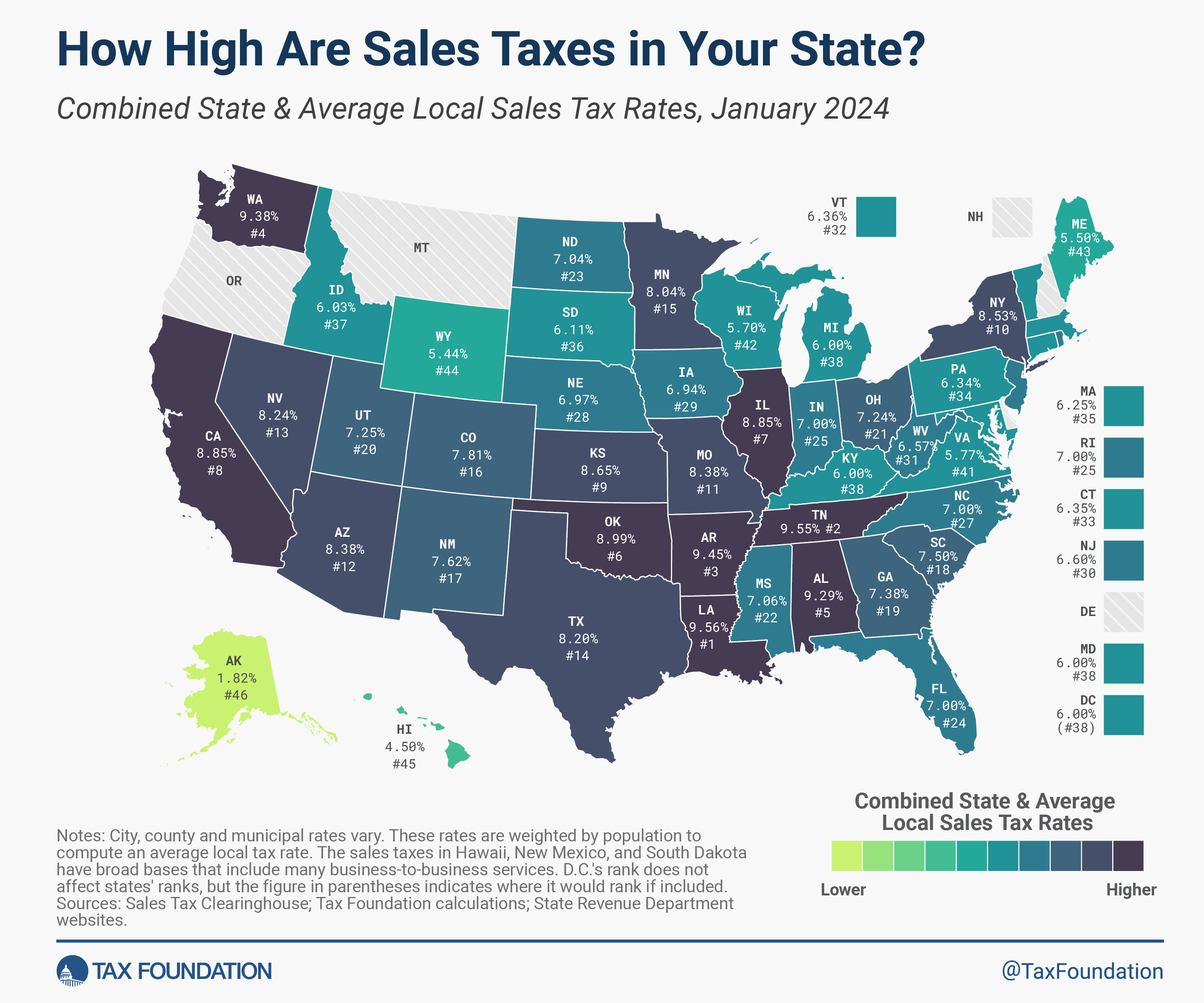
The tax structure in New York is a multi-layered system that combines state-level mandates with local jurisdiction requirements. This results in a cumulative tax rate that fluctuates depending on exactly where you are standing when you make a purchase.
Understanding the State Base Rate
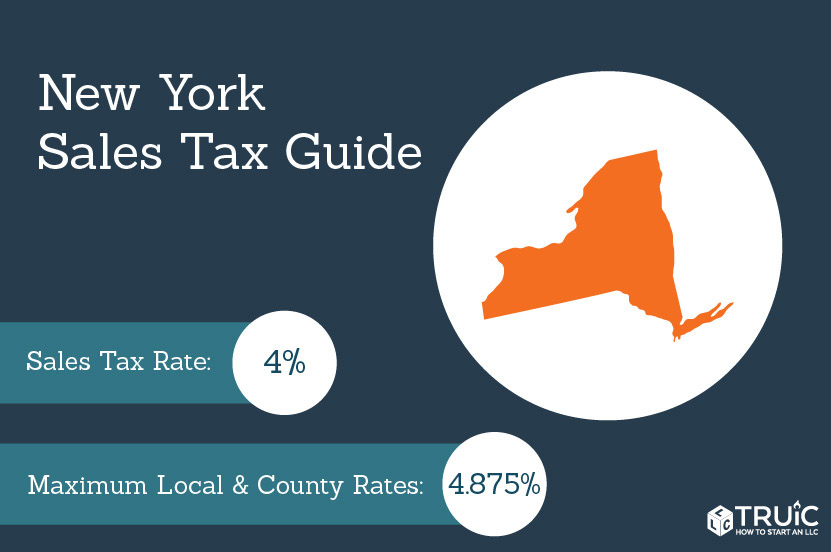
At the foundational level, New York State imposes a baseline sales tax of 4% on most retail sales and services. However, this is rarely the final rate that a consumer pays at the register. The state allows counties and cities to levy their own local sales taxes on top of the state rate, which is where the variance begins.
Local Jurisdictions and Add-Ons
When you visit iconic destinations like Niagara Falls or the historic Saratoga Springs, you are subject to the local tax rates specific to those regions. These local add-ons typically range between 3% and 4.875%. Consequently, the total sales tax rate in most parts of the state settles somewhere between 7% and 8.875%.
The New York City Special Tax District
If your journey takes you to Manhattan, Brooklyn, Queens, The Bronx, or Staten Island, you are operating within the Metropolitan Commuter Transportation District. This district adds an additional 0.375% to the standard tax rate. As a result, the combined state and local sales tax in the five boroughs is almost universally 8.875%. This is a crucial number to keep in mind when budgeting for high-end shopping on Fifth Avenue or dining in Times Square.
Tax Exemptions Every Traveler Should Know
While the tax rate can feel pervasive, New York does offer several exemptions that benefit tourists and residents alike. Knowing these rules can save you a significant amount of money, especially during extended stays.
Clothing and Footwear Exemptions
One of the most traveler-friendly policies in the state is the specific tax treatment for clothing. Historically, New York has implemented “sales tax holidays” or permanent exemptions for lower-cost clothing items. In New York City, individual items of clothing or footwear costing less than $110 are often exempt from the local portion of the sales tax. While tax laws can shift, checking for these thresholds before heading to a retail hub like Woodbury Common Premium Outlets is a smart way to maximize your purchasing power.
Grocery and Essential Items
If you are staying in an apartment rental or visiting a local market in The Hamptons, you will be pleased to find that most grocery staples are tax-exempt. Unprepared food—such as fruits, vegetables, bread, milk, and canned goods—does not carry the same tax burden as restaurant meals. This is a great incentive for travelers to explore local farmers’ markets and prepare some of their own meals, which aligns perfectly with a more sustainable and cost-effective Lifestyle approach to travel.
Services vs. Tangible Goods
It is important to distinguish between buying a physical souvenir and paying for a service. While tangible items like jewelry, electronics, or souvenirs are taxable, certain services—such as professional massages or admission fees to some non-profit cultural institutions—may have different tax implications. Always review your receipt to understand exactly what you are being charged for, especially when visiting major attractions like the Metropolitan Museum of Art or the American Museum of Natural History, where membership or special packages might carry unique tax statuses.
Budgeting for Taxes in the Hospitality Sector
When traveling through Upstate New York or staying in a luxury resort in the Catskills, the “sticker price” of your room is rarely the final cost. The hospitality industry operates under a unique set of tax rules that go beyond standard sales tax.
Occupancy Taxes and “Hotel Taxes”
Hotels, motels, and even many short-term rentals are subject to an additional occupancy tax. This is often a flat daily fee or a percentage added on top of the state and local sales taxes. In popular cities, these taxes can increase the cost of your accommodation by 10% to 15% or more. When booking a stay at a property like the The Plaza Hotel or a quaint bed and breakfast in Cooperstown, ensure you are looking at the “total price including taxes and fees” before confirming your reservation.
Resort Fees and Their Taxability
Many resorts, especially those in the Finger Lakes region or near Lake George, charge “resort fees” to cover amenities like pool access, fitness centers, and Wi-Fi. In New York State, these fees are typically considered part of the room rate and are therefore fully taxable. Because these fees are often added after the base room rate is advertised, they can create a “hidden” tax liability that increases your total bill significantly.
How to Calculate Your Estimated Tax
To get a rough estimate of the total cost for your trip, follow this simple calculation:
- Identify the local sales tax rate for your specific destination.
- Add the state’s 4% baseline.
- Factor in the 0.375% MTA tax if you are within the New York City metro area.
- If you are staying in a hotel, research the local occupancy tax rate (which can be found on the municipal website of the city or town you are visiting).
- Apply these percentages to your estimated total spend.
By performing this quick calculation for a trip to Lake Placid or Albany, you can set aside a “tax fund” in your travel budget. This prevents you from reaching the checkout counter—whether at a boutique in SoHo or a gift shop near the Statue of Liberty—and experiencing a sudden budget deficit.
Traveling smart means understanding the nuances of the destination’s financial ecosystem. While the taxes in New York State are undeniably among the highest in the country, they contribute to the high quality of infrastructure, safety, and amenities that make the state a premier global travel destination. With a clear understanding of the tax rates and a bit of advance planning, you can focus on enjoying the rich culture and history of the region rather than worrying about the fine print on your receipts.
LifeOutOfTheBox is a participant in the Amazon Services LLC Associates Program, an affiliate advertising program designed to provide a means for sites to earn advertising fees by advertising and linking to Amazon.com. Amazon, the Amazon logo, AmazonSupply, and the AmazonSupply logo are trademarks of Amazon.com, Inc. or its affiliates. As an Amazon Associate we earn affiliate commissions from qualifying purchases.