
Planning a trip to the Empire State, whether for the vibrant hustle of New York City, the serene beauty of the Finger Lakes, or the majestic peaks of the Adirondacks? While anticipating unforgettable experiences, understanding the financial landscape, particularly taxes, is crucial for any traveler or temporary resident. New York State, like any other destination, has its own unique tax structure that impacts everything from your morning coffee and souvenir shopping to your nightly accommodation and car rental. Navigating these taxes can significantly influence your travel budget, whether you’re a luxury traveler indulging in Manhattan’s finest or a budget-conscious explorer seeking affordable adventures Upstate New York. This comprehensive guide delves into the various taxes you’re likely to encounter in New York State, offering insights to help you plan your finances effectively and avoid any unwelcome surprises during your stay.
Understanding New York’s Sales Tax: What Visitors Need to Know
One of the most common taxes you’ll encounter during your visit to New York State is the sales tax. This tax is levied on the sale of most goods and many services, directly impacting your daily expenditures, from dining out to shopping for local treasures.
The Statewide Sales Tax Rate
The base sales tax rate across New York State is 4%. This foundational rate applies to the purchase of most tangible personal property and a wide array of services. For instance, when you buy souvenirs, electronics, or personal care items, this 4% state tax will be part of the final price. Dining experiences are also subject to sales tax; whether you’re grabbing a slice of pizza in Brooklyn, enjoying a gourmet meal in Manhattan, or savoring farm-to-table cuisine in the Hudson Valley, prepared food and beverages will have sales tax added to the bill.
However, it’s important to note that not everything is taxed. Essential items like most groceries (unprepared food) are typically exempt from sales tax, helping to keep daily living costs lower. Furthermore, certain clothing and footwear items sold for less than $110 per item are also exempt from the statewide sales tax, which can be a pleasant surprise for shoppers exploring the boutiques and department stores. This exemption can make a significant difference, especially for those planning a shopping spree in cities like New York City, Buffalo, or Rochester. Understanding these exemptions allows travelers to make more informed purchasing decisions and manage their budget more effectively.
Local Sales Taxes: The Varying Rates Across Regions
While the statewide sales tax rate is 4%, the total sales tax rate you pay in New York State is often higher due to additional local sales taxes imposed by counties and cities. These local taxes vary significantly depending on your specific location within the state, creating a patchwork of rates that travelers should be aware of.
The most prominent example is New York City. In addition to the 4% state sales tax, New York City imposes its own sales tax, bringing the combined rate in the five boroughs (Manhattan, Brooklyn, Queens, The Bronx, and Staten Island) to 8.875%. This combined rate applies to most taxable goods and services, including restaurant meals. This means that a meal costing $100 before tax will cost an extra $8.875, which can quickly add up over the course of a trip filled with dining experiences.
Other areas across New York State also have varying local rates. For instance, many counties add an additional 3% to 4.5% to the state’s 4% rate. This means that if you’re traveling from Long Island to Albany or exploring the vineyards of the Finger Lakes, the sales tax rate on your purchases could range from 7% to 8.875% or even higher in some localities.
The impact on your shopping and dining budget can be substantial. A seemingly minor percentage difference can translate into significant additional costs, particularly for luxury purchases or extended stays. Travelers aiming to stretch their budget might consider shopping for larger ticket items in areas with lower combined sales tax rates, if feasible, though this is often impractical for typical tourist purchases. Being aware of these regional variations allows you to mentally account for these extra costs and allocate your funds more accurately, ensuring that your trip remains enjoyable without unexpected financial strains.
Navigating Accommodation Taxes in New York State
One of the most significant tax considerations for any visitor to New York State pertains to accommodation. Whether you opt for a luxury resort, a boutique hotel, or a cozy Airbnb rental, you will encounter specific taxes that can substantially increase the final cost of your stay.
Hotel Occupancy Tax: A Key Factor for Your Stay
The hotel occupancy tax, often referred to as a transient occupancy tax or lodging tax, is a critical component of your accommodation bill. This tax is levied on a daily basis for the use of a hotel room, suite, or any other lodging facility. In New York State, this tax has both a state and a local component, and the local additions can vary dramatically, making certain areas significantly more expensive than others.
The state imposes its own sales tax (the combined 4% state sales tax mentioned earlier, plus local additions) on hotel rooms. Beyond this, many cities and counties within New York State levy additional occupancy taxes.
The most notable example, once again, is New York City. Staying in any of the five boroughs comes with a hefty set of taxes. In addition to the standard combined sales tax rate (which for lodging often includes the full 8.875%), New York City also imposes a specific hotel room occupancy tax of 5.875% plus a flat fee of $1.50 per night. Furthermore, there’s an additional tax for rooms costing over $100 per night, often tied to funding the Javits Center. This intricate layering of taxes means that the total tax on a hotel room in New York City can easily exceed 14.75% of the room rate, plus the $1.50 per night fee. For example, a $300 hotel room in Manhattan could incur over $44 in taxes per night, making a significant impact on multi-night stays.
Outside of New York City, other popular destinations also have their own rates. Buffalo, Albany, and Syracuse, for instance, all have their own county or city-specific hotel occupancy taxes, typically ranging from 3% to 6% on top of the state and local sales tax components. These rates directly impact the overall cost of your trip, whether you’re booking a luxury suite at a Grand Hyatt, a family-friendly stay at a Holiday Inn Express, or a cozy bed and breakfast in the Catskills. When comparing accommodation prices, it’s always advisable to look at the “total price” including all taxes and fees to get an accurate picture of your expenditure.
Short-Term Rentals and Their Tax Implications
The rise of short-term rental platforms like Airbnb has revolutionized accommodation options for travelers, offering everything from quaint apartments to spacious villas. However, these rentals are not exempt from New York State’s tax regulations, and their tax implications can be complex, especially in New York City.
Generally, short-term rentals are subject to the same state and local sales taxes and hotel occupancy taxes as traditional hotels. Many platforms, including Airbnb, have agreements with New York State and various localities to collect and remit these taxes automatically, simplifying the process for both hosts and guests. When you book through these platforms, you’ll typically see these taxes itemized in your total cost before confirming your reservation.
However, New York City has specific and stringent regulations concerning short-term rentals that go beyond just taxes. For example, local law generally prohibits renting out an entire apartment for less than 30 days unless the host is present during the guest’s stay. This rule significantly impacts the availability and legality of many Airbnb listings in the city. While this is a regulatory issue rather than a direct tax, it’s crucial for travelers to be aware of, as booking a non-compliant rental could lead to last-minute cancellations or other complications. The taxes for legal short-term rentals in New York City will mirror the high hotel occupancy rates, meaning they will also be substantial.
For travelers exploring other parts of New York State, such as a lakeside cabin in the Finger Lakes or a ski chalet in the Catskills, short-term rental taxes will still apply but may be less complex than in New York City, usually encompassing the state and relevant local sales and occupancy taxes. Always check the itemized breakdown of costs on booking platforms to understand exactly what taxes you are paying and ensure your accommodation choice aligns with your budget and local regulations.
Beyond Sales and Stays: Other Taxes Affecting Your New York Trip
While sales tax and accommodation taxes are often the largest and most frequent tax considerations for visitors, New York State levies other taxes that can subtly impact your travel budget, particularly related to transportation and entertainment.
Car Rentals and Transportation Taxes
For travelers planning to explore beyond the immediate confines of New York City and venture into destinations like Niagara Falls, the Adirondacks, or the wineries of Long Island, renting a car is often the most convenient option. However, car rentals come with their own set of taxes and surcharges that can add a significant amount to the rental cost.
In addition to the standard state and local sales taxes applied to the rental fee, New York State imposes a motor vehicle rental tax. This is typically a flat percentage on the rental charges, often around 6%. Furthermore, local jurisdictions, particularly major airports and cities, may impose additional surcharges or fees on car rentals. These can include a “facility charge” at airports to help fund their operations or specific local taxes. For example, if you rent a car from John F. Kennedy International Airport (JFK) or LaGuardia Airport (LGA), you’ll likely see these additional fees.
The cumulative effect of these taxes and surcharges can significantly inflate the advertised daily rate for a rental car. A rental car that appears to cost $50 per day might easily end up costing $60 or more once all taxes and fees are factored in. This is an important consideration for road trips, as these costs can quickly add up over several days or weeks. Always review the full price breakdown provided by rental companies before booking to avoid surprises, especially if you’re on a tight budget or planning extensive travel throughout New York State.
Entertainment and Event Taxes
New York State is a global hub for entertainment, offering everything from world-renowned Broadway shows and live music venues to professional sporting events and cultural attractions like the Metropolitan Museum of Art or the Museum of Modern Art. Attending these events often involves taxes that are added to the ticket price.
The most common tax applied to entertainment and event tickets is the standard state and local sales tax. When you purchase tickets for a Broadway show, a concert at Madison Square Garden, or entry to a major tourist attraction like the Empire State Building or the Statue of Liberty, the sales tax (up to 8.875% in New York City) will be added to the base price of the ticket.
In some cases, specific facilities or districts might impose additional surcharges or taxes on tickets to help fund local initiatives or venue maintenance. While not as universally applied or as high as hotel taxes, these can still contribute to the overall cost of your entertainment budget. For example, certain sporting events or large concert venues might have facility fees embedded in the ticket price, which, while not always explicitly labeled as a “tax,” serve a similar function in increasing the final cost.
Travelers should factor these additional costs into their entertainment budget, especially if planning to attend multiple shows, games, or high-profile events. Checking the final price, including all fees and taxes, before committing to a purchase is always recommended to manage expectations and avoid overspending.
Strategizing Your Budget: Lifestyle and Tax Considerations for Travelers
Understanding New York State’s tax structure isn’t just about knowing the rates; it’s about strategizing your spending to align with your travel style and financial goals. Taxes are an unavoidable part of travel, but informed decisions can help you manage their impact.
Budget-Friendly Travel vs. Luxury Experiences
The impact of taxes scales directly with your spending. For budget travelers, even small percentage taxes can feel significant on limited funds. For instance, dining at a local deli or supermarket for unprepared food items means you’ll pay little to no sales tax compared to restaurant meals. Opting for tax-exempt clothing under $110 per item can allow for more souvenir shopping. Choosing accommodation outside of high-tax zones like central Manhattan or considering less expensive boroughs or towns can drastically reduce your hotel tax burden. For example, staying in Jersey City (New Jersey) can offer a significant saving on accommodation taxes while still providing easy access to New York City. Utilizing public transport instead of taxis or ride-shares, which also incur various taxes and surcharges, can further cut costs.
Conversely, for luxury travelers, the total dollar amount of taxes paid will be much higher. A lavish suite at a Ritz-Carlton in New York City costing $1000 per night will incur over $140 in taxes alone. High-end shopping for designer clothing or expensive jewelry will be subject to the full state and local sales tax, as the $110 clothing exemption won’t apply. Dining at Michelin-starred restaurants, attending premium Broadway shows, or chartering private transport will all come with their respective tax additions. While luxury travelers may be less sensitive to these additional costs, it’s still good practice to be aware of how much of their budget is allocated to taxes. Understanding this allows for a clearer picture of the true cost of their experience and helps in allocating funds towards preferred splurges.

Business Stays and Non-Resident Income Tax
For individuals traveling to New York State for business, especially for extended periods or if they are performing services for which they receive income within the state, there’s an additional tax consideration: non-resident state income tax.
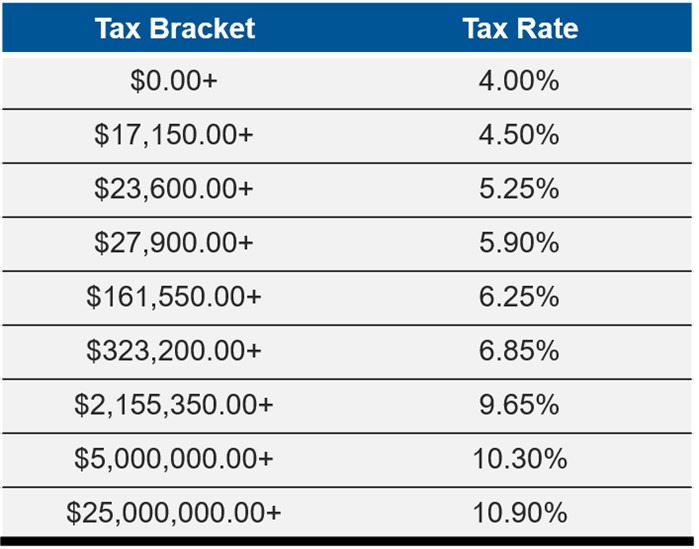
New York State has the authority to tax income earned from sources within the state, regardless of whether the individual is a resident or not. This means that if you are a non-resident who performs work, services, or professional activities in New York State and earn income from these activities, you may be subject to New York State income tax on that portion of your earnings. This applies to various scenarios, such as consultants working on a project in New York City, performing artists (actors, musicians, athletes) earning income from appearances or performances, or temporary employees on assignment.
The rules for non-resident income tax can be complex, involving the allocation of income based on the number of days worked in New York State versus elsewhere. Employers are often required to withhold New York State income tax from payments to non-resident employees or contractors. It’s crucial for businesses and individuals engaged in such activities to be aware of these obligations and to consult with a tax professional or the New York State Department of Taxation and Finance to ensure compliance. Failure to comply can result in penalties.
This consideration is particularly relevant for those undertaking long-term stays for business purposes, as the duration and nature of their work in New York State could trigger income tax responsibilities, adding another layer to the financial planning for their trip.
In conclusion, a trip to New York State offers an incredible array of experiences, but a clear understanding of its tax structure is essential for a smooth and well-budgeted journey. From the varied local sales taxes that affect your shopping and dining, to the often-substantial hotel occupancy taxes that impact your accommodation choices, and even less obvious taxes on car rentals and entertainment, these financial considerations play a significant role in the overall cost of your visit. By familiarizing yourself with these taxes and planning accordingly, whether you’re aiming for a budget-friendly adventure or a luxurious escape, you can ensure your focus remains on enjoying all the wonders New York State has to offer, without any unexpected financial surprises. Happy travels!
LifeOutOfTheBox is a participant in the Amazon Services LLC Associates Program, an affiliate advertising program designed to provide a means for sites to earn advertising fees by advertising and linking to Amazon.com. Amazon, the Amazon logo, AmazonSupply, and the AmazonSupply logo are trademarks of Amazon.com, Inc. or its affiliates. As an Amazon Associate we earn affiliate commissions from qualifying purchases.