
Navigating the tax landscape of any destination can be a daunting task for travelers, and New York is no exception. Understanding the various taxes that apply to your stay, purchases, and activities is crucial for accurate budgeting and avoiding unwelcome surprises. This guide aims to demystify New York tax for visitors, covering sales tax, hotel occupancy tax, and even potential taxes on specific attractions and experiences. Whether you’re planning a short getaway or an extended exploration of the Empire State, a clear grasp of these impositions will enhance your travel experience.
Sales Tax in New York
The most commonly encountered tax by travelers in New York is the sales tax. This applies to most goods and some services purchased within the state. The rate of sales tax can vary significantly depending on the specific location within New York, as it comprises state, local, and metropolitan commuter transportation district (MCTD) taxes.
State and Local Sales Tax Rates
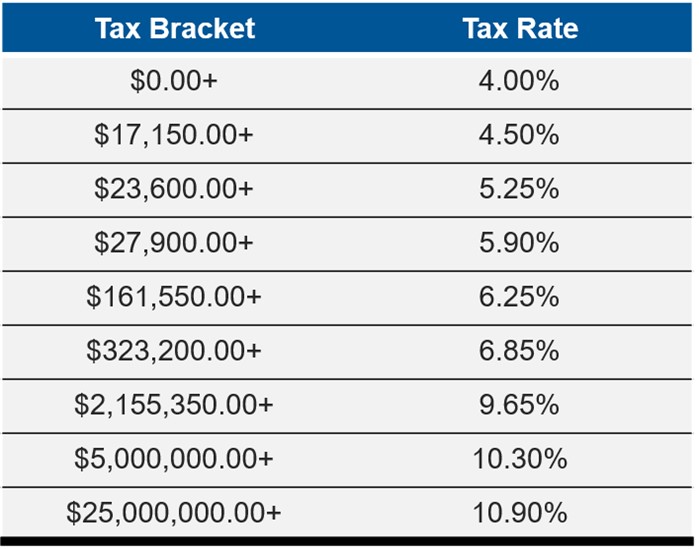
The statewide New York sales tax rate is 4%. However, this is almost always augmented by county and city taxes, leading to a considerably higher combined rate.
- New York City: The combined sales tax rate in New York City is 8.875%. This breaks down into 4% state tax, 4.5% New York City tax, and 0.375% Metropolitan Commuter Transportation District (MCTD) tax. This rate applies to tangible personal property and specified digital products.
- Rest of New York State: For most areas outside New York City, the combined sales tax rate typically ranges from 7.75% to 8.75%. This includes the 4% state tax plus varying county and MCTD taxes. For example, a county might add 3% and the MCTD add 0.375%, resulting in a 7.375% rate, which is then rounded up to the nearest quarter percent, making it 7.5%. Other counties have higher additions. It is essential to check the specific rate for the county and city you are visiting.
- Exemptions: While most goods are taxable, there are notable exemptions. Food and beverages purchased from grocery stores for home consumption are generally exempt from sales tax. Clothing and footwear costing less than $110 per item are also exempt. However, prepared foods, restaurant meals, and items purchased in convenience stores or supermarkets that are ready for immediate consumption are taxable. Certain essential services, like basic telephone services, are also exempt.
What is Taxable?
- Tangible Personal Property: This includes most retail goods, such as clothing (unless exempt), electronics, souvenirs, and personal items.
- Services: Some services are subject to sales tax, including interior decorating, protective and detective services, and repairing or servicing tangible personal property.
- Prepared Food: Meals purchased from restaurants, caterers, and vending machines are subject to sales tax.
- Hotels and Motels: Occupancy of hotel rooms is subject to occupancy taxes, discussed in the next section.
How to Calculate Sales Tax
To calculate the sales tax on a purchase, multiply the price of the item by the applicable sales tax rate. For example, if you are in New York City and purchase an item for $100, the sales tax would be $100 x 0.08875 = $8.88. This amount would be added to the original price, making the total $108.88. Many point-of-sale systems will automatically calculate this for you, but it’s useful to understand the basis.
Hotel Occupancy Tax
For travelers staying in hotels, motels, inns, or similar lodging establishments, an additional tax is levied: the hotel occupancy tax, also known as the room occupancy tax or lodging tax. This tax is a significant source of revenue for municipalities and often includes state, city, and county components.
Rates Across New York
The rates for hotel occupancy tax vary widely across New York State, with New York City having some of the highest rates in the nation.
- New York City: The total occupancy tax in New York City can reach up to 14.75%. This includes the 5% state tax, the 5.875% New York City tax, and an additional 3.875% Metropolitan Commuter Transportation District (MCTD) tax. Some establishments might also add a fixed fee per night.
- Other Areas of New York: Outside of New York City, occupancy tax rates typically range from 5% to 12%, depending on the county and municipality. Some popular tourist destinations like Niagara Falls or the Catskills may have specific local taxes in addition to state and county levies. For instance, a county might impose a 3% to 5% tax, and a city or town could add another 3% to 5%.
What Does Occupancy Tax Cover?
This tax applies to the rental of rooms or sleeping accommodations for less than 90 consecutive days. It is usually calculated as a percentage of the room rate. It’s important to note that some establishments may not clearly itemize this tax on initial booking quotes, so it’s always advisable to confirm the total cost with all applicable taxes included.
Exemptions from Occupancy Tax
Certain entities and individuals may be exempt from paying occupancy taxes. These typically include:
- Government Employees: Federal, state, and local government employees on official business.
- Non-profit Organizations: Representatives of officially recognized non-profit organizations on official business.
- Long-Term Stays: Stays exceeding 90 consecutive days are often exempt from occupancy tax, as they may then be subject to different tax structures, sometimes resembling property taxes or long-term rental agreements.
Taxes on Specific Attractions and Experiences
While less common for the average tourist, certain specific activities or purchases within New York might carry unique tax implications. These are often tied to the nature of the service or product rather than a broad sales tax application.
Entertainment and Admissions
Generally, tickets for attractions, museums, theaters, and sporting events are subject to New York sales tax. The standard sales tax rate for the location where the event takes place will apply. For instance, a Broadway show ticket purchased in New York City will include the 8.875% sales tax. Some venues might include this in the ticket price, while others may add it at checkout.
Dining and Restaurants
As mentioned earlier, meals purchased in restaurants, cafes, and similar establishments are subject to sales tax. This also includes any tips added by the establishment if they are considered part of the service charge. Gratuities left directly by the patron, however, are generally not taxable.
Transportation
While New York sales tax does not typically apply to fares for public transportation like subways and buses, taxi and ride-sharing services are often subject to sales tax, especially in New York City. Specific airport surcharges and fees may also apply to air travel, though these are distinct from sales tax and are more akin to user fees.
Professional Services
If a traveler engages a New York-based professional for services such as legal advice, accounting, or consulting, these services may be subject to New York sales tax. However, this is less common for short-term visitors.
Budgeting for New York Taxes
To accurately budget for your trip to New York, it’s essential to factor in these various taxes.
- Sales Tax: For general shopping, assume a tax rate of 8.875% for New York City and 7.5% to 8.75% for other areas.
- Hotel Occupancy Tax: For accommodation, add an estimated 10% to 15% to your room rate, particularly if staying in New York City or other major tourist hubs.
- Specific Purchases: Be aware that dining out, purchasing souvenirs, and attending events will all incur sales tax.
By understanding these tax structures, visitors to New York can better plan their expenses and enjoy their travels without any unexpected financial burdens. Always check local tax rates for the specific areas you plan to visit, as they can differ significantly from one municipality to another.
LifeOutOfTheBox is a participant in the Amazon Services LLC Associates Program, an affiliate advertising program designed to provide a means for sites to earn advertising fees by advertising and linking to Amazon.com. Amazon, the Amazon logo, AmazonSupply, and the AmazonSupply logo are trademarks of Amazon.com, Inc. or its affiliates. As an Amazon Associate we earn affiliate commissions from qualifying purchases.