
Planning a trip to the Empire State, whether for a whirlwind New York City adventure, a serene escape to the Adirondacks, or a business engagement, invariably brings up a crucial question for budget-conscious travelers: “How much are New York taxes?” This seemingly simple query unravels into a complex tapestry of sales tax, hotel occupancy tax, and even taxes embedded within the cost of goods and services that contribute to the overall expenditure of your visit. Understanding these various tax structures is paramount to accurately budgeting for your stay, ensuring no unwelcome surprises derail your travel plans. From the bustling streets of Manhattan to the picturesque shores of Long Island, taxes play an integral role in the economic fabric of New York, impacting everything from your morning coffee to your luxurious resort stay.
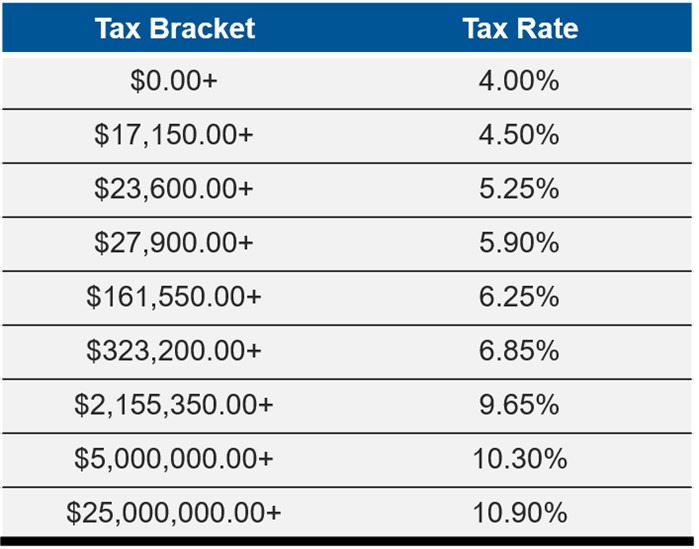
The primary tax consideration for most visitors revolves around sales tax. This tax is levied on the retail sale of tangible personal property and certain services. However, the rate of sales tax in New York is not uniform across the state. It is a composite of state, county, and sometimes metropolitan commuter transportation district (MCTD) taxes. This means that the final sales tax rate you encounter can vary significantly depending on your exact location within the state. For instance, a purchase made in New York City will likely have a higher combined rate than one made in a more rural part of upstate New York.
Beyond the general sales tax, a significant portion of any visitor’s expenditure will likely be directed towards accommodation. This is where the hotel occupancy tax, also known as the room occupancy tax or lodging tax, comes into play. Similar to sales tax, occupancy taxes are levied at multiple levels: state, county, and in some cases, municipal or special district taxes. The combined occupancy tax rate can add a substantial percentage to your hotel bill, and understanding these rates is vital for accurately forecasting your accommodation expenses. Whether you’re booking a room at a budget-friendly hotel or indulging in a suite at a luxury resort, this tax will be a factor.
Furthermore, it’s important to recognize that taxes are not always explicitly itemized as a separate line item at the point of sale, particularly with services. The cost of many activities, tours, and even dining experiences may already incorporate a portion of these taxes, or specific taxes related to those industries. For example, taxes on restaurant meals can differ from general sales tax, and entertainment venues may have their own admission taxes. Navigating this intricate web requires a keen eye and a proactive approach to research, ensuring that you can confidently manage your spending during your New York sojourn.
Understanding New York Sales Tax
The sales tax in New York is a multi-layered system comprising state, county, and sometimes additional district taxes. This intricate structure means that the rate you pay can fluctuate considerably depending on where you make your purchases. At its core, the state sales tax rate is 4%. However, this is merely the foundation.
State and Local Sales Tax Rates
Counties within New York can impose their own local sales taxes, which are added to the state rate. These county rates vary, with some opting for higher additions than others. For example, a county might add 3%, bringing the combined state and county rate to 7%. To further complicate matters, certain regions, most notably the New York City metropolitan area, have a Metropolitan Commuter Transportation District (MCTD) tax. This additional 0.375% tax is applied on top of the state and city taxes, pushing the total sales tax rate in New York City to 8.875%. This 8.875% rate is a critical figure for anyone spending time in the five boroughs, impacting everything from souvenir purchases at Times Square to a gourmet meal in the West Village.
The impact of these varying rates is substantial. A traveler visiting Buffalo will experience a different sales tax rate than someone exploring the Finger Lakes region. It is therefore essential for visitors to be aware of the specific tax rate applicable to the county or city they are visiting. Many websites and official government resources provide detailed charts and calculators for checking these rates by location. This allows for more precise budgeting, especially when planning significant purchases or anticipating a high volume of smaller transactions. For instance, if you’re considering buying a piece of art in Saratoga Springs, knowing the local sales tax will help you determine the true cost.
What is Subject to Sales Tax?
Generally, tangible personal property (goods) are subject to sales tax. This includes clothing, electronics, books, and most other items you would purchase in a retail store. However, there are numerous exemptions and nuances. For example, groceries are typically exempt from sales tax, though prepared foods are not. Clothing and footwear costing less than $110 per item are also exempt from state sales tax, although local taxes may still apply. This exemption is a welcome relief for many families on a budget, especially when visiting family-friendly attractions like theme parks or zoos.
Services are a more complex area. While some services are taxable, others are not. Generally, repair services to tangible personal property are taxable, as are many personal care services. However, professional services like legal or accounting services are often exempt. In the context of travel, many services that are directly related to your trip might have specific tax treatments. For example, while a guided tour might be considered a taxable service in some areas, the entrance fee to a museum might be exempt or have a different tax structure. Understanding these distinctions can help you make informed spending decisions and potentially save money on your travel expenses. For example, opting for a self-guided tour of a historic site over a guided one might have different tax implications.
It is also important to note that online purchases are generally subject to New York sales tax, even if the seller is not physically located within the state. This is due to evolving sales tax laws that require out-of-state sellers to collect and remit taxes based on the destination of the goods. This means that the convenience of online shopping doesn’t necessarily exempt you from contributing to the state’s tax revenue. Whether you’re ordering travel gear from an online retailer or booking experiences through an e-commerce platform, factor in the applicable New York sales tax to avoid any surprises upon delivery or checkout.
Navigating New York Hotel Occupancy Taxes
When booking accommodation in New York, the cost of your stay will invariably be increased by hotel occupancy taxes. These taxes are specifically levied on the rental of rooms in hotels, motels, inns, and other lodging establishments. Like sales tax, occupancy taxes are applied at multiple governmental levels, contributing to a diverse range of rates across the state. This layer of taxation is a significant factor in the overall cost of any trip, whether it’s a short business stay at a hotel near JFK Airport or a longer vacation at a luxury resort in the Catskills.
State and Local Occupancy Tax Rates
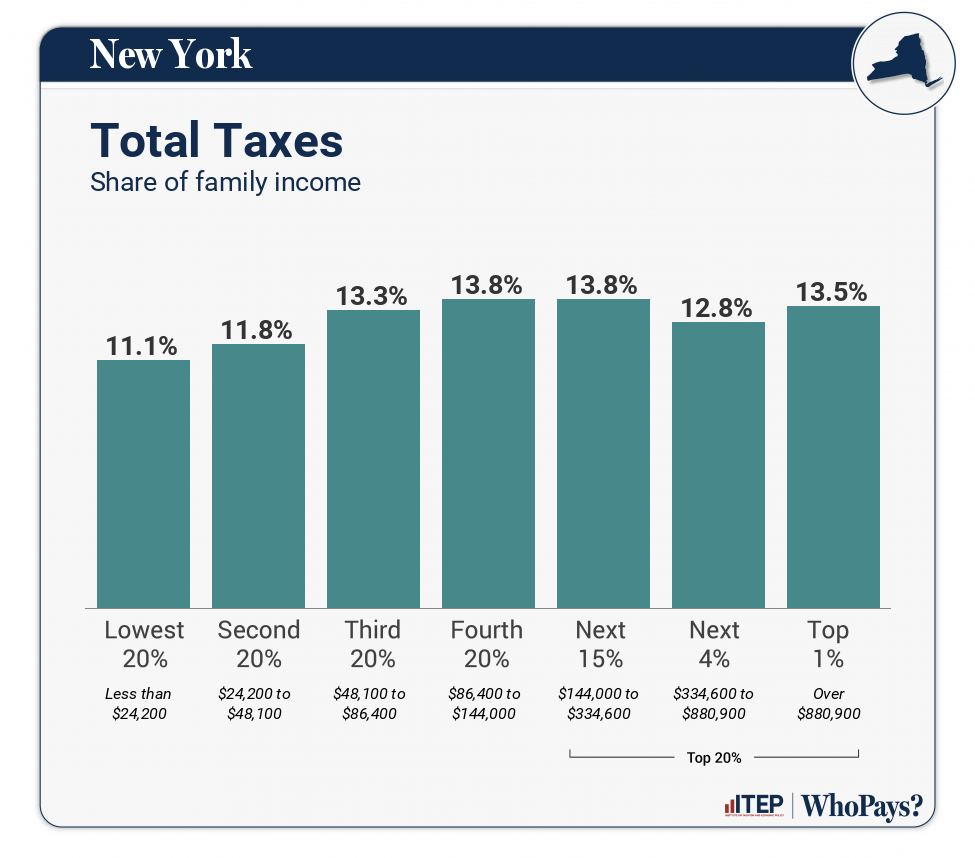
The state of New York imposes a state hotel occupancy tax. However, this state tax is only applicable in certain areas, most notably within the boundaries of the New York City metropolitan area and in counties that have elected to impose it. Outside of these specific regions, counties and municipalities have the authority to enact their own local occupancy taxes. This creates a patchwork of rates that can significantly differ from one destination to another.
In New York City itself, the combined occupancy tax rate is one of the highest in the nation. It includes the state tax, the New York City tax, and the MCTD tax. This can result in a substantial percentage being added to your nightly room rate, often reaching upwards of 15% or more, depending on the specific borough and the hotel’s classification. For instance, a room at the Plaza Hotel will be subject to a higher total occupancy tax than a room in a more modest establishment in an upstate town.
Outside of the metropolitan area, occupancy tax rates are generally lower but still present. Counties and cities have the discretion to set these rates, and they often reflect local needs and tourism initiatives. Some popular tourist destinations might have higher occupancy taxes to help fund local infrastructure and attractions. Conversely, less tourist-heavy areas may have minimal or no local occupancy taxes. This variability underscores the importance of researching the specific occupancy tax rates for your chosen destination before booking your accommodation. This is especially true when comparing options for family trips, where accommodation costs can quickly escalate.
What is Included in Occupancy Tax?
The occupancy tax is typically calculated on the gross amount paid for the rental of a hotel room. This means that if you have any additional charges added to your room bill, such as for extra services or amenities, these might also be subject to the occupancy tax, depending on the specific regulations. It is crucial to distinguish between the room rate itself and the total bill you receive upon checkout. Always review your bill carefully to ensure that the occupancy tax has been applied correctly and to understand what it is being charged on.
Some hotels may offer packages that include various amenities or services. The tax treatment of these packages can vary. In some cases, the entire package price might be subject to occupancy tax, while in others, only the room portion will be taxed. It’s advisable to inquire with the hotel directly about how their packages are taxed to avoid any misunderstandings. This is particularly relevant for luxury travel experiences, where bundled services are common.
Furthermore, it’s worth noting that certain types of lodging might be exempt from occupancy taxes. For example, long-term stays (typically exceeding a certain number of consecutive days, often 30) may be exempt from occupancy taxes in some jurisdictions. This can be a significant consideration for individuals planning extended visits, such as those on business assignments or extended vacations. Similarly, certain non-profit organizations or government entities might be eligible for exemptions. Always check with your accommodation provider and the relevant local tax authorities to confirm any potential exemptions that might apply to your specific situation. This knowledge can lead to substantial savings for extended stays or specialized travel needs.
Other Taxes and Considerations for Travelers
Beyond the primary sales and occupancy taxes, visitors to New York should be aware of other potential tax implications that can affect their travel budget. These can range from taxes on specific goods and services to taxes embedded in the cost of transportation and entertainment. Being informed about these less obvious taxes can help in creating a more comprehensive and realistic travel budget, ensuring that you can enjoy all that New York has to offer without financial strain. Whether you are a budget traveler or seeking luxury experiences, these considerations are universally applicable.
Taxes on Services and Entertainment
Many services and entertainment activities in New York are subject to sales tax, which can vary by location as discussed previously. This includes things like admission fees to attractions, tickets to events, and even certain recreational activities. For example, visiting a museum like the Metropolitan Museum of Art might involve an admission fee that includes sales tax, while a Broadway show ticket will also have sales tax applied.
Furthermore, some services might have specific taxes attached. For instance, car rental services are typically subject to sales tax, as are parking fees in many urban areas. If you plan to rent a car to explore the scenic Hudson Valley or drive to Niagara Falls, remember to factor in these additional taxes on the rental cost and any associated fees. The cost of parking in New York City, for example, can be substantial and will often include a city parking tax.
Dining out also presents its own set of tax considerations. While basic groceries are generally exempt from sales tax, prepared foods are not. This means that meals purchased at restaurants, cafes, and delis will include sales tax. In some jurisdictions, there might be a separate “restaurant tax” or “prepared food tax” that is distinct from the general sales tax. It is always prudent to check the menu or inquire with the establishment about how taxes are applied to your bill. This is particularly relevant when exploring the diverse culinary landscape of New York, from fine dining in Midtown to street food vendors.
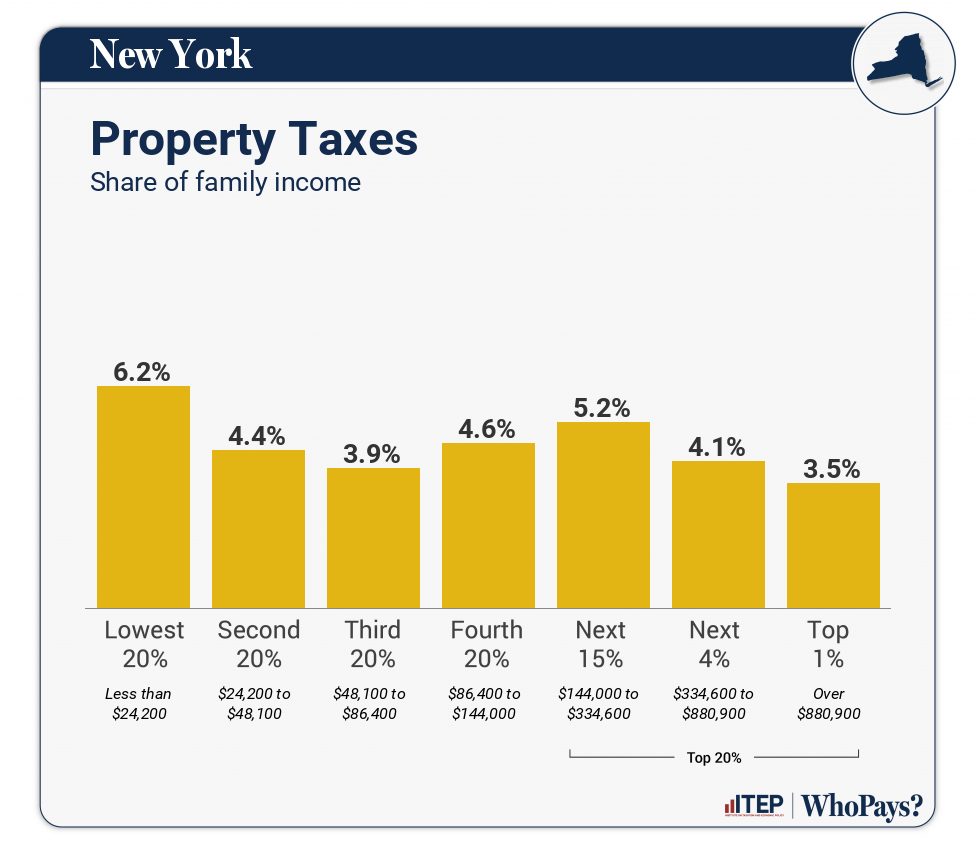
Transportation and Other Taxes
Transportation costs can also be subject to various taxes. For instance, taxi and livery services in New York City are subject to a surcharge. While this is not precisely a sales tax, it functions similarly by increasing the overall cost of your ride. Air travel within or originating from New York is also subject to federal and state taxes and fees. These are typically included in the ticket price, but it’s worth noting their existence.
When considering longer-term stays or specific lifestyle choices, such as renting an apartment for an extended period, it’s important to understand the tax implications. While short-term vacation rentals (often booked through platforms like Airbnb) are generally subject to sales and occupancy taxes, longer-term residential leases may have different tax treatments. It is always advisable to consult with the property owner or manager to clarify any tax obligations associated with your rental agreement. This is particularly pertinent for individuals considering a more immersive experience in a New York community.
Finally, for those who enjoy shopping for unique items or luxury goods, remember that the sales tax will apply to most purchases. While New York is renowned for its high-end retail, from boutiques in SoHo to department stores like Saks Fifth Avenue, the sales tax is a constant factor. By being aware of the various tax structures in New York, travelers can better plan their finances, make informed decisions, and ultimately enjoy their visit to the fullest, whether it’s a quick getaway or an extensive exploration of the state’s diverse offerings.
LifeOutOfTheBox is a participant in the Amazon Services LLC Associates Program, an affiliate advertising program designed to provide a means for sites to earn advertising fees by advertising and linking to Amazon.com. Amazon, the Amazon logo, AmazonSupply, and the AmazonSupply logo are trademarks of Amazon.com, Inc. or its affiliates. As an Amazon Associate we earn affiliate commissions from qualifying purchases.