
Understanding the economic landscape of a region can profoundly enhance one’s travel experience, influence lifestyle choices, and provide crucial insights for anyone considering a long-term stay or even a move. In the diverse and dynamic Golden State, a key economic factor influencing everything from the cost of your accommodation to the price of a meal at a local eatery is the concept of prevailing wage. California, renowned for its vibrant culture, stunning natural beauty, and innovative industries, also stands out for its robust labor protections and often higher cost of living. This economic reality is inextricably linked to prevailing wages, which play a significant role in shaping the state’s infrastructure, services, and overall economic environment.

For visitors planning their next adventure – be it a luxurious escape to a Napa Valley resort, an urban exploration of San Francisco’s iconic landmarks, or a family trip to Disneyland – understanding this wage structure offers a deeper appreciation for the value and cost of services encountered. For those eyeing California for an extended stay, perhaps considering a move to an apartment in Los Angeles or a villa in San Diego, prevailing wages directly impact the job market and the general affordability of life. This article delves into what prevailing wage entails in California, how it influences the travel and tourism sectors, and its broader implications for local lifestyles and budgeting for your journey through this remarkable state.
Understanding Prevailing Wage in the Golden State
At its core, the concept of prevailing wage is designed to ensure that workers on publicly funded projects are paid a fair wage that reflects the local labor market. This isn’t just a regulatory detail; it’s a fundamental aspect of California’s commitment to equitable labor practices, influencing the economic backbone of communities from the bustling streets of Sacramento to the serene coastlines of Santa Barbara.
What Exactly is Prevailing Wage?
Prevailing wage refers to the hourly wage, usual benefits, and overtime paid to workers in a particular trade or occupation in the “locality” where public work is performed. In California, this is primarily governed by the state’s Labor Code, specifically sections pertaining to public works projects. The Department of Industrial Relations (DIR) is responsible for determining and enforcing these wage rates. These rates are not static; they are regularly updated and vary significantly by county, by the specific craft or occupation (e.g., carpenter, electrician, plumber), and sometimes even by the type of project. For instance, the prevailing wage for a carpenter working on a school construction project in Orange County would be different from that of an electrician on a public road expansion in San Bernardino County. The intention is to prevent public entities from undercutting local wage standards and to support local economies by ensuring workers can afford to live in the communities where they work. This directly impacts the cost and quality of infrastructure, including roads, bridges, public buildings, and even components of some transportation systems that facilitate travel throughout the state.
Why California’s Prevailing Wage Matters More
California’s prevailing wages are generally among the highest in the United States. This elevated status is a direct reflection of several factors: the state’s overall high cost of living, strong labor union presence, and a political environment that prioritizes worker protections. In cities like San Francisco and Los Angeles, where housing costs can be astronomical, prevailing wage rates are adjusted upwards to allow skilled tradespeople to maintain a reasonable standard of living. This has profound economic implications, especially for projects involving significant public investment. It means that developing new public attractions, expanding existing landmarks, or even maintaining critical travel infrastructure like highways and airports, comes with a higher labor cost embedded in its budget. For the discerning traveler, this indirectly translates into the cost of accessing certain facilities or the overall quality and maintenance of the environment. For residents, it contributes to the economic stability of many households, enabling them to participate in local tourism, support local businesses, and experience the rich California lifestyle. The intricate dance between prevailing wages, economic development, and quality of life is a defining characteristic of the California experience.
The Ripple Effect: Prevailing Wage on California’s Travel & Tourism Sector
The economic principles of prevailing wage don’t just stay confined to construction sites; their impact ripples across various sectors, significantly influencing the cost and character of California’s thriving travel and tourism industry. From the hotels that house millions of visitors to the attractions they flock to, the underlying labor costs play a crucial role.
Shaping Infrastructure and Accommodation Costs
Consider the development of new hotels, resorts, or major tourist attractions. While many are privately funded, their construction often relies on public infrastructure (roads, utilities) or involves public permits and incentives that can trigger prevailing wage requirements. When these projects are subject to prevailing wage laws, the labor costs for skilled trades like electricians, plumbers, and carpenters are significantly higher than they might be in a state with lower wage standards. These elevated construction costs are then, to some extent, factored into the overall operational expenses and, ultimately, the pricing for guests. This can explain why a luxury suite in a newly built beachfront resort in Malibu or a contemporary boutique hotel in downtown San Diego might carry a premium price tag compared to similar accommodations in other parts of the country. Furthermore, ongoing maintenance and renovation of existing tourism infrastructure, which might involve public funding or grants, also fall under prevailing wage guidelines, ensuring that the high standards of California’s tourism facilities are maintained by fairly compensated workers. This contributes to the state’s reputation for high-quality travel experiences, from sprawling resorts with top-tier amenities to meticulously preserved historical sites.
Impact on Local Services and Lifestyle
Beyond the grand infrastructure projects, prevailing wages indirectly influence the broader ecosystem of local services that cater to both tourists and residents. While direct service jobs in the hospitality sector (e.g., hotel staff, restaurant servers) might not always be subject to prevailing wage laws, the general high wage environment in California means that labor costs are often higher across the board. This impacts the prices you might encounter at local restaurants, cafes, and shops, particularly in popular tourist destinations such as Carmel-by-the-Sea or Hollywood. The cost of local culture, from museum entrance fees (if they receive public funding for expansion or maintenance) to guided tours, can reflect these underlying economic realities.
More broadly, the prevailing wage helps foster a healthier local economy by providing residents with disposable income. This income allows them to support local businesses, enjoy leisure activities, and contribute to the vibrant cultural scene that many travelers seek out. A strong local economy, underpinned by fair wages, often translates into a higher quality of life for residents, which in turn can create more authentic and engaging experiences for visitors. The flourishing arts scenes in Oakland, the diverse culinary landscape of Silicon Valley, and the thriving craft beer industry in San Diego are all manifestations of communities where residents can afford to pursue and support these enriching activities.
Budgeting for Your California Journey
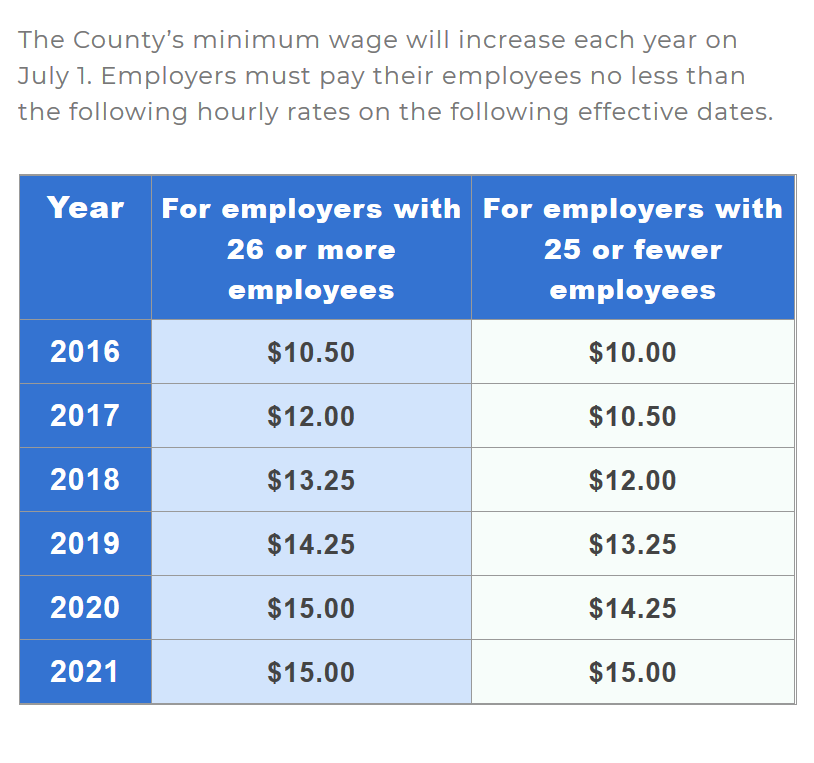
Given California’s higher economic baseline, effective budgeting becomes paramount for travelers. Whether you’re planning a luxurious two-week tour or a budget-friendly road trip, understanding that labor costs contribute to higher prices for everything from gas to gourmet meals is essential. Accommodation, particularly in prime locations such as Santa Monica or Downtown Los Angeles, will likely be higher than in many other states. Options for booking range from high-end suites in Beverly Hills hotels to more economical apartments or vacation rentals further afield.
Travelers should factor in these higher costs when planning their daily expenses for food, transportation, and activities. Researching local deals, utilizing public transport where available, and exploring off-peak travel times can help mitigate costs. For example, staying in a charming boutique hotel in Pasadena might offer better value than a similar option directly in the heart of Hollywood, while still providing excellent access to attractions. Embracing the outdoor activities that California is famous for, such as hiking in Yosemite National Park or exploring the beaches of La Jolla, can also offer incredible experiences without incurring significant costs, providing a balanced approach to enjoying the Golden State.
Living the California Dream: Prevailing Wage and Resident Lifestyles
For those contemplating a move to California or an extended stay, understanding prevailing wages transcends mere travel budgeting; it becomes a fundamental aspect of assessing one’s potential lifestyle, economic stability, and long-term viability in the state. The wage structure plays a critical role in shaping how residents experience the “California Dream.”
Economic Foundations for Local Communities
Prevailing wage laws are often seen as a cornerstone for building robust local economies. By ensuring that workers on public projects receive fair compensation, these wages inject significant capital directly into local communities. This economic stimulus supports a wide array of local businesses, from grocery stores and service providers to entertainment venues. It allows families to afford housing, education, and healthcare, thereby fostering stable communities. This stability is vital for the entire ecosystem, including the tourism sector. When residents have economic security, they are more likely to invest in their local areas, maintain a high quality of public services, and contribute to a vibrant civic life. For visitors, this means experiencing well-maintained public spaces, a diverse range of local businesses, and a generally thriving atmosphere in cities like Long Beach or Fremont, which are often sustained by the economic activity generated through such wage structures. The health of a community directly impacts the richness of the tourist experience, offering more authentic interactions and services.
Long-Term Stays and Relocation Considerations
For individuals considering a long-term stay in California, whether for work, study, or extended leisure, the prevailing wage environment is a critical factor. If your profession or skills fall within trades often covered by prevailing wage (e.g., construction, certain public sector jobs), you could anticipate a higher earning potential compared to many other states. However, this must be balanced against the notoriously high cost of living in California, particularly for housing. A substantial prevailing wage might be necessary to afford an apartment in Santa Monica, a house in the Bay Area, or even to cover daily expenses in more affordable but still pricy areas like parts of the Central Valley. Researching specific county wage rates and comparing them against average rental costs is crucial for financial planning. Understanding the prevailing wage environment empowers individuals to make informed decisions about booking long-term accommodation, career prospects, and whether the California lifestyle aligns with their financial goals and desired quality of life. Resources for comparing housing costs and prevailing wages can be found on state government websites, offering a realistic picture of what an extended stay might entail.
Balancing Luxury and Accessibility
California’s economy, influenced significantly by prevailing wages, masterfully balances an abundance of luxury travel options with opportunities for accessible experiences. The higher labor costs contribute to the state’s capacity to build and maintain world-class facilities, from the exclusive Four Seasons Resort Biltmore Santa Barbara to cutting-edge museums in San Jose. These establishments often demand premium prices, reflecting the high quality of infrastructure, service, and labor involved. However, the same economic vibrancy that supports luxury also underpins the state’s ability to invest in extensive state and national parks, free public beaches, and diverse cultural events that cater to all budgets. The economic well-being fostered by fair wages helps sustain a thriving middle class that participates in and supports these varied experiences. Thus, whether you dream of a lavish stay at a vineyard estate in Sonoma or an adventurous camping trip in Joshua Tree National Park, California’s prevailing wage environment, while contributing to overall higher costs, also ensures a foundation for quality and diversity across its vast range of offerings.

Navigating California’s Economic Landscape as a Visitor
For visitors, successfully navigating California’s economic landscape means making informed choices to maximize their experience without overspending. Understanding how prevailing wages contribute to the state’s cost structure is the first step. To make the most of your journey, consider these practical tips.
Firstly, travel during the shoulder seasons (spring and fall) to potentially find better deals on accommodation and fewer crowds at popular attractions like the Hollywood Walk of Fame or the Santa Cruz Beach Boardwalk. These periods often see a slight dip in demand, leading to more competitive pricing for hotels, car rentals, and even some experiences.
Secondly, explore diverse accommodation options. While luxury resorts and high-end hotels abound, consider booking apartments or villas through platforms that offer kitchen facilities. Preparing some of your meals can significantly cut down on dining expenses, which are often higher due to the aforementioned labor costs. Researching reviews and comparing options carefully can uncover hidden gems that offer great value.
Thirdly, embrace California’s free and low-cost natural wonders. The state boasts an incredible array of national and state parks, pristine beaches, and scenic drives that offer breathtaking beauty for minimal to no cost. A visit to Big Sur, a hike in Runyon Canyon Park overlooking Los Angeles, or a stroll across the Golden Gate Bridge provides iconic California experiences without a hefty price tag. Many museums in cities like San Francisco or Oakland also offer free admission days.
Finally, leverage public transportation in major urban centers. Cities like San Francisco and Los Angeles have extensive public transport networks that can save you money on gas and parking, both of which can be expensive. For longer journeys, consider scenic train routes or regional buses. By being mindful of these economic realities and planning strategically, visitors can enjoy the unparalleled beauty and excitement of California without compromising on the quality of their travel experiences.
In conclusion, the prevailing wage in California is far more than just a labor statistic; it’s a foundational element of the state’s economy that permeates nearly every aspect of life for residents and visitors alike. It ensures fair compensation for skilled workers, fostering strong local communities and high-quality infrastructure. Simultaneously, it contributes to the higher cost of living and, consequently, the prices encountered in the vibrant tourism and hospitality sectors. By understanding these dynamics, travelers can better budget for their adventures, appreciate the value behind the services they receive, and make informed choices for unforgettable journeys across the Golden State. Whether you’re seeking luxury or adventure, a short visit or a long-term stay, the prevailing wage is an invisible hand shaping the unique and rich tapestry of the California experience.