
Navigating the intricate web of traffic laws is a crucial aspect of enjoying a Florida road trip or residency. While the allure of the Sunshine State with its vibrant cities like Miami and Orlando, pristine beaches, and world-class attractions is undeniable, traffic violations can cast a shadow over any journey. Among the most common and often contentious traffic offenses are red light violations, captured by automated camera systems throughout Florida. Understanding the financial implications of these tickets is paramount for drivers.
The Cost of a Red Light Ticket in Florida
The financial burden of a red light ticket in Florida is not a single, fixed amount but rather a multi-faceted calculation involving the base fine, court costs, and potential surcharges. This tiered structure is designed to reflect the severity of the offense and to contribute to various state funds.
Base Fine and State Surcharges
The base fine for a red light camera violation in Florida is typically set at $158. This amount is standard across most municipalities that have adopted this technology. However, this initial figure often represents only a portion of the total cost.
Beyond the base fine, several state surcharges are levied. These surcharges contribute to various public services and funds. While the exact breakdown can fluctuate slightly due to legislative changes, common surcharges include:
- State Court Administration Trust Fund: This fund supports the administration of the state court system.
- Crimes Compensation Trust Fund: This fund provides financial assistance to victims of crime.
- Florida.}text{Highway Patrol.}text{State Operations Trust Fund: This fund contributes to the operational costs of the Florida Highway Patrol.
These surcharges can add a significant percentage to the base fine, often increasing the total amount due by an additional 50% or more. Therefore, a $158 base fine can quickly escalate to over $200, and in some cases, even closer to $250 or more once all mandatory surcharges are applied. It is essential for drivers to consult the specific citation for the exact breakdown of fines and surcharges.
Court Costs and Administrative Fees
In addition to state-mandated fines and surcharges, individuals may also be responsible for court costs and administrative fees, especially if they choose to contest the ticket or if the citation requires a court appearance. These fees can vary depending on the specific county or municipality where the violation occurred. While not all red light camera tickets necessitate a court appearance, opting for one to dispute the citation will invariably incur additional costs.
Red Light Camera Systems in Florida
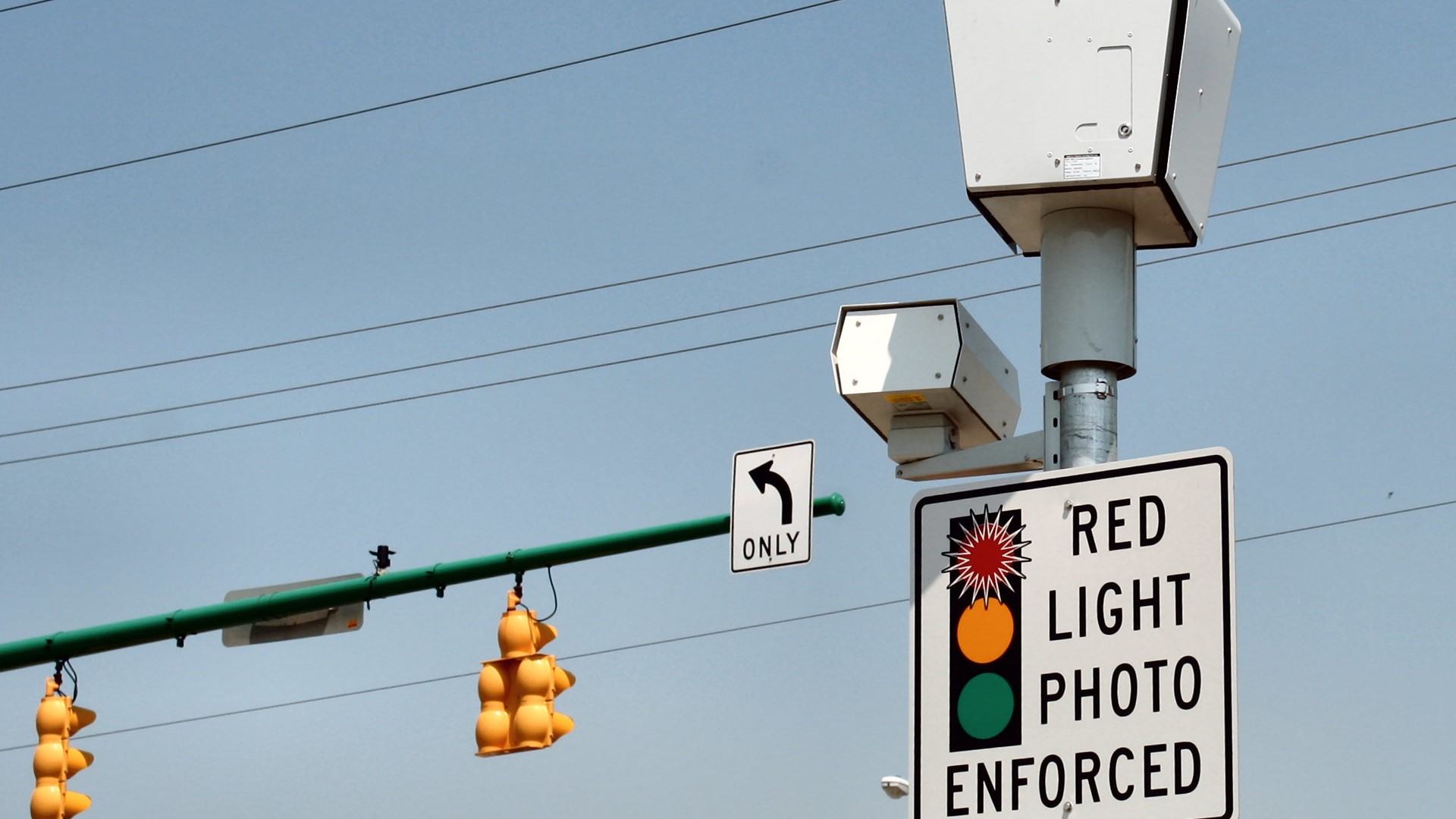
Florida utilizes red light camera systems as a tool to enhance traffic safety by deterring drivers from running red lights. These systems are typically installed at busy intersections known for a high incidence of red light violations or accidents.
How the Cameras Work
Red light cameras operate using a combination of sensors and high-resolution cameras. When a vehicle approaches an intersection, sensors embedded in the pavement detect its presence. If the vehicle enters the intersection after the traffic signal has turned red, the camera system is triggered.
The system captures a series of images:
- Pre-red light image: This image shows the vehicle approaching the intersection before the light turns red.
- Red light image: This image captures the vehicle clearly within the intersection after the light has turned red. This image typically includes the license plate of the offending vehicle.
- Video clip: A short video often accompanies the images, further documenting the violation.
The captured data, including the images and video, is then transmitted to a processing center. Trained personnel review the evidence to ensure the accuracy of the violation before a citation is issued.
Locations of Red Light Cameras
Red light cameras are strategically placed in numerous cities and counties across Florida. Some of the major municipalities that have implemented these systems include:
- Miami-Dade County (including cities like Miami and Miami Gardens)
- Broward County (including cities like Fort Lauderdale and Pembroke Pines)
- Palm Beach County (including cities like West Palm Beach and Boca Raton)
- Orange County (including Orlando)
- Hillsborough County (including Tampa)
- Pinellas County (including St. Petersburg)
The exact locations are subject to change as municipalities review their traffic safety data and implement or remove cameras based on effectiveness and public feedback. Drivers are advised to be vigilant and aware of their surroundings, especially in urban areas and at intersections with traffic signals.

Potential Penalties Beyond Fines
While the monetary fine is the most immediate consequence of a red light ticket, it’s important to recognize that other penalties can arise, particularly if the violation leads to further issues.
Points on Your Driving Record
In Florida, red light camera violations are considered “non-moving violations.” This means that, generally, they do not result in points being added to your driver’s license. This is a significant distinction from moving violations, such as speeding or running a stop sign, which do accrue points and can lead to license suspension if too many are accumulated within a certain period. The intention behind this classification is to differentiate between an equipment-detected infraction and a driver-behavior infraction that directly endangers other road users through immediate action.
However, it is crucial to confirm the specific classification of your citation with the issuing authority or through legal counsel, as classifications can sometimes be nuanced or subject to appeal. The primary goal of red light cameras is deterrence, and the absence of points reflects this approach by focusing on financial penalties rather than escalating driver record infractions for a single camera-detected offense.
Increased Insurance Premiums
While a red light camera ticket itself may not add points to your license, insurance companies do assess risk. If a ticket leads to a conviction or if you accumulate multiple tickets over time, your insurance provider may view you as a higher risk driver. This can result in an increase in your auto insurance premiums. Some policies might consider any traffic violation, regardless of points, as a factor in premium calculations.
The logic for insurers is that a pattern of traffic violations, even those not carrying points, suggests a driver who may be less attentive or more prone to infractions. Therefore, it is prudent to treat every traffic citation with seriousness, not just for the immediate fine but for its potential long-term impact on your financial obligations as a driver.
Potential for Increased Scrutiny
Receiving a red light ticket, especially if it’s one of several traffic citations, could lead to increased scrutiny from law enforcement. While the system is automated, a consistent pattern of violations might prompt officers to be more observant of your driving habits if you are encountered during a traffic stop for another reason. Maintaining a clean driving record is always the best strategy for avoiding undue attention and potential further penalties.
Contesting a Red Light Ticket in Florida
While the automated nature of red light camera tickets might suggest a straightforward payment process, drivers in Florida do have the option to contest their citations. Understanding the process and the grounds for appeal is essential if you believe the ticket was issued in error.
Grounds for Contesting
Several potential grounds exist for contesting a red light camera ticket:
- Factual Error: The ticket may contain factual inaccuracies, such as an incorrect license plate number or vehicle description, that do not match your vehicle.
- Malfunctioning Equipment: Although rare, there’s a possibility the camera system was not functioning correctly at the time of the alleged violation. This would require evidence, which can be difficult to obtain independently.
- Proof of No Violation: You may have evidence to suggest that no violation occurred. This could include dashcam footage from your vehicle showing you stopped or proceeded legally, or witness testimony.
- Emergency Vehicle: If you were yielding to an authorized emergency vehicle that was clearly displaying flashing lights and sounding a siren, this could be a valid defense.
- Vehicle Sold Prior to Violation: If you can prove that the vehicle in question was sold and the registration transferred to a new owner before the date of the violation, the ticket should be dismissed. Proper documentation, such as a bill of sale or transfer of ownership records, would be necessary.
- Disabled Vehicle: In rare circumstances, if your vehicle was disabled and could not avoid entering the intersection, this might be grounds for dismissal. This would likely require significant supporting evidence.
The Contesting Process
The process for contesting a red light ticket typically begins with responding to the citation within the designated timeframe. The citation itself will provide instructions on how to do this. Options usually include:
- Paying the Fine: This is the simplest option but admits guilt.
- Attending Traffic School: For eligible individuals, this can sometimes dismiss the ticket from your driving record and avoid points (though red light tickets generally don’t incur points anyway). However, traffic school itself has a cost.
- Contesting the Ticket: This involves pleading not guilty and requesting a hearing.
If you choose to contest, you will likely have a hearing. This could be an administrative hearing or a court hearing, depending on the municipality. You will have the opportunity to present your evidence and arguments. The issuing authority will also present their case, which typically involves the photographic and video evidence captured by the red light camera.
When to Seek Legal Counsel
While many people choose to handle traffic tickets themselves, there are situations where consulting a traffic attorney in Florida is advisable. If the circumstances are complex, if you have significant evidence to present, or if you are concerned about potential impacts on your driving record or insurance rates, an attorney can provide invaluable guidance and representation. They are familiar with traffic laws, court procedures, and the nuances of contesting citations.
In conclusion, while the cost of a red light ticket in Florida might seem straightforward at first glance, understanding the various components of the fine, the technology behind the enforcement, and the potential consequences is vital for all drivers navigating the state’s roadways. Vigilance, adherence to traffic laws, and awareness of your rights and responsibilities will contribute to a safer and more legally compliant driving experience.
LifeOutOfTheBox is a participant in the Amazon Services LLC Associates Program, an affiliate advertising program designed to provide a means for sites to earn advertising fees by advertising and linking to Amazon.com. Amazon, the Amazon logo, AmazonSupply, and the AmazonSupply logo are trademarks of Amazon.com, Inc. or its affiliates. As an Amazon Associate we earn affiliate commissions from qualifying purchases.